





ARTAS Robotic Hair Transplant: Is It Right For Natural-Looking Hair?
ARTAS is a robotic system that assists doctors during the FUE hair transplant process by helping identify and harvest grafts with consistent angle and spacing. It can be a strong option for the right candidate, but it isn’t ideal for every hair type or case. Natural-looking results still depend heavily on surgical planning and implantation technique.
Table of Contents
What Is The ARTAS Robotic Hair Transplant System?
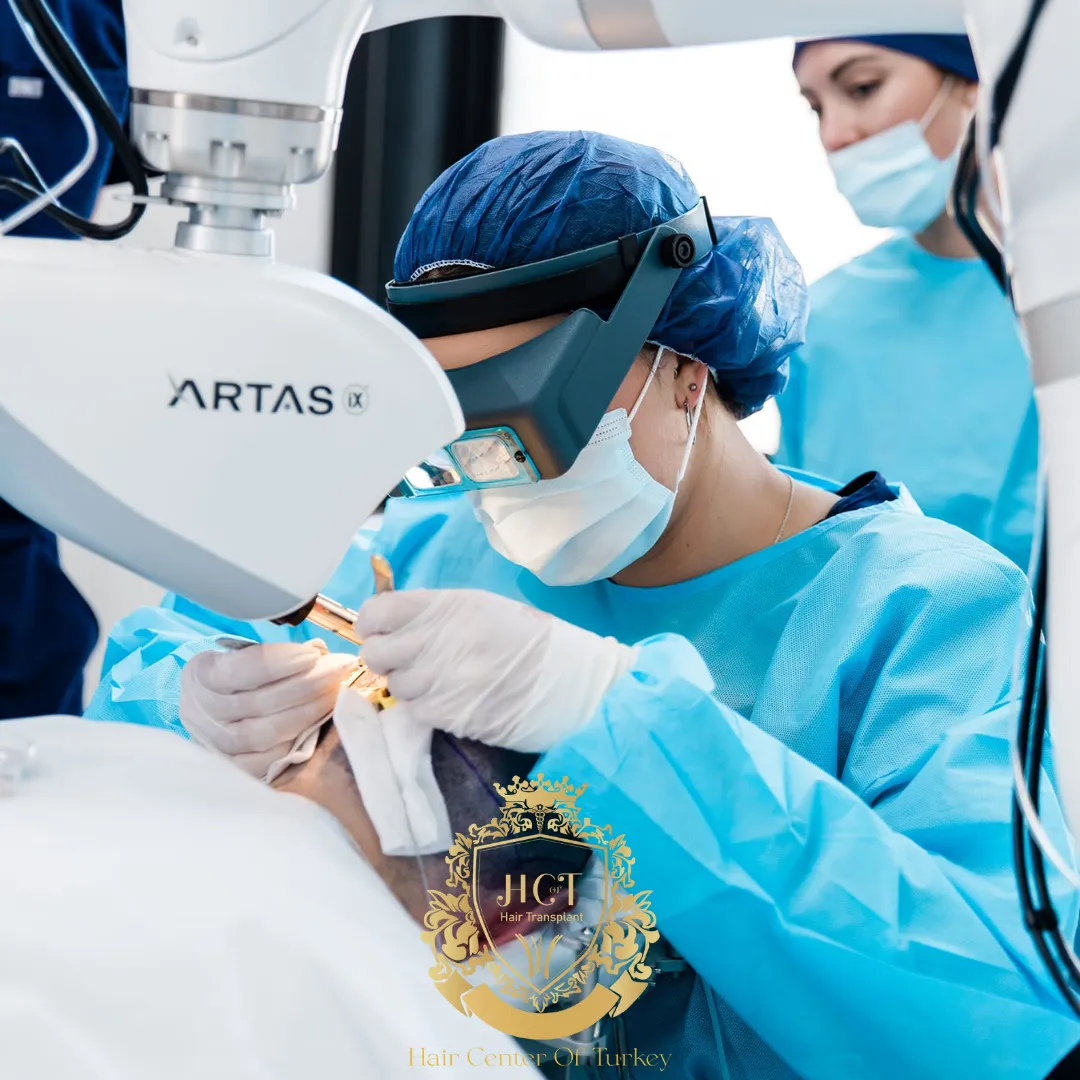
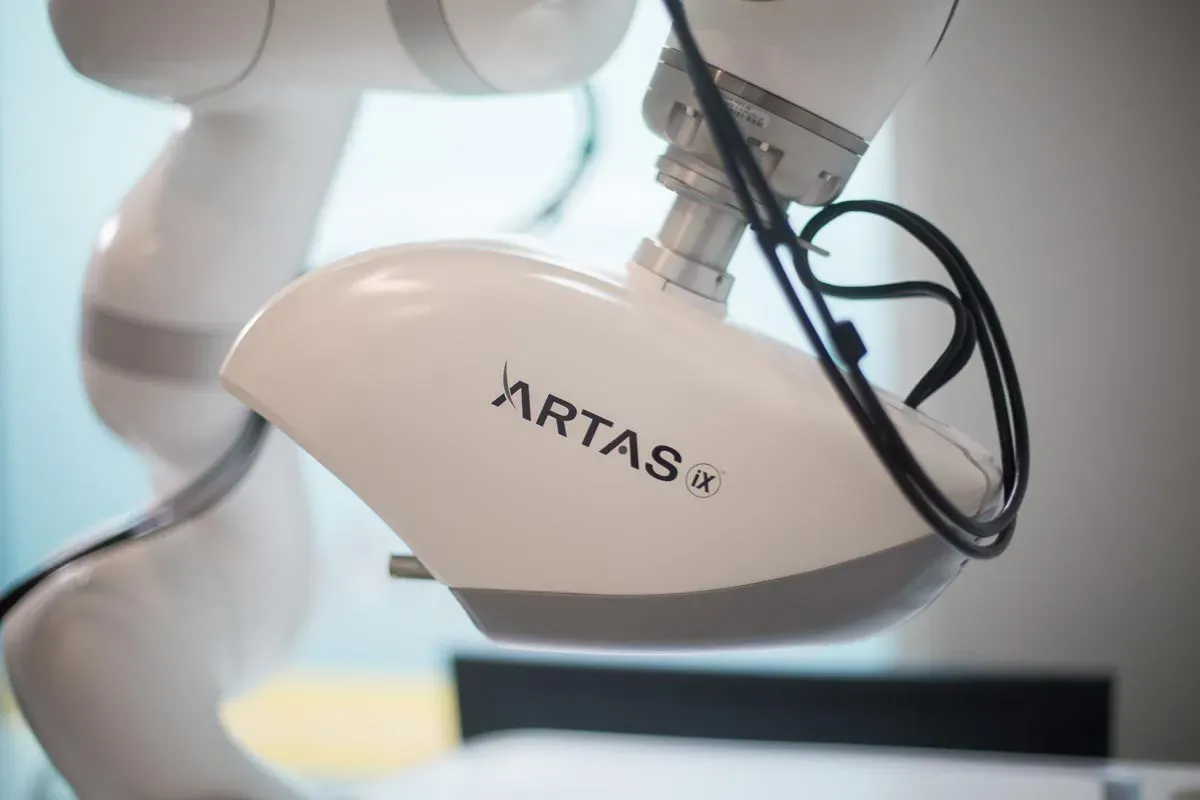
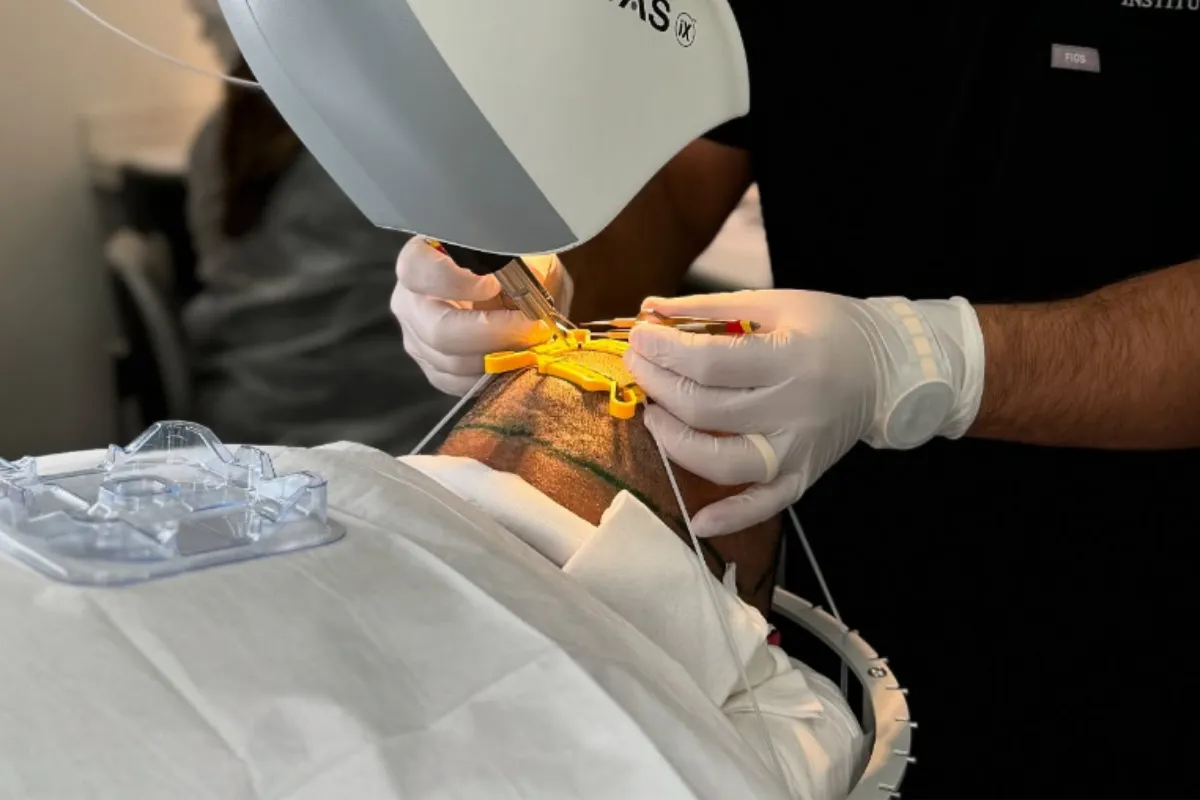
ARTAS is a robotic, image-guided system designed to support Follicular Unit Extraction (FUE) by assisting with donor graft selection and harvesting. It’s FDA-cleared for use in specific indications, and it’s intended to assist physicians—not replace them.
Because ARTAS is built around imaging and algorithms, it aims to deliver consistent extraction patterns and reduce variability that can happen during long sessions. The clinical team still controls the plan, the aesthetics, and the final placement strategy.
How The ARTAS Procedure Works
Scalp Imaging And Planning
The process starts with a digital scan and mapping of the donor area to help guide extraction strategy. This plan considers hair angle, direction, and density so harvesting can be distributed evenly.
Robotic-Assisted Graft Harvesting
During harvesting, the system helps identify follicular units and performs extraction using consistent depth and alignment parameters. This can support graft quality by reducing unnecessary trauma when the candidate’s hair and skin characteristics are suitable for the imaging system.
Recipient Site Work And Implantation
Depending on the clinic workflow, ARTAS may also assist with recipient site creation, but implantation and aesthetic decisions remain clinician-led. Hairline design, density planning, and placement angles are still where surgical artistry matters most.
Potential Benefits Patients Look For With ARTAS
Consistent Harvesting
Robotic assistance can help keep extraction spacing and angles steady across a long procedure. That consistency may be valuable in larger sessions where fatigue can affect manual repetition.
No Linear Donor Scar
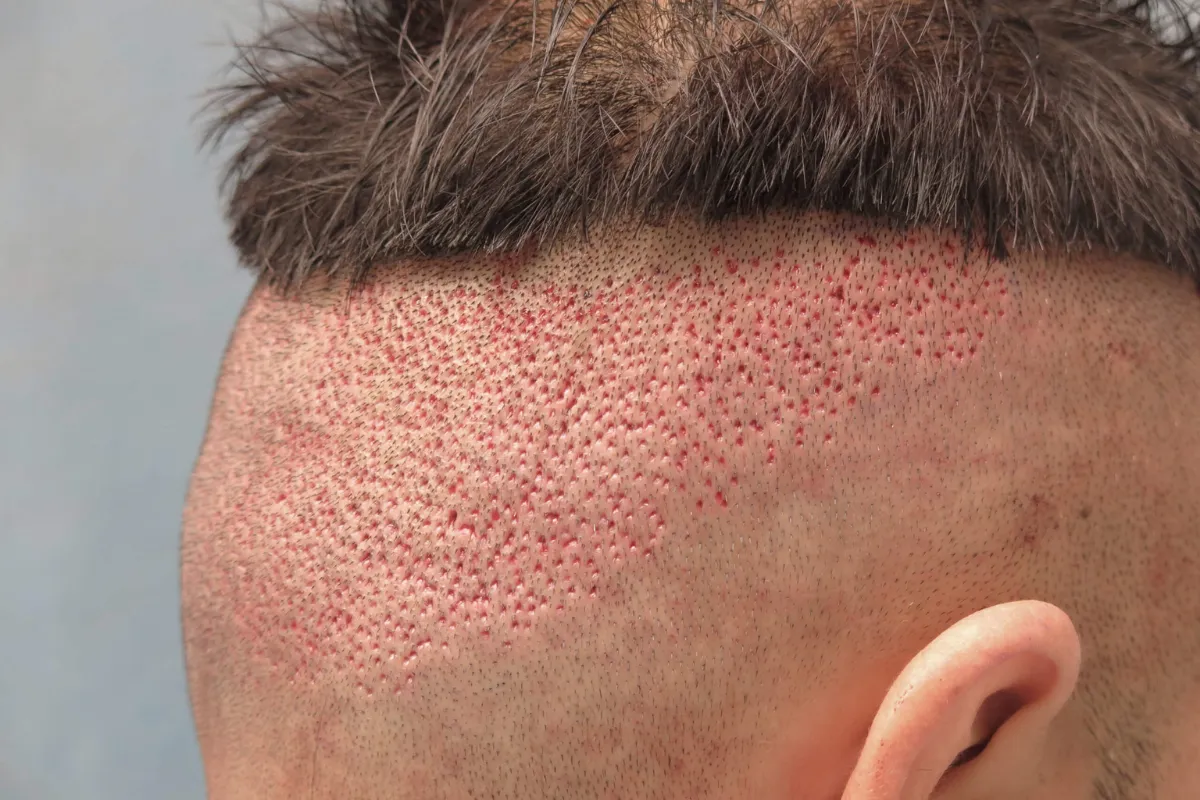
Because ARTAS supports the FUE approach, it avoids the long linear scar associated with older strip methods. This is often a priority for patients who prefer shorter hairstyles.
Efficiency In Suitable Cases
Many clinics use ARTAS to speed up the harvesting phase compared with fully manual extraction, especially when the donor characteristics match the system’s optical requirements.
Limitations And Trade-Offs To Know
ARTAS isn’t a universal fit, and the main constraints are worth stating plainly:
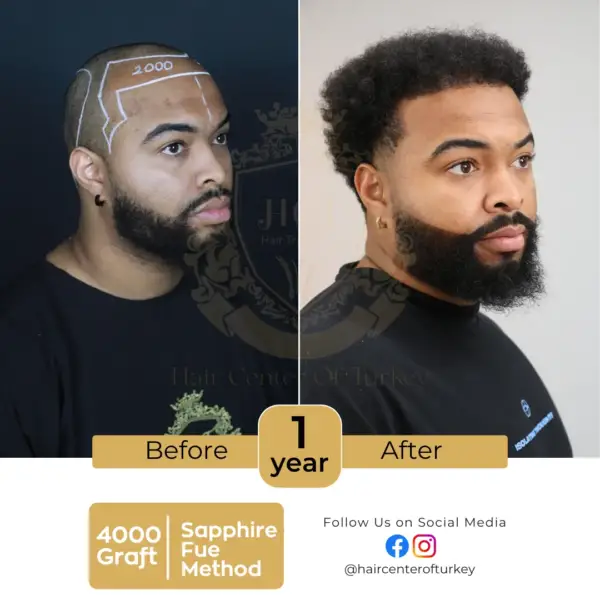
- Candidate restrictions (hair/skin characteristics): FDA-cleared indications and real-world performance often favor black or brown straight hair, where optical recognition is more reliable. Curly or very light hair can be more challenging for image-guided extraction.
- Cost and availability: Clinics need specialized equipment and training, which can raise pricing and limit access.
- Aesthetics still depend on the surgeon: Even if harvesting is consistent, naturalness is largely determined by hairline design, density distribution, and implantation technique.
ARTAS Vs Manual FUE: How To Think About The Choice
Manual FUE gives an experienced surgeon maximum flexibility, especially with varied hair characteristics, complex patterns, or detailed aesthetic goals. It can also be preferred when dealing with curly grafts or cases where optical detection is less reliable.
ARTAS can shine when the case is well-suited to image-guided extraction and the goal is consistent harvesting across a high graft count. In practice, the “right” option is usually the one that best matches the patient’s hair type, donor supply, loss pattern, and the team’s proven outcomes.
Who May Be A Good Candidate For ARTAS
ARTAS is often considered when you have:
- Stable donor density and a clearly defined donor zone
- Straight, darker hair with sufficient contrast for imaging (common eligibility factor)
- A plan that focuses on consistent donor harvesting and a clinician-led implantation strategy
A consultation should also include a medical review to rule out causes of hair loss that won’t benefit from transplant surgery.,
FAQs About ARTAS Robotic Hair Transplants
Is Artas hair transplant better?
No; ARTAS is robotic FUE, and results usually match expert manual FUE.
What is the best hair restoration method?
Best method combines diagnosis, finasteride/minoxidil for loss, and transplant when appropriate.
What is the success rate of Artas?
Reported ARTAS graft survival is often around 90% or higher in suitable patients.
What is the difference between FUE and Artas?
ARTAS is robot-assisted FUE harvesting; FUE is the extraction method, manual or robotic.
What is the best hair transplant technique in the world?
Best technique is the one expertly performed—modern FUE or FUT can both succeed.