





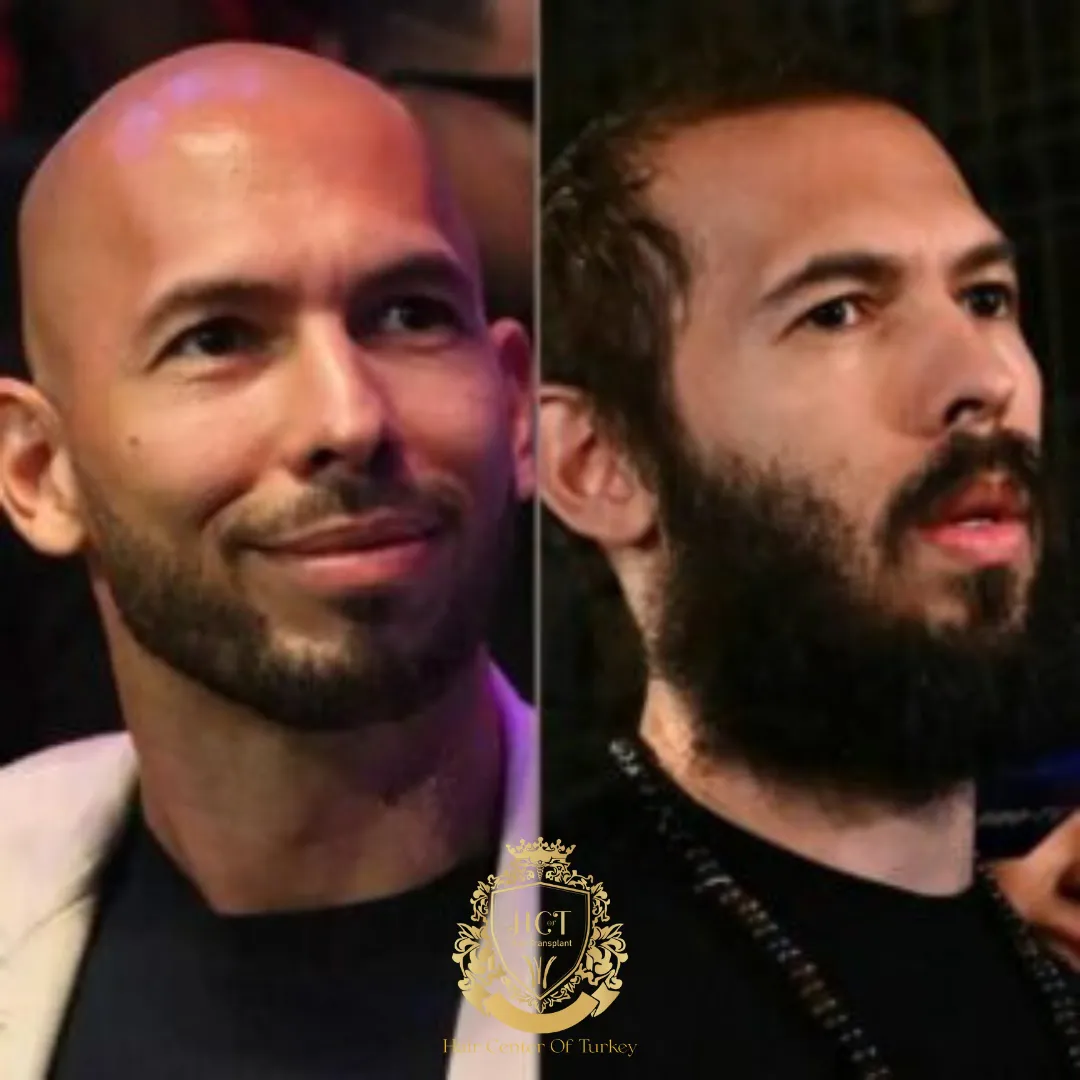
Andrew Tate Hair Transplant
There’s no verified public confirmation that Andrew Tate has had a hair transplant, so most claims online rely on photo comparisons and speculation. If you’re considering hair restoration, focus on your diagnosis, donor capacity, and a surgeon-led plan. Modern FUE or DHI can rebuild a natural-looking hairline when designed well.
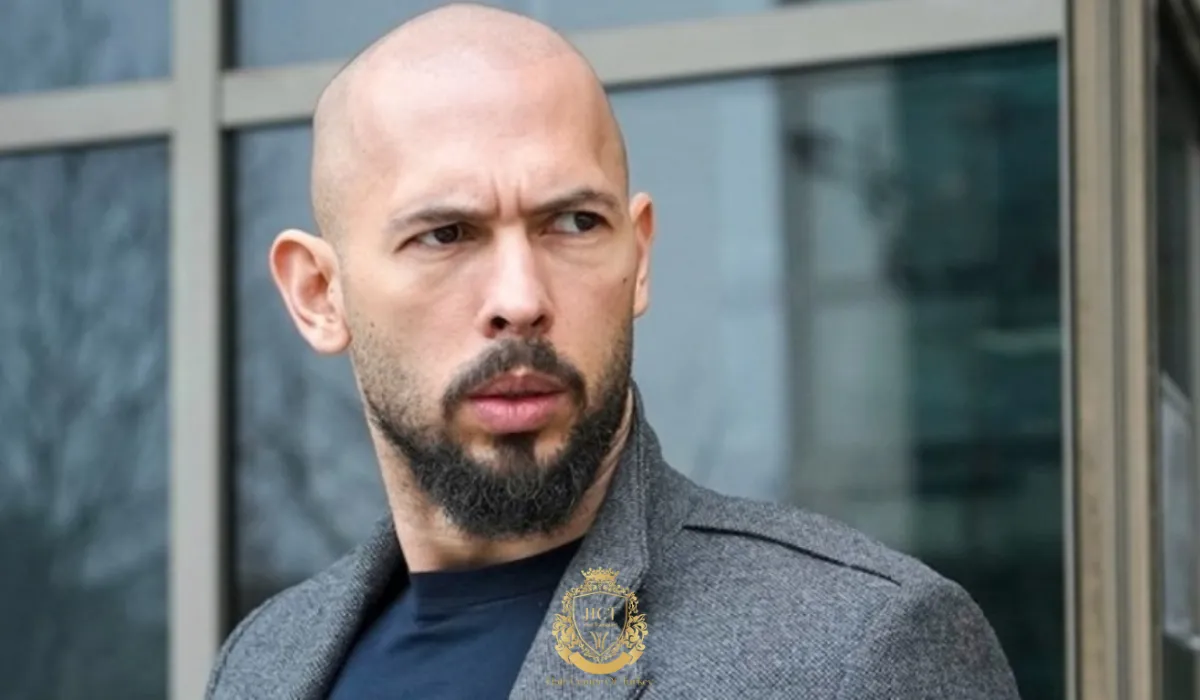
Table of Contents
What’s Actually Known About The Rumors
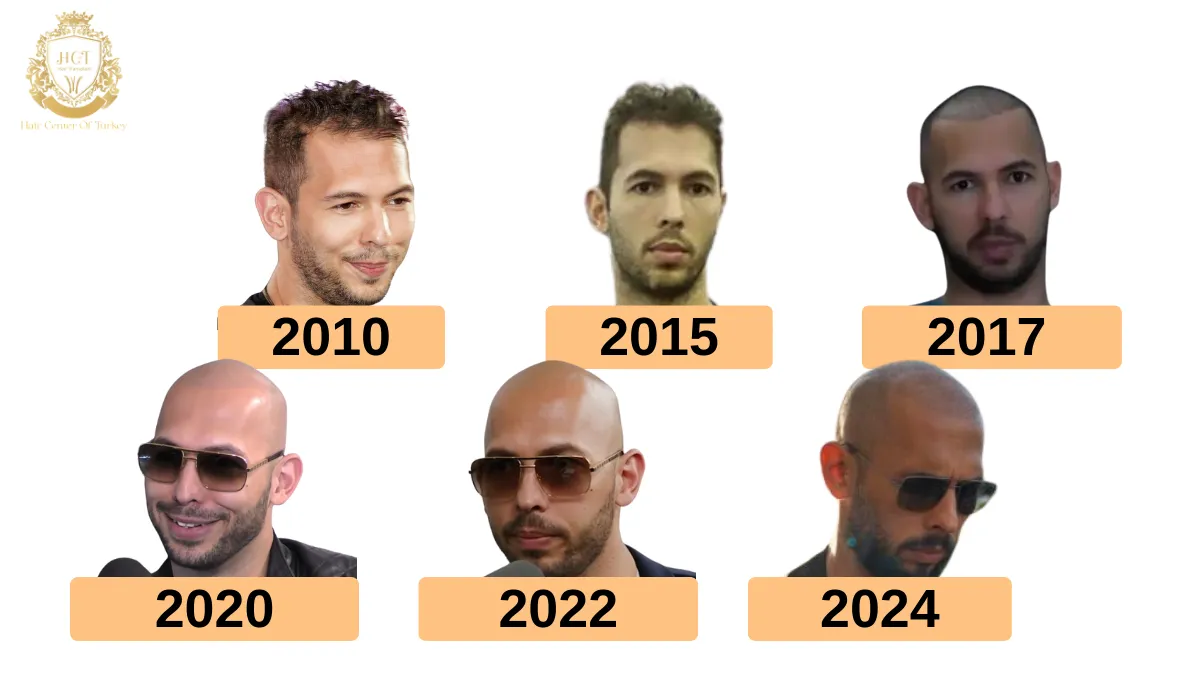
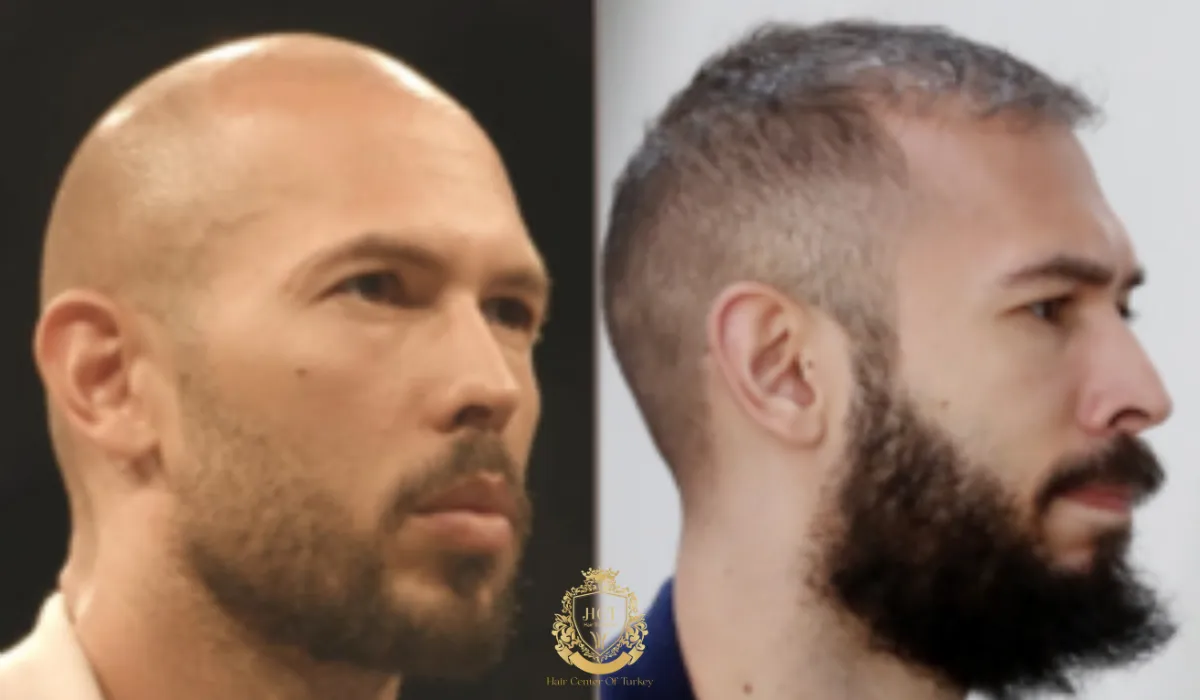
Online discussions about an “Andrew Tate hair transplant” mainly come from changes people think they see in his hairline and overall density across different photos and videos. Lighting, hair length, styling, and camera angles can make hair look dramatically fuller or thinner, so comparisons are not proof.
As of January 2026, there is no widely verifiable public statement or clinic-confirmed record that clearly confirms he underwent a procedure. Because of that, the most accurate way to talk about the topic is as unverified speculation rather than a confirmed medical timeline.

A Quick Look At Andrew Tate’s Public Profile
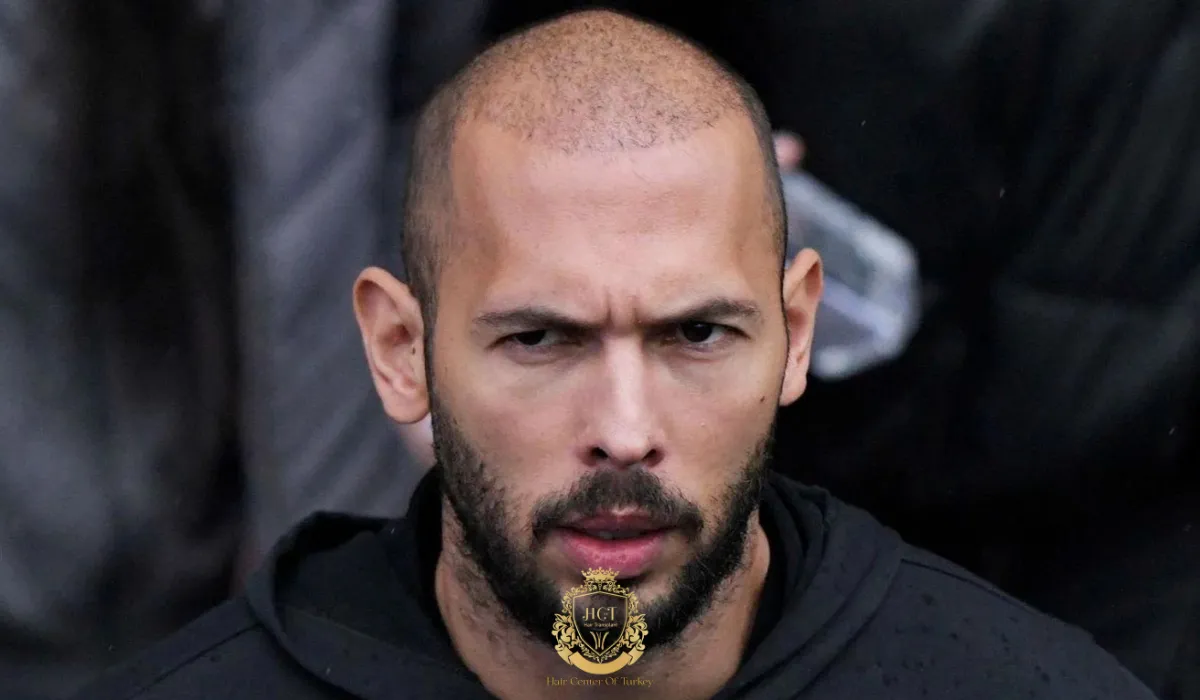
Andrew Tate is known as a former professional kickboxer and a highly visible online personality. His public image often leans into a shaved-head look, which can also make “before and after” claims hard to judge because haircut choices alone can change how the hairline appears.
If you’re reading this for your own hair loss journey, the useful takeaway isn’t what a celebrity may or may not have done. It’s understanding what a transplant can realistically achieve for your pattern of loss, hair caliber, and donor supply.

How Hair Transplants Work
FUE In Plain Terms
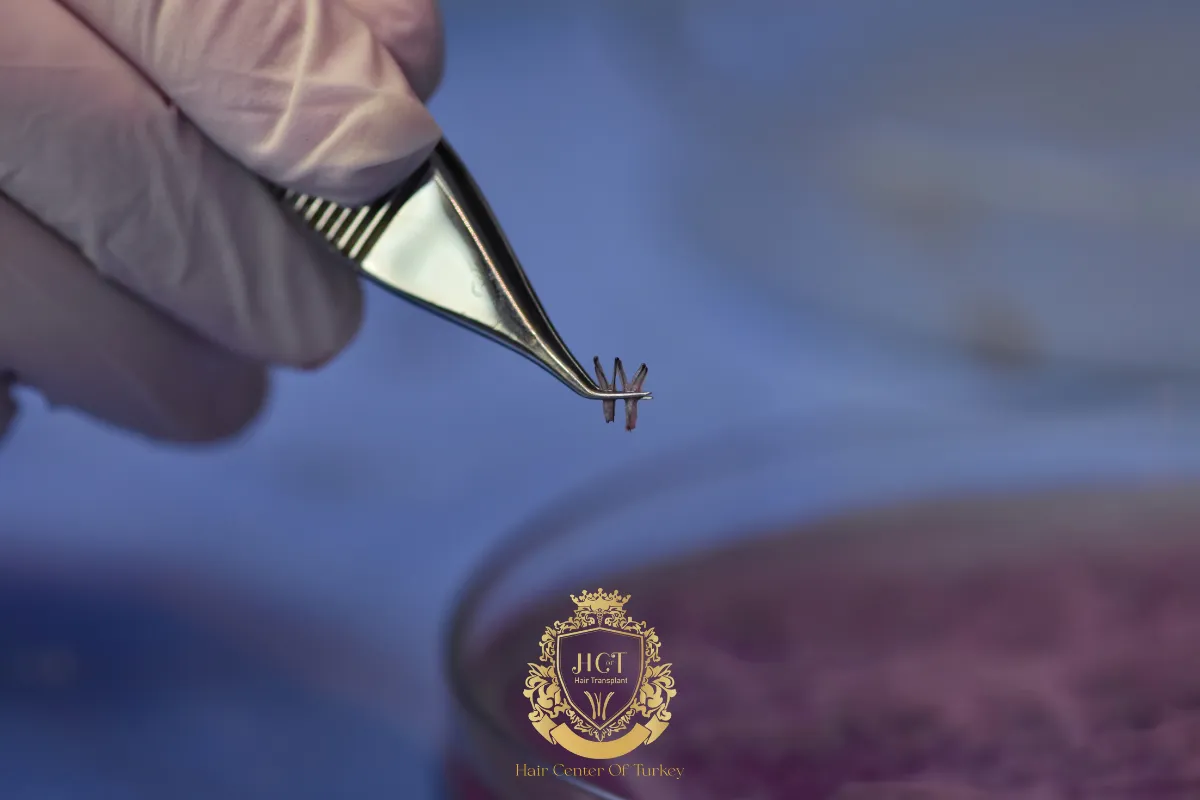
Follicular Unit Extraction (FUE) moves healthy follicles from the donor zone (usually the back and sides of the scalp) to thinning areas. The donor is typically resistant to male-pattern hair loss, so transplanted follicles can keep growing for years.
FUE doesn’t create a long linear scar, but it does leave tiny extraction points that usually fade well when performed correctly and when the donor is not overharvested.
DHI And Sapphire FUE: What The Names Mean
DHI is still an FUE-based approach, but implantation is often done with a pen-like implanter tool that can help with angle control and dense packing in select cases. Sapphire FUE refers to using sapphire blades for channel opening, which some clinics use for precision.
Technique names matter less than the fundamentals: surgeon planning, safe graft handling, donor management, and a hairline design that matches your age and facial proportions.
Why People Think A Celebrity Had A Transplant
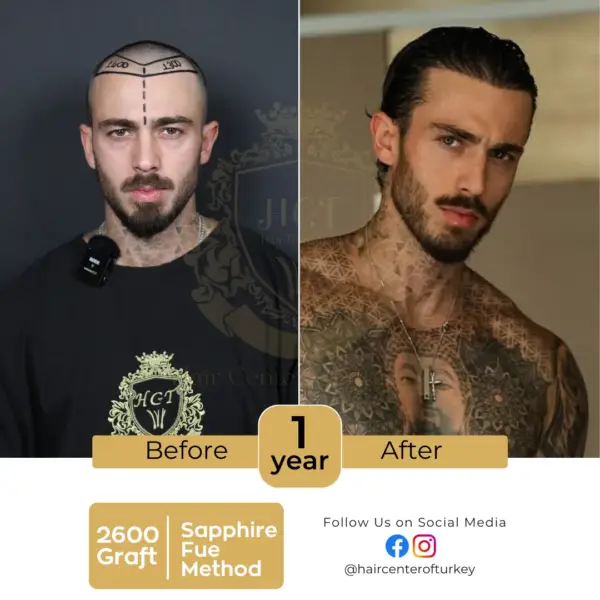
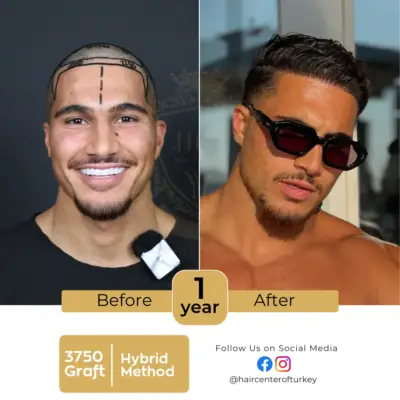
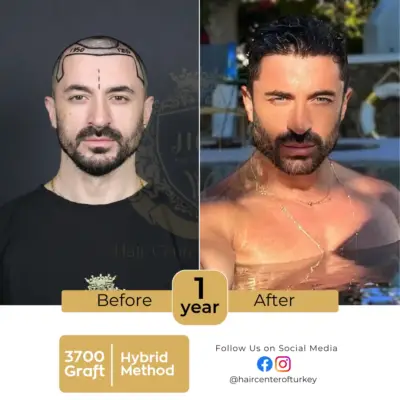
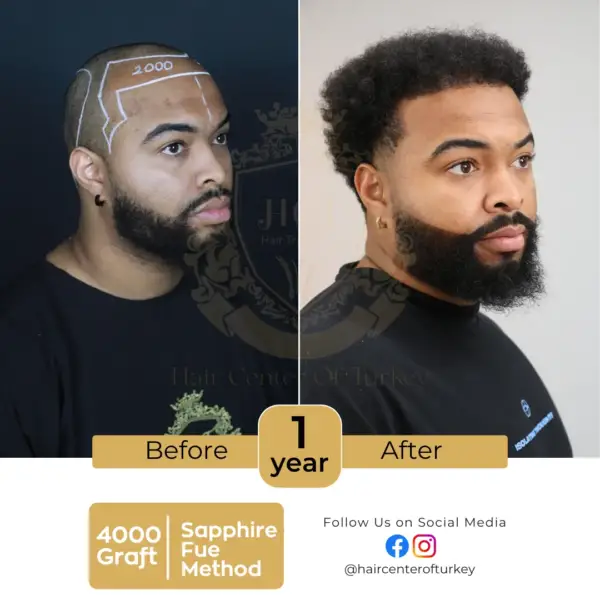
Most celebrity transplant claims follow the same pattern: a previously higher or uneven hairline appears straighter, the temple corners look filled, or the frontal density looks stronger. Those are also the exact areas many men want to restore first.
That said, similar changes can come from different choices, including a shorter haircut, scalp micropigmentation (SMP), styling fibers, or simply better camera conditions. Without confirmation, photos can’t tell you which explanation is true.
What A Realistic Hair Transplant Timeline Looks Like
A typical timeline is gradual, not instant. In the first few weeks, transplanted hairs often shed (this is normal). Early regrowth can start around the third or fourth month, with visible improvement continuing through months 6–9.
Many patients consider months 9–12 the point where results look “socially obvious,” while texture and density can keep maturing up to 12–18 months, depending on the case and technique.
What Determines Natural-Looking Results
Hairline Design
A natural hairline isn’t perfectly straight. It usually has soft, irregular micro-zigzags and a gradual transition in density at the front. Good planning also respects future hair loss, so the design still looks appropriate years later.
Age-appropriate placement matters. Chasing a teenage hairline can create an unnatural look and can waste donor grafts that may be needed later.
Donor Management
The donor area is a limited resource. Overharvesting can thin the back and sides and reduce options for future work. A responsible plan balances today’s goals with long-term stability.
This is also why “one-size-fits-all” graft numbers are misleading. A safe graft count depends on donor density, hair thickness, scalp laxity, and the size of the recipient zone.
Risks, Side Effects, And Safety Basics
A hair transplant is a surgical procedure, so it comes with real risks. Common short-term effects include swelling, redness, and temporary scalp sensitivity. Less common complications include infection, prolonged inflammation, shock loss in surrounding native hair, or uneven growth.
The strongest safety factor is a medical team that follows proper screening and a protocolled, sterile operating environment. Your consultation should cover your medical history, medications, and any bleeding or anesthesia-related risks.
Choosing A Hair Transplant Clinic In Turkey
Turkey is a major destination for hair restoration because experienced teams and all-inclusive logistics are widely available. Still, quality varies, so selection matters.
Look for surgeon involvement in planning and key steps, transparent graft estimates, clear aftercare, and before/after cases that resemble your hair type and degree of loss. Ask who performs extraction and implantation, how grafts are stored, and what happens if you need follow-up support after you return home.
FAQ
How much did Andrew Tate’s hair transplant cost?
It has not been disclosed; Andrew Tate has not confirmed that he had a hair transplant.
What happened to Andrew Tate’s hair?
He appears bald/shaved; details of a transplant or hair loss have not been publicly confirmed.
How many times did Andrew Tate have hair transplants?
Unconfirmed; there is no verified number of times Andrew Tate has had hair transplants.
Who are the most famous celebrities who have had hair transplants?
Wayne Rooney, Elton John, John Cena, Joel McHale, Joe Swash, James Nesbitt.
How many grafts did Andrew Tate receive?
Unknown; there is no confirmed graft count for Andrew Tate as there has been no confirmed surgery.