


Methods to Restore Moisture to Dry and Dull Hair
To restore moisture to dry, dull hair, cut back on heat and harsh cleansers, wash every 2–3 days, and use a rich conditioner each time. Add a weekly deep mask with oils, honey, or aloe, then seal hydration with a leave‑in. Protect hair from sun and friction, and support results with enough protein, healthy fats, and minerals.
What Are the Causes of Dry and Dull Hair?
Dryness and dullness usually come from a mix of moisture loss, cuticle damage, and product build‑up. Once you know what’s driving it, it’s much easier to pick the right routine.
- Sun, wind, cold weather, and air pollution can roughen the cuticle and fade shine.
- Heat tools and very hot water evaporate moisture and weaken the hair shaft over time.
- Harsh shampoos or frequent washing can strip natural oils, especially on curly or textured hair.
- Bleaching, coloring, perming, and relaxing can disturb the hair’s protein–moisture balance.
- Low intake of protein, iron, zinc, or omega‑3 fats may show up as brittle, lifeless hair.
- Hard water and styling product build‑up can make hair feel rough even when it’s moisturized.
If dryness is sudden, extreme, or paired with scalp itching, flakes, or hair shedding, consider checking in with a dermatologist or trichologist.
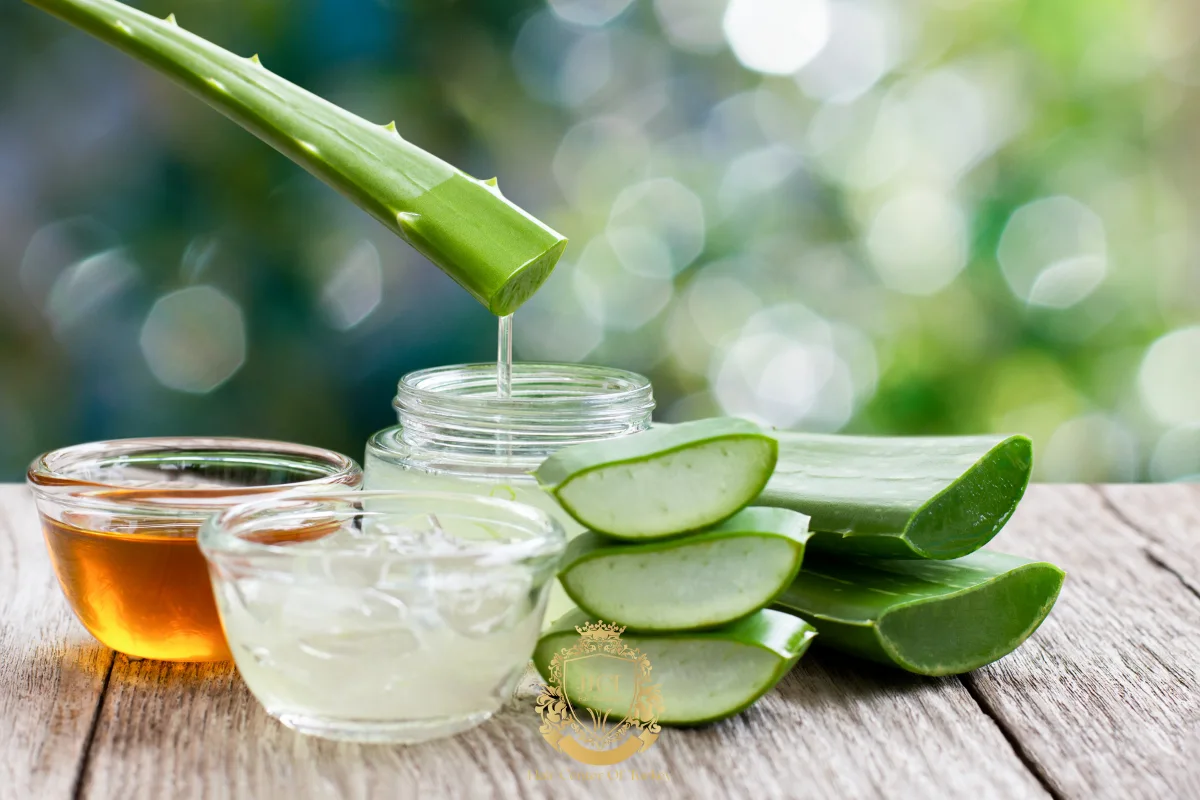
Table of Contents
At-Home Hair Moisturizing Methods
Adjust Your Wash Routine
For many people, washing every day is the fastest route to dry hair. Aim for every 2–3 days if your scalp allows, and keep water lukewarm rather than hot.
Use Conditioner Every Time
Apply conditioner from mid‑lengths to ends and leave it on for at least 2–3 minutes. If your hair tangles easily, detangle gently in the shower with a wide‑tooth comb.
Try Weekly Deep-Conditioning Masks
A weekly mask helps refill moisture and smooth the cuticle. Focus on the lengths and ends, then rinse well to avoid heaviness.
- Honey + yogurt mask: softens and helps hair hold onto water (10–20 minutes).
- Aloe vera gel: hydrates and calms the scalp (10–15 minutes).
- Egg mask: adds protein support for weak hair (keep it short, 5–10 minutes, and rinse with cool water).
Do an Oil Pre-Wash (Especially for Very Dry Ends)
Lightly coat lengths and ends with oil 30–60 minutes before shampooing, then wash as normal. This can reduce that “stripped” feeling without making the scalp greasy.
- Coconut oil for very porous hair (use a small amount).
- Argan oil for shine and frizz control.
- Olive oil for thicker, drier hair types.
Seal Hydration With Leave-In Products
After towel‑drying, use a leave‑in conditioner or moisturizing spray, then finish with a few drops of serum or oil on the ends. This helps slow moisture loss between washes.
Reduce Damage From Heat and Friction
- Use a heat protectant and keep tools at the lowest effective temperature.
- Blot hair with a microfiber towel or soft T‑shirt instead of rubbing.
- Sleep on a satin/silk pillowcase or use a loose protective style to reduce breakage.
Recommended Shampoo and Conditioner for Dry Hair
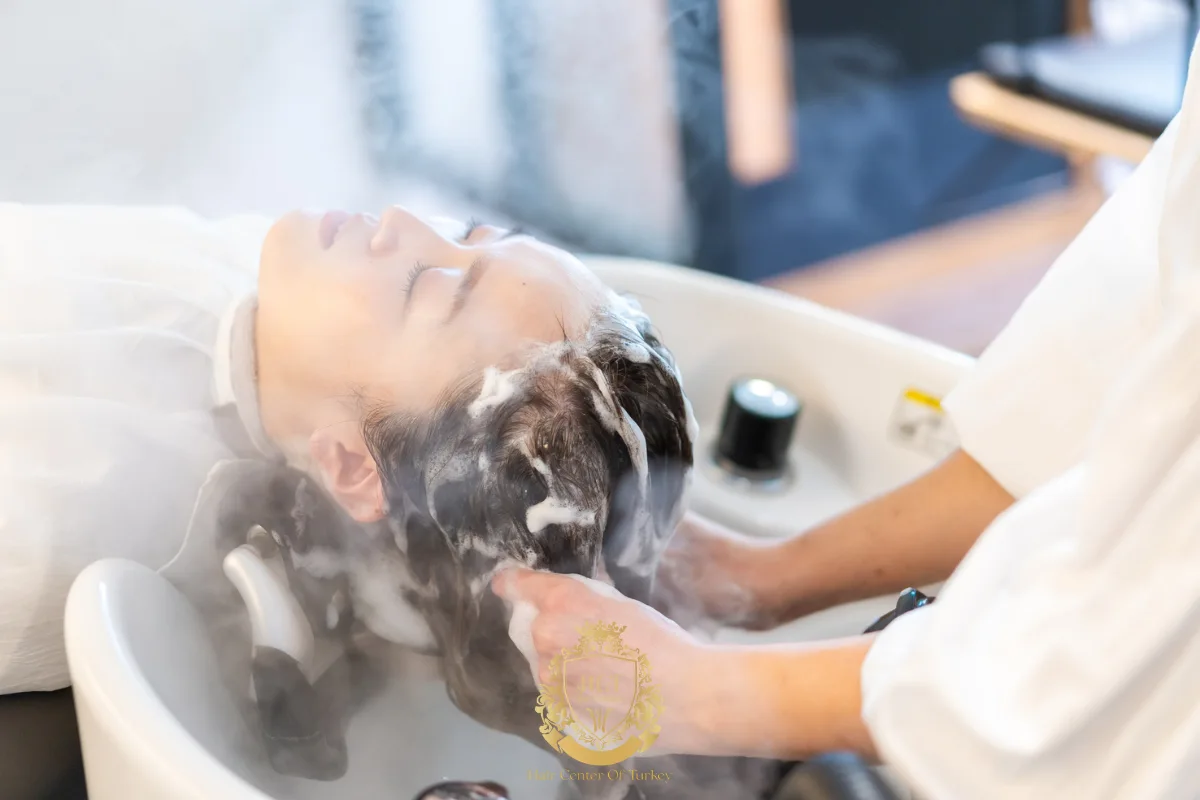
The right products should cleanse without leaving hair squeaky or stiff. If your roots get oily but ends stay dry, use a gentle shampoo on the scalp and let the suds rinse through the lengths.
What To Look For
- Sulfate‑free or low‑sulfate cleansers for a less stripping wash.
- Humectants like glycerin, panthenol, and hyaluronic acid to attract moisture.
- Emollients and oils like shea butter, argan oil, and ceramides to smooth the cuticle.
- Proteins (keratin, hydrolyzed wheat/silk) if hair feels weak or overly stretchy.
What To Use Carefully
- Alcohol-heavy styling products that can feel drying on repeated use.
- Very clarifying shampoos (use occasionally, not daily).
- Heavy butters on fine hair if they cause limpness—choose lighter conditioners instead.
If you color or bleach your hair, rotating in a bond-support or repair-focused conditioner can improve softness and reduce breakage.
Natural Solutions to Add Shine to Dull Hair
Shine comes from a smooth, flat cuticle that reflects light. These quick options can help, especially when build‑up is the main culprit.
Apple Cider Vinegar Rinse
Mix 1–2 tablespoons of apple cider vinegar into a cup of water and pour it over clean, wet hair. Leave it for 1–2 minutes, then rinse. Avoid if your scalp is irritated.
Avocado Mask
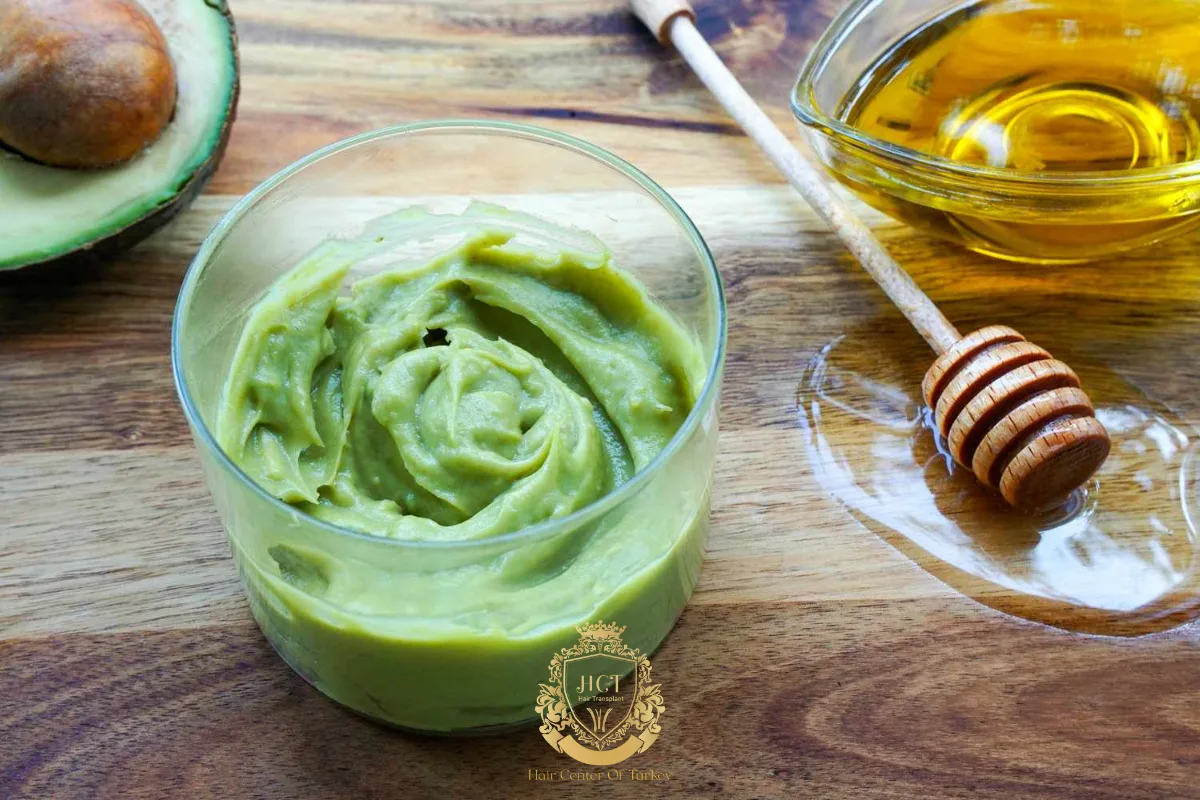
Mash ripe avocado with a small amount of olive oil or conditioner and apply to lengths for 15–20 minutes, then rinse well.
Green Tea Rinse
Brew green tea, cool it completely, and use it as a final rinse to refresh the scalp and add a soft shine.
Beer Rinse or Mask
Beer contains proteins that can temporarily boost shine. Let it go flat first, apply to lengths for a few minutes, then rinse thoroughly.
Professional Treatments for Dry and Dull Hair
If hair is severely damaged from bleach, frequent heat styling, or chemical processing, salon treatments can speed up the recovery. Results vary by hair type and how well you maintain them at home.
- Bond-building treatments: help reinforce weakened hair bonds and improve softness over time.
- Professional hydration infusions and hair spa treatments: combine masks, steam, and massage for deeper conditioning.
- Keratin or smoothing treatments: can reduce frizz and add shine, but ask about ingredients and aftercare.
- Professional oil or serum treatments: tailored blends that boost slip, shine, and manageability.
If you’re pregnant, have a sensitive scalp, or react easily to fragrances, tell your stylist before booking any chemical-based service.
Nutrition and Vitamin Support for Dry Hair
Hair responds to what you do outside and what you provide from the inside. If your diet is inconsistent, you may notice more breakage, slower growth, and a dull finish.
- Protein: supports keratin structure (eggs, fish, legumes, yogurt).
- Omega‑3 fats: help with softness and scalp comfort (salmon, walnuts, chia).
- Iron and zinc: low levels can affect hair quality (red meat, lentils, pumpkin seeds).
- Vitamin D and B12: support overall hair and scalp health—deficiencies are common and worth testing.
FAQs About Methods to Restore Moisture to Dry and Dull Hair
How to restore moisture to extremely dry hair?
Deep-condition weekly, use leave-in conditioner, seal with oil, and limit heat.
How to fix dull and dry hair?
Clarify buildup monthly, then hydrate with conditioner, mask, and shine serum.
How to improve dry, dull hair?
Switch to sulfate-free shampoo, add protein/moisture masks, and trim split ends.
How to rejuvenate dry, damaged hair?
Repair with bond-building treatment, moisturize, minimize heat/bleach, and get regular trims.
How to fix hair that feels like straw?
Stop over-washing, detangle gently, deep-condition, and use silicone serum for slip.
Explore the complete guide: Hair Care and Products