

Best Tips To Prevent Hair Frizz
Hair frizz happens when the cuticle lifts and hair pulls moisture from the air. To prevent it, focus on hydration and protection: cleanse gently, condition well, use a leave-in plus an anti-frizz serum, dry with low friction, and limit heat. Finish with a light oil or cream to seal in smoothness, especially in humid weather.
Why Hair Becomes Frizzy
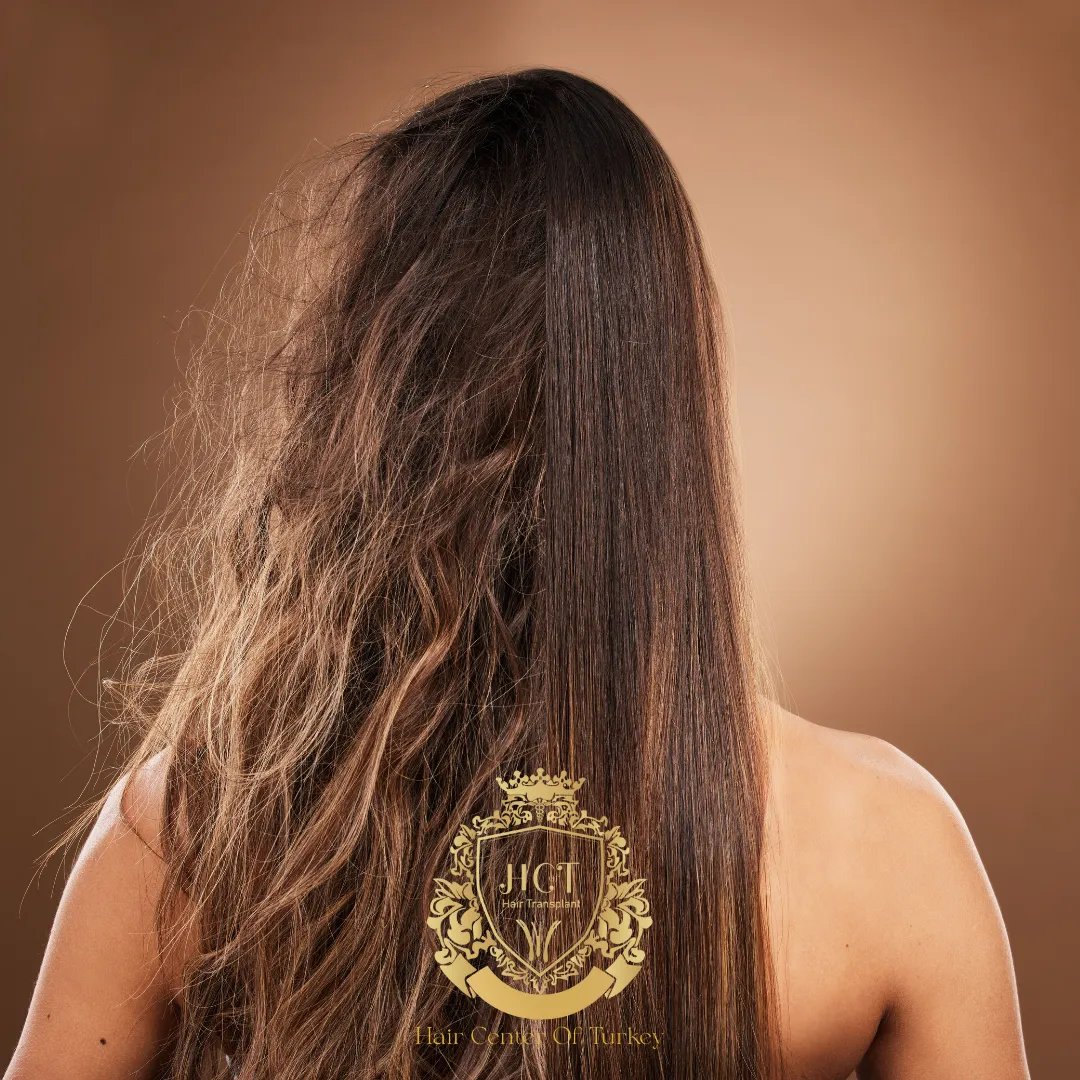
Frizz is a sign that the hair’s outer layer (the cuticle) isn’t lying flat. When the cuticle lifts—often from dryness, damage, or rough handling—hair becomes more porous and reacts to humidity. The result is swelling, uneven texture, and flyaways that are hard to control.
Curly and wavy hair tends to frizz more because natural oils travel down the strand less easily. Coloring, bleaching, chemical straightening, frequent heat styling, and harsh shampoos can all make the cuticle rougher. Once you address moisture and minimize damage, frizz becomes much easier to manage.
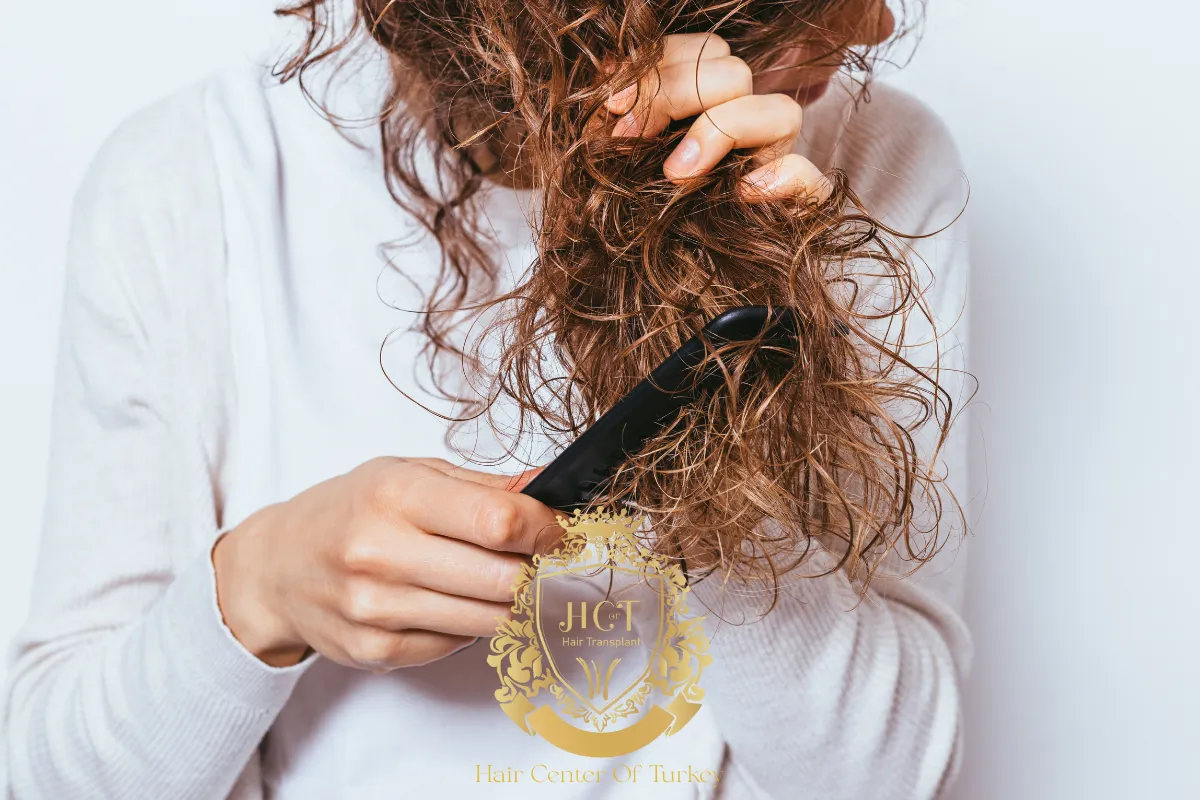
Table of Contents
How Moisturizing Products Help With Frizz
Hydration is the foundation of frizz control. A moisturizing shampoo and a rich conditioner help soften the cuticle so hair sits flatter and reflects more light. Look for humectants (like glycerin or panthenol) paired with conditioning agents and gentle cleansing ingredients.
If your hair is very dry or chemically treated, add a weekly deep-conditioning mask. Leave-in conditioners are also useful because they keep moisture in the hair between washes. Apply leave-in to damp hair, then layer a cream or serum on top to lock it in.
Heat Styling Without Creating More Frizz
Heat tools can make hair look smooth in the moment, then frizzier later by drying out the strand. If you blow-dry, use a heat protectant every time and keep the temperature as low as your hair can handle. Aim the nozzle down the hair shaft and finish with a cool shot to help the cuticle settle.
For flat irons and curling wands, keep passes to a minimum and avoid using them on soaking-wet hair. If you style often, consider heatless options on low-frizz days—braids, rollers, or twist-outs can create shape with far less damage. Healthy, hydrated hair holds styles better, so you won’t need as much heat to begin with.
Daily Habits That Prevent Hair Frizz
Small routine tweaks add up fast. These habits reduce friction, protect moisture, and keep hair smoother day to day:
- Detangle with a wide-tooth comb or a detangling brush designed for wet hair.
- Use lukewarm water when washing, then rinse with cooler water to help reduce cuticle swelling.
- Blot hair with a microfiber towel or a soft cotton T-shirt instead of rubbing with a regular towel.
- Sleep on a silk or satin pillowcase to reduce friction and morning frizz.
- Refresh frizz with a little water plus a leave-in conditioner rather than piling on heavy products.
If you wash daily, consider spacing out full shampoos and using a gentle co-wash or just conditioner on some days. Over-cleansing can strip natural oils and leave hair dry. On the other hand, heavy buildup can also cause dullness and frizz, so keep your routine balanced.
Do Hairstyles Affect The Level Of Frizz?
Yes. Styles that create friction or tension can make frizz worse, especially on already-dry hair. Loose braids, buns, and low ponytails tend to be kinder because they reduce rubbing and limit exposure to wind and humidity. If you wear hair up, use a soft scrunchie or a spiral hair tie to avoid breakage.
For curls, protective styles and defined styling techniques help a lot. Apply styling products in sections on damp hair, then avoid touching it while it dries. Once fully dry, gently scrunch out any crunch with a drop of oil to keep definition without fluff.
Natural Remedies For Frizz Control
Natural ingredients can support frizz control when they’re used in a simple, consistent way. They work best as part of an overall routine—not as a one-time fix.
- Aloe vera gel: A light option for slip and hydration. Apply a small amount to damp hair, focusing on mid-lengths and ends.
- Coconut oil: Good for very dry hair in small amounts. Use as a pre-wash treatment or smooth a tiny amount over ends.
- Argan or jojoba oil: Lightweight oils that add shine and help seal the cuticle without weighing hair down.
- Apple cider vinegar rinse: Can help reduce buildup and add shine when diluted well. Use occasionally, not daily.
If you try a new ingredient, patch test first and start with less than you think you need. Too much oil or gel can leave hair limp and make frizz look worse by emphasizing buildup. A light hand usually wins.
Quick Troubleshooting: When Frizz Won’t Quit
If frizz shows up no matter what you do, the cause is usually one of these: humidity, damage, or product mismatch. In humid weather, choose products that offer humidity resistance and finish with a serum or light oil. If hair feels rough, focus on repair—reduce heat, trim split ends, and use a mask weekly.
If hair feels coated or sticky, clarify once in a while, then follow with conditioner. Also check your technique: applying products to hair that’s too wet can dilute them, while applying to hair that’s too dry can cause patchy frizz. Damp hair is usually the sweet spot for most leave-ins and creams.
FAQs About Preventing Hair Frizz
How do I stop my hair from frizzing?
Moisturize with conditioner, avoid heat, use microfiber towel, and apply anti-frizz serum.
What stops frizzy hair naturally?
Argan or coconut oil, aloe vera, and regular deep-conditioning reduce frizz naturally.
How to cure extremely frizzy hair?
You can’t permanently cure frizz; repair damage, hydrate, trim split ends, protect humidity.
How do I train my hair to be less frizzy?
Build a routine: gentle cleansing, consistent conditioning, minimal brushing, and protective styling.
What is the root cause of frizzy hair?
Frizz comes from dry, porous cuticles absorbing humidity, often worsened by damage.
Explore the complete guide: Hair Styling and Color