


What Are the Best Hair Transplant Clinics in Colorado Springs?
Colorado Springs has a few reputable options for hair transplant consultations, but many surgical teams are based along the Front Range (often in the Denver area). The “best” clinic for you is the one led by an experienced hair-restoration physician, with transparent pricing, realistic graft planning, and strong before-and-after results on patients similar to you.

Table of Contents
Hair Transplants in Colorado Springs
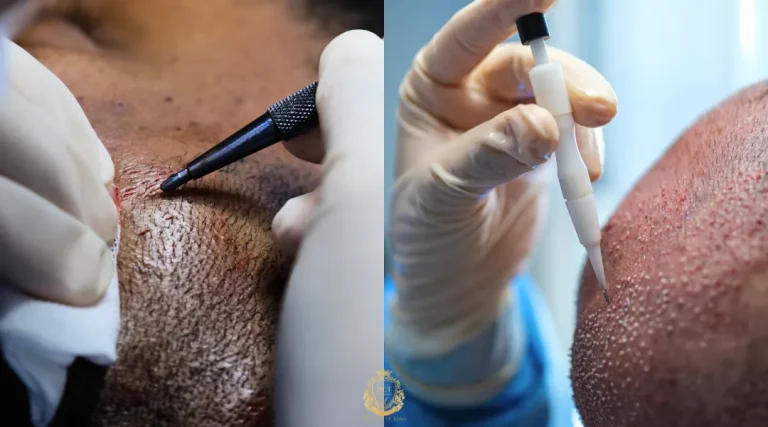
Hair transplantation is an outpatient procedure that moves hair follicles from a donor area (usually the back of the scalp) into thinning or bald areas. Clinics in and around Colorado Springs typically offer modern techniques such as FUE (follicular unit extraction), and some also advertise DHI-style implantation. The right technique depends on your pattern of hair loss, donor density, hairstyle goals, and budget.
How to choose a clinic (and avoid costly mistakes)
Confirm who performs the surgery
Ask who designs the hairline, extracts grafts, and places grafts. The most consistent outcomes come from teams where a dedicated, qualified physician is directly involved in the key surgical steps and follow-up care.
Look for hair-restoration experience, not just a long services menu
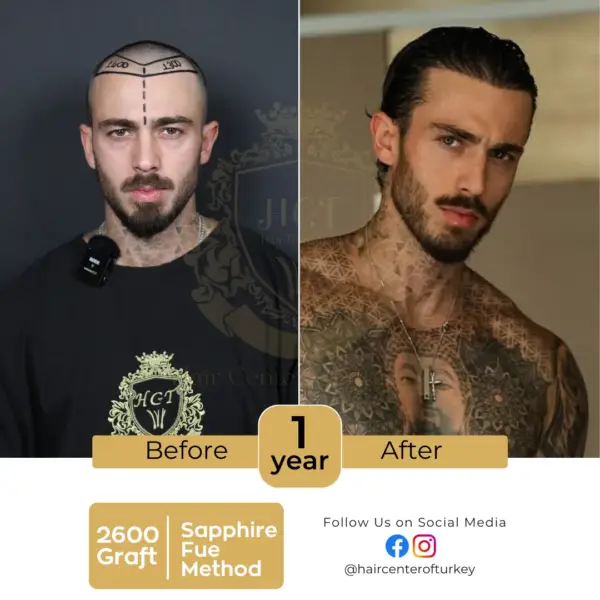
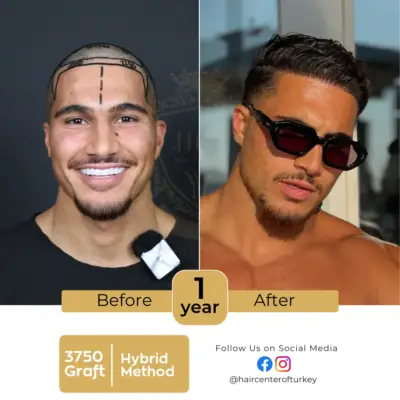
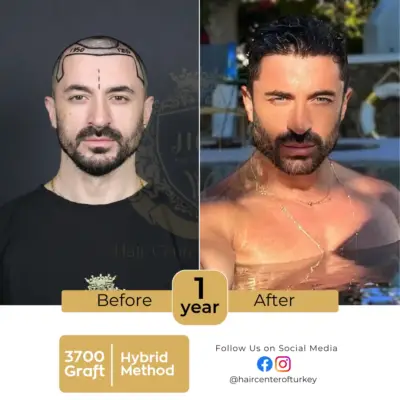
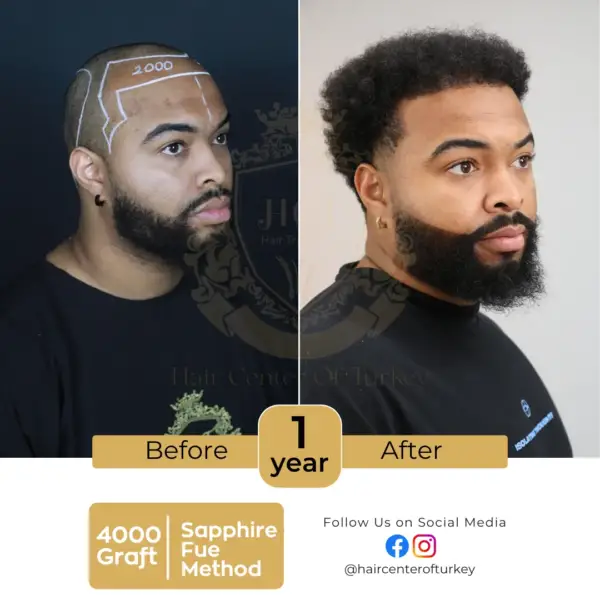
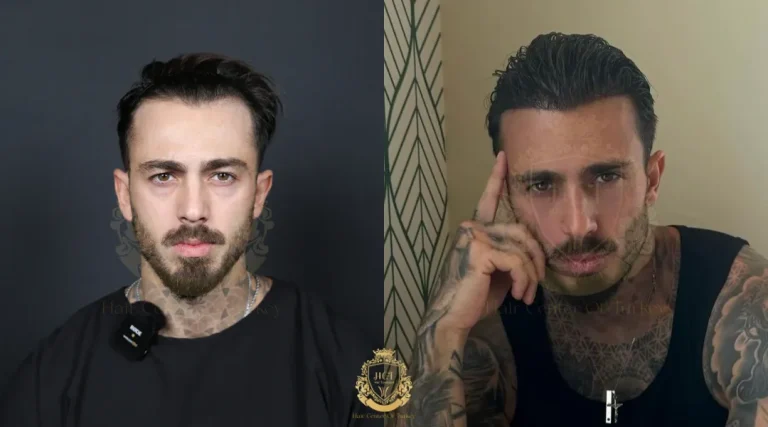
Hair transplantation is detail-driven work. Prioritize clinics that do hair restoration routinely and can show many cases over time, including “after” photos taken at 9–12+ months.
Review before-and-after cases that match your situation
Look for similar hair type (straight/curly), skin tone, degree of loss, and hairline design. Ask how many grafts were used in each example so you can compare results realistically.
Ask about planning for future hair loss
A good plan protects your donor area. The clinic should discuss medical therapy (when appropriate), likely progression, and how today’s design will look in 5–10 years.
Check communication and aftercare
You should receive written instructions, easy access to the clinical team, and a clear follow-up schedule. If you’re traveling, confirm how they handle questions or concerns after you return home.
Clinics offering hair transplant consultations in or near Colorado Springs
Below are examples of providers that publicly list hair transplant services in Colorado Springs or nearby. Availability, techniques, and surgeons can change, so treat this as a starting point and verify details during a consultation.
Hair Center of Turkey
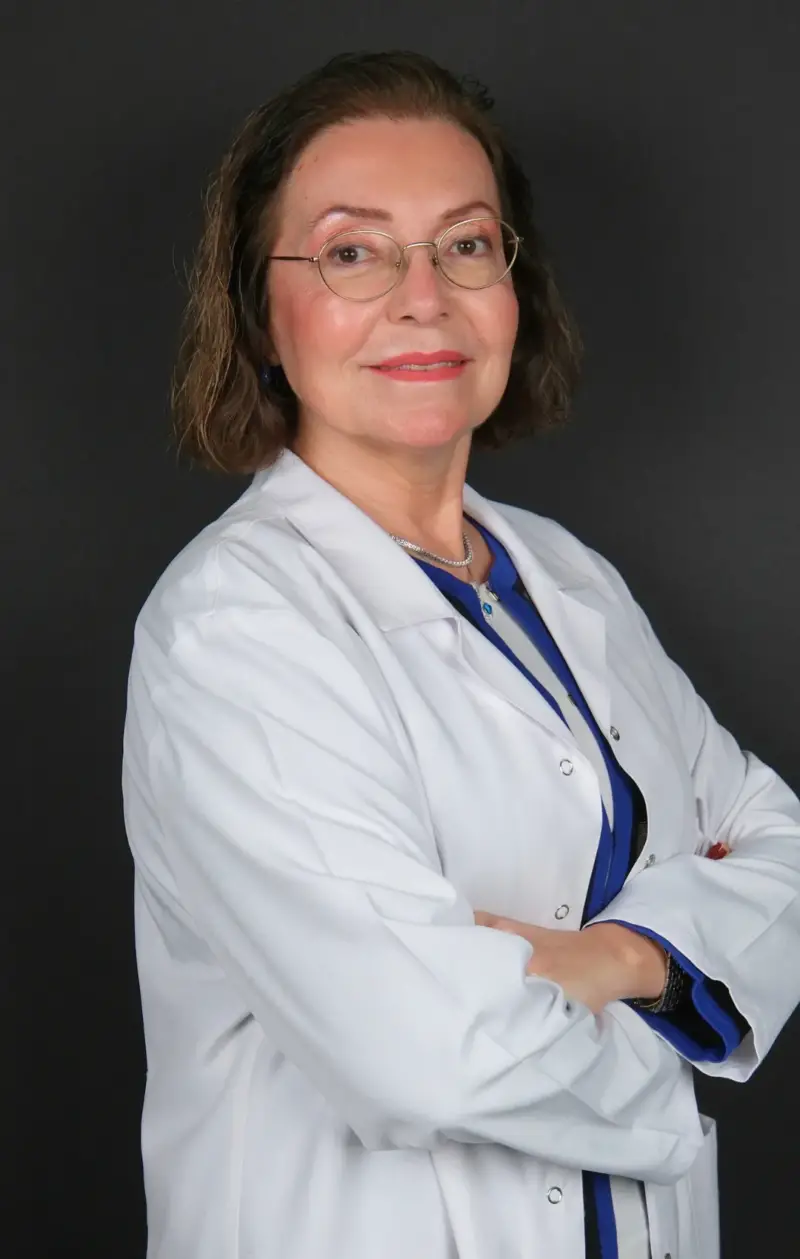
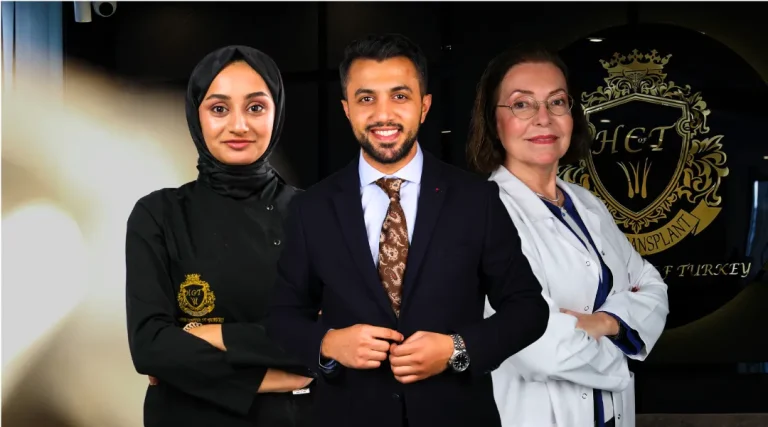
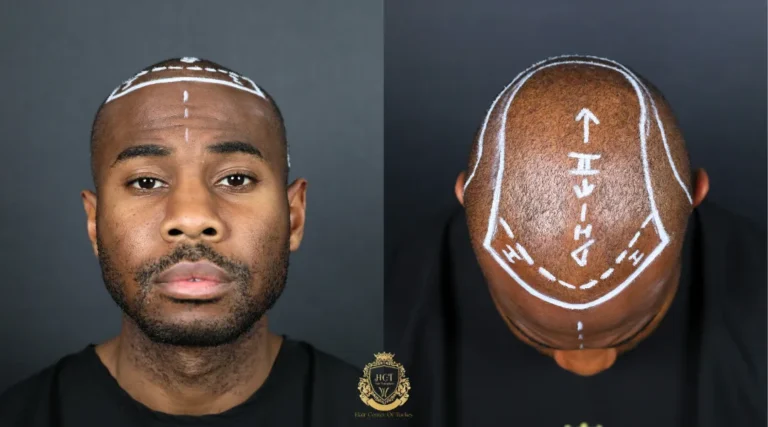
Hair Center of Turkey is a physician-led hair transplant clinic based in Istanbul, treating patients from the U.S. and Europe. The clinic is known for advanced FUE and DHI techniques, personalized planning, and comprehensive aftercare. Many international patients begin with an online consultation to receive a graft estimate and treatment plan before traveling.
Lygos Clinic
Lygos Clinic offers hair transplant consultations and procedures with a focus on natural hairline design and modern FUE-based techniques. International patients typically start with a remote consultation to discuss candidacy, graft numbers, and recovery planning, followed by an in-clinic procedure in Istanbul.
Advanced Hair Restoration (Colorado Springs)
Advanced Hair Restoration lists a Colorado Springs location and features hair transplant services led by Tania Pauls, M.D. Use your consult to confirm technique options, who performs each step, and a graft estimate tailored to your hair loss pattern.
RESTORE Hair (Colorado Springs)
RESTORE Hair publishes a Colorado Springs page describing FUE-based hair restoration services and its physician team. Ask about the local surgical schedule, the lead surgeon for your case, and what post-op support looks like if you live outside the city.
If you’re open to nearby Denver options
Some national brands and specialty practices operate in the Denver area rather than Colorado Springs. For example, Bosley lists a Colorado location in Greenwood Village (Denver metro). If you’re comparing clinics across cities, factor in travel, follow-up visits, and who will be available if you need in-person care.
What to expect during a hair transplant
Most patients start with an in-person or video consultation where the clinic reviews your medical history, examines your donor area, and estimates the number of grafts needed. On procedure day, you’ll typically be awake with local anesthesia, and the session can take several hours depending on graft count. Visible scabs usually clear within 7–14 days, while meaningful growth is commonly assessed at 6 months and 9–12 months.
FUE vs FUT vs “DHI” in plain English
FUE (Follicular Unit Extraction)
Individual follicular units are removed from the donor area and transplanted into recipient sites. It usually avoids a linear scar, and many patients prefer the shorter haircut flexibility after healing
FUT (Follicular Unit Transplantation / strip)
A thin strip is removed from the donor area and dissected into grafts. It can be efficient for high graft numbers, but it leaves a linear scar and requires sutures or staples.
“DHI” (Direct Hair Implantation)
In many clinics, DHI refers to placing grafts with an implanter pen rather than forceps. It’s best to focus less on the label and more on the surgeon’s planning, graft handling, and the team’s track record with your hair type.
How much does a hair transplant cost in Colorado Springs?
Pricing varies widely based on graft count, technique, surgeon involvement, and whether the quote is per graft or per session. Some published estimates put Colorado averages around the mid-$5,000s to mid-$6,000s for FUT and FUE, but many patients pay more for larger sessions or highly specialized teams. In most cases, hair transplantation is considered elective, so insurance typically doesn’t cover it. The most accurate number comes from an in-person evaluation with a written, itemized quote.
FAQs
How much do hair transplants cost in Colorado?
Colorado hair transplants typically cost about $6,000–$7,000, varying by technique and grafts.
How to choose the best hair transplant clinic?
Choose a board-certified hair-restoration surgeon, verified results, transparent graft plan, and strong follow-up care.
How much do 5000 hair grafts cost in the USA?
In the USA, 5,000 grafts often cost $15,000–$40,000, depending on clinic.
Which city is best for hair transplant?
Istanbul is the most popular hair-transplant hub, but surgeon quality matters more.
Which country is the safest for hair transplant?
Your home country is usually safest, with clear regulations and accessible follow-up care.
Explore the complete guide: United States Hair Transplant Locations