


Best Hair Transplant Clinics in Atlanta
Atlanta has several reputable hair restoration practices, but the “best” clinic depends on your hair-loss pattern, donor supply, budget, and the surgeon’s approach. Start by verifying medical credentials, reviewing consistent before-and-after results, and comparing technique options (FUE, FUT, and DHI-style implantation) plus follow-up care. The guide below highlights well-known Atlanta-area clinics and what to look for.

Table of Contents
How to choose a hair transplant clinic in Atlanta
Focus on clinical quality first, then price. A strong clinic will be transparent about who performs each step, what technique fits your case, and what results you can realistically expect.
- Surgeon credentials: look for board certification and hair-restoration training (for example, ABHRS/ISHRS involvement where applicable).
- Who does the work: ask whether the physician designs the hairline, makes recipient sites, and performs extractions—or whether tasks are delegated.
- Documented results: review multiple cases with a similar hairline pattern, hair caliber, and skin tone to yours.
- Post-op support: confirm follow-ups, washing instructions, medication guidance, and how complications are handled.
Clear pricing: get a written quote that defines graft range, anesthesia, aftercare, and any PRP or add-ons.
Common hair transplant methods used in Atlanta
FUE (Follicular Unit Extraction)
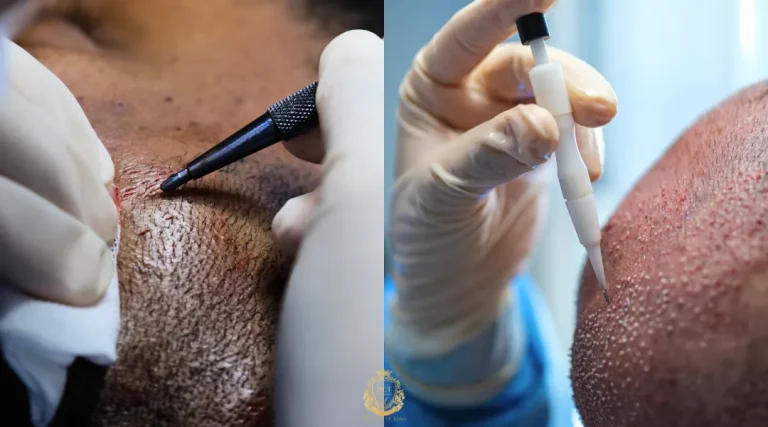
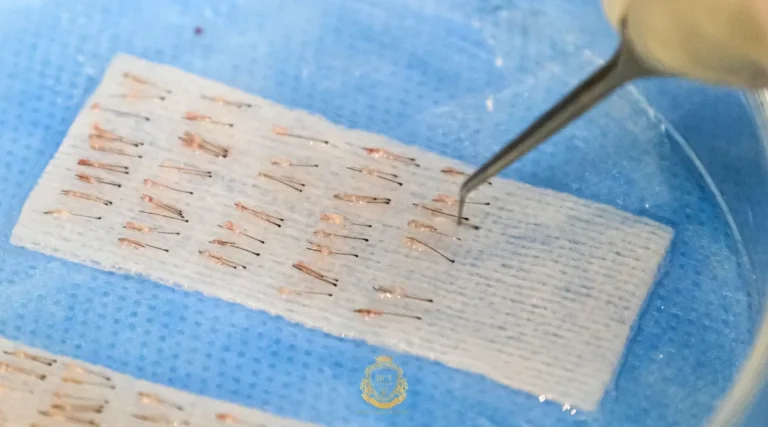
FUE removes individual follicular units from the donor area and places them in thinning areas. It avoids a linear strip scar and is popular for short hairstyles, though it can be time-consuming and is highly technique-dependent.
FUT (strip method)
FUT removes a narrow strip from the donor area and dissects it into grafts. It can be efficient for larger sessions but typically leaves a linear scar and may require a longer healing period.
DHI-style implantation
“DHI” usually refers to the implantation method (often using a pen-style implanter) rather than a completely separate harvesting technique. Many clinics pair DHI-style placement with FUE harvesting when density and direction control are priorities.
Robotic-assisted FUE (e.g., ARTAS)
Some Atlanta-area practices offer robotic-assisted extraction to standardize parts of the FUE process. Even with robotics, surgical planning and placement quality still depend heavily on the medical team.
Well-known hair transplant clinics in the Atlanta area
The options below are widely known around metro Atlanta and publish information about their physicians and services. This is not a ranked list; availability and fit vary by patient.
Hair Center of Turkey (Istanbul, Turkey – International Patients from Atlanta)
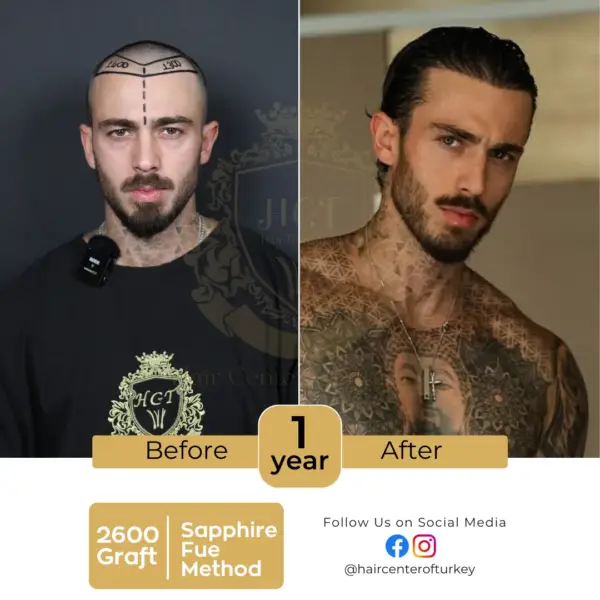
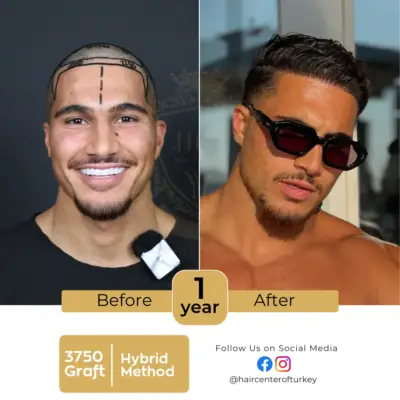
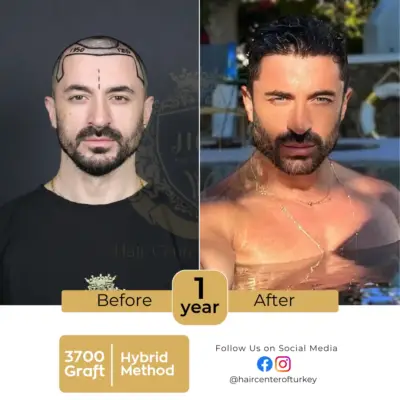
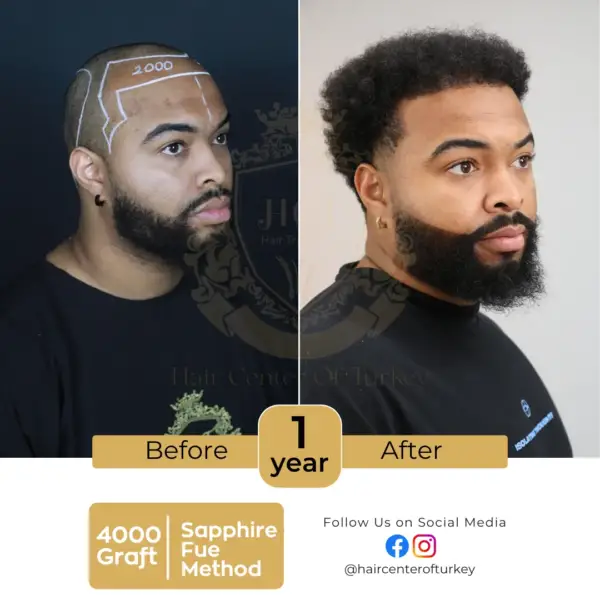
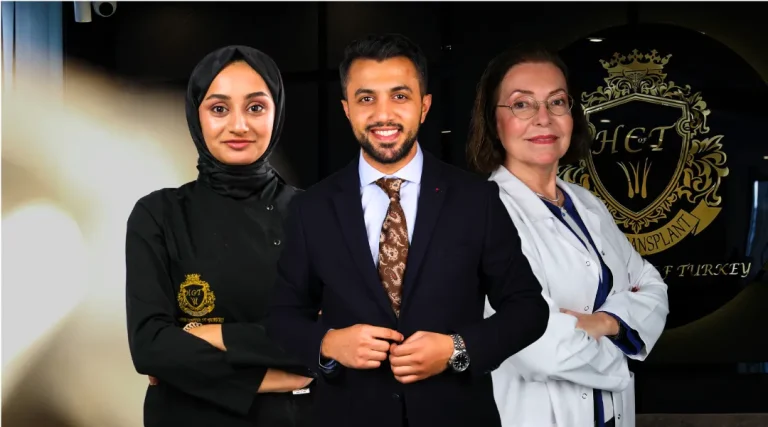
Hair Center of Turkey is internationally recognized for high-volume FUE and DHI hair transplant procedures performed by experienced medical teams. Many patients from the Atlanta area travel to this clinic for its medically led approach, natural hairline design, and all-inclusive medical tourism packages that often combine surgery with hotel accommodation, transfers, and aftercare coordination.
Lygos Clinic (Istanbul, Turkey – International Patients from Atlanta)
Lygos Clinic is known for a premium, boutique-style approach to hair transplantation and aesthetic procedures. International patients from Atlanta often consider Lygos for its personalized treatment planning, modern FUE techniques, and emphasis on donor-area preservation and natural density outcomes in smaller, carefully selected cases.
Anderson Center for Hair (Atlanta)
Known locally for surgical hair restoration services, including FUE and FUT options, with an emphasis on individualized planning and natural hairline design.
Bosley Hair Restoration – Atlanta (Buckhead)
A long-established U.S. brand offering consultations and surgical hair restoration through its Atlanta office. Patients who prefer a national network often consider Bosley for standardized processes and broad availability.
Hair Medicine Institute (Alpharetta)
A dermatologist-led practice focused on diagnosing hair loss conditions and offering surgical restoration when appropriate. This can be helpful if you want a medical workup for shedding, inflammation, or scarring alopecia before committing to surgery.
Hair Restoration Specialists of Atlanta (Sandy Springs)
A metro-Atlanta option with a focus on surgical and non-surgical hair restoration services. If you are comparing “no-shave” or low-visibility recovery approaches, ask what candidacy looks like and what tradeoffs to expect.
Hair Restoration Institute of Georgia (Peachtree City)
A regional clinic serving the greater Atlanta area, with published information about robotic FUE (ARTAS) and other hair restoration options.
ForHair (Alpharetta)
An Alpharetta-based clinic that positions itself around advanced FUE techniques and repair work. This may be relevant if you’re exploring revision cases or want a consult on donor management strategy.
What a consultation and procedure usually look like
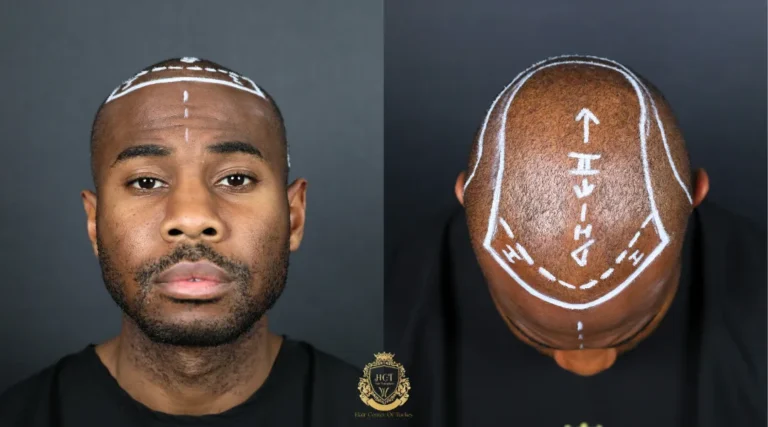
Most clinics begin with an in-person or virtual consultation to evaluate hair loss pattern, donor density, and medical history. If you’re a candidate, you’ll receive a graft estimate, hairline plan, and a discussion of the technique best suited to your goals.
On procedure day, surgery is typically done under local anesthesia and can take several hours, depending on graft count. After placement, you’ll leave with detailed care instructions covering washing, sleeping position, and activity limits for the first week.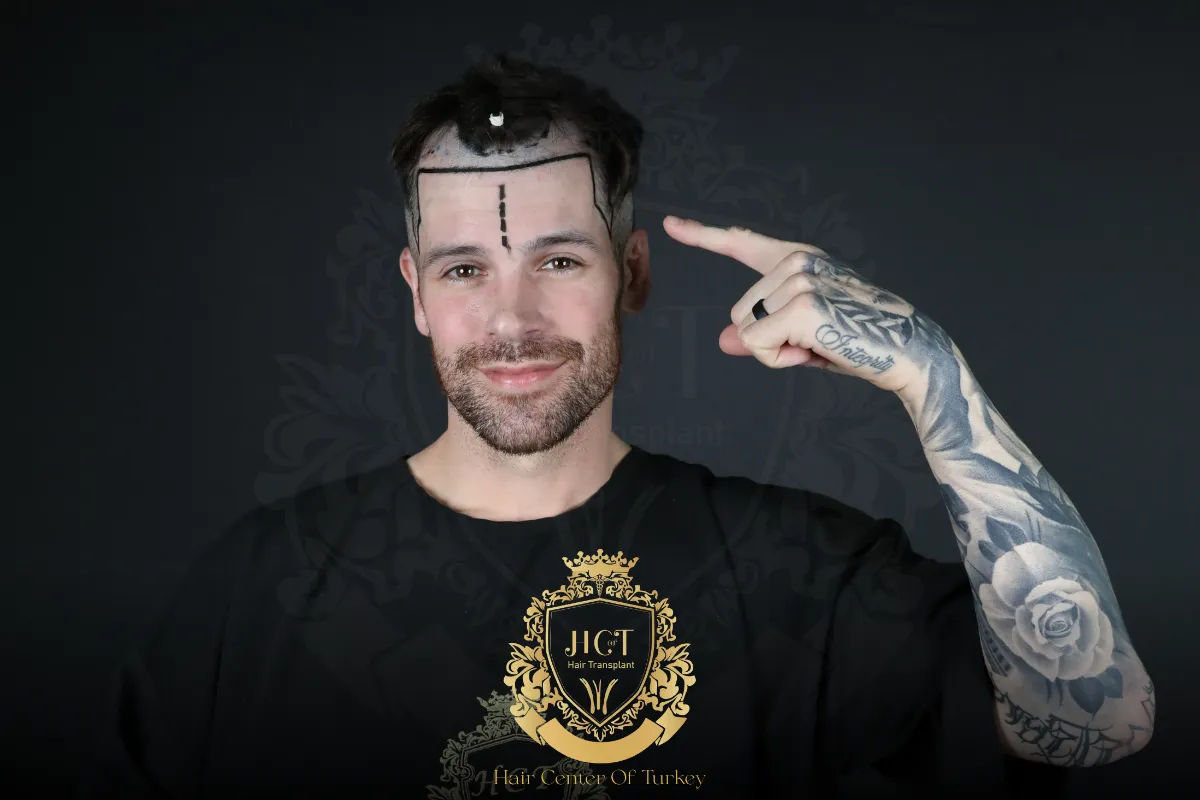
Recovery timeline and when results appear
- Days 1–7: swelling and small scabs are common; clinics usually recommend gentle washing and avoiding friction.
- Weeks 2–6: many patients experience temporary shedding (“shock loss”) of transplanted hairs.
- Months 3–4: early regrowth may start; texture can be finer at first.
- Months 6–9: visible density improves for most patients.
- Months 9–12: results typically look more mature, with continued refinement in some cases.
Typical cost of a hair transplant in Atlanta
Pricing varies with graft count, technique, surgeon time, and what’s included in aftercare. In the Atlanta area and the broader U.S. market, many patients see total costs in the mid-to-high four figures to five figures for a single procedure.
- General range often quoted by clinics: roughly $4,000 to $20,000 depending on case size and complexity.
- Common “average” ranges reported in consumer health coverage: around $6,000 to $12,000, with larger cases exceeding that.
The most accurate way to compare prices is to request written quotes that specify the estimated graft range, the surgical team’s role, anesthesia, and follow-up visits.
Questions to ask before you book
- Which parts of the procedure does the physician personally perform?
- How many grafts do you estimate—and what happens if the final count is different?
- Can I see multiple results for patients with a similar pattern and hair type?
- What is your plan for the donor area so I still have options later?
- What does aftercare include (follow-ups, washing support, medications, PRP)?
- If I’m not a candidate, what non-surgical treatments do you recommend and why?
Travel tips for patients visiting metro Atlanta
If you’re traveling, plan to stay close to the clinic for the first couple of days in case you need a check-in or assisted wash. Choose a hotel where you can sleep with your head elevated and avoid strenuous sightseeing right after the procedure.
Atlanta’s major airport (ATL) makes the city easy to reach, but try to keep your schedule light so you can focus on recovery and follow your clinic’s aftercare instructions.
FAQs about hair transplants in Atlanta
Who is the best hair transplant doctor in Atlanta?
No single best; pick an ABHRS-certified surgeon with consistent natural results and reviews.
How much does a hair transplant cost in Atlanta?
Atlanta hair transplants cost about $4,000–$15,000+, depending on graft count.
How much cheaper is a hair transplant in Turkey than the USA?
Often 60–80% cheaper, with Turkey ~$2,500–$5,000 vs USA ~$10,000+.
Should I go to Turkey or the USA for a hair transplant?
Choose Turkey for lower cost; choose USA for follow-up access and accountability.
How much does Bosley Atlanta cost?
Bosley hair transplants usually cost $4,400–$12,000; Atlanta pricing varies by grafts.
Explore the complete guide: United States Hair Transplant Locations