


What Are the Best Hair Transplant Clinics in Phoenix?
Phoenix has several reputable hair restoration practices, but the “best” choice depends on who performs the critical steps, the technique that fits your hair loss pattern, and the clinic’s track record with natural hairlines. Start by verifying the surgeon’s credentials, reviewing before-and-after cases like yours, and getting a transparent graft estimate and pricing.

Table of Contents
Why Phoenix Is A Popular Place For Hair Restoration
The Phoenix metro area (including Scottsdale and nearby suburbs) has a growing number of hair restoration practices offering modern follicular unit techniques, physician-led care, and access to complementary treatments like PRP and medical therapy. For many patients, the appeal is simple: strong provider options without having to travel out of state.
How To Choose A Hair Transplant Clinic In Phoenix
When you compare clinics, focus less on marketing terms and more on the details that affect outcomes and safety:
- Who performs extraction and implantation: Ask whether the surgeon personally does (or directly supervises) the key steps.
- Credentials and focus: Look for a practice that routinely performs hair restoration (not a once-a-month add‑on service).
- Technique match: FUE, FUT, and implanter-pen implantation each suit different donor quality, hairstyles, and goals.
- Before-and-after evidence: Request high-resolution photos in consistent lighting and angles, ideally with similar hair type and loss pattern.
- Realistic graft planning: A good plan protects your donor area and accounts for future thinning.
- Post-op protocol: Clear written aftercare, follow-ups, and an easy way to reach the clinic during the first week matter more than people expect.
- Transparent pricing: You should receive a written estimate that explains what’s included (grafts, anesthesia, PRP, follow-ups, medications).
FUE Vs FUT Vs “DHI” (Implanter Pen): What’s The Difference?
Most Phoenix-area practices offer FUE and/or FUT. Some clinics also describe implanter-pen placement as “DHI.” The names can be confusing, so here’s the practical distinction:
FUE (Follicular Unit Extraction)
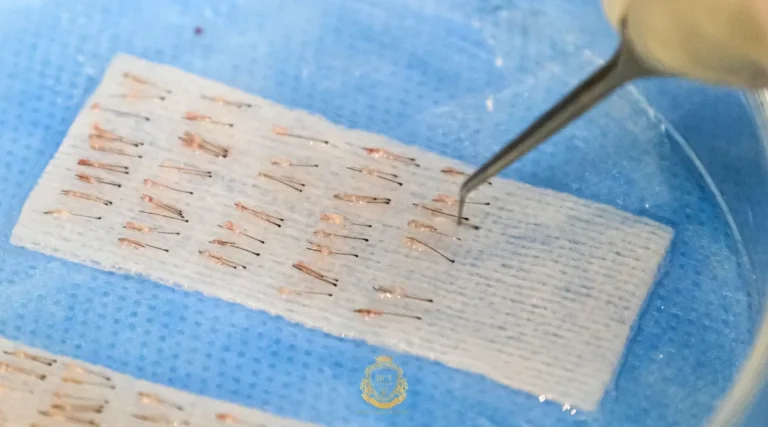
Individual follicular units are removed one by one from the donor area and then placed in thinning regions. FUE typically avoids a linear scar and can be a good fit for shorter hairstyles, though over-harvesting can thin the donor if planning is poor.
FUT (Follicular Unit Transplantation / Strip)
A narrow strip is removed from the donor area, follicles are dissected under magnification, and grafts are implanted. FUT can be efficient for larger sessions and may preserve donor density in some cases, but it usually leaves a fine linear scar.
Implanter-Pen Placement (Often Marketed As “DHI”)
This refers to how grafts are inserted, not how they’re harvested. Grafts can be loaded into a pen-like implanter and placed directly. It can offer control in dense areas (like the hairline) in the right hands, but the surgeon’s planning and angle control matter more than the label.
Well-Known Hair Transplant Clinics In The Phoenix Metro Area
The clinics below are commonly shortlisted by patients in the Phoenix area. Availability, pricing, and offered techniques can change, so treat this as a starting point and confirm details during consultation.
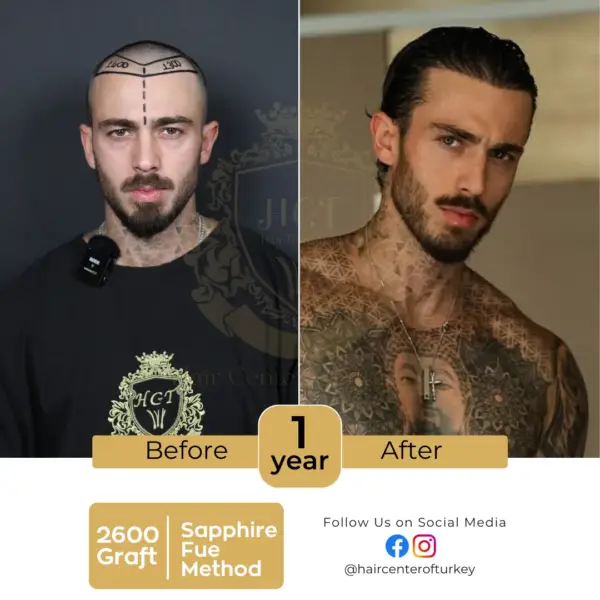
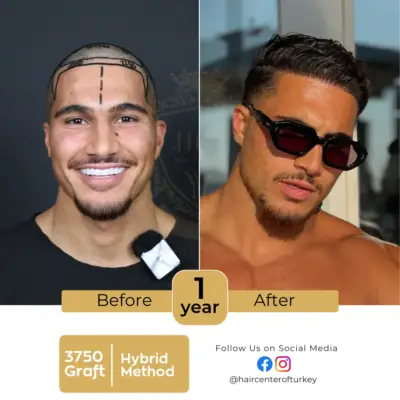
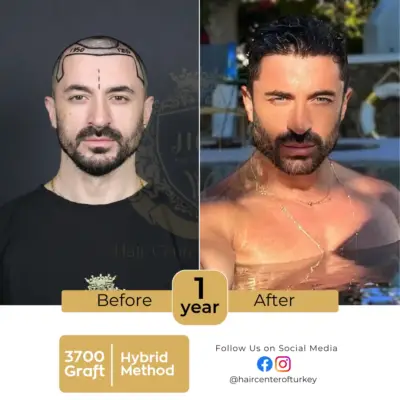
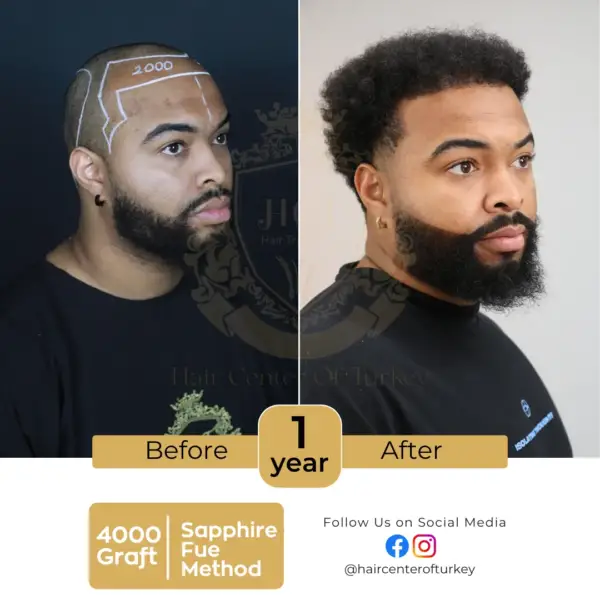
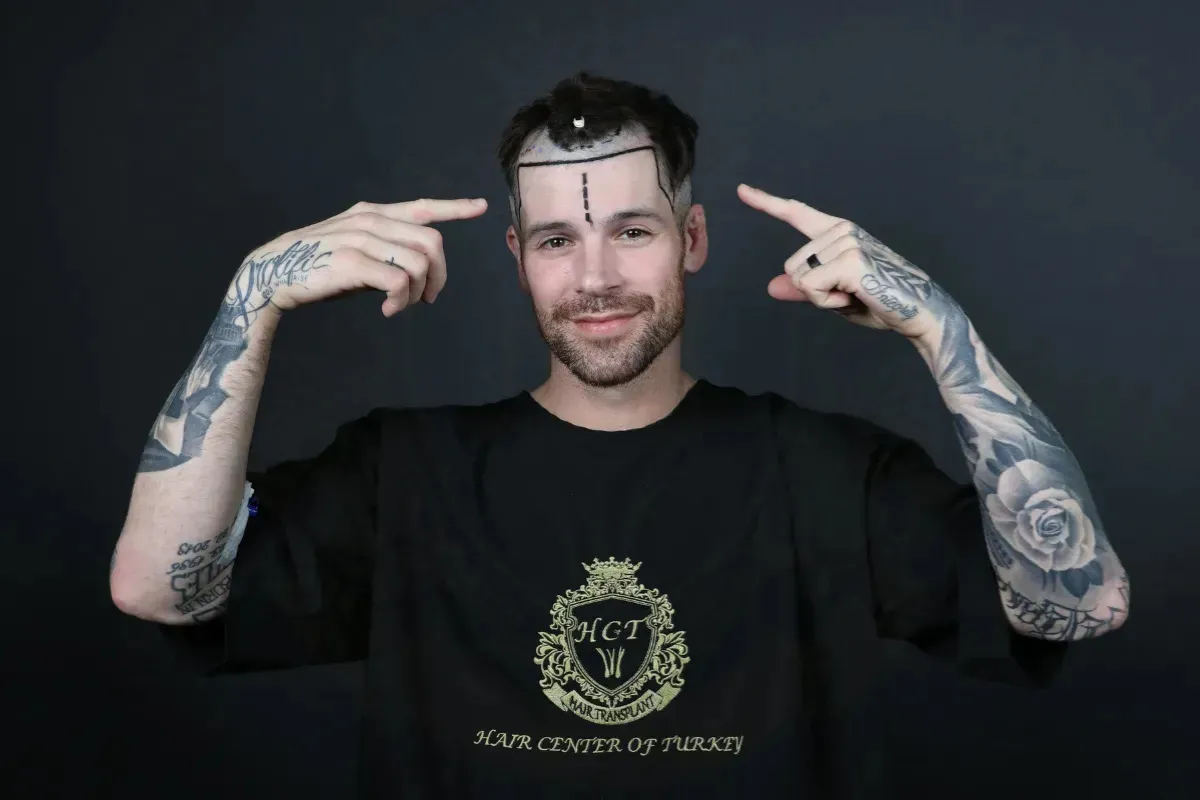
Hair Center of Turkey (Istanbul, Turkey)
A high-volume, hair-transplant-focused provider known for all-inclusive medical travel packages and structured aftercare. Best for patients open to traveling who want a Turkey option with a clear process and bundled logistics.
Lygos Clinic (Istanbul, Turkey)
An Istanbul-based clinic offering hair transplantation plus a broader aesthetic medicine menu. Worth considering if you want a coordinated plan that combines hair restoration with other cosmetic or dermatologic treatments.
Biltmore Surgical Hair Restoration (Phoenix)
A Phoenix-based practice focused on surgical hair restoration, with an emphasis on natural hairline design and follicular unit grafting. Best for patients who want a hair-focused clinic rather than a general medspa environment.
Hair 4 Life Medical (Scottsdale)
A physician-led clinic offering FUE options including “no-shave” approaches, plus medical therapies. Worth considering if you want multiple surgical styles discussed without being steered into a single method.
Rejali Medical (Scottsdale)
A Scottsdale practice that highlights physician-led hair transplant surgery and a broad menu of hair restoration options. A fit for patients who want surgical restoration alongside regenerative and aesthetic treatments under one roof.
RESTORE Hair (Phoenix)
A multi-location hair restoration provider with a Phoenix presence and a focus on FUE-based solutions. Often chosen by patients who want a structured process, standardized protocols, and financing options.
Bosley (Scottsdale)
A national provider with a Scottsdale-area office offering both surgical and non-surgical hair restoration services. Can be convenient for patients who prefer a large, established network and formalized follow-up programs.
How Much Does A Hair Transplant Cost In Phoenix?
Pricing varies widely based on graft count, technique, physician involvement, and whether add-ons (like PRP) are included. In the Phoenix metro area, many patients see quotes that range roughly from the mid-thousands to the mid‑teens for a single session. The most reliable way to compare clinics is to ask each for a written estimate that includes the expected graft range and what’s covered.
Questions that help you compare estimates:
- Is pricing per graft, per session, or package-based?
- Who performs graft extraction and placement?
- Are medications, post-op washes, and follow-up visits included?
- How do you estimate graft count for the hairline vs crown?
- What happens if you need a second pass for density later?
What To Expect During Recovery
Most procedures are done under local anesthesia and you go home the same day. Expect redness and scabbing in the recipient area for several days, and some swelling in the first week. Many people return to desk work within a few days, but it’s common to avoid strenuous exercise for about 1–2 weeks, depending on your surgeon’s protocol. Visible growth typically starts after the shedding phase, with noticeable changes over several months and final maturation closer to the 12‑month mark.
Travel Tips If You’re Visiting Phoenix For Surgery
If you’re coming from out of town, plan to arrive at least a day early and stay several days so you can attend the consultation and first follow-up. Book a hotel that’s close to the clinic, bring a button-up or zip-up top to avoid pulling clothing over your head, and schedule quiet time for the first 48 hours. Once you’re cleared for light activity, Phoenix attractions like the Desert Botanical Garden or Old Town Scottsdale are easy, low-effort options.
FAQs About Hair Transplants In Phoenix
What Are the Best Hair Transplant Clinics in Phoenix?
Biltmore Surgical Hair Restoration and RESTORE are among Phoenix’s most recognized hair-transplant clinics.
How to choose the best hair transplant clinic?
Choose an ABHRS/ISHRS surgeon, physician-led surgery, verified results photos, clear follow-up plan.
Where is the best place to go to get a hair transplant?
A reputable clinic with an experienced, board-certified hair-restoration surgeon and robust aftercare.
Is it better to get a hair transplant in the USA or Turkey?
USA offers stronger regulation and follow-up; Turkey cheaper but quality varies widely.
Which city in Turkey is best for hair transplant?
Istanbul is Turkey’s main hair-transplant hub with the widest choice of reputable clinics.