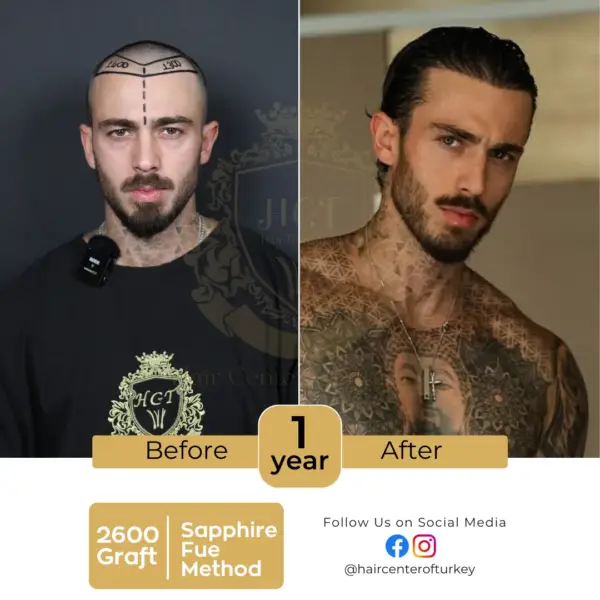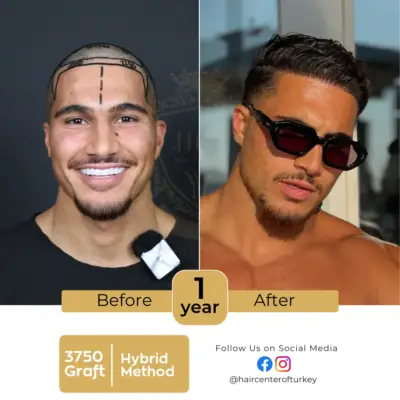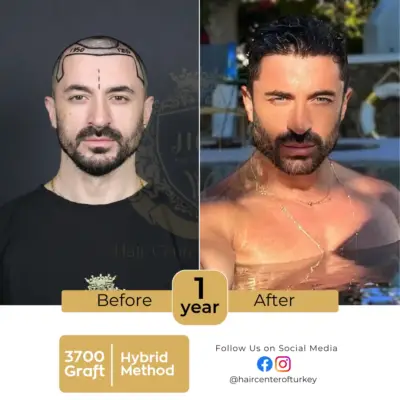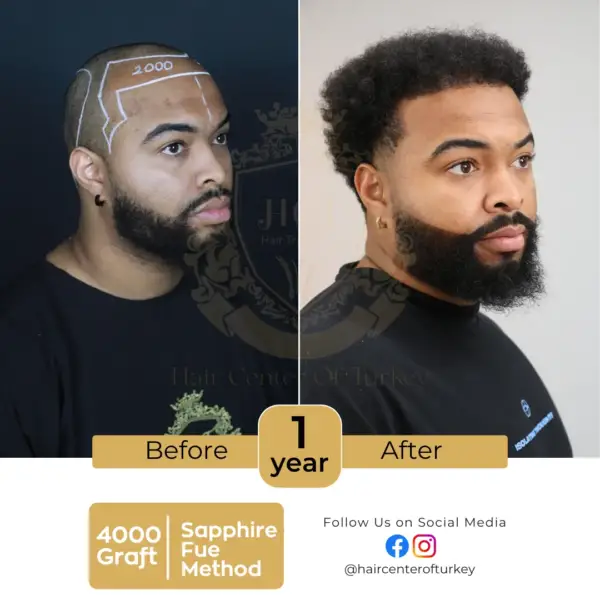


Are Hair Transplants Worth It or Do People Regret Them?
Hair transplants are usually worth it for healthy candidates who choose an experienced medical team and keep realistic expectations. Regret tends to come from poor planning (an overly low hairline, wrong graft numbers), choosing a low-quality provider, or ignoring aftercare. If your hair loss is still progressing, you may also need medication or future sessions.
Table of Contents
Why do people choose hair transplants?
For many people, a transplant feels like a “reset button” because it relocates hairs from a stable donor area (often the back and sides) into thinning zones. Once the grafts heal, they can grow like normal hair and can be washed, cut, and styled as usual.
Common motivations include:
- Restoring confidence and self-image
- Looking less “tired” or older than they feel
- A longer-lasting option compared with treatments like finasteride or minoxidil (when those alone aren’t enough)
Do people regret getting a hair transplant?
Some do, but regret is more often tied to decision-making than to the concept of transplantation itself. Most dissatisfaction stories follow a pattern: rushed choices, unrealistic expectations, or a clinic that prioritizes volume over long-term planning.
The most common reasons for regret
Unrealistic expectations
A transplant can improve coverage and frame the face, but it can’t always recreate a teenage hairline or match the density you had before significant balding.
Choosing the wrong clinic or surgeon
Technique matters, but experience and medical oversight matter more. Poor angle/direction, uneven density, or overharvesting the donor area can be hard to fix later.
Poor aftercare or preventable healing issues
Grafts are delicate early on. Skipping instructions increases the risk of complications and weaker growth.

How successful are hair transplants?
Modern hair restoration can deliver natural-looking, long-lasting results for the right candidate. The American Academy of Dermatology notes that a hair transplant can provide “permanent, natural-looking results,” while also emphasizing that ongoing hair loss can continue in untreated areas.
On graft performance, published reviews report high follicular unit survival, though numbers vary by patient factors, technique, and how outcomes are measured. A 2023 paper in theJournal of Cosmetic Dermatology references a systematic review reporting about 85%–93% graft survival** and **about 90%–97% patient satisfaction for androgenetic alopecia transplantation.
Older clinical literature also reports survival rates around 90% in many settings.
What the results timeline usually looks like
Transplants require patience. Early shedding is common, and “final” results take months.
Here’s a realistic timeline based on dermatology and medical center guidance:
- Weeks 2–8: transplanted hairs often shed (“shock shedding”); this is expected.
- Months 3–5: early regrowth may begin.
- Months 6–9: many patients start to see a noticeable cosmetic change.
- 8–12 months (sometimes up to 12): best/near-final results for many patients.
How to avoid regret after a hair transplant
Choose the right clinic and surgeon
Look for medical credentials, consistent before/after results, and a plan that makes sense for your age and hair-loss pattern. A reputable provider will talk about donor management, future loss, and realistic density rather than promising perfection.
Make sure you’re a good candidate
Good candidates typically have enough donor hair and stable expectations. If you have aggressive or rapidly progressing loss, the “best” transplant on paper can still look underwhelming later without a long-term plan.
Plan for ongoing hair loss
Hair loss can continue in non-transplanted areas. Dermatologists often combine surgery with medical treatment to help preserve existing hair and maintain the overall look over time.
Follow aftercare closely
Aftercare isn’t a formality. It’s part of the outcome. Ask for written instructions, a follow-up schedule, and clear guidance on washing, sleeping, exercise, and when to return to work.
FAQs about hair transplant regret
Is it worth it to get a hair transplant?
Yes, if donor hair is adequate and expectations are realistic.
How long do hair transplants last?
Transplanted hair can last decades, but native hair may continue thinning.
What are the disadvantages of a hair transplant?
Disadvantages include cost, scarring, infection, shock loss, uneven density, and possible revisions.
What is the best age for a hair transplant?
Best age is when hair loss is stable and future loss is predictable.
How many years does it take to go fully bald?
No fixed timeline; progression ranges from about 5 to 20+ years.
Explore the complete guide: Hair Transplant Planning and Candidacy