





Is It Normal to Lose Hair Every Day and When Should You Worry?
Hair shedding is a natural part of the hair growth cycle, but how much is too much?
It’s normal to lose some hair every day, but understanding when hair loss becomes excessive can help you determine when it’s time to seek professional advice. In this article, we’ll explore what constitutes normal hair shedding, the causes of excessive hair loss, and how to track changes in your hair health.
Table of Contents
How Many Hairs Is It Normal to Lose Per Day?
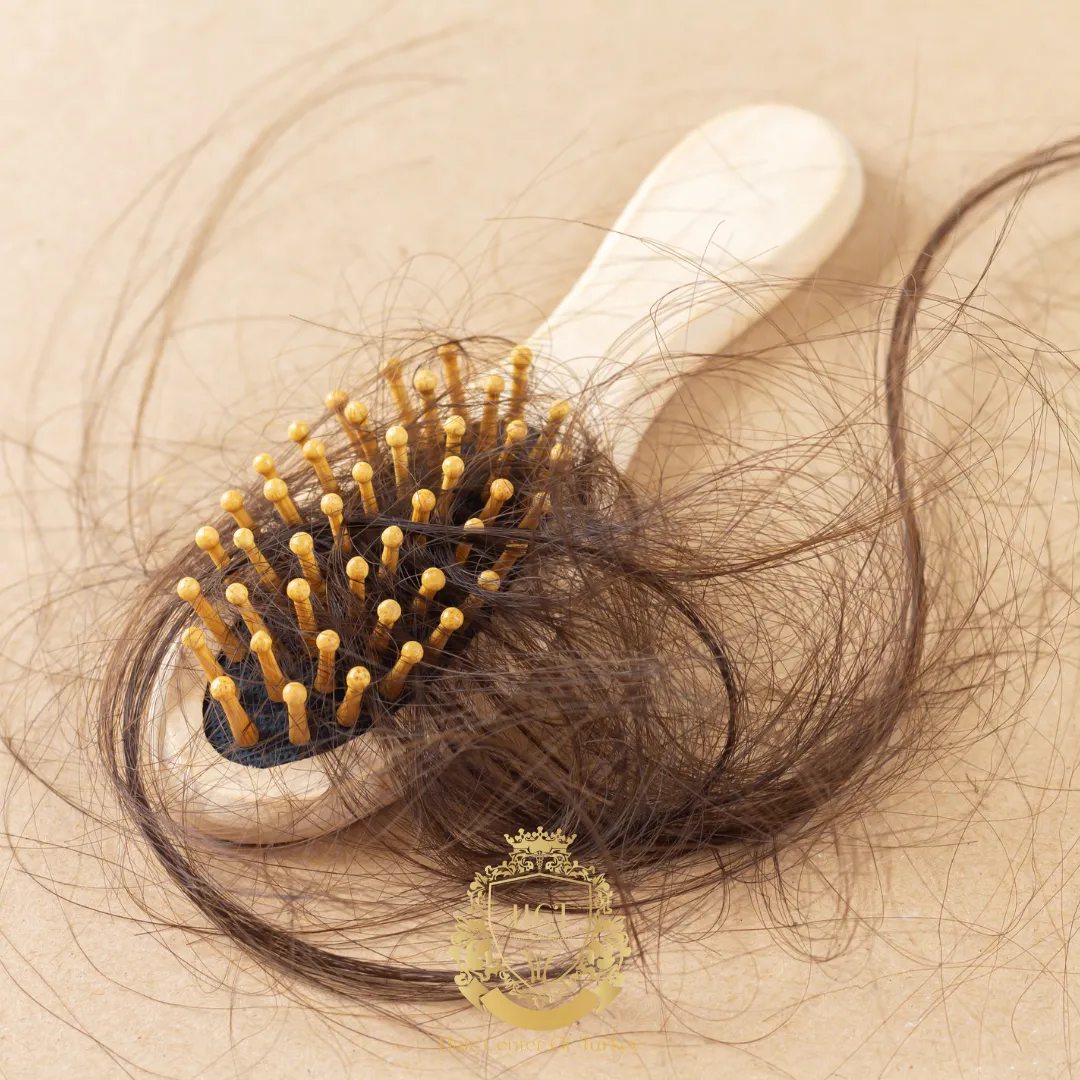
It’s completely normal to lose 50 to 100 hairs per day. This shedding happens during the telogen phase of the hair growth cycle, when old hairs fall out to make space for new ones. Factors like washing, brushing, or styling may make this hair loss more noticeable, but it typically isn’t a sign of a problem.
Hair loss may seem more noticeable if you have longer or darker hair, as fallen strands are more visible. As long as new hair continues to grow and your hair density remains consistent, daily shedding is not a cause for concern.

When Does Hair Shedding Become Abnormal?
Hair loss becomes abnormal when the shedding rate exceeds new hair growth, resulting in thinning or bald patches. This condition is often referred to as telogen effluvium and can be temporary or chronic depending on the cause.
Signs that your hair loss might be abnormal include:
Noticeable thinning or reduced volume
Visible scalp in areas previously covered by hair
Clumps of hair coming out during washing or brushing
Receding hairline or bald patches
If you notice any of these symptoms, it’s important to evaluate the potential causes of your hair loss and seek professional advice.
What Can Trigger Excessive Hair Loss?
Excessive hair loss can be triggered by various factors, including:
Hormonal changes: Pregnancy, menopause, thyroid imbalances, and elevated DHT levels
Nutritional deficiencies: Lack of iron, vitamin D, biotin, or protein
Stress and trauma: Physical or emotional stress can cause shock to the hair cycle
Medical conditions: PCOS, autoimmune diseases, and scalp infections
Medications: Chemotherapy, blood pressure drugs, antidepressants, and more
Hairstyling practices: Tight hairstyles, frequent bleaching, or heat styling
Identifying the root cause is crucial for treating the condition and preventing further hair loss.
How Can You Track Your Hair Loss?
If you’re concerned about excessive hair loss, consider keeping a hair fall journal. Track the following:
The number of hairs you shed daily or weekly
Any changes in your health, diet, or stress levels
New products or medications you’ve started using
Performing the pull test can also help gauge shedding. Gently tug a small section of hair (around 60 strands). If more than 6 hairs come out, it may indicate excessive shedding and warrant further evaluation.

When Should You See a Specialist About Hair Loss?
If hair loss persists for more than a few weeks, is sudden or severe, or is accompanied by scalp irritation, redness, or pain, it’s time to consult a dermatologist or trichologist. They may recommend:
Blood tests to check for deficiencies or hormonal imbalances
Scalp biopsies to rule out skin conditions
Hair analysis to examine growth patterns
Early diagnosis and intervention improve the chances of effectively addressing hair loss.
What Are the Treatment Options for Hair Loss?
Treatment for hair loss depends on its cause. Common options include:
Topical treatments: Minoxidil is an FDA-approved solution for promoting regrowth and slowing hair loss.
Oral medications: Finasteride (for men), biotin, iron, and other supplements can support hair health.
Lifestyle adjustments: Managing stress, maintaining balanced nutrition, and adopting gentle hair care habits.
Medical procedures: PRP therapy, laser therapy, or hair transplant surgery for advanced cases.
Combining treatments with healthy lifestyle habits can help restore hair growth and reduce further loss.
Frequently Asked Questions
When should I be concerned of hair loss?
Be concerned if shedding is sudden, patchy, scarring, or causing noticeable thinning.
How much hair loss per day is concerning?
More than about 100 hairs daily, or clumps, is concerning.
What is my body lacking if my hair is falling out?
Often iron, protein, zinc, or biotin; thyroid disease can also cause shedding.
Should hair come out when running fingers through it?
Yes, a few strands can shed; repeated handfuls or clumps suggest abnormal shedding.
What are the red flags for hair loss?
Red flags: rapid loss, bald patches, scalp pain/scaling, broken hairs, or other symptoms.