

Frontal Fibrosing Alopecia (FFA)
Frontal fibrosing alopecia is a form of scarring hair loss that causes permanent recession of the frontal hairline, temples, and eyebrows.
It most often affects postmenopausal women, progresses slowly, and requires early diagnosis to limit irreversible follicle damage.
Table of Contents
What Is Frontal Fibrosing Alopecia?
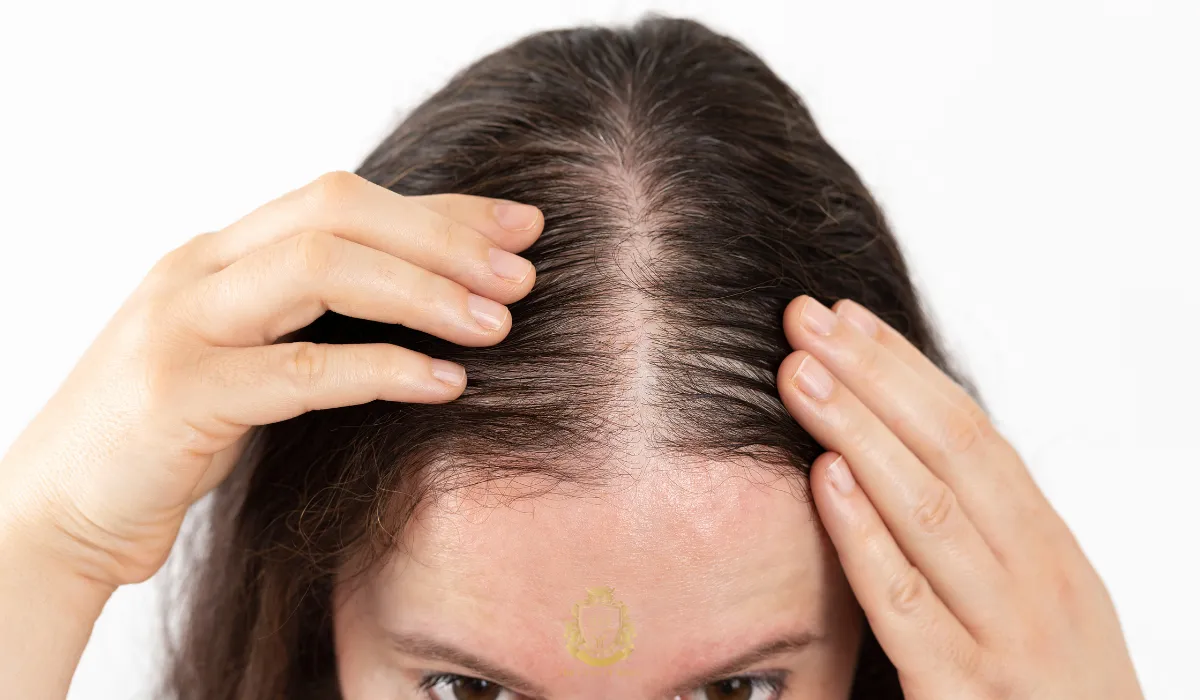
Frontal fibrosing alopecia (FFA) is a type of cicatricial, or scarring, alopecia that leads to irreversible hair loss. It typically affects the frontal hairline, temples, and eyebrows, gradually moving backward along the scalp.
Unlike non-scarring hair loss conditions, FFA destroys hair follicles and replaces them with scar tissue. Once follicles are damaged, regrowth is not possible, which makes early recognition and treatment essential.
Although most cases occur in postmenopausal women, FFA can also develop in younger women and, less commonly, in men.
What Causes Frontal Fibrosing Alopecia?
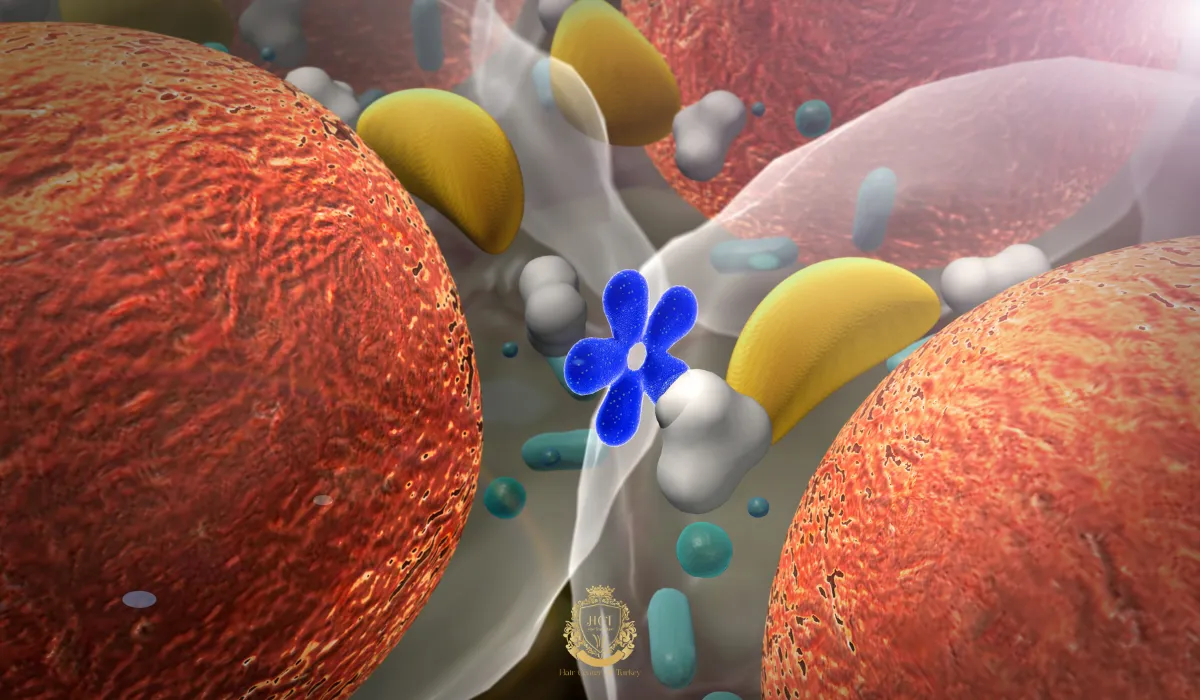
The exact cause of FFA is not fully understood. Current evidence suggests a multifactorial origin involving immune, hormonal, genetic, and environmental influences.
Key contributing factors may include:
Autoimmune activity, where the immune system targets hair follicles
Hormonal changes, particularly reduced estrogen levels
Genetic predisposition, with some familial clustering reported
Environmental triggers, including long-term exposure to certain skincare products or pollutants
FFA is a progressive condition, and identifying contributing factors early may help slow its course.
Who Is At Risk For Frontal Fibrosing Alopecia?
While FFA can affect a wide range of individuals, certain groups appear to be at higher risk:
Postmenopausal women, especially over the age of 50
Individuals with a family history of hair or autoimmune disorders
People with autoimmune conditions such as thyroid disease or lupus
Long-term users of facial skincare products applied near the hairline
Ongoing research continues to explore these associations.
Symptoms Of Frontal Fibrosing Alopecia
FFA develops gradually, and early signs are often subtle. Common symptoms include:
Slow, symmetrical recession of the frontal hairline
Thinning or complete loss of eyebrows
Redness or inflammation around affected follicles
Itching, burning, or tightness of the scalp
Smooth, shiny skin where follicles have been destroyed
Eyebrow loss may occur before scalp hair loss in some patients.

How Is Frontal Fibrosing Alopecia Diagnosed?
Diagnosis is usually made by a dermatologist with experience in hair disorders. Evaluation may include:
Clinical scalp examination to assess hairline changes and inflammation
Trichoscopy, allowing magnified visualization of follicular damage
Scalp biopsy to confirm scarring and inflammatory patterns
Blood tests to exclude other autoimmune or hormonal conditions
Prompt diagnosis improves the chance of preserving remaining hair.
Treatment Options For Frontal Fibrosing Alopecia
There is no cure for FFA, but treatment aims to slow progression and relieve symptoms. Management often requires a combination of therapies.
Common options include:
Corticosteroids, applied topically, injected, or taken orally to reduce inflammation
Anti-androgen medications, such as finasteride or dutasteride
Hydroxychloroquine, used in selected cases with autoimmune features
Platelet-rich plasma (PRP) therapy to support scalp health
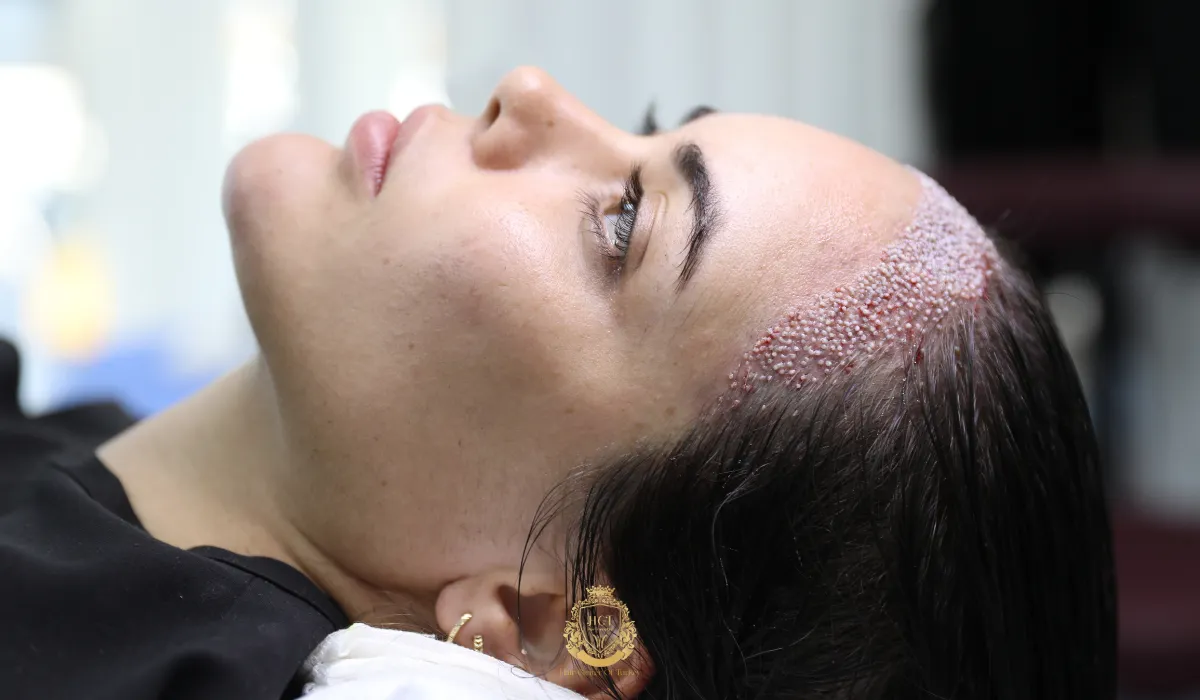
Hair transplantation, considered only after the disease has been inactive for a prolonged period
Response to treatment varies, and long-term follow-up is essential.
Managing And Limiting Further Hair Loss
Although lost hair cannot be restored, supportive measures may help protect remaining follicles:
Avoid tight hairstyles, chemical treatments, and excessive heat
Use gentle, fragrance-free hair and scalp products
Protect the scalp from sun exposure with hats or physical sunscreens
Maintain adequate levels of iron, vitamin D, and other key nutrients
Manage stress, which may aggravate inflammatory conditions
Lifestyle adjustments can complement medical treatment but do not replace it.
Frequently Asked Questions
What are the first signs of FFA?
Receding frontal hairline, eyebrow thinning, and perifollicular redness/scale are common early signs.
Can hair grow back after FFA?
Regrowth is uncommon; early treatment may recover hair where follicles aren’t scarred.
How quickly does FFA progress?
FFA usually progresses slowly over years and may later stabilize.
Is FFA reversible?
No; scarring is permanent, but treatment can slow or stop further loss.
What triggers frontal fibrosing alopecia?
Cause is unknown; immune, hormonal, genetic, and possible environmental factors likely contribute.
Explore the complete guide: Hair Loss Types and Causes