

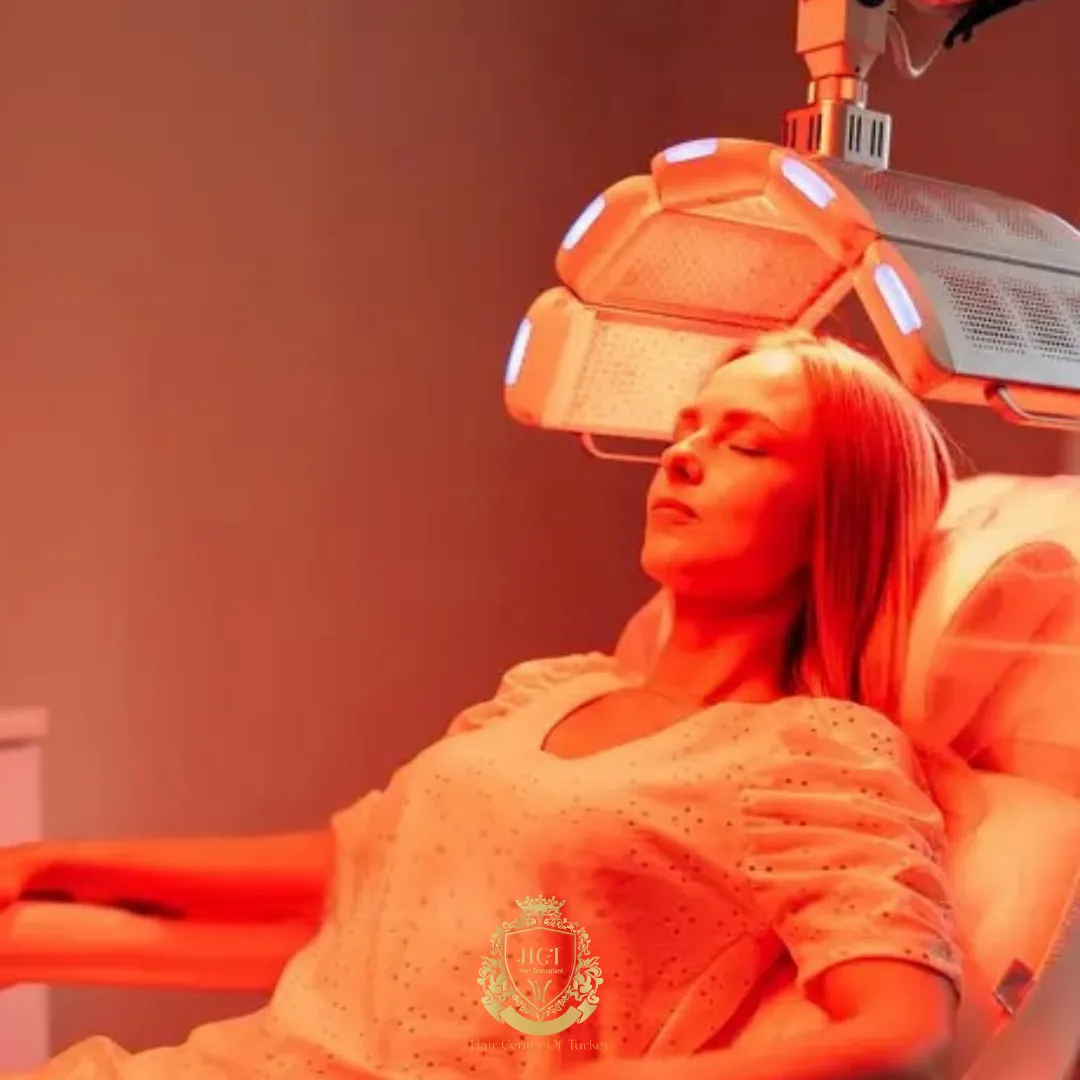
Red Light Therapy For Hair Growth
Red light therapy, also called low-level laser therapy (LLLT), uses specific red or near‑infrared wavelengths to stimulate hair follicles and support thicker, denser hair over time. It’s most helpful for early pattern hair loss and thinning, not completely inactive follicles. Consistent sessions for several months are usually needed before you notice visible change.
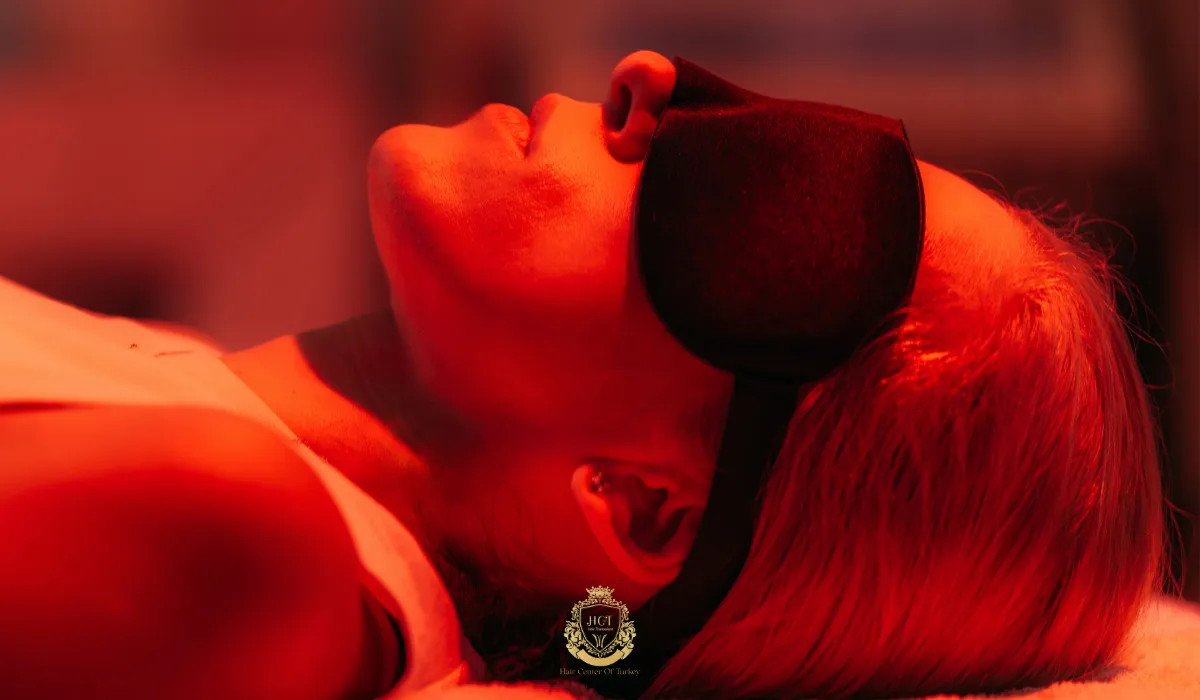
What Is Red Light Therapy?
Red light therapy is a non-invasive treatment that delivers low-intensity light to the scalp using a laser cap, helmet, comb, or in-clinic device. In hair care, it’s commonly referred to as low-level laser therapy (LLLT) or photobiomodulation. Many devices are cleared as medical devices in the United States for treating androgenetic alopecia (pattern hair loss).
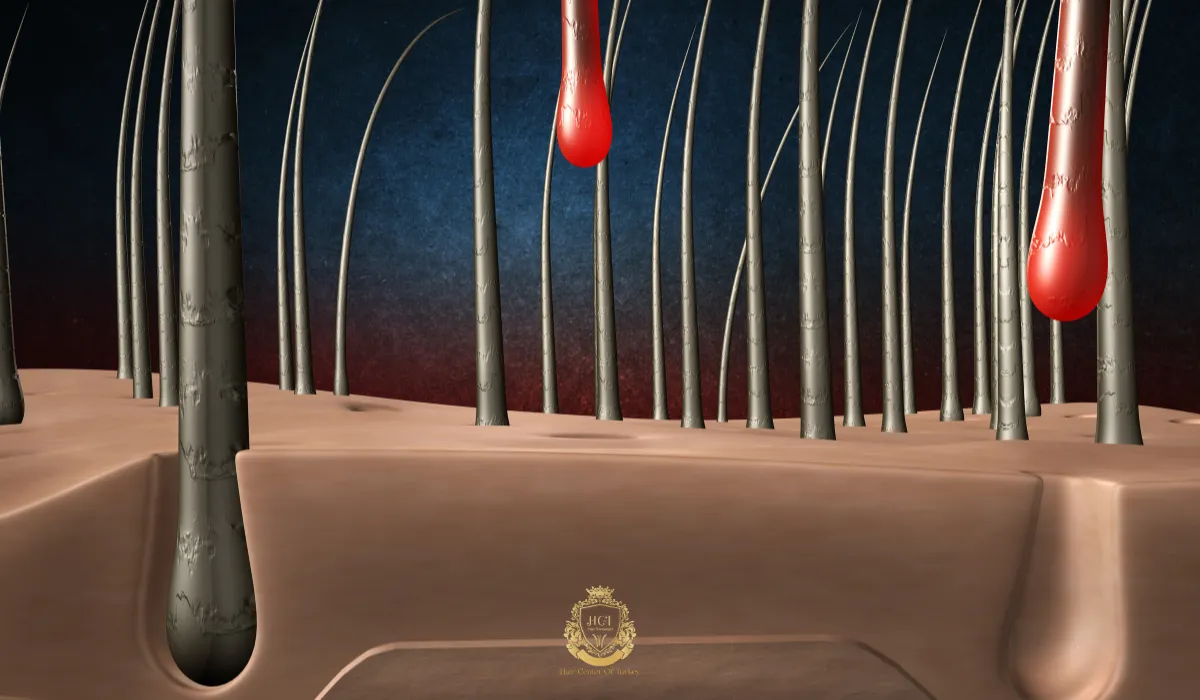
How Red Light Therapy May Support Hair Growth
Stimulates Follicle Activity
Light absorbed by cells in the scalp can increase cellular energy production and signaling. In practical terms, this may help shift follicles from a resting phase into an active growth phase and keep hairs growing longer. That’s one reason LLLT is studied most often in male and female pattern hair loss.
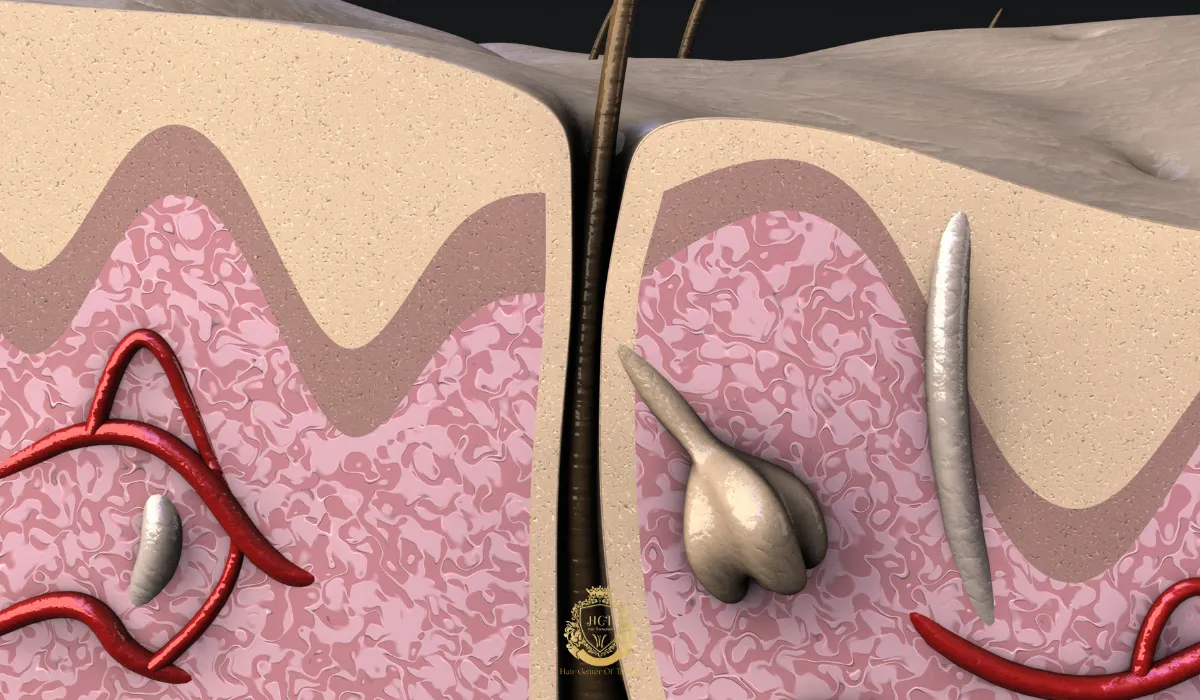
Improves Scalp Microcirculation
Better blood flow means better delivery of oxygen and nutrients to the follicle. Red and near‑infrared light can also influence nitric oxide pathways, which may support circulation and recovery in the scalp. This is not a substitute for treating the underlying cause of hair loss, but it can be a helpful support therapy.
Helps Calm Inflammation
Inflammation and oxidative stress can contribute to miniaturization and shedding in susceptible scalps. Photobiomodulation has been studied for its anti-inflammatory effects, which may help create a healthier scalp environment. If you have scalp conditions like seborrheic dermatitis or psoriasis, treat those separately with a clinician’s guidance.
Benefits Of Red Light Therapy For Hair
- Non-invasive and painless for most users.
- Drug-free option that can fit into a home routine.
- Can be used by both men and women with pattern hair loss.
- Works well as a complementary treatment alongside evidence-based options.
Who Gets The Best Results?
Red light therapy tends to work best for early-to-moderate thinning where follicles are still active. If an area has been shiny bald for a long time, the chance of meaningful regrowth is lower. People with diffuse shedding (for example after stress, illness, or iron deficiency) may still benefit, but addressing the trigger matters most.
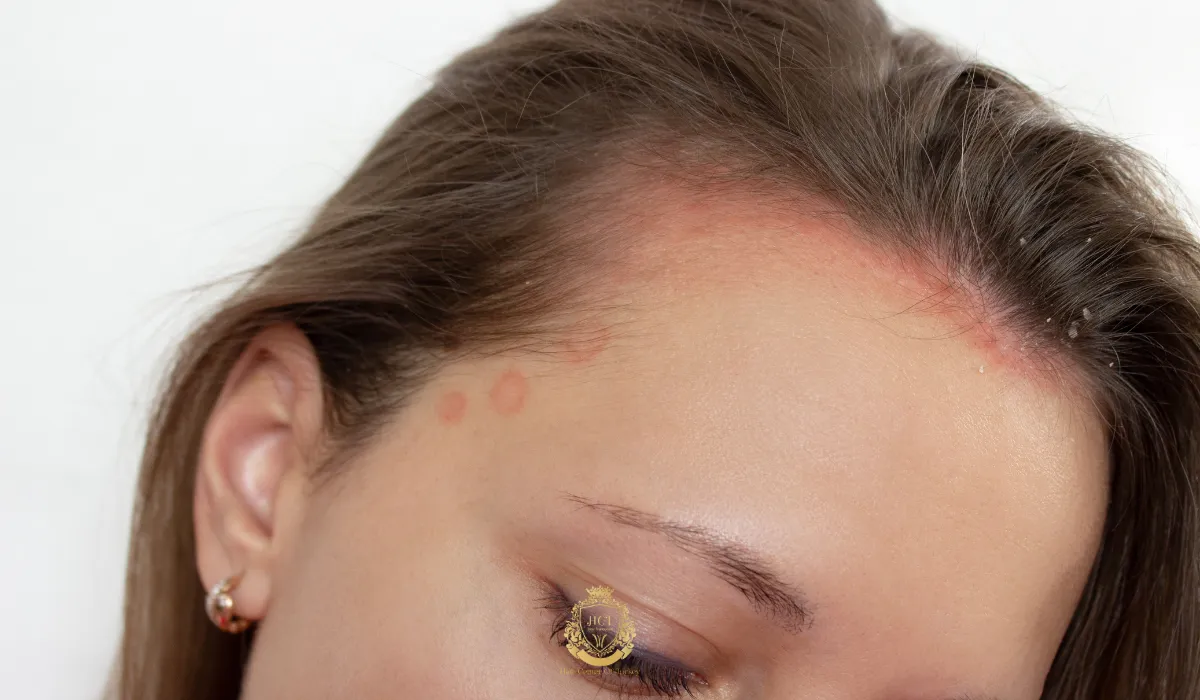
How To Use Red Light Therapy For Hair Growth
In-Clinic Treatments
Clinics may use higher-coverage devices and can tailor protocols to your scalp and diagnosis. This is a good option if you want professional guidance or you’re combining therapy with PRP, mesotherapy, or other in-office treatments. Ask the clinic about wavelength range, session length, and how they track progress.
At-Home Devices
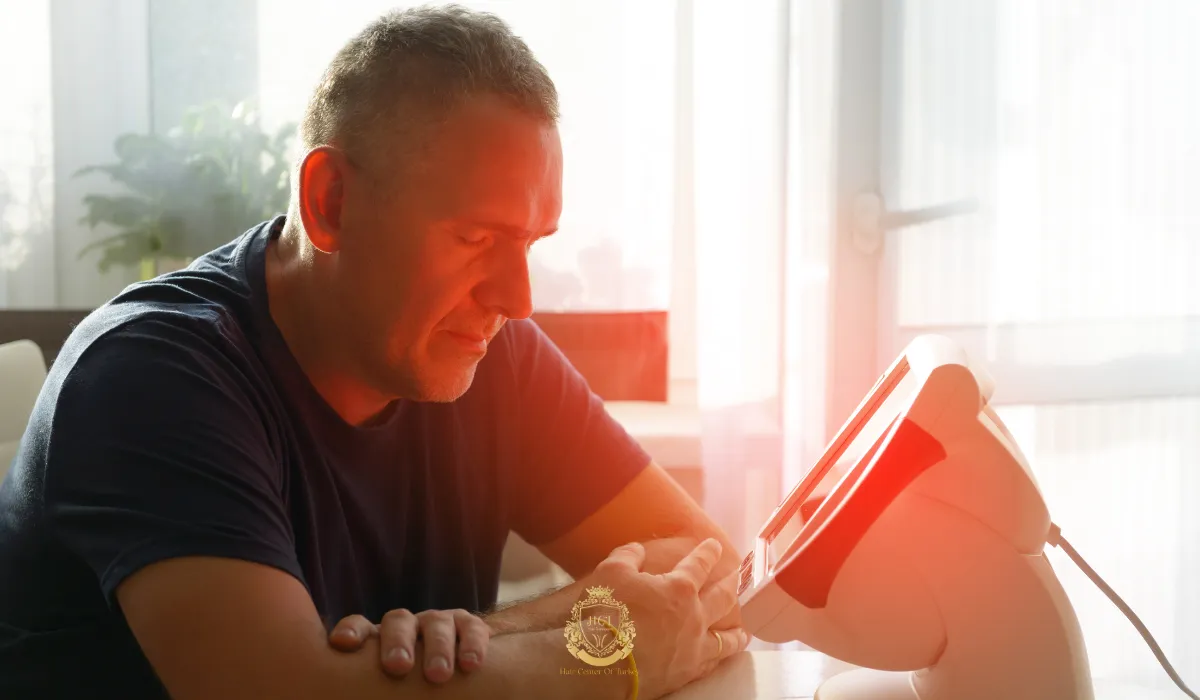
Home devices are typically caps, helmets, bands, or combs designed for regular use. Follow the manufacturer’s schedule rather than extending sessions, since more time is not always better. Many protocols involve short sessions several times per week, with consistency being the key driver of results.
Practical tips:
- Start with clean, dry hair so light reaches the scalp more easily.
- Use the device on the same days each week to build a routine.
- Take baseline photos in the same lighting once a month to track changes.
- If you feel scalp irritation or headaches, pause and review fit, session time, and eye protection guidance.
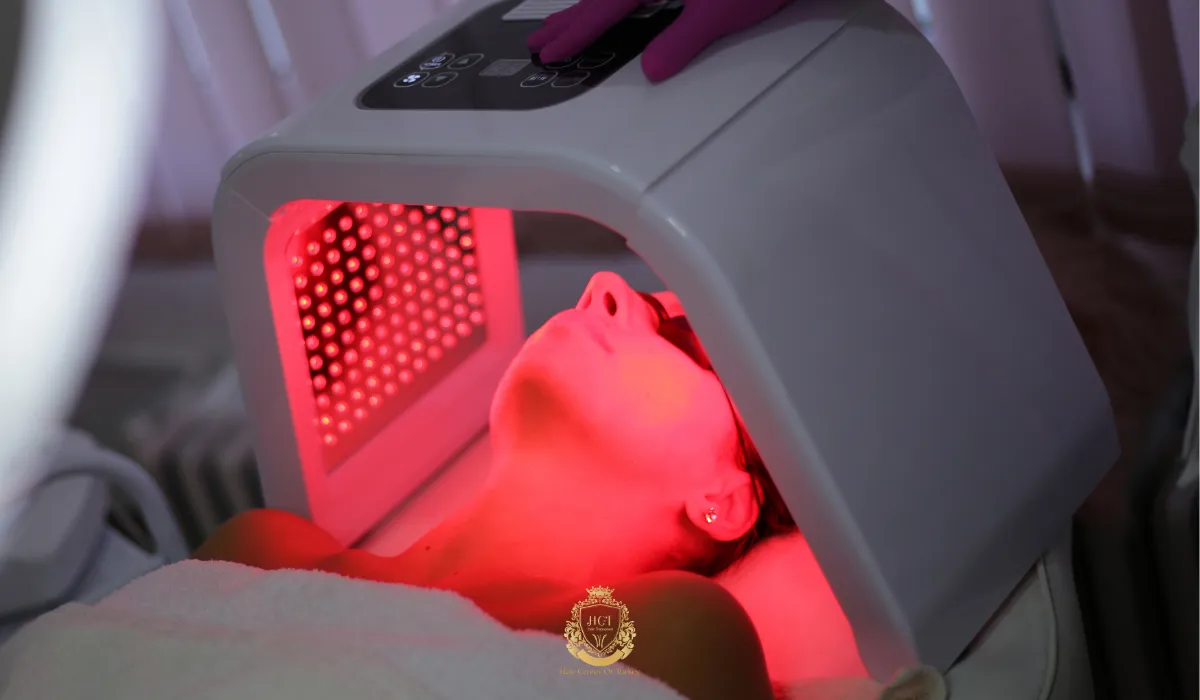
How To Choose A Device
Device quality matters more than fancy marketing. Look for a product that clearly lists its wavelength range, power output, coverage area, and safety features. If you’re shopping in the U.S., you can also look for an FDA 510(k) clearance listing for hair loss indications.
- Wavelengths commonly used for hair loss studies sit in the red range (around the mid‑600 nm region).
- Full scalp coverage helps, especially for diffuse thinning.
- Comfort matters because results depend on long-term consistency.
- A reputable warranty and clear support policies are a plus.
Expected Results And Timeline
Results are gradual and vary based on genetics, the cause of hair loss, and how consistently you use the device. Some people notice less shedding first, followed by thicker-looking hair. If you stop treatment, benefits may slowly fade over time, especially with ongoing pattern hair loss.
- 4–8 weeks: Some users report less shedding and improved scalp comfort.
- 3–6 months: Early gains in thickness and density may become noticeable in photos.
- 6+ months: Best cosmetic improvement is often seen with ongoing use and a full plan.
Combining Red Light Therapy With Other Treatments
Red light therapy can be layered into a broader regimen. Combination plans are common in clinical studies and in real-world practice, especially for androgenetic alopecia.
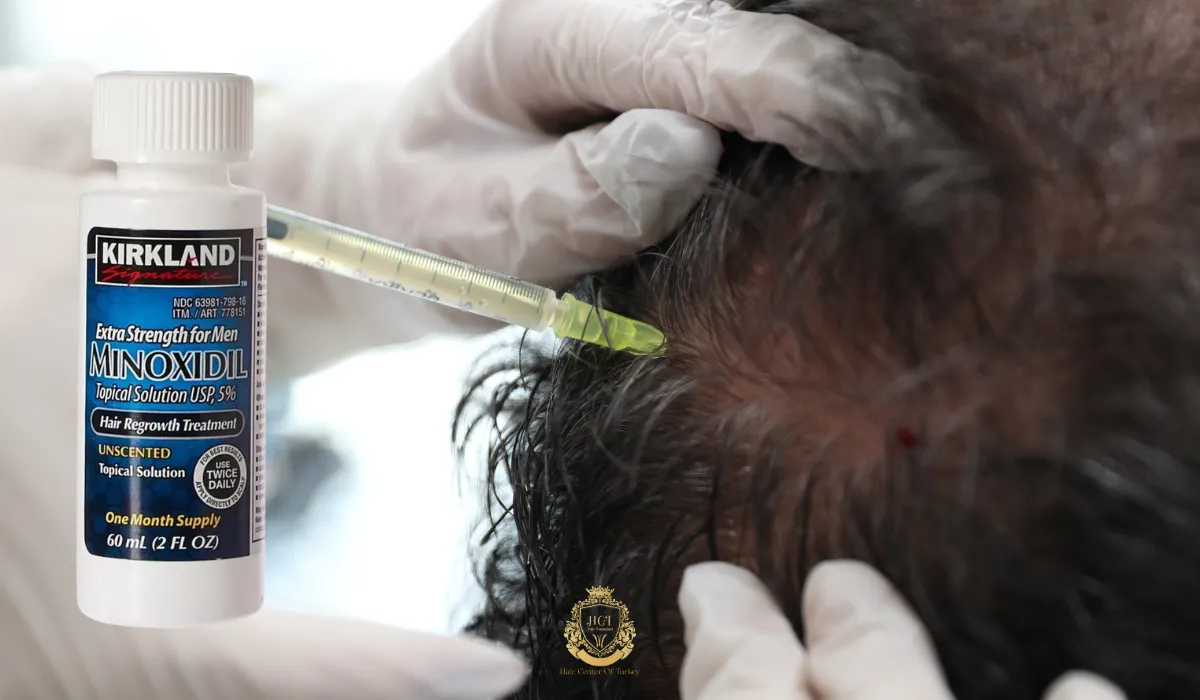
- Minoxidil: Often used to support follicle stimulation and prolong growth phase.
- PRP (Platelet-Rich Plasma): May enhance regeneration signals in the scalp.
- Microneedling: Can be paired on a schedule recommended by a clinician; avoid using light immediately over freshly irritated skin unless advised.
- Lifestyle and lab checks: Iron, vitamin D, thyroid function, and stress management can be relevant depending on your pattern of loss.
Safety And Side Effects
Low-level light therapy is generally well tolerated, but it’s not risk-free. Reported side effects in studies are usually mild, such as scalp irritation, redness, itching, or headaches. Stop and seek medical advice if you experience significant pain, worsening rash, or eye symptoms.
Use extra caution if you have a history of photosensitivity, take medications that increase light sensitivity, have an active scalp infection, or have a current or prior skin cancer diagnosis. If you’re pregnant or under medical care for a chronic condition, check with your clinician before starting.
F.A.Q. (Frequently Asked Questions)
Is Red Light Therapy FDA Cleared Or FDA Approved?
For hair loss devices in the United States, the more accurate term is usually FDA-cleared (510(k)), not FDA-approved. Clearance means the device met regulatory requirements for its intended use based on substantial equivalence to a predicate device.
Does Red Light Therapy Work For All Types Of Hair Loss?
It has the strongest evidence for androgenetic alopecia (pattern hair loss). Other causes, such as telogen effluvium, traction alopecia, or autoimmune hair loss, need a correct diagnosis and targeted treatment.
How Often Should I Use It?
Most home protocols involve short sessions several times per week. Follow your device instructions and stay consistent for at least 3–6 months before judging results.
Can I Use Red Light Therapy With Minoxidil Or Finasteride?
Many people combine therapies. If you’re using prescription treatments, follow your clinician’s advice and introduce one change at a time so you can monitor tolerance.
What If I Don’t See Results?
Consider whether the diagnosis is correct, whether the device is being used consistently, and whether follicles are still active in the areas you want to improve. A dermatologist or hair restoration specialist can help you set realistic expectations and adjust the plan.
Explore the complete guide: Hair Loss Treatments