

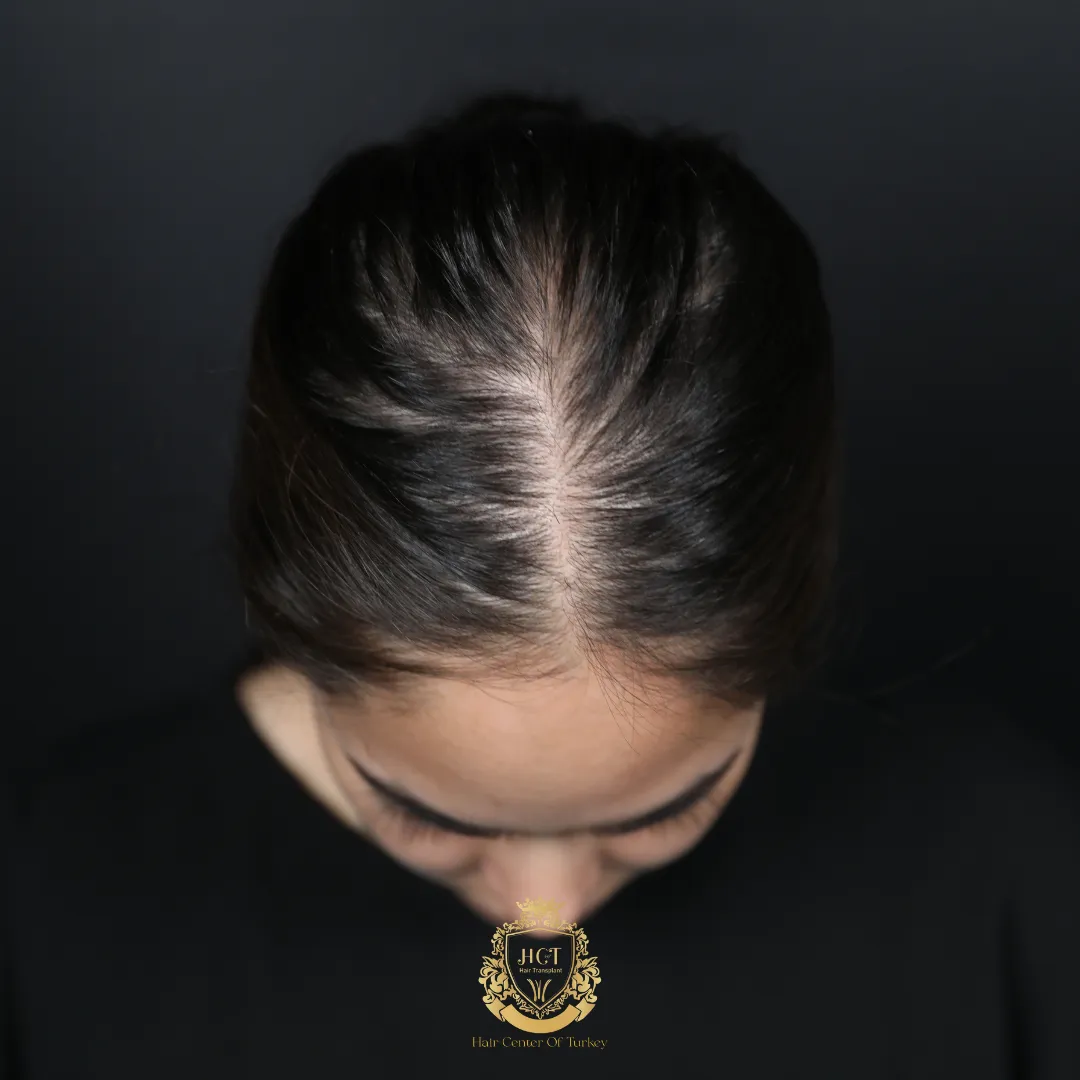
Hair Center of Turkey, founded in 2014 and home to a team of 3 doctors, sees female pattern hair loss in women in their 20s often enough to know it rarely announces itself with sudden bald patches — it shows up gradually, as a wider part or thinner crown.
Understanding Female Pattern Baldness In Your 20s
Female pattern hair loss (androgenetic alopecia) can start in your 20s and usually shows as a wider part or thinning at the crown rather than sudden bald patches. It’s driven by genetics and hormone sensitivity, but stress, iron or vitamin D deficiency, thyroid issues, and harsh styling can worsen it. Early evaluation improves results.Hair thinning can feel especially unsettling when it starts in your 20s. While shedding is normal, persistent thinning around the part line or crown may point to female pattern hair loss (FPHL), also called androgenetic alopecia. The good news is that early diagnosis and consistent treatment can slow progression and improve density for many women.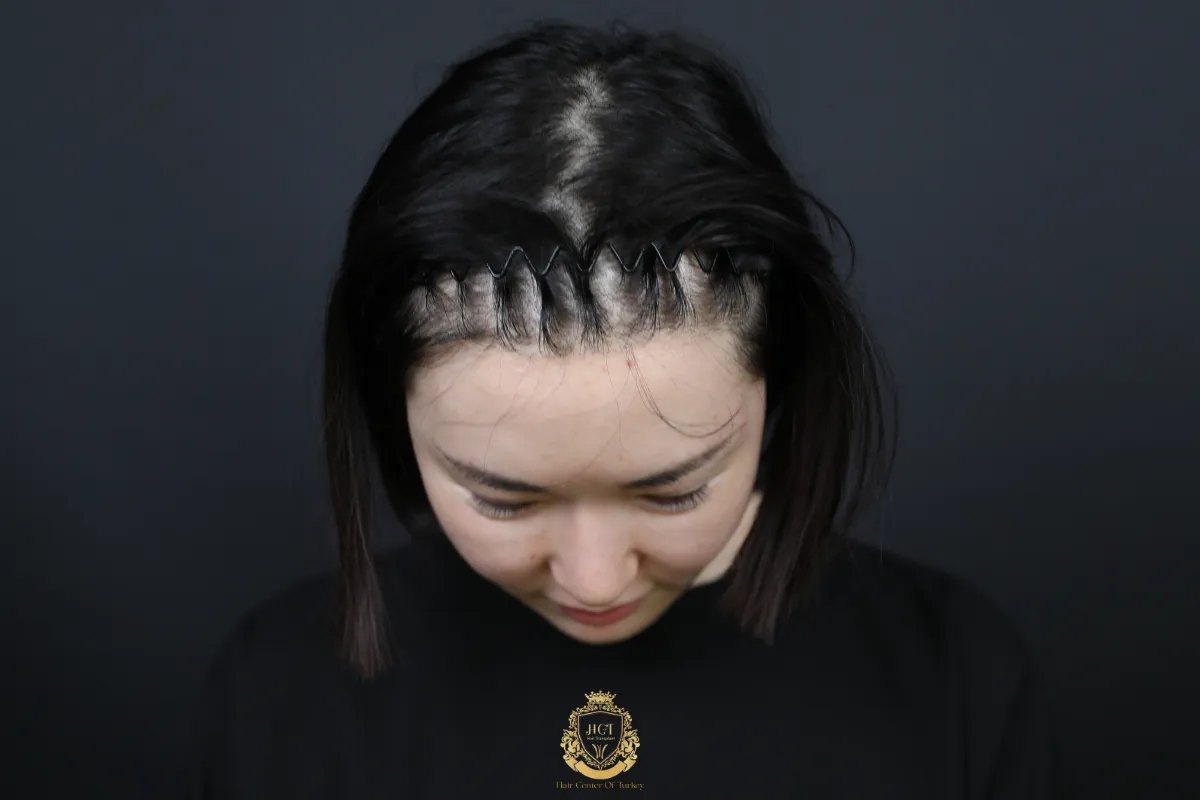
Why it can start in your 20s
FPHL is largely driven by inherited sensitivity of hair follicles to androgens (hormones such as testosterone). If close relatives experienced early thinning, your risk is higher. Symptoms can show up earlier when hormone shifts or health stressors push more hairs into the shedding phase.
Common causes and triggers
Genetics and family history
Genetics are a major factor. You can inherit a tendency for follicles to gradually miniaturize, leading to finer strands and reduced density over time.
Hormonal changes and conditions (PCOS, thyroid, contraception)
Hormone-related conditions can overlap with or worsen FPHL. PCOS may increase androgen activity, while thyroid disorders can disrupt the growth cycle and raise shedding. Starting, stopping, or switching hormonal contraception can also temporarily increase shedding for some women.
Stress, illness, and rapid weight change
Major stressors (emotional stress, illness, surgery, or crash dieting) can trigger telogen effluvium, where more follicles shift into the resting and shedding phase. This can happen on its own or “unmask” early FPHL.
Nutritional deficiencies
Low iron stores, low protein intake, and vitamin D deficiency are common contributors to shedding and poor hair quality. Supplements help most when they correct a confirmed deficiency, so lab testing is worth discussing with a clinician.
Hair practices that create breakage or traction
Heat styling, bleaching, and tight hairstyles can cause breakage and traction-related thinning. This may not be FPHL, but it can make density look worse and slow recovery. Gentle styling and reducing tension can make a noticeable difference over a few months.
Underlying scalp or medical conditions
Scalp inflammation, fungal infections, autoimmune conditions, and certain medications can also drive hair loss. Patchy loss, scaling, itching, or sudden clumps of shedding deserve a medical evaluation.
Early signs to watch for
A wider part or thinner ponytail is often the first clue. You may also notice more visible scalp under bright light, reduced volume at the crown, or increased shedding that doesn’t settle after a few months. Taking monthly photos in consistent lighting can help you track changes more objectively.How doctors diagnose it
A dermatologist typically reviews your history, examines the scalp, and may use dermoscopy (a magnified scalp exam). Blood tests are commonly used to rule out contributors such as iron deficiency or thyroid disease. In unclear cases, a scalp biopsy may be recommended to confirm the diagnosis.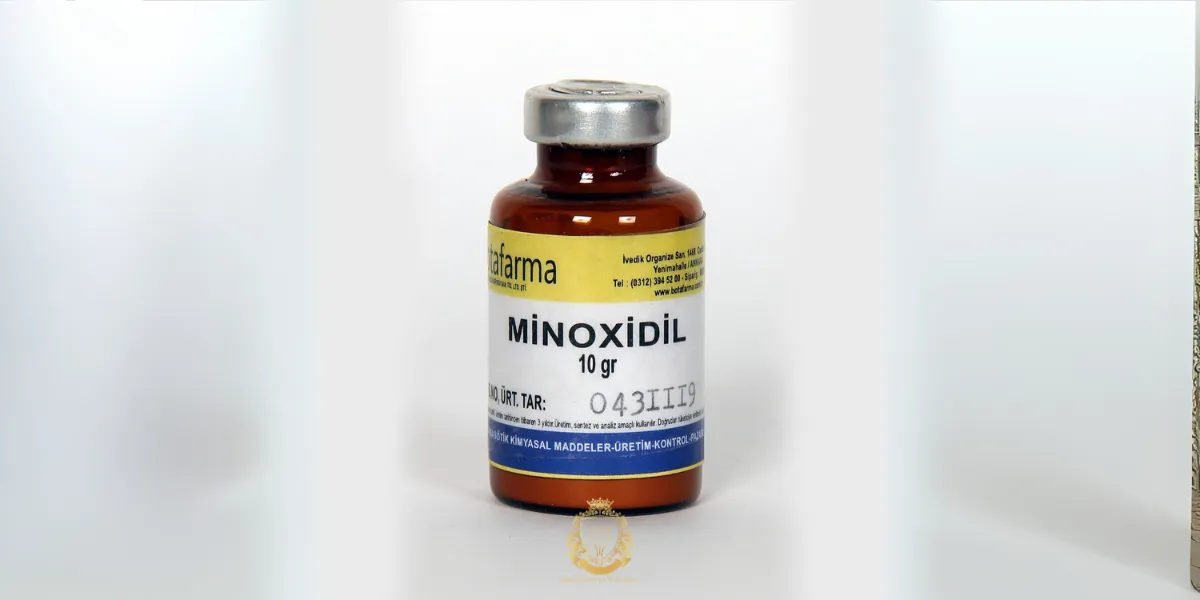
Treatment options that are commonly recommended
Treatment works best when it’s started early and used consistently. Your plan should match the cause of hair loss, your medical history, and whether pregnancy is possible in the near future.
Topical minoxidil
Topical minoxidil is an FDA-approved treatment for female pattern hair loss. It can improve density and slow progression, but it takes patience—many people need 3–6 months to see meaningful change. Some temporary shedding can occur at the start.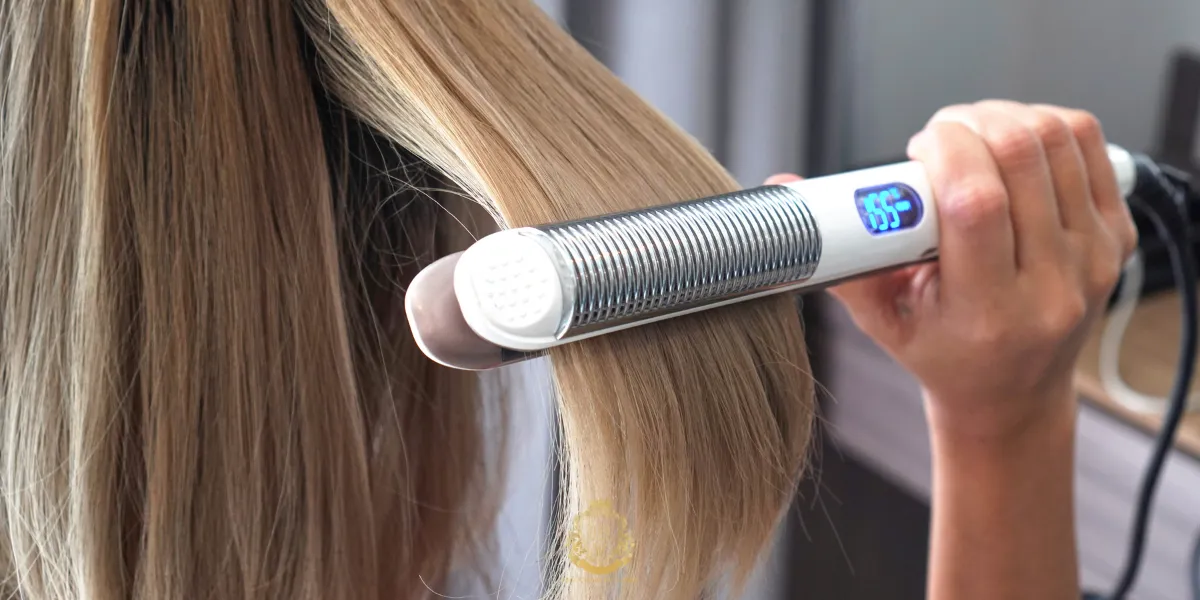
Prescription anti-androgen therapy (when appropriate)
For women with signs of androgen excess or persistent thinning, dermatologists may prescribe medications such as spironolactone. This is an off-label approach for FPHL and requires medical supervision, especially because it’s not appropriate during pregnancy.
Procedures and devices
Low-level laser therapy devices and platelet-rich plasma (PRP) injections are options some clinics offer. Results vary by person, and costs can be significant, so ask for realistic expectations and before-and-after examples from the practice.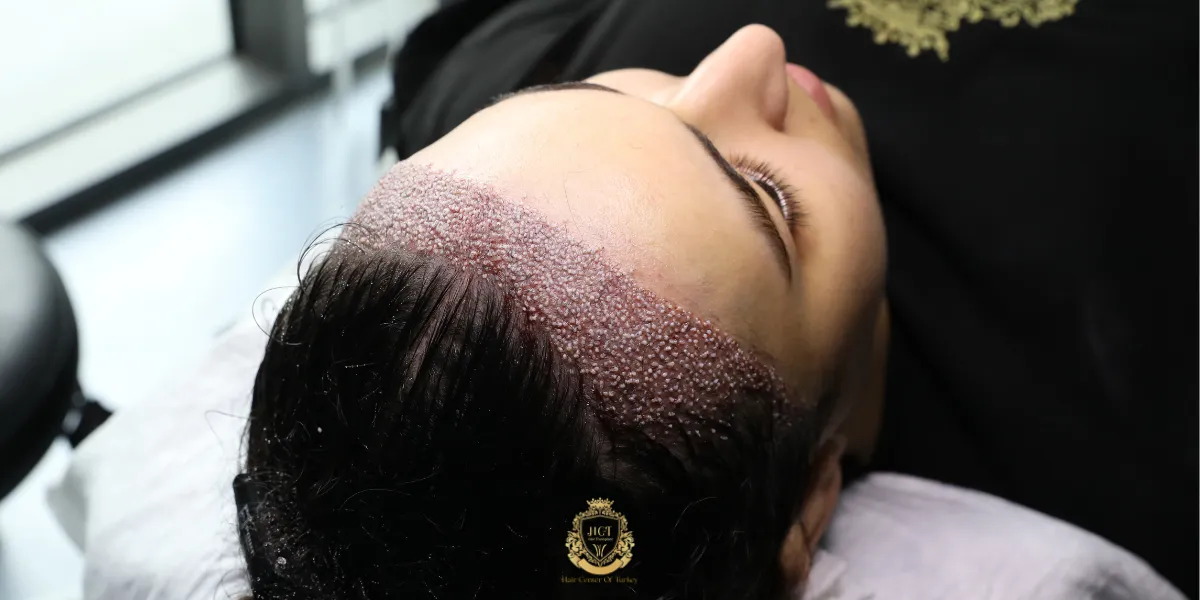
Hair and scalp care support
Use a gentle shampoo routine, avoid heavy buildup on the scalp, and minimize tight styles. If dandruff, itching, or inflammation is present, treating the scalp condition can improve shedding and comfort.Nutrition and supplements
Focus on adequate protein and iron-rich foods. Consider supplements only when a clinician confirms a deficiency, since “hair vitamins” aren’t a shortcut if your levels are already normal.Can you prevent hair loss in your 20s?
You can’t change genetics, but you can reduce avoidable triggers. Aim for steady nutrition, manage stress where possible, treat scalp conditions early, and be cautious with aggressive bleaching or constant heat styling. If you’re noticing progressive thinning, early treatment is usually more effective than waiting.When to seek medical advice
Book an appointment if you notice rapid thinning, patchy bald spots, scalp pain or scaling, or shedding that lasts longer than three months. Also seek help if hair loss is paired with acne, irregular periods, or new facial hair, as these can point to hormonal imbalance.Frequently asked questions
Is it normal to have female pattern hair loss at 20?
It can happen, but it’s worth checking for contributors such as iron deficiency, thyroid disease, PCOS, or stress-related shedding. A clinician can help confirm whether it’s FPHL, telogen effluvium, traction, or another cause.What is the best first step if I’m worried?
Start by documenting changes with photos and booking a dermatology visit. Ask whether lab tests (iron stores, thyroid, vitamin D) make sense based on your symptoms and history.Does biotin help?
Biotin only helps when you’re truly deficient, which is uncommon. If you suspect a deficiency or have dietary restrictions, talk to your clinician before starting high-dose supplements.Can PCOS cause hair thinning in your 20s?
Yes. PCOS can raise androgen activity in the body, and that hormonal shift is a known contributor to female pattern hair loss, especially when it's paired with irregular periods or acne.
What does early female pattern baldness look like?
It usually shows up as a wider center part, reduced volume at the crown, or more visible scalp under bright light — not sudden bald patches.
Does minoxidil actually help women with early hair loss?
Topical minoxidil is FDA-approved for female pattern hair loss and is typically the first treatment doctors recommend, though it takes 3–6 months of consistent use to see real change.
When should I see a doctor about hair thinning in my 20s?
See a doctor if thinning is progressing quickly, lasts more than three months, or comes with acne, irregular periods, or new facial hair — these can signal a hormonal cause worth checking.
Is female pattern hair loss in your 20s permanent?
Not necessarily. Early evaluation and consistent treatment, such as minoxidil or addressing an underlying cause like a thyroid issue or deficiency, can slow or partly reverse thinning for many women.
Causes, signs, and what to check: a quick comparison
Before going deeper into each cause, here’s a fast way to match what you’re noticing with what it might mean and what a clinician typically checks first.
Explore the complete guide: Hair Loss Types and Causes