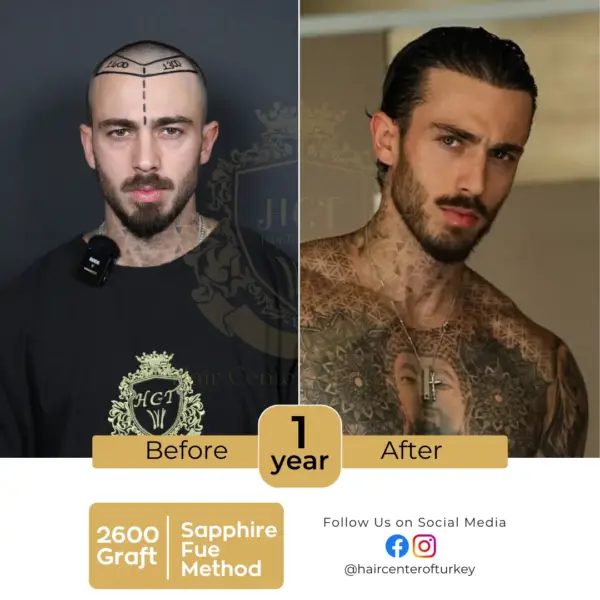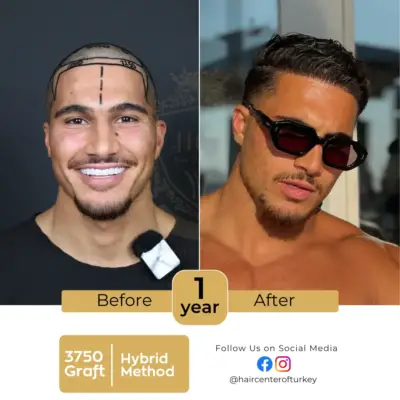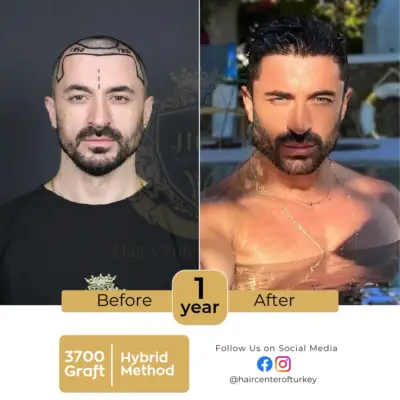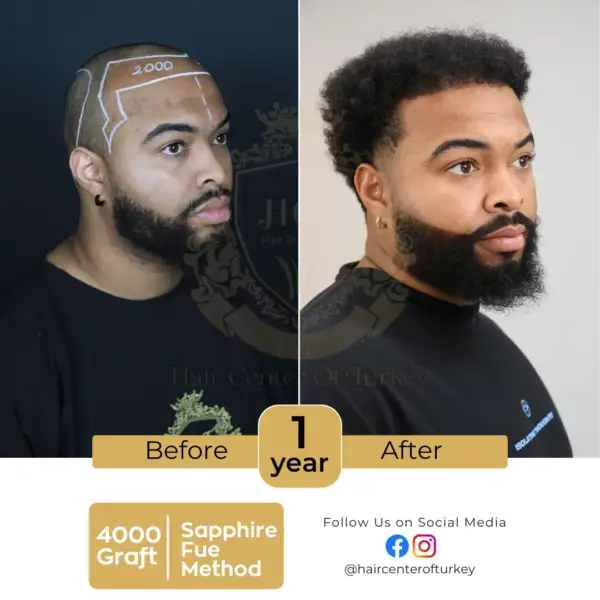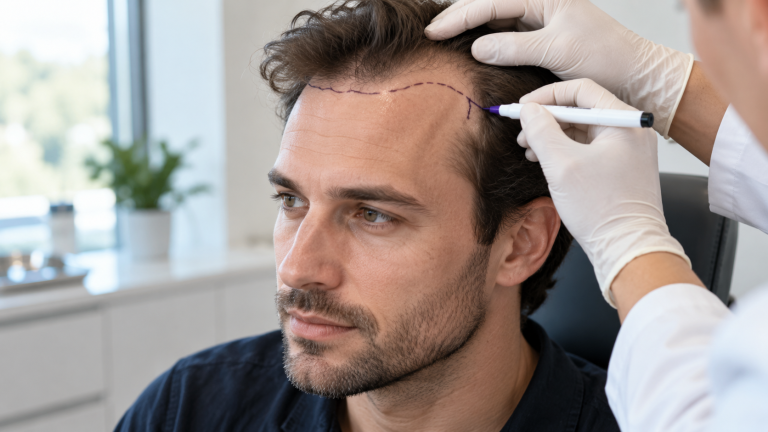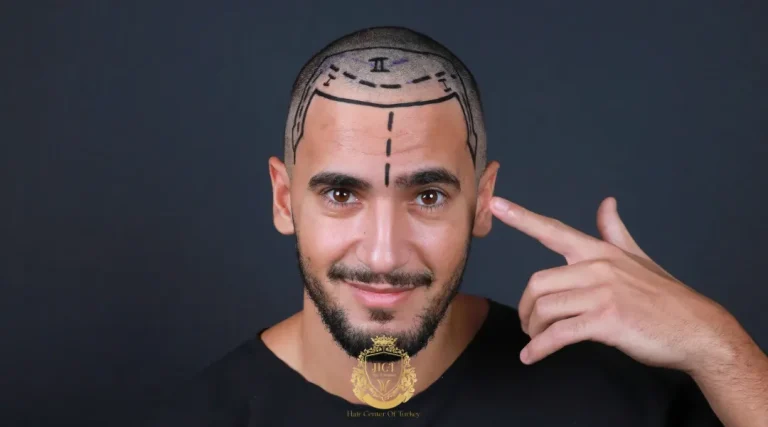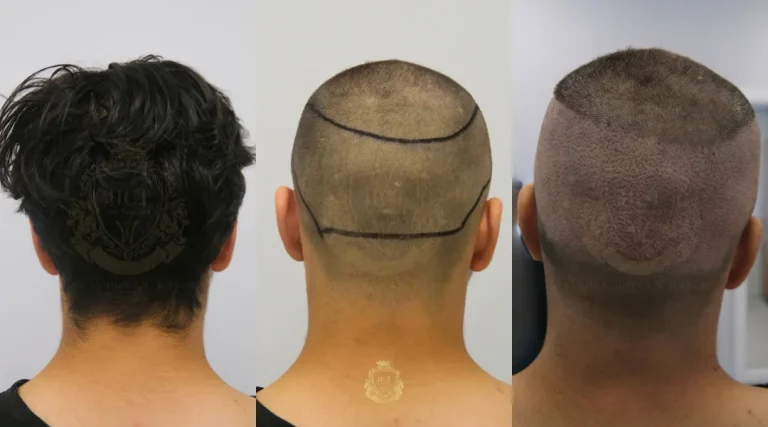


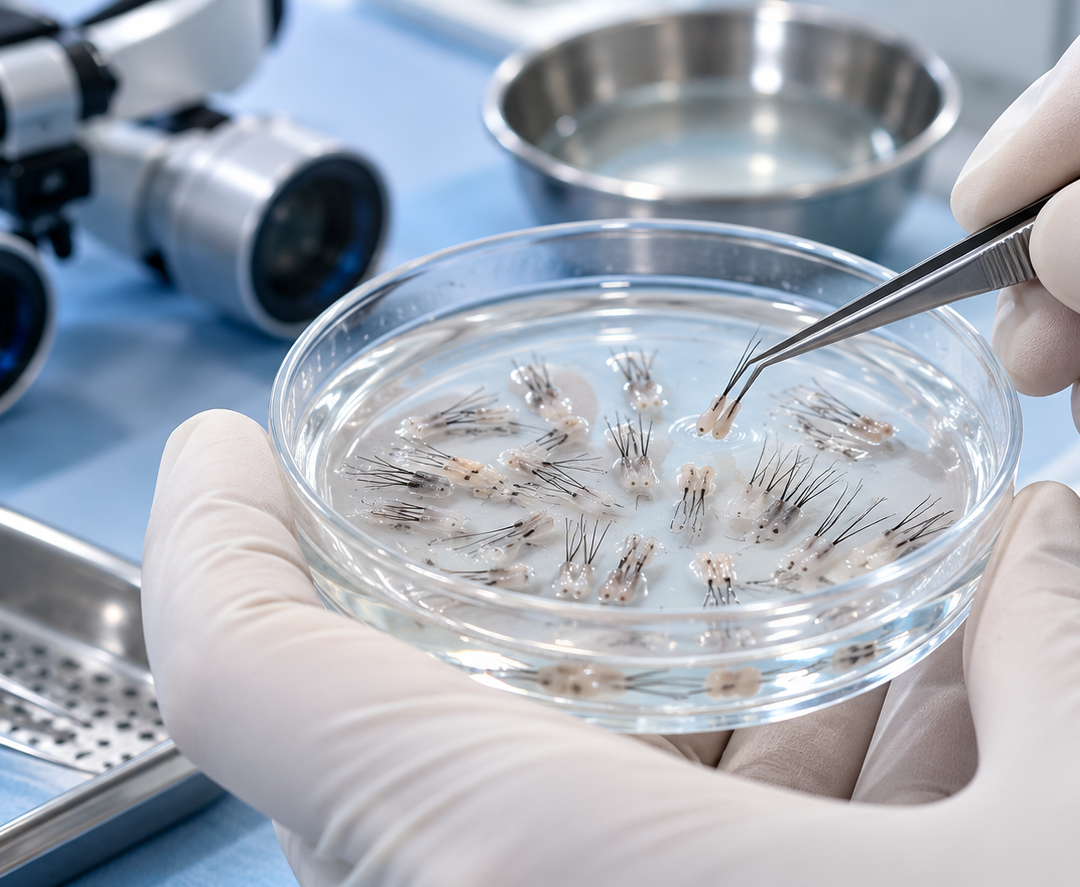
Grafts are removed by FUE or FUT, kept hydrated in a holding solution outside the body, then placed into recipient sites planned by the physician.
By Dr. Rasime Erkan
Hair graft extraction, storage and implantation are three linked stages. Follicular units are harvested individually by FUE or prepared from a strip of donor scalp by FUT. They are kept hydrated in a suitable holding solution, handled gently and placed into recipient sites planned to match natural hair growth. Hair Center of Turkey, founded in 2014, reports a team of three doctors and around 3,000 annual procedures in its published clinic information. International patients receive assessment before travel and follow-up guidance after returning home.
Every treatment plan starts with a physician-led assessment of donor supply, scalp health and realistic goals. This guide explains each clinical stage, the risks and exceptions, and why no method or clinic can guarantee graft survival.
Key takeaways
A graft is not the same as a hair. One graft usually holds 1–4 hairs.
DHI describes how grafts are implanted, not how they are extracted.
Graft survival depends on careful handling and individual healing. It is never guaranteed.
Graft vs Hair: What Is Actually Being Moved
A follicular unit graft is a natural cluster of usually one to four hairs. It also includes the small amount of tissue, oil gland and supporting structure around them. Hair grows in these groups in the scalp, so surgeons move each unit intact instead of splitting it into single strands. Keeping the unit whole protects the parts of the follicle that drive future growth.
Table of Contents
This matters when you compare quotes. The number of hairs per graft varies. For illustration, 3,000 grafts averaging two hairs each would contain about 6,000 hairs; a different mix changes that total. One clinic may quote “hairs” while another quotes “grafts”, and the numbers can look very different for similar procedures. Ask which unit is being counted before you compare plans.
How Hair Grafts Are Extracted: FUT vs FUE
Understanding how hair grafts are extracted starts with the donor zone. Both methods take follicles from the back and sides of the scalp. Hair there is usually more resistant to the hormonal thinning that affects the top of the head. The physician chooses a method after examining donor density, hair calibre, curl and the expected size of the procedure, so the FUT vs FUE decision is a medical judgement made for each patient. It has nothing to do with trends.
FUE Graft Extraction
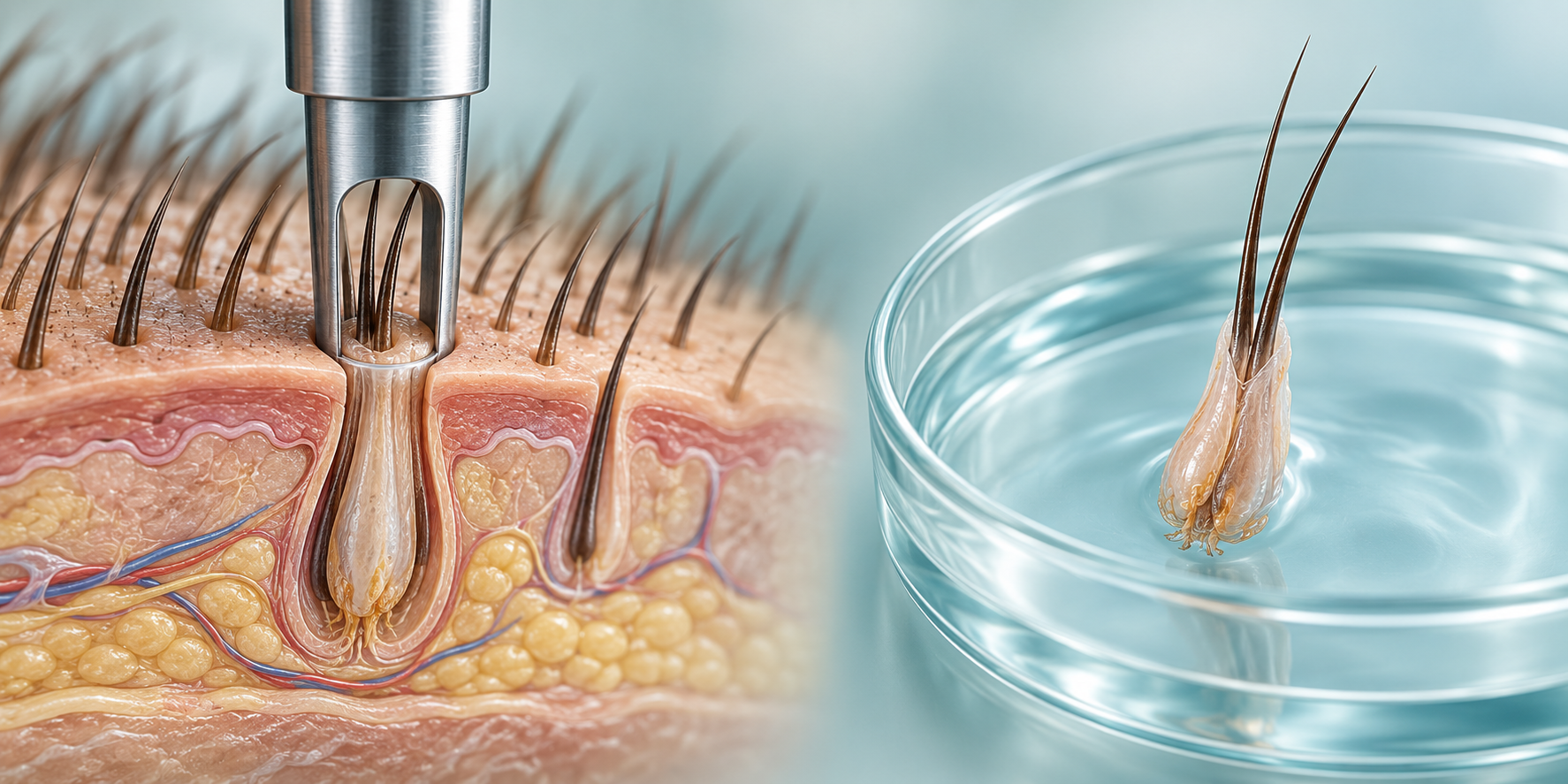
In FUE graft extraction, the surgeon uses a small circular punch to score the skin around a single follicular unit. The punch is commonly around 0.7–1.0 mm in diameter. The unit is then gently lifted out with fine forceps. Extractions are spread across the donor area so the remaining hair still covers it evenly.
FUE leaves tiny dot-like scars that are scattered rather than concentrated in one line. Punch size involves a trade-off. A smaller punch leaves smaller marks but may raise the risk of cutting follicles, especially with curly or angled hair. You can read more in our FUE hair transplant guide.
FUT Strip Harvesting
FUT removes a thin strip of scalp from the donor area, and the wound is then closed with sutures. Technicians divide the strip into individual follicular units under microscopes. This leaves a permanent linear scar, which can widen in some patients. Surrounding hair usually hides it, but it can show if the hair is worn very short.
FUT still suits some patients. Examples include people who need a large number of grafts in one session and people who prefer not to shave the donor area. The choice depends on donor characteristics, scalp laxity, previous surgery and future hair loss. FUT remains a valid option when it fits the case.
Where DHI Fits
DHI is often presented as a third way to harvest hair, and this causes confusion. In practice, DHI implantation means placing grafts with pen-like implanter devices. The grafts are usually harvested by FUE. DHI is therefore a way of implanting grafts, not a separate extraction method.
Hair Graft Storage Solution and Graft Survival Outside the Body
Storage is the middle link in hair graft extraction storage and implantation, and it is the one patients rarely see. Once a graft is removed, it no longer has a blood supply. The priority is to keep it moist and undamaged until it is implanted. Grafts go into a suitable hair graft storage solution, commonly chilled saline or lactated Ringer’s, and some clinics use specialised storage media. The basic aim is simple: a graft that dries out, even briefly, is less likely to grow.
How the grafts are handled matters as much as the liquid they are stored in. Grafts are sorted by hair count under magnification, so single-hair units can be saved for the hairline. Staff hold them by the surrounding tissue and avoid squeezing the bulb. The team also works to keep the time between extraction and placement as short as practical.
No single temperature or time limit applies to every case, and no storage solution can guarantee graft survival. There is limited evidence that specialised media work meaningfully better than standard solutions. Hydration, gentle handling and an efficient workflow are still the factors with the clearest practical value.
Follicular Unit Implantation and DHI Implantation: The Clinical Steps
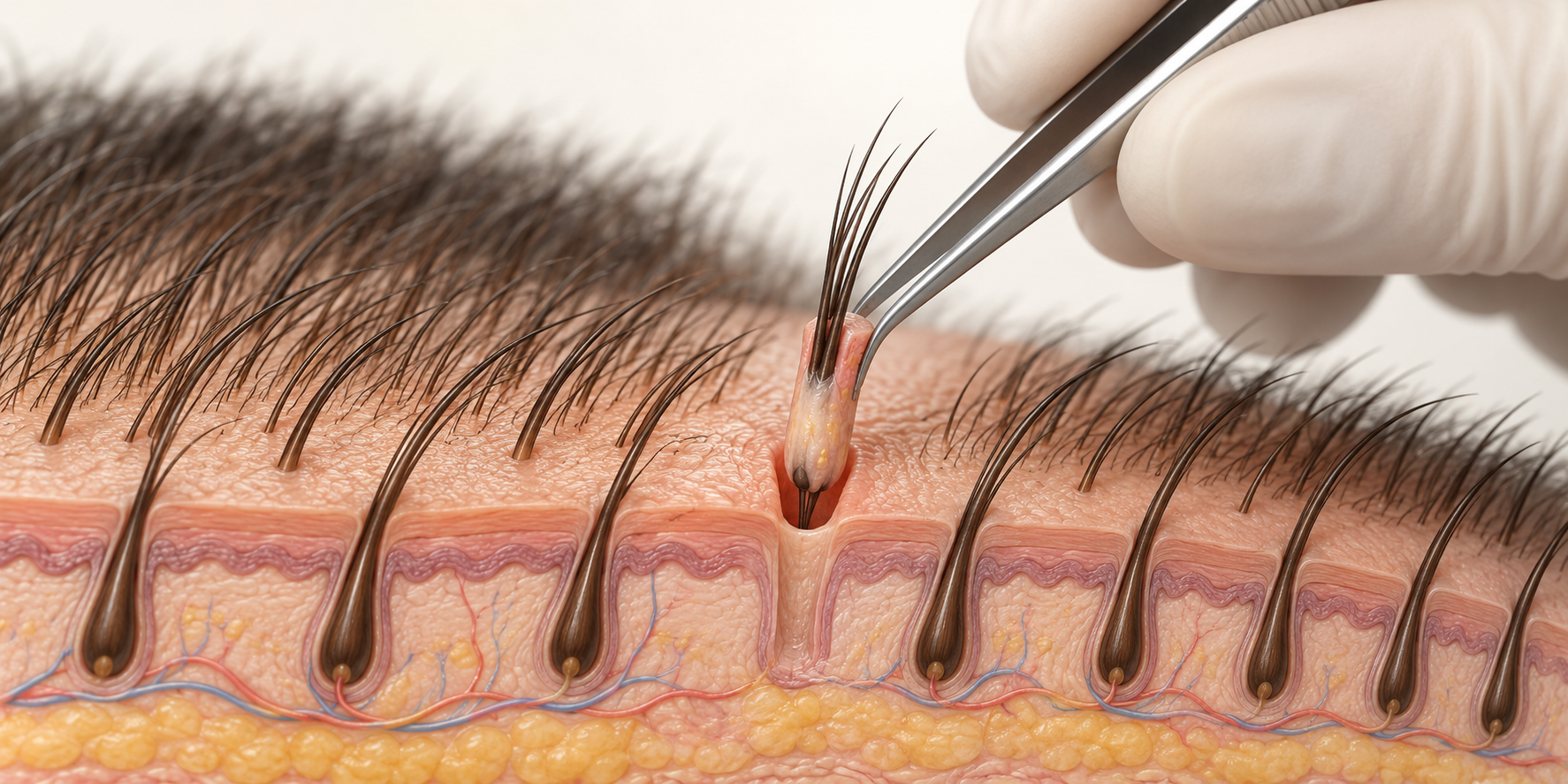
Follicular unit implantation is the stage patients see in the mirror a year later. For that reason, planning happens before a single graft is placed. The steps below show how hair graft extraction storage and implantation come together on the day of surgery.
Planning the Hairline and Graft Distribution
The doctor assesses donor capacity, the pattern and likely progression of hair loss, the patient’s medical history and their expectations. Based on this, the physician designs the hairline and decides where density is needed most. Not everyone is a suitable candidate. The donor area may be too thin, for example, or the hair loss may still be changing quickly. Our article on how a natural hairline is designed explains this planning in more detail.
Creating Recipient Sites
Recipient sites are tiny openings made with slits, fine needles or implanter pens. Their angle and direction should match the native hair, because this decides how the transplanted hair will lie as it grows. Single-hair grafts usually go along the front of the hairline to give a soft edge. Two- and three-hair grafts are placed further back to build density.
Placing Grafts: Forceps or Implanter Pen
With the forceps method, grafts go into sites that were made beforehand. This gives the surgeon flexibility in how the grafts are distributed. With DHI implantation, a loaded implanter pen can make the site and place the graft in one step. Neither approach is best for everyone. The choice depends on the area being treated, the hair’s characteristics and the surgeon’s judgement. See our DHI hair transplant guide for more on this technique.
Early Aftercare and Follow-Up
For international patients, the first wash is usually done at the clinic. Patients also get instructions on protecting the grafts while sleeping and travelling. Scabs typically clear within about one to two weeks. After that, follow-up continues remotely through photos and check-ins from home.
PRP is sometimes offered as an optional extra. Evidence and protocols vary, and it should not replace careful graft handling or routine aftercare. It is not required for every patient.
Hair Graft Extraction Storage and Implantation: Risks, Exceptions and Graft Survival
Every stage of hair graft extraction storage and implantation carries some risk. During extraction, transection can occur, meaning a follicle is partly or fully cut as it is removed. Outside the body, grafts can be damaged by drying out or by being crushed during handling before they are placed.
Overharvesting the donor area is less visible but can be permanent. Taking too many grafts can leave the back and sides thin or patchy, and this is hard to correct later. For this reason, the physician sets a safe extraction limit for each patient instead of aiming for the highest possible graft count.
Other possible complications include infection, folliculitis (inflamed follicles that look like small pimples) and scarring. Some patients also have temporary shock loss of existing hair near the treated area. Most of these problems can be managed if they are reported early, which is one reason structured follow-up matters.
Growth itself varies. Many transplanted hairs shed in the first weeks, and new growth usually starts around months three to four. The final result is generally judged at about 12–18 months. Graft survival differs between patients, so honest clinics do not quote fixed success rates.
Why the Plan Matters More Than the Technique
Every technique used in hair graft extraction storage and implantation is a tool, not a promise. Good outcomes come from matching the method to the person: their donor supply, their hair type and the way their hair loss is likely to progress. A physician should decide the right method, graft number and plan after examining your scalp, hair and goals in person.
Frequently Asked Questions
u003cstrongu003eIs One Graft the Same as One Hair?u003c/strongu003e
No. A graft is a follicular unit that usually holds one to four hairs, so the total number of hairs moved is normally higher than the graft count. Always check which unit a clinic is quoting.
u003cstrongu003eIs DHI a Different Way of Extracting Grafts Than FUE?u003c/strongu003e
No. DHI describes how grafts are implanted with a pen-like tool. The grafts themselves are usually harvested by FUE. In the FUT vs FUE comparison, DHI belongs to the implantation stage.
u003cstrongu003eHow Long Can Grafts Stay Outside the Body?u003c/strongu003e
No single limit applies to every case. During hair graft extraction, storage and implantation, clinics keep grafts hydrated in a holding solution and handle them gently. They also keep out-of-body time short, because drying out and physical damage lower survival.
u003cstrongu003eWill Every Transplanted Graft Grow?u003c/strongu003e
Growth is not guaranteed. It depends on graft quality, handling, the condition of the recipient area and how you heal. Following your aftercare instructions also plays a part. Results are usually judged at about 12–18 months.
u003cstrongu003eCan Too Many Grafts Be Taken From the Donor Area?u003c/strongu003e
Yes. Overharvesting can leave the donor area visibly thin or patchy. The physician checks donor density before surgery and plans a safe extraction limit for each patient.
Sources and Further Reading
American Hair Loss Association, Hair transplant surgery procedures
International Society of Hair Restoration Surgery, Position statements
PubMed Central review article, PMC6371721
Related reading from Hair Center of Turkey: FUE hair transplant, DHI hair transplant and how a natural hairline is designed.
Clinic background: published clinic information (self-reported team and annual procedure figures). Written by Dr. Rasime Erkan. No separate medical review is claimed.