

Hair Center of Turkey, founded in 2014 and supported by 3 doctors with 3,000 annual operations, explains what people usually mean by “DHT cream” and whether these topical products can actually help with hair growth.
Quick Answer
A “DHT cream” is usually a topical product marketed to reduce DHT’s effect on scalp follicles, not DHT itself. The best-supported options are prescription topicals like topical finasteride or dutasteride — most botanical, over-the-counter blends have weaker evidence behind them. Early to moderate pattern hair loss responds best, and realistic results mean slower shedding and modest thickening over 3-6 months of consistent use, not dramatic regrowth.
DHT Cream for Hair Growth: Does It Really Work?
Most “DHT creams” are really DHT-blocking topical products meant to reduce DHT’s effect on scalp follicles. Results depend on the active ingredient: prescription topicals (such as topical finasteride) have more support than many over-the-counter blends. Used consistently and safely, some people see slower shedding or modest thickening, but expectations should stay realistic.What People Mean By “DHT Cream”
DHT itself does not grow hair. When people say “DHT cream,” they almost always mean a topical DHT blocker—either a prescription medication mixed into a topical base or an over-the-counter product marketed to support hair density. The goal is to reduce DHT-driven miniaturization in areas prone to pattern hair loss.How DHT Affects Hair Follicles
Dihydrotestosterone (DHT) is a hormone made from testosterone. In genetically susceptible scalps, DHT can shorten the hair growth cycle and gradually shrink follicles, so hairs come in finer and shorter over time. This miniaturization process is a hallmark of androgenetic alopecia (male and female pattern hair loss).
Common Ingredients In DHT-Blocking Creams
Formulas vary widely, and labels can be confusing. Some products rely on botanical extracts with limited clinical data, while others contain prescription-strength actives that need medical guidance. Below are the ingredients you’ll see most often.Topical finasteride or dutasteride (prescription)
These medications block the enzyme that converts testosterone to DHT. Topical versions aim to focus the effect on the scalp rather than the whole body, but some absorption can still happen. Because they are drugs, dosing, compounding quality, and safety screening matter.Ketoconazole
Ketoconazole is an antifungal ingredient more commonly found in shampoos than creams. It may help scalp inflammation and dandruff, and it’s sometimes used as a supportive option in people with pattern hair loss. On its own, it usually isn’t a complete solution for androgenetic alopecia.Saw palmetto and other botanicals
Saw palmetto is often marketed as a natural DHT blocker. Evidence for hair regrowth from topical botanical blends is mixed, and results are typically subtle when they appear. Quality also varies, so two products with the same headline ingredient can perform very differently.Caffeine and “follicle stimulants”
Caffeine is sometimes included to support follicle activity and counter certain lab-measured effects of DHT. It may be a helpful add-on for some routines, but it’s not a replacement for proven therapies when pattern hair loss is progressing. If a formula is mostly stimulants, set expectations accordingly.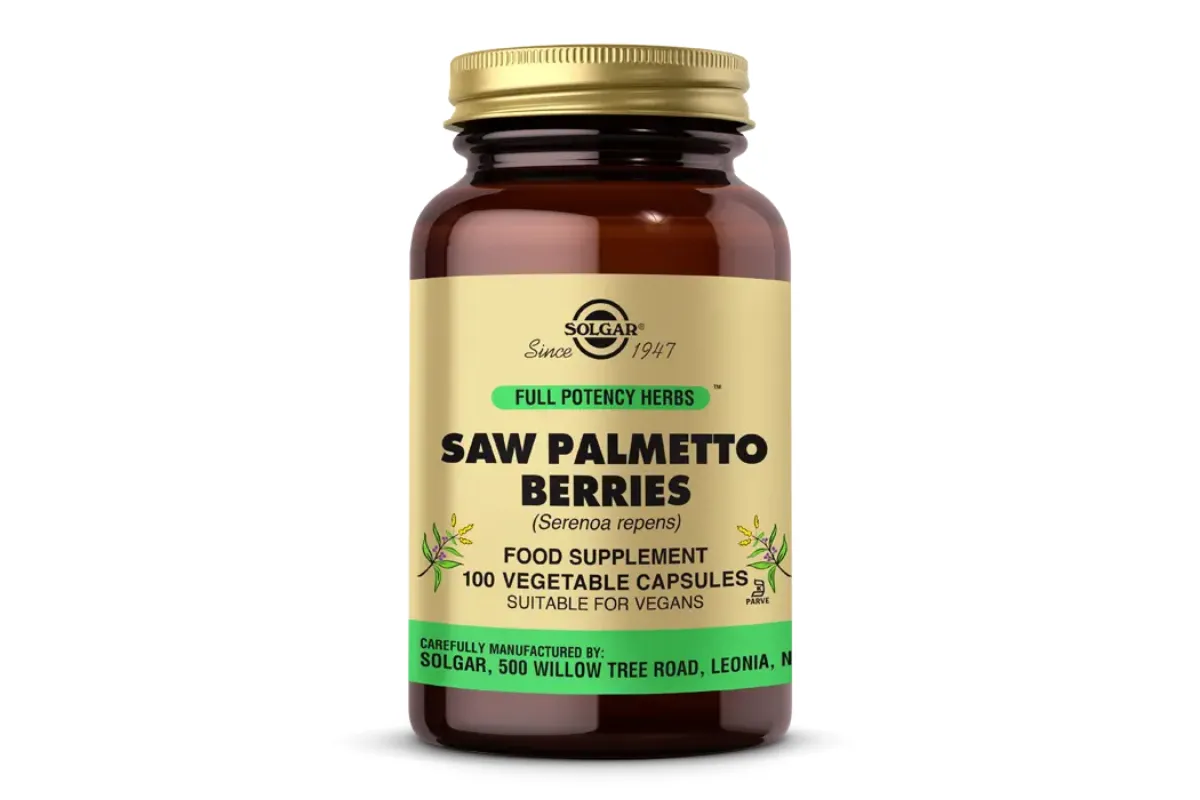
Does DHT Cream Work?
It can, depending on what’s in it and what type of hair loss you have. Prescription topical DHT blockers are more likely to help in androgenetic alopecia than cosmetic creams built around botanicals alone. Even then, the most common outcome is slowing loss and improving thickness rather than dramatic regrowth.Visible change usually takes months of consistent use.Who Is Most Likely To Benefit
People with early to moderate pattern hair loss tend to respond best. DHT-targeting products are less helpful for shedding driven by triggers like recent illness, childbirth, iron deficiency, or sudden stress (telogen effluvium). Scalp conditions such as seborrheic dermatitis or psoriasis can also worsen shedding and may need separate treatment.How To Use DHT-Blocking Cream Safely
Apply only to the scalp, not the hair shaft, and follow the product’s instructions. Start with a small amount and patch test to check for irritation. Let the product dry fully before lying down, wearing hats, or allowing close skin contact to reduce transfer.If the product contains a prescription ingredient, use it under clinician guidance, especially if you have hormonal conditions or take other related medications.
Possible Side Effects And Risks
Irritation is the most common issue, including redness, itching, flaking, or a burning sensation. Fragrances, alcohol bases, and essential oils can trigger sensitivity in some people. With prescription anti-androgens, systemic absorption can occur, which may raise the risk of sexual side effects or hormonal symptoms in a small subset of users.Anyone who is pregnant, trying to conceive, or breastfeeding should avoid exposure to finasteride or dutasteride unless a clinician has advised otherwise.Alternatives And Complementary Options
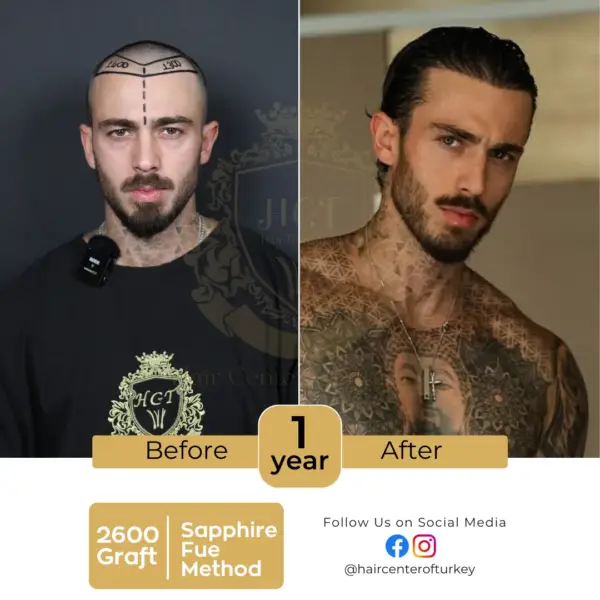
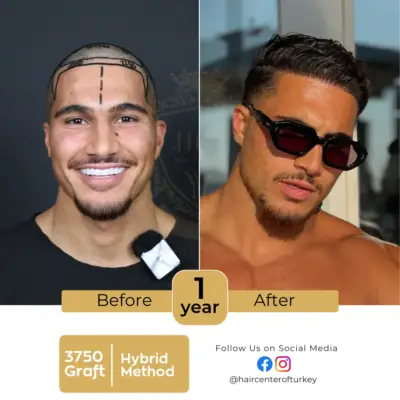
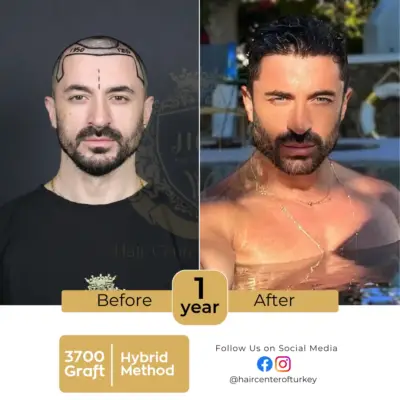
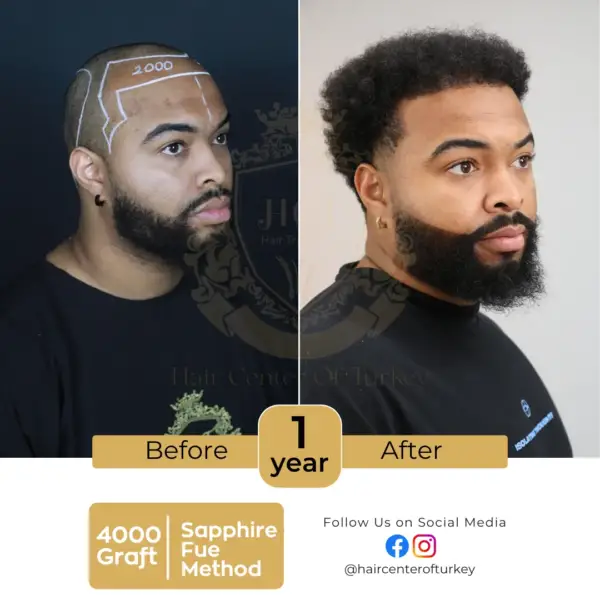
Minoxidil remains a widely used topical option for boosting growth and diameter, and it can be combined with DHT-targeting therapy in many routines. Oral finasteride is an established option for many men, while women may be offered different medical approaches depending on diagnosis and pregnancy status. Low-level laser devices, PRP, and microneedling may help some people as add-ons, but results vary.For advanced loss, hair transplantation can offer the most visible density noticeable in thinning zones.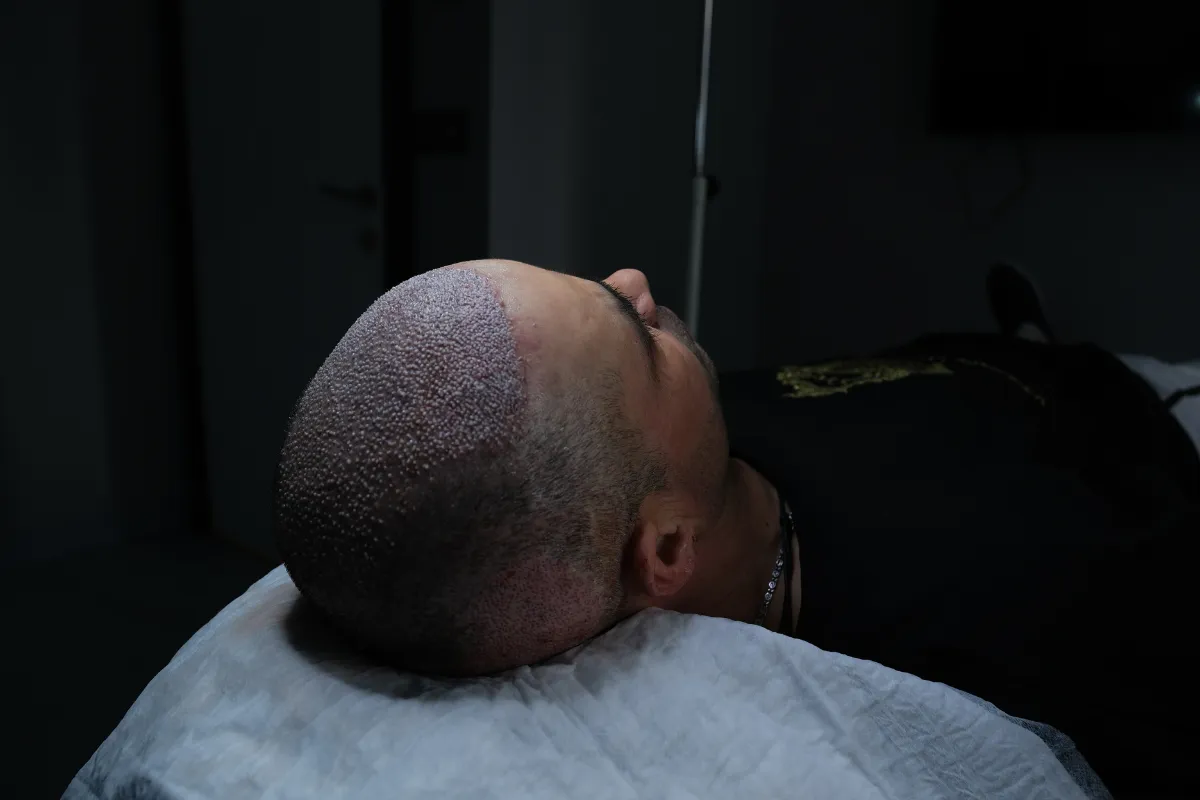
When To See A Dermatologist Or Trichologist
Get a professional assessment if hair loss is rapid, patchy, painful, or paired with scalp sores. It’s also worth checking in if you have heavy shedding for longer than a few months or if you suspect an underlying trigger like thyroid disease, low iron, or medication changes. A clear diagnosis saves time and helps you choose treatments that match the cause.F.A.Q. (Frequently Asked Questions)
How long does it take to see results?
Most hair treatments need time because follicles grow slowly. Many people judge progress after three to six months of consistent use, with fuller results taking longer. Photos taken in the same lighting can help you track change more accurately.Can women use DHT-blocking creams?
Some women use topical DHT blockers, but suitability depends on the diagnosis and pregnancy plans. Products containing finasteride or dutasteride require medical advice, especially due to pregnancy-related safety concerns. A clinician can also help rule out non-DHT causes that are common in women.Is a cream as effective as oral finasteride?
It depends on the formulation, dose, and how your body absorbs it. Oral finasteride has more established evidence overall, while topical versions aim to reduce systemic exposure. If side effects, convenience, or long-term plans are factors, discuss the pros and cons with a clinician.Can I combine a DHT cream with minoxidil?
Many routines pair a DHT-targeting product with minoxidil, since they work through different mechanisms. Layering can increase irritation in sensitive scalps, so introduce one product at a time and watch how your skin reacts. If you’re using a prescription topical, follow your prescriber’s instructions.Is a DHT cream the same as a DHT blocker?
No. In most cases, people mean a topical DHT blocker rather than a cream that adds DHT. The product is designed to reduce DHT’s effect on scalp follicles, not to supply more of the hormone.
Can DHT-blocking creams regrow hair?
They may slow shedding and modestly improve thickness, especially in early to moderate androgenetic alopecia. Dramatic regrowth is uncommon, and realistic results usually take 3-6 months of consistent use.
How long does it take to see results?
Most hair treatments need time because follicles grow slowly. Many people judge progress after three to six months of consistent use, with fuller results taking longer. Photos taken in the same lighting can help you track change more accurately.
Can women use DHT-blocking creams?
Some women use topical DHT blockers, but suitability depends on the diagnosis and pregnancy plans. Products containing finasteride or dutasteride require medical advice, especially due to pregnancy-related safety concerns. A clinician can also help rule out non-DHT causes that are common in women.
Is a cream as effective as oral finasteride?
It depends on the formulation, dose, and how your body absorbs it. Oral finasteride has more established evidence overall, while topical versions aim to reduce systemic exposure. If side effects, convenience, or long-term plans are factors, discuss the pros and cons with a clinician.
Can I combine a DHT cream with minoxidil?
Many routines pair a DHT-targeting product with minoxidil, since they work through different mechanisms. Layering can increase irritation in sensitive scalps, so introduce one product at a time and watch how your skin reacts. If you're using a prescription topical, follow your prescriber's instructions.
Is a DHT cream the same as a DHT blocker?
No. In most cases, people mean a topical DHT blocker rather than a cream that adds DHT. The product is designed to reduce DHT's effect on scalp follicles, not to supply more of the hormone.
Can DHT-blocking creams regrow hair?
They may slow shedding and modestly improve thickness, especially in early to moderate androgenetic alopecia. Dramatic regrowth is uncommon, and realistic results usually take 3-6 months of consistent use.
Explore the complete guide: Hair Loss Treatments