

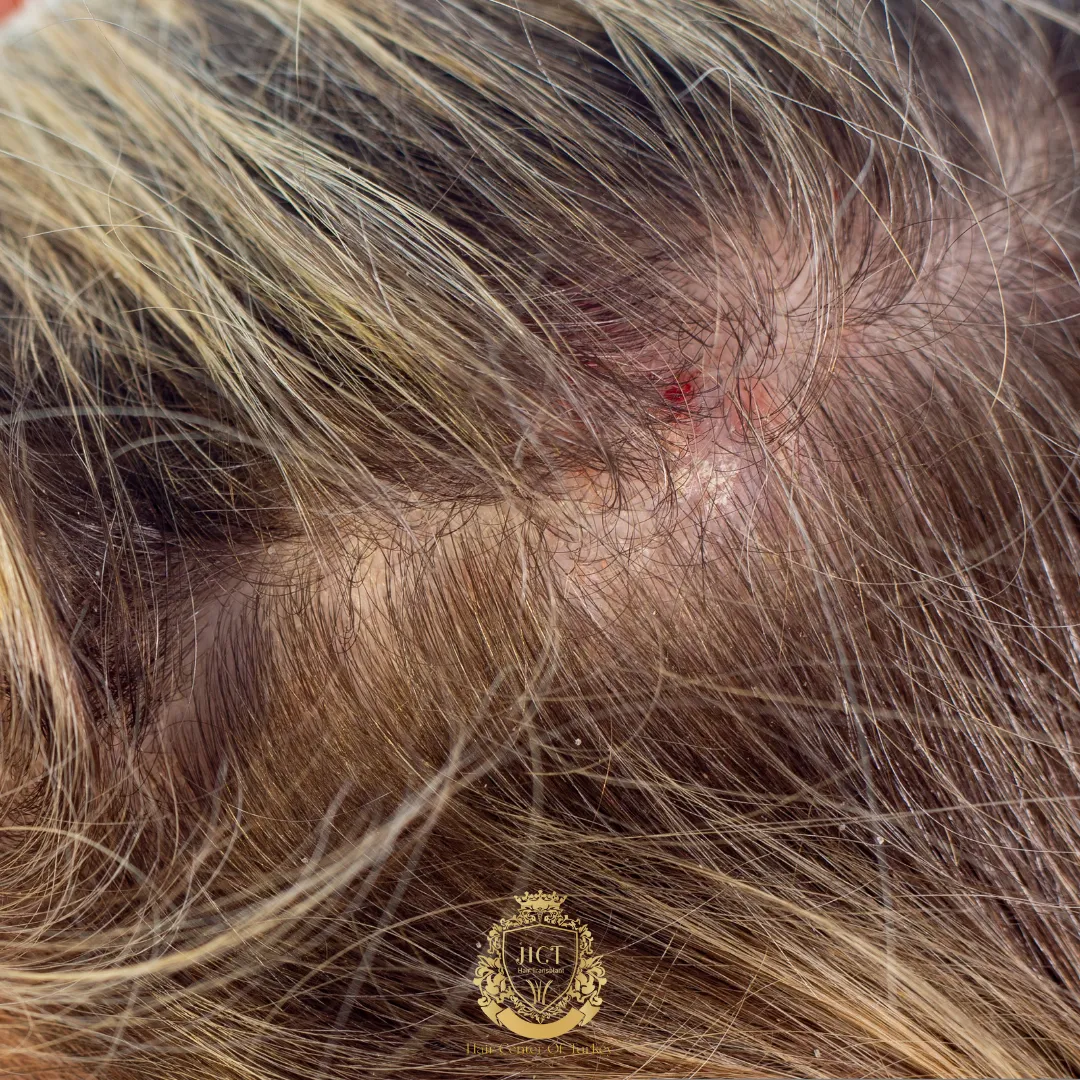
Hair Center of Turkey helps patients understand and treat common scalp problems, including the burning sensation many people feel on the scalp. Here we explain the main causes of a burning scalp, the symptoms that usually come with it, and the treatment options that actually help.
A burning scalp is most often a sign of irritation or inflammation — common triggers include seborrheic dermatitis, psoriasis, sunburn, stress, and harsh hair products. The right treatment depends on the underlying cause, so persistent or severe burning should be checked by a doctor.
Table of Contents
Burning Scalp: Causes, Symptoms, And Treatments
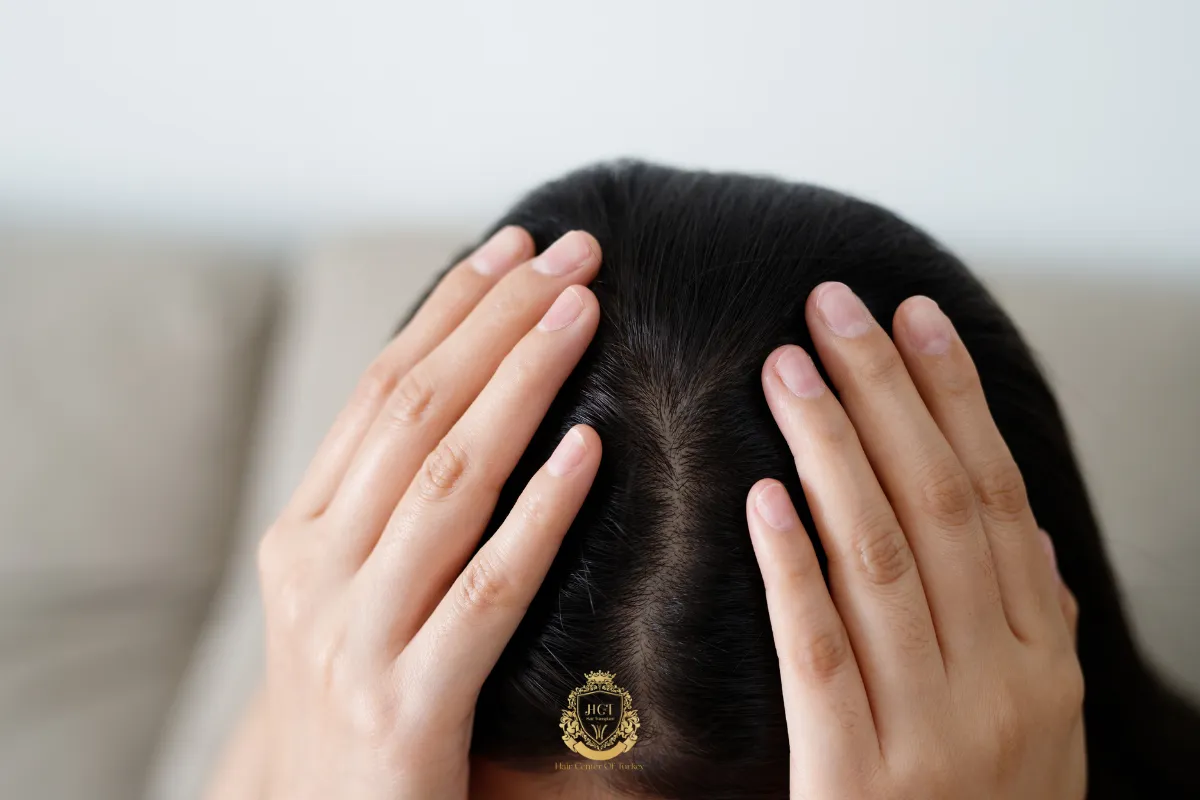
A burning scalp usually comes from inflammation or heightened sensitivity in the scalp skin or nerves. Common triggers include dandruff (seborrheic dermatitis), allergic reactions to hair products, psoriasis, fungal infection, sunburn, and stress. The right fix depends on the cause—medicated shampoos, gentler routines, or medical treatment for infections or persistent pain.
What Is A Burning Scalp?
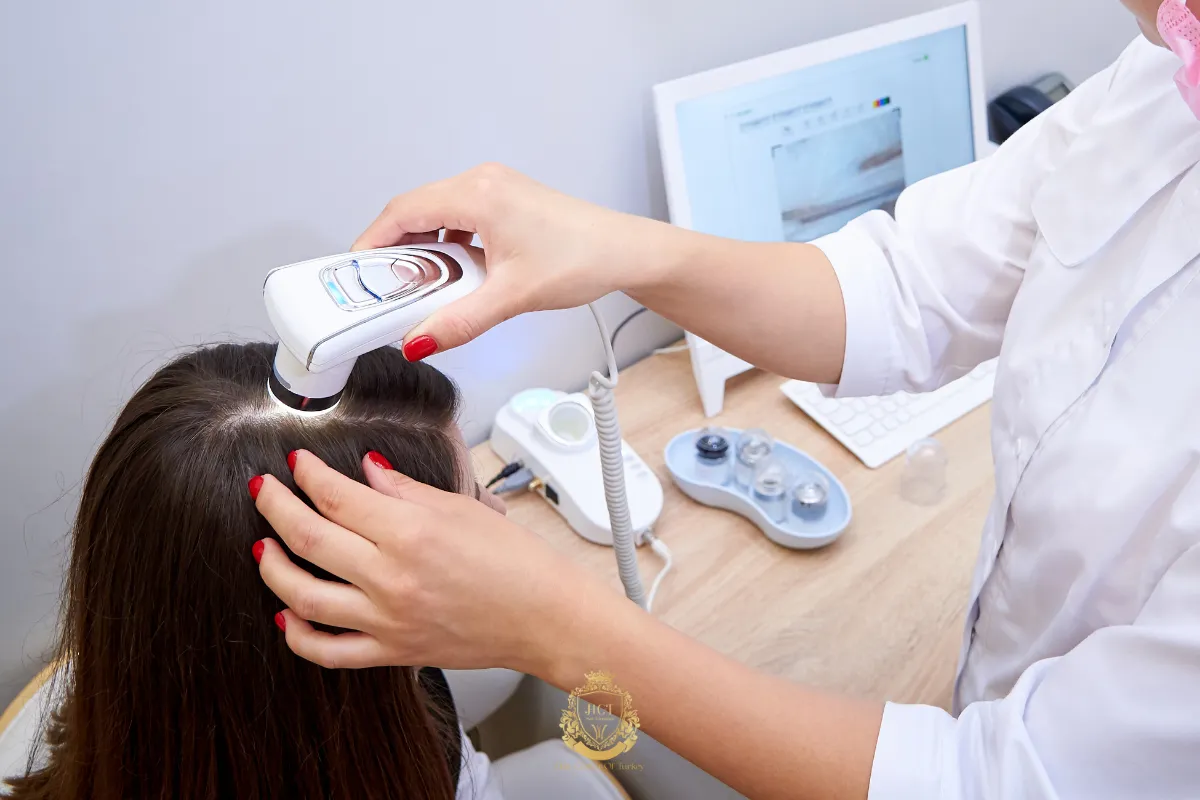
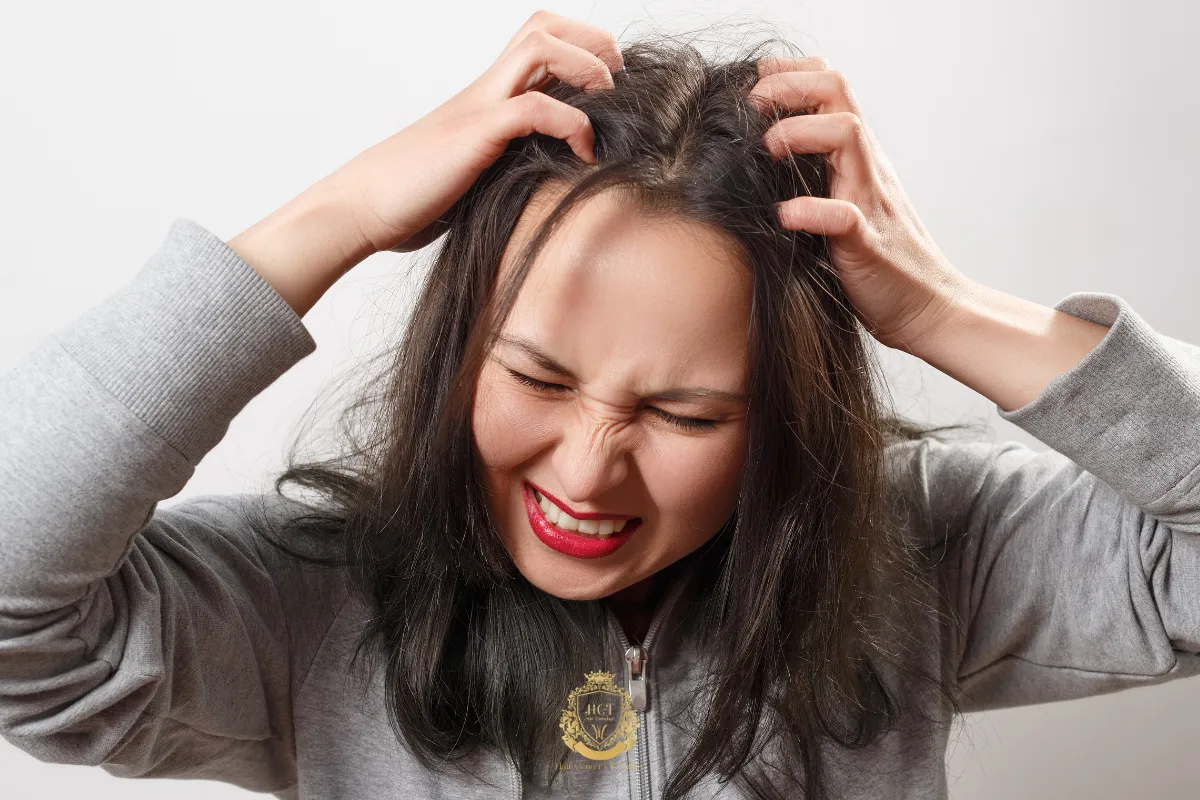
A burning scalp is a warm, stinging, or raw sensation on the scalp. It can show up on its own or alongside itching, flaking, tenderness, or pain. Some people feel it in one spot, while others notice it across the whole scalp. The pattern often points to what is triggering the irritation.
Common Causes Of Burning Scalp
Burning sensations usually come from inflammation, dryness, allergy, infection, or nerve sensitivity. More than one cause can overlap, so symptoms and recent changes in your routine matter. If the feeling started after switching a product, that clue is often the fastest route to relief.
Scalp Conditions
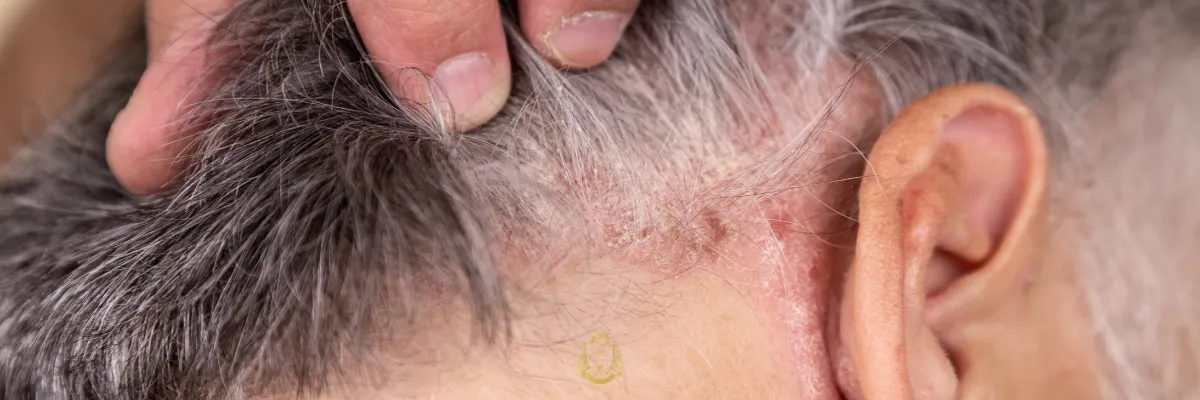
Seborrheic dermatitis (dandruff) can cause redness, greasy flaking, and a burning or sore feeling, especially around the hairline. Psoriasis may create thicker, silvery scale and a tight, irritated sensation. Eczema can also inflame the skin and make the scalp feel hot or prickly. These conditions tend to flare and calm in cycles.
Irritation From Hair Products And Styling
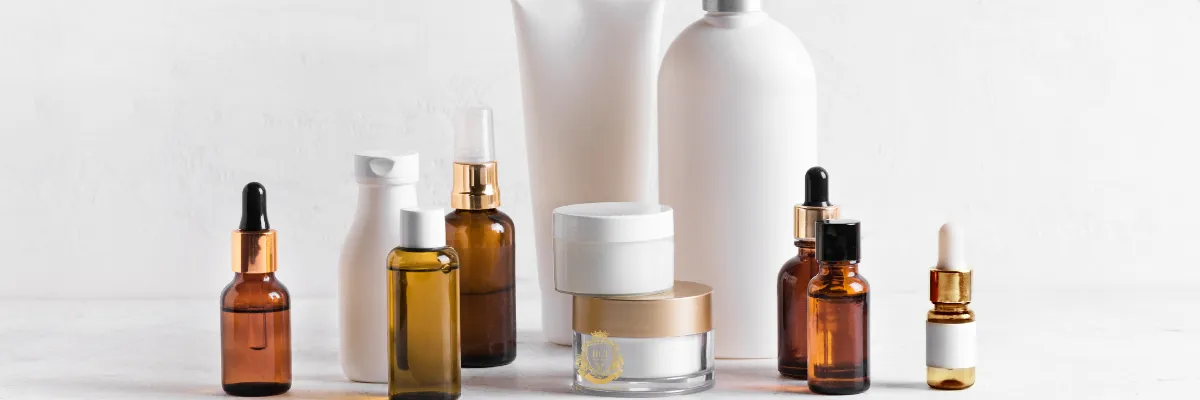
Hair dyes, bleach, fragrances, and some preservatives can irritate the scalp or trigger an allergy. Heat tools, tight hairstyles, and harsh brushing can add friction and inflammation. Frequent washing with strong shampoos may strip oils and leave the scalp dry and reactive. If symptoms line up with a new product or salon visit, contact irritation is a prime suspect.
Allergic Contact Dermatitis

An allergy can cause burning, itching, swelling, or oozing—sometimes hours or days after exposure. Common culprits include dye ingredients (such as PPD), fragrance mixes, and certain hair treatments. Reactions often spread beyond the scalp to the ears, eyelids, or neck. Patch testing by a clinician can confirm the trigger.
Fungal Or Bacterial Infection
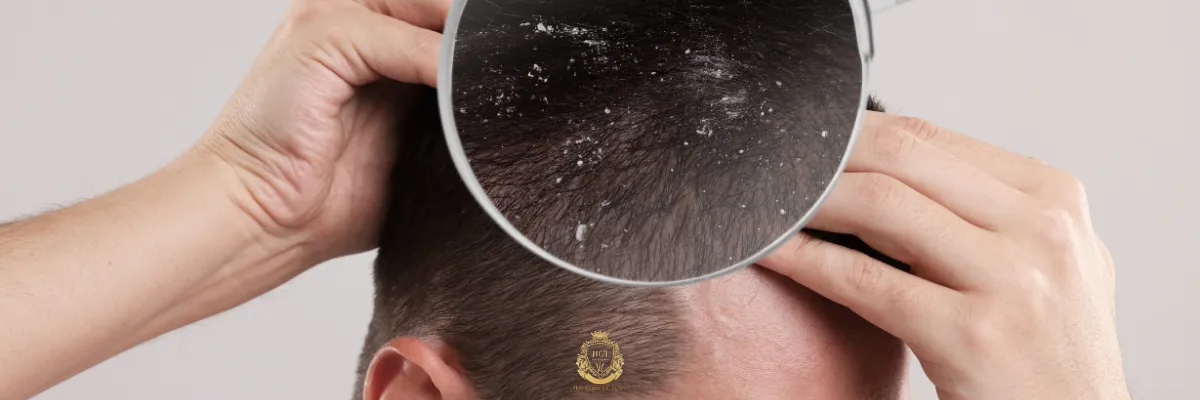
Scalp ringworm (tinea capitis) can lead to burning, scaling, broken hairs, or patchy hair loss. Folliculitis is an infection or inflammation of hair follicles that may feel tender, hot, or painful and can form small bumps or pustules. These problems usually need targeted treatment rather than basic dandruff shampoos. Early care also lowers the risk of ongoing irritation or hair shedding.
Stress, Anxiety, And Nerve Sensitivity

Stress can amplify skin inflammation and make normal sensations feel more intense. Some people develop scalp dysesthesia, a burning or painful feeling with little visible rash. Neck tension, posture issues, or nerve irritation may contribute. When symptoms persist without obvious skin changes, a medical review is worth it.
Symptoms That May Come With Burning
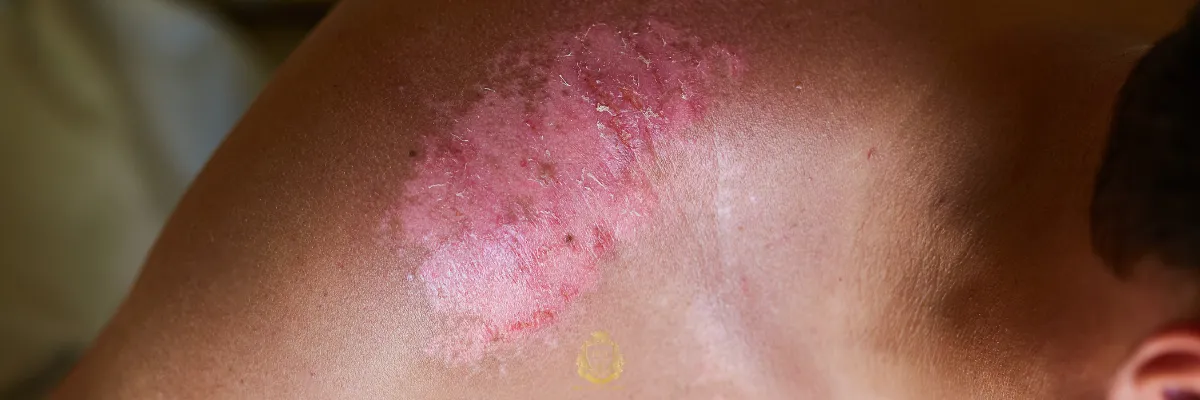
A burning scalp can appear with itching, flaking, redness, or tenderness. You might notice tightness, sensitivity when brushing, or soreness around hair follicles. In infections, bumps, crusting, drainage, or swollen lymph nodes can occur. Sudden hair shedding or patchy hair loss can also be a sign that needs prompt attention.
How Burning Scalp Is Diagnosed
Diagnosis starts with a close look at the scalp and a review of recent exposures, hair products, and salon treatments. Your clinician may examine scales or hairs under a microscope, take a culture for fungus or bacteria, or recommend allergy patch testing. If nerve pain is suspected, they may ask about headaches, neck pain, or tingling. The goal is to match treatment to the real driver of irritation.
Treatment Options
The best treatment depends on what is causing the burning. If you are unsure, start by removing obvious irritants and choosing gentle care for one to two weeks. When symptoms are severe, spreading, or not improving, professional treatment is often faster and more effective.
At-Home Care That Often Helps

Pause new or strongly fragranced products and switch to a mild, fragrance-free shampoo. Avoid hot water, aggressive scrubbing, and tight hairstyles while the scalp settles. Cool compresses can calm stinging, and gentle moisturizers may help dryness. If sunburn is the cause, keep the scalp covered and avoid peeling the skin.
Over-The-Counter Treatments
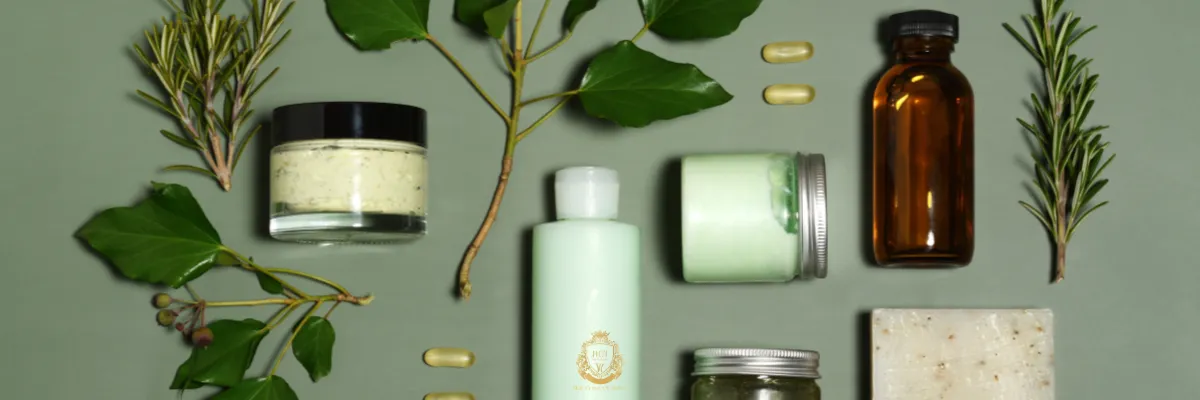
For dandruff-type flaking, medicated shampoos with ketoconazole, selenium sulfide, zinc pyrithione, salicylic acid, or coal tar can reduce inflammation and scale. Use them as directed and leave the lather on the scalp for a few minutes before rinsing. If itching and redness are prominent, a short course of low-strength hydrocortisone lotion may help, unless your clinician has advised against it. Stop any product that makes burning worse.
Prescription Treatments

Moderate to severe dermatitis or psoriasis may need prescription-strength anti-inflammatory treatments, such as topical corticosteroids or steroid-sparing options. Fungal infections usually require oral antifungals, not just topical products. Folliculitis may need topical or oral antibiotics depending on severity. Your clinician can also advise on scalp-friendly routines that prevent flare-ups.
When To See A Doctor
Seek care if you have intense pain, swelling, pus, fever, or rapidly spreading redness. Book an appointment if burning lasts longer than two weeks, keeps recurring, or comes with patchy hair loss. Also get checked if you suspect a dye allergy or if the scalp looks normal but feels persistently painful or hot. These patterns often need a tailored diagnosis and treatment plan.
Prevention Tips
Introduce new hair products one at a time so you can spot triggers quickly. Choose gentle, fragrance-free formulas if you have a sensitive scalp, and avoid overusing heat tools or chemical treatments. Protect part lines with hats or scalp sunscreen when outdoors. If you have a known scalp condition, staying consistent with maintenance treatments can reduce flares.
Frequently Asked Questions
Why does my scalp burn and itch
Common causes include dermatitis, psoriasis, allergy, infection, neuropathy, or stress-related dysesthesia.
How to stop burning sensation on scalp
Use gentle shampoo, avoid irritants, apply cool compresses; seek care if persistent.
Burning scalp home remedies
Cool compresses, fragrance-free moisturizer, colloidal oatmeal, and anti-dandruff shampoo may soothe.
Burning scalp syndrome thyroid
Thyroid imbalance can worsen dryness/itch and neuropathic sensations; treating thyroid may help.
Scalp dysesthesia treatment
Treat triggers; consider topical anesthetic, gabapentin-type meds, and stress/neck management.
Can seborrheic dermatitis cause a burning scalp?
Yes. Seborrheic dermatitis is one of the most common triggers — it inflames the skin and leaves the scalp red, flaky, and tender, often with a warm or stinging feeling around the hairline and crown.
Is a burning scalp contagious?
No. A burning scalp points to irritation, inflammation, or nerve sensitivity rather than an infection you can pass to someone else. The exception is an active fungal or bacterial infection behind it, which a doctor can identify and treat.
Why does my scalp burn after using hair products?
Dyes, bleaches, and some shampoos contain fragrances, sulfates, or preservatives that can irritate the skin or set off allergic contact dermatitis. The burning usually starts within minutes to a few hours of use and eases once you stop the product.
Can stress cause a burning scalp?
Yes. Stress raises nerve sensitivity and tension across the scalp, which can produce a burning or tingling feeling even when the skin looks completely normal.
Does a burning scalp lead to hair loss?
The burning itself doesn't pull hair out, but the condition behind it — folliculitis, psoriasis, or sustained inflammation — can damage follicles if it is left untreated. Treating the cause early protects the hair.
Explore the complete guide: Scalp Conditions and Hair Health