

At Hair Center of Turkey, a hair restoration clinic in Istanbul operating since 2014 with 3 experienced doctors and over 3,000 hair procedures per year, telogen effluvium is one of the most common temporary shedding conditions we see. Telogen effluvium is a type of diffuse, temporary hair shedding that occurs when many hairs shift into the resting (telogen) phase after a trigger such as illness, surgery, childbirth, major stress, or a nutrient deficiency. On this page, you’ll learn the main causes, symptoms, how telogen effluvium is diagnosed, and evidence-based treatment options.
Telogen Effluvium: Causes, Symptoms, and Treatments
Telogen effluvium is a type of temporary, diffuse hair shedding that happens when more hairs than normal shift into the resting phase. It often starts 2–3 months after a trigger like illness, surgery, childbirth, major stress, or a nutrient deficiency. Once the cause is corrected, shedding typically slows and hair gradually regrows over the following months.
What Telogen Effluvium Is
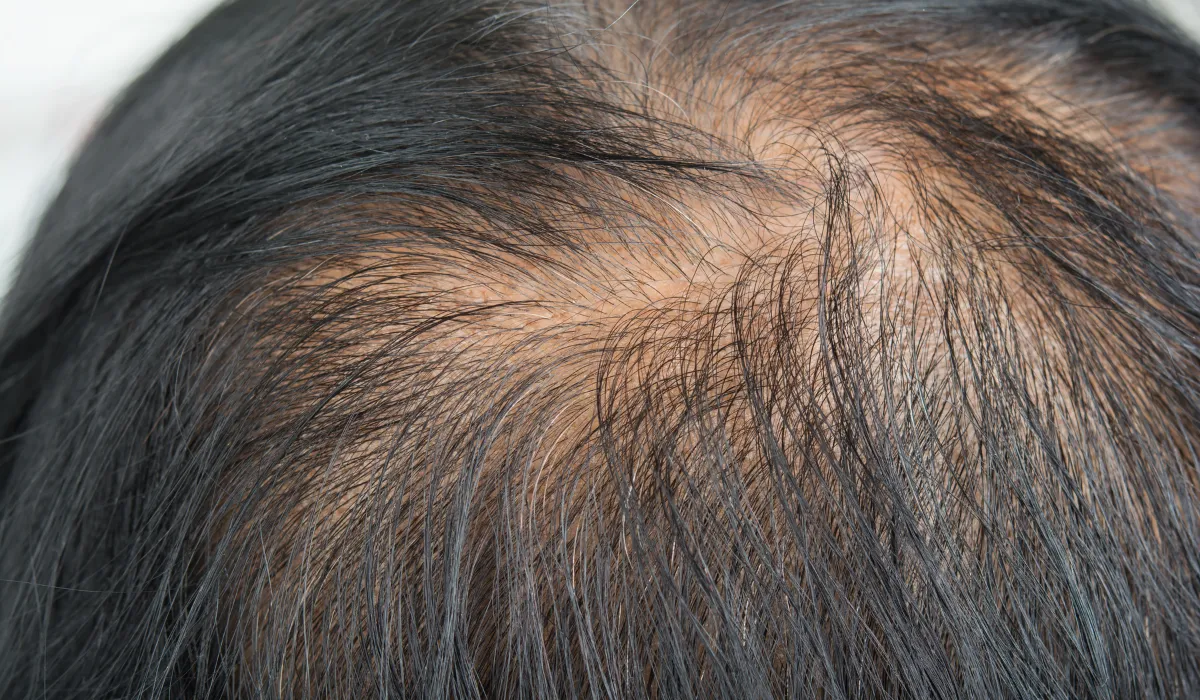
Hair grows in cycles: a long growth phase (anagen), a short transition phase (catagen), and a resting phase (telogen). With telogen effluvium, an unusually high number of follicles enter telogen at the same time, so more hairs shed than you’re used to. Unlike pattern hair loss, it usually affects the whole scalp rather than creating distinct bald spots.
Common Causes And Triggers
Physical stress and major events
High fever, severe infection, surgery, injury, rapid weight loss, or childbirth can shock the system and shift hairs into telogen.
Emotional stress
Major life stress can contribute, especially when it affects sleep, appetite, and overall health.
Hormonal changes
Postpartum hormonal shifts and thyroid disorders are well-known triggers, and addressing the imbalance often improves shedding.
Nutritional deficiencies
Low iron stores, inadequate protein intake, and low vitamin D or zinc can weaken growth signals in the follicle.
Medications
Some medicines can trigger shedding in susceptible people. Common examples include certain retinoids, anticoagulants, and antidepressants.
Chronic illness and inflammation
Autoimmune disease, chronic infections, and other long-term health conditions can disrupt the growth cycle.

Symptoms: What You Might Notice
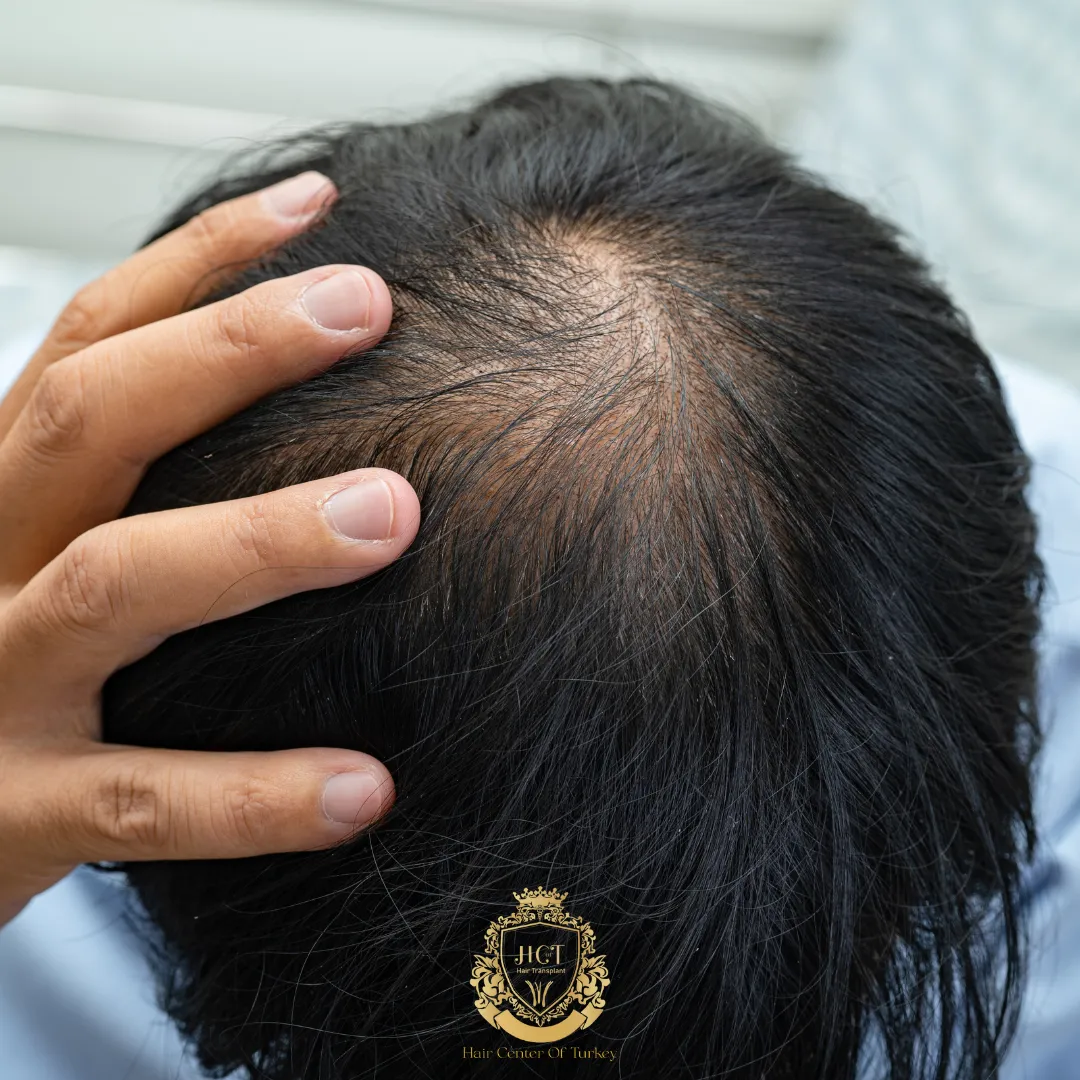
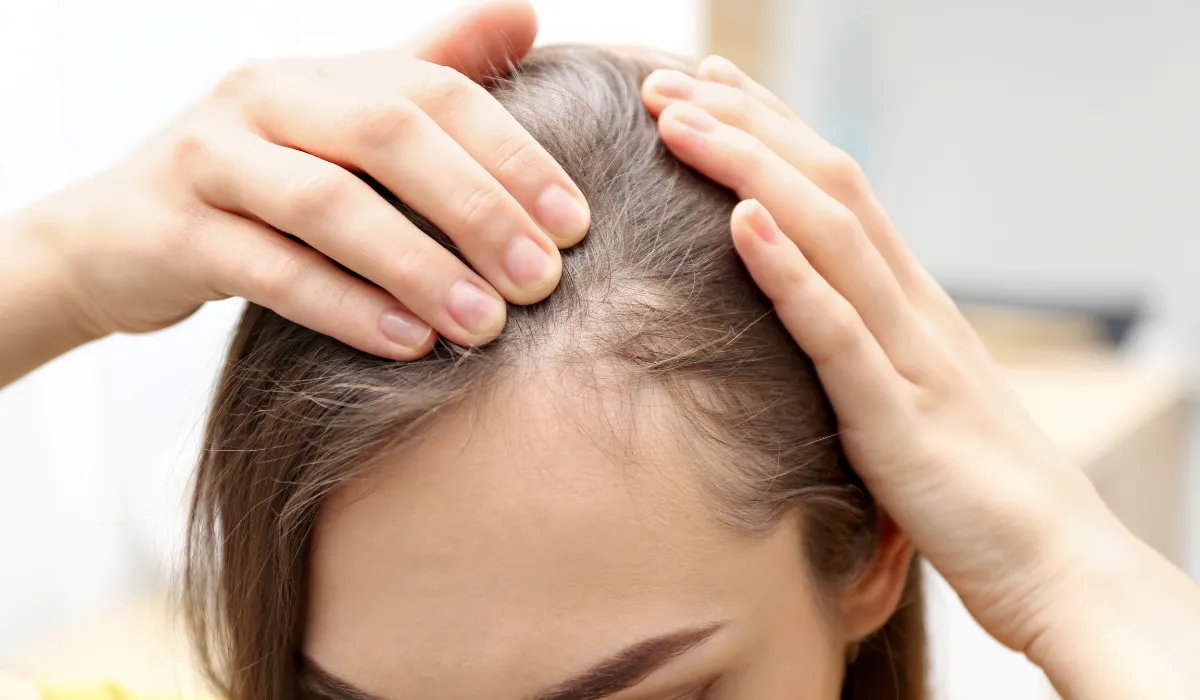
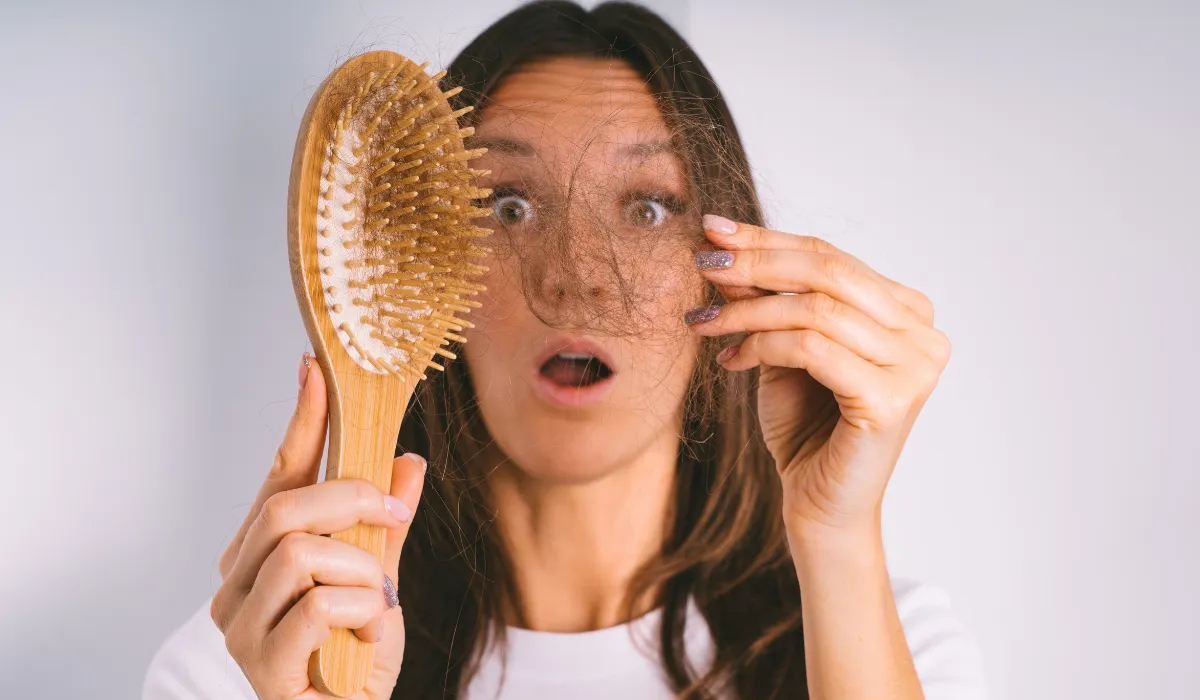
Telogen effluvium usually shows up as increased shedding rather than sudden bald patches. Many people notice hair on the pillow, in the shower drain, or in the brush. The scalp typically looks normal, without scarring.
- Diffuse shedding across the scalp, sometimes with handfuls of hair during washing.
- Overall thinning or a lower ponytail volume, often most noticeable at the crown.
- More short “regrowth” hairs at the hairline as shedding settles (a good sign).
- No smooth, round patches and no scarring.
How Telogen Effluvium Is Diagnosed
Diagnosis starts with a timeline: clinicians often look for a trigger 2–3 months before the shedding began. A dermatologist may do a gentle pull test, examine the scalp and hairs with magnification (trichoscopy), and review your health history. Blood tests are sometimes used to check for common contributors such as low iron stores, thyroid problems, and vitamin or mineral deficiencies.
Treatment Options
The most effective treatment is addressing the underlying trigger. Once the cause is removed or corrected, shedding usually improves over several weeks, while visible density can take months to return. If shedding persists beyond about six months, evaluation for chronic telogen effluvium or other causes is worthwhile.
Address the underlying cause
This might mean treating a thyroid disorder, recovering from illness, adjusting a diet that’s too restrictive, or discussing medication changes with your prescriber. Don’t stop prescription medicines on your own—ask a clinician to guide safe alternatives if needed.
Correct deficiencies with targeted supplements
Supplements can help when a confirmed deficiency exists (for example, low ferritin/iron stores). Taking high-dose supplements without testing can backfire, so it’s best to match supplementation to lab results and medical advice.
Topical and in-office options
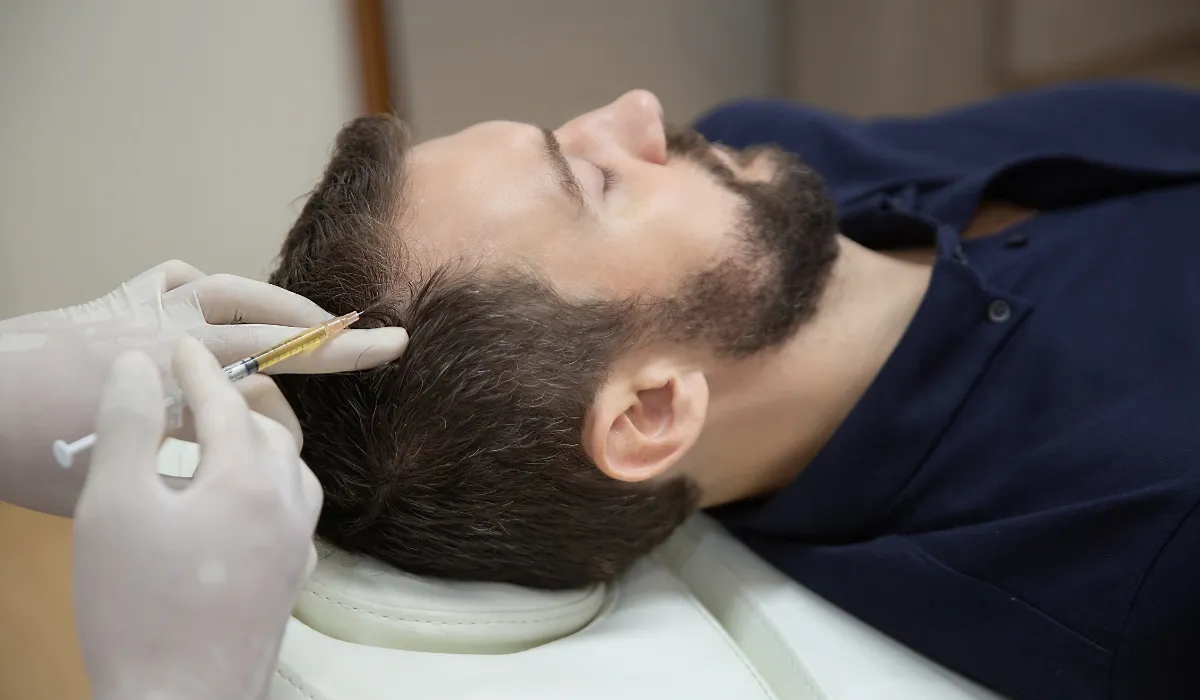
For some people—especially with longer-lasting shedding—a dermatologist may suggest topical minoxidil to support regrowth. Procedures such as low-level laser therapy or platelet-rich plasma (PRP) are sometimes offered; evidence and response can vary, so they’re best viewed as optional add-ons rather than first-line fixes.
Lifestyle Steps That Support Recovery
- Eat enough protein and calories, and avoid crash diets.
- Use gentle hair care: limit heat styling, avoid tight hairstyles, and be cautious with harsh chemical treatments.
- Prioritize sleep and stress reduction habits you can sustain (walks, breathing work, therapy, or structured relaxation).
- Treat scalp conditions such as dandruff or dermatitis, which can worsen irritation and breakage.

When To See A Dermatologist
Book an evaluation if shedding is heavy for more than 3–4 months, lasts longer than six months, or is paired with symptoms like scalp pain, scaling, redness, or sudden patchy loss. It’s also worth checking in if you have anemia symptoms, irregular periods, new thyroid symptoms, or recent medication changes. A targeted workup can rule out conditions that mimic telogen effluvium, such as pattern hair loss or alopecia areata.

Frequently Asked Questions
How long does telogen effluvium last?
Acute telogen effluvium often improves within 3–6 months once the trigger is resolved. Regrowth is gradual, and hair length takes longer to recover than shedding does.
Can telogen effluvium happen after COVID-19 or another infection?
Yes. Any significant infection with fever or major inflammation can trigger shedding a few months later. The pattern is similar regardless of the specific illness.
Will my hair grow back to normal?
Most people regain density over time if the underlying cause is addressed. If you also have pattern hair loss, you may see improvement but not a full return to your previous density.
Should I take biotin?
Biotin helps mainly when there’s a true deficiency, which is uncommon. If you want to use supplements, it’s smarter to test for iron and thyroid issues first and supplement what’s actually low.
What can I do right now to reduce shedding?
Focus on fixing obvious triggers (recent crash dieting, high stress, unmanaged thyroid issues), be gentle with styling, and consider a medical review of labs and medications if shedding is intense or prolonged.
Explore the complete guide: Hair Loss Types and Causes