

Can Hair Grow Back After Balding?
Hair can grow back after balding when the follicles are still active and the cause is treatable. Early thinning often responds better to consistent medical treatments, while long-standing slick bald areas usually need surgical restoration. The right option depends on your pattern of loss, overall health, and how quickly you act.
Can Hair Grow Back After Balding?
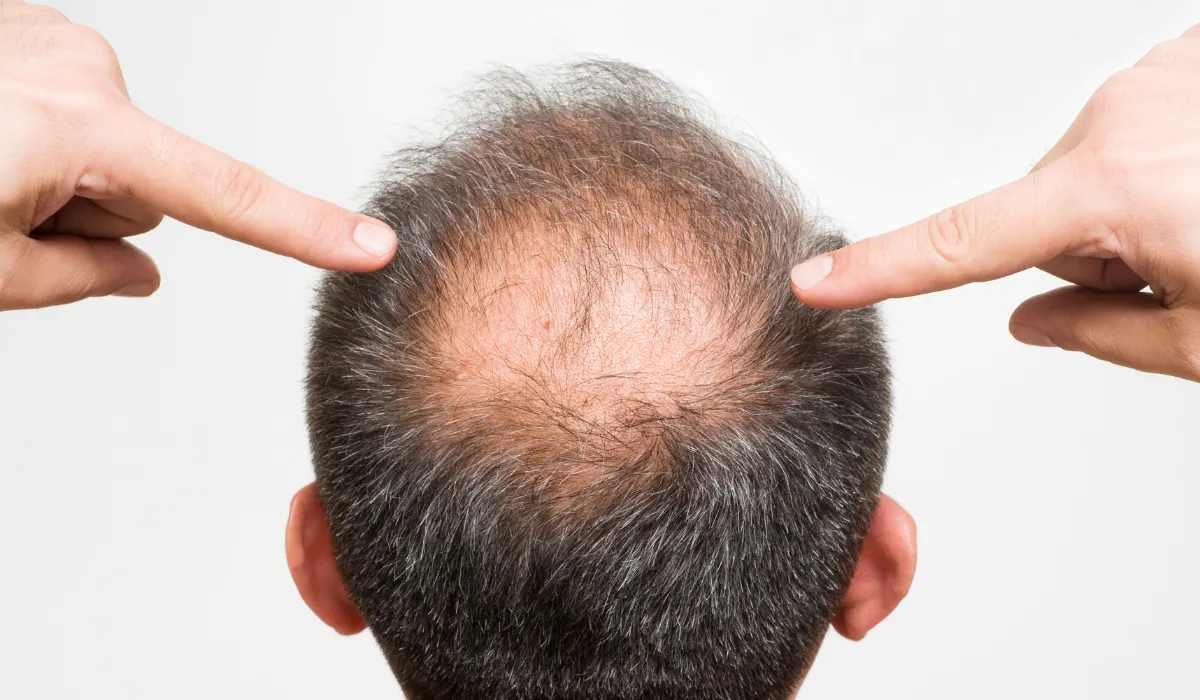
Sometimes, yes. If hair loss is recent and the follicles are still producing hair—even thin, miniaturized strands—there’s a chance to improve density with the right treatment plan.
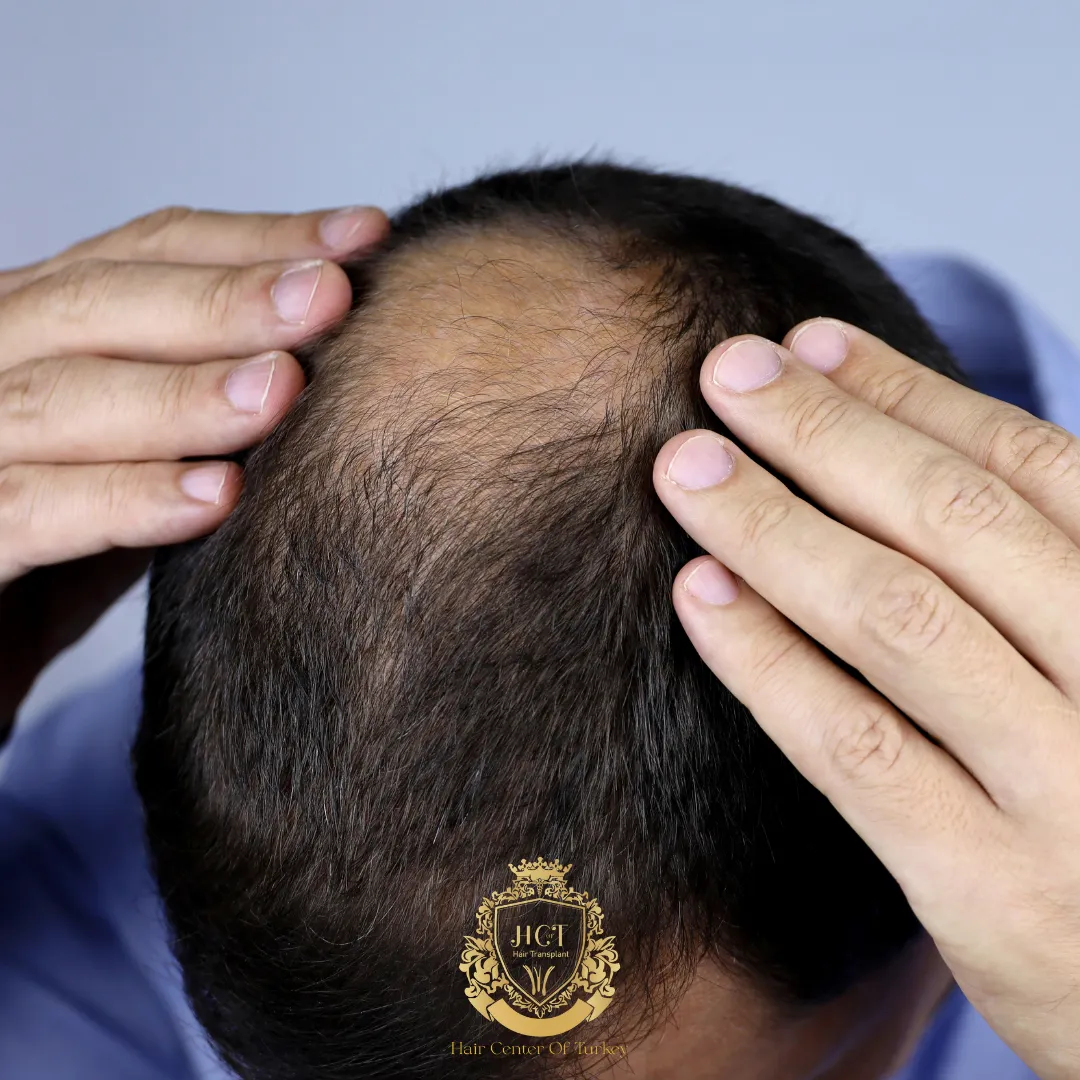
When an area has been completely smooth for a long time, the follicles are often inactive. In those cases, medications may slow further loss, but they usually won’t bring back hair where follicles are no longer functioning.
Why Hair Thins And Bald Spots Develop
Hair loss is a symptom, not a single diagnosis. The most common cause is androgenetic alopecia (pattern hair loss), but temporary shedding and medical triggers can look similar at first.
Genetics And DHT Sensitivity
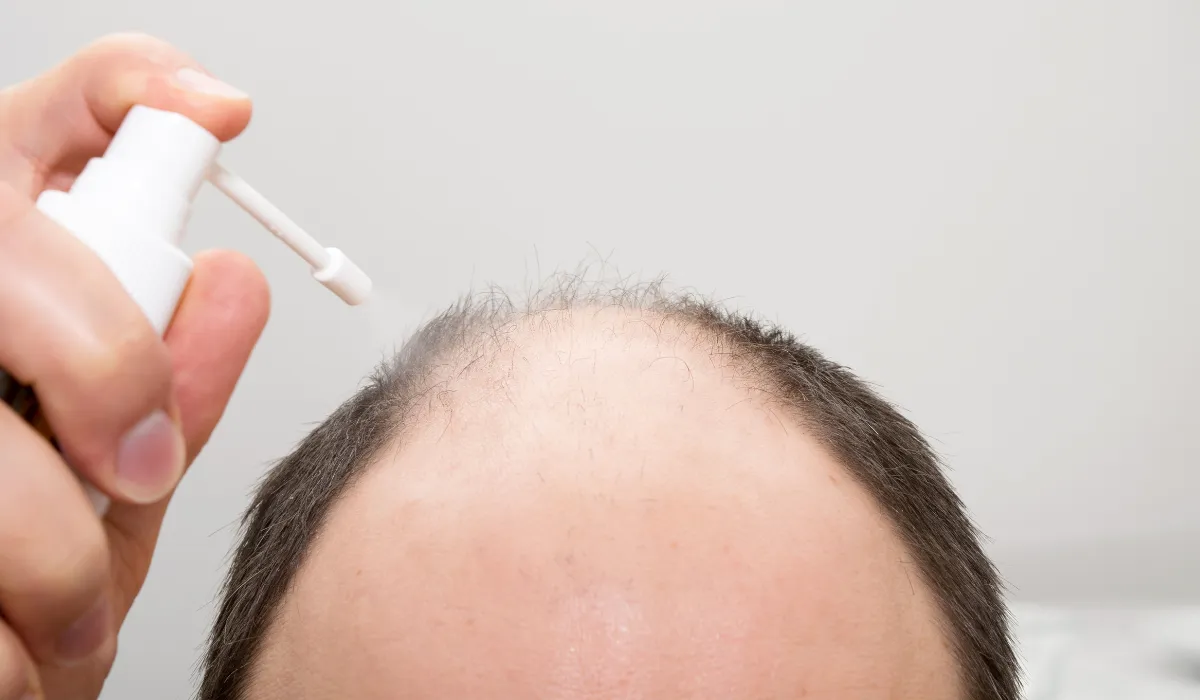
Pattern hair loss is driven by genetics and sensitivity to dihydrotestosterone (DHT). Over time, susceptible follicles shrink, hair grows finer, and the growth cycle shortens.
This process tends to be gradual, which is why early action often delivers more visible improvement.
Temporary Shedding
Telogen effluvium is a common form of temporary shedding that can follow stress, illness, significant weight change, pregnancy, or a major life event. Hair may thin all over rather than in a typical receding-hairline pattern.
When the trigger is resolved, regrowth often happens on its own, though it can take months for density to return.
Medical And Lifestyle Triggers
Thyroid conditions, iron deficiency, certain medications, and scalp inflammation can all contribute to thinning. Tight hairstyles, harsh chemical treatments, and frequent heat styling may also worsen breakage and make hair look thinner.
If shedding is sudden, patchy, painful, or accompanied by scalp scaling, a medical evaluation is the safest next step.

Can Hair Grow Back Naturally?
Natural approaches can support healthier hair and reduce breakage, especially when hair loss is mild. They’re less likely to reverse advanced pattern baldness on their own.
Focus on consistent fundamentals: a protein-rich diet, adequate sleep, stress management, and gentle scalp and hair care. If you’re using oils or supplements, treat them as supportive habits rather than primary treatment.
Scalp Care That Supports Growth
A healthy scalp environment helps hair grow as well as it can. Regular cleansing, treating dandruff, and avoiding chronic irritation can make a visible difference in comfort and sometimes in shedding.
Light scalp massage may improve blood flow and help you notice early changes in density, but it should never be aggressive enough to cause redness or tenderness.
How Common Is A Receding Hairline?
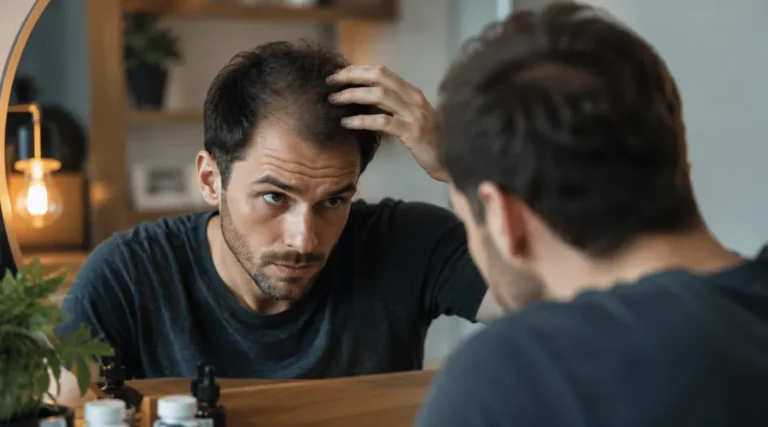
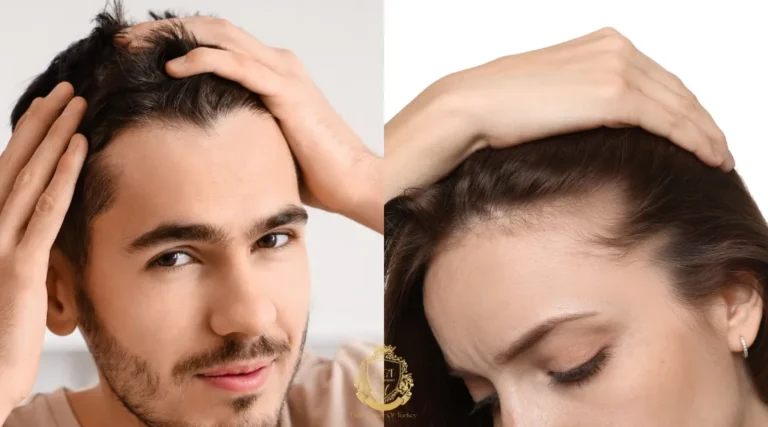
A receding hairline is extremely common, especially in men, and it often starts with mild temple recession. Women can also see thinning, typically as widening of the part or reduced density at the crown.
Because early changes can be subtle, photos taken every few months in consistent lighting can help you spot progression sooner.
Medical Treatments That Can Help Regrow Hair
Medical hair-loss treatment works best when follicles are still active. Most options require consistency and time, and results vary between individuals.
Before starting any prescription medication, speak with a qualified clinician who can review your history, goals, and risk factors.
Topical Minoxidil
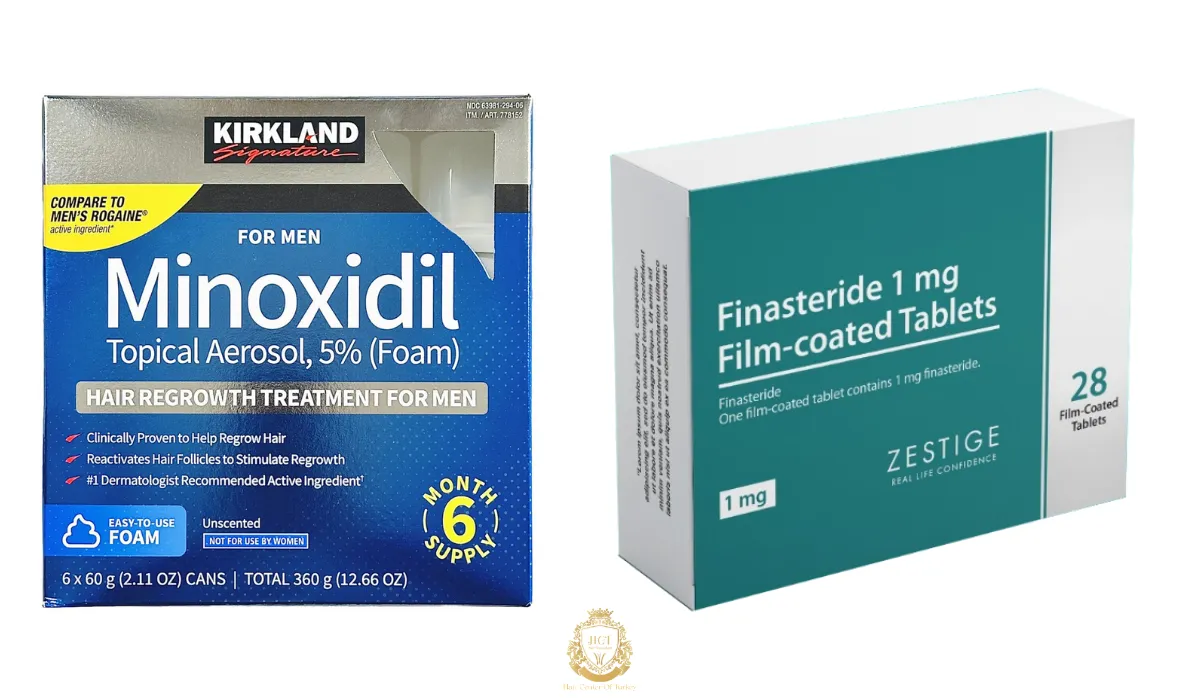
Topical minoxidil is widely used to slow hair loss and support regrowth. It can be helpful for both men and women, particularly for crown thinning.
Early shedding can happen in the first weeks as hairs cycle through growth phases. Visible improvement typically takes several months of daily use.
Prescription Options
For men with androgenetic alopecia, prescriptions that reduce DHT can slow progression and improve density in many cases. These medications are not suitable for everyone and should be used under medical supervision.
Your clinician can also assess whether oral minoxidil is appropriate, since it has different risks and monitoring requirements compared with topical use.
PRP And In-Clinic Treatments
Platelet-rich plasma (PRP) is an in-clinic option that uses components of your own blood to support follicle function. Evidence suggests it may improve density for some people, especially when combined with a broader plan.
Protocols vary between clinics, so results depend on technique, patient selection, and consistency with follow-up sessions.
Low-Level Laser Therapy
Low-level laser therapy devices aim to stimulate follicles and reduce shedding. Some people notice improved density, while others see minimal change.
It’s usually positioned as a supportive treatment rather than a stand-alone solution for advanced loss.
When A Hair Transplant Makes Sense
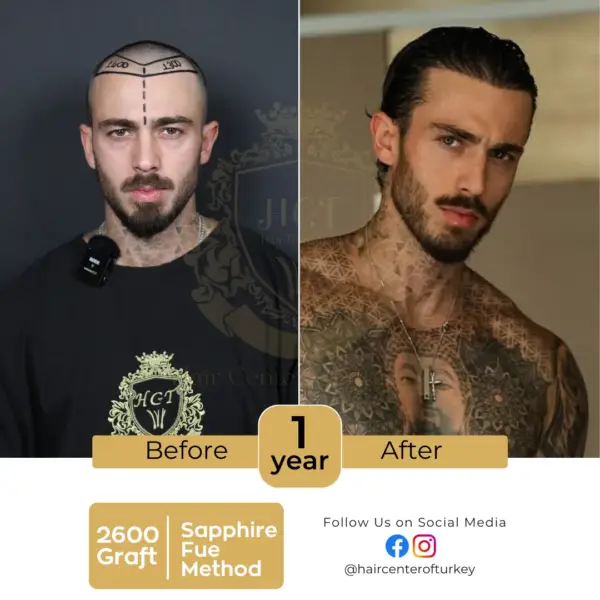
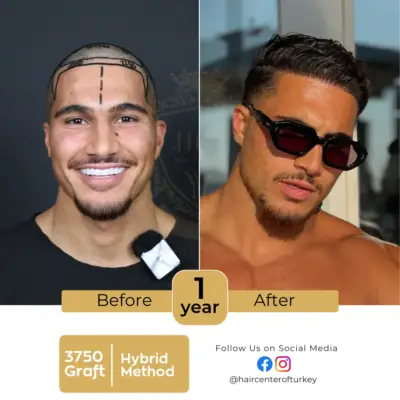
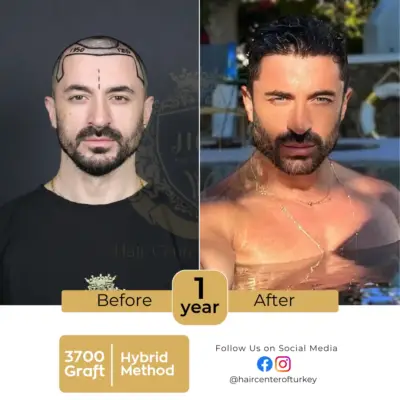
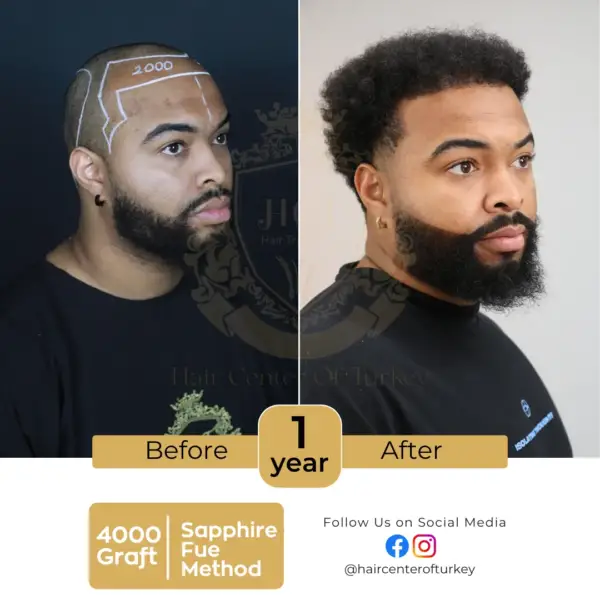
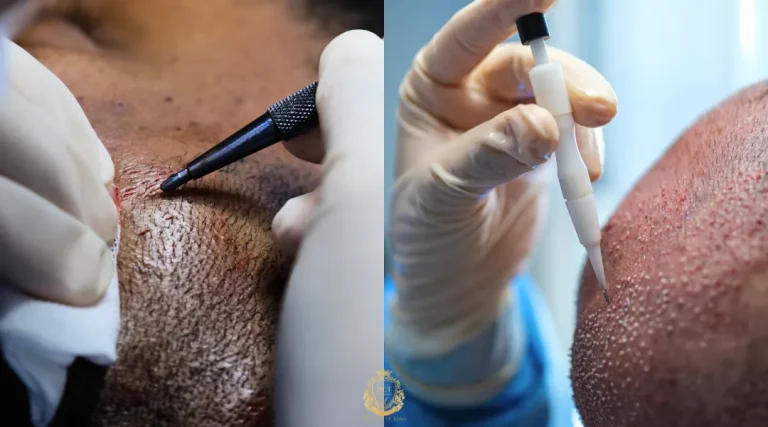
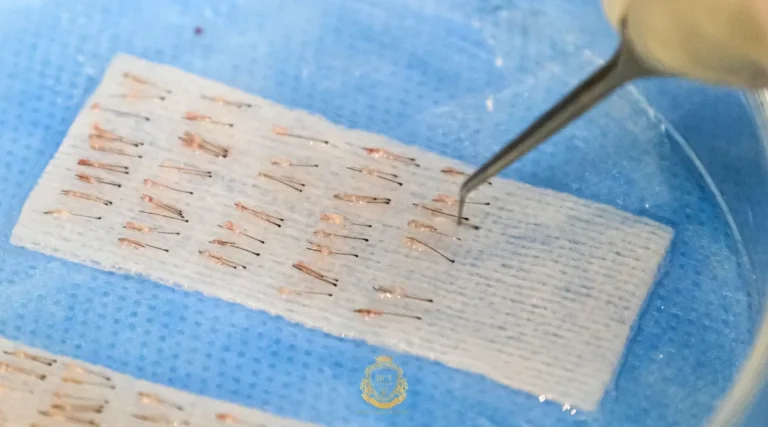
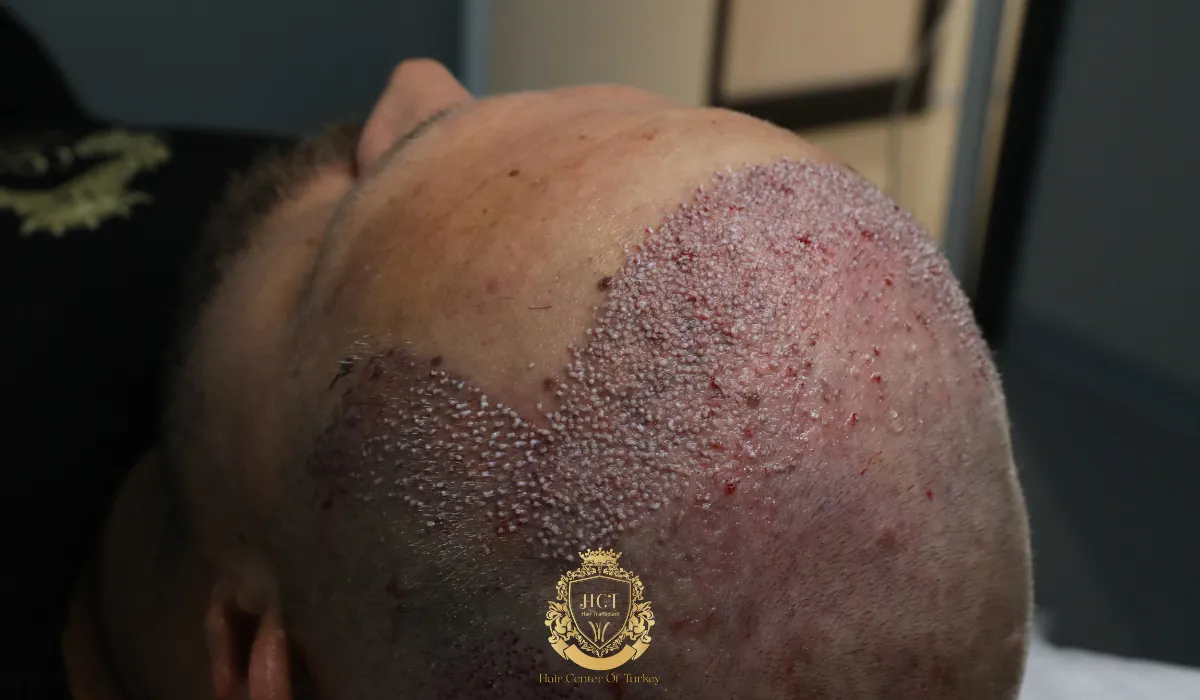
A hair transplant can restore hair in areas where follicles are no longer producing meaningful growth. It works by relocating follicles from a donor area—typically the back and sides of the scalp—to thinning or bald zones.
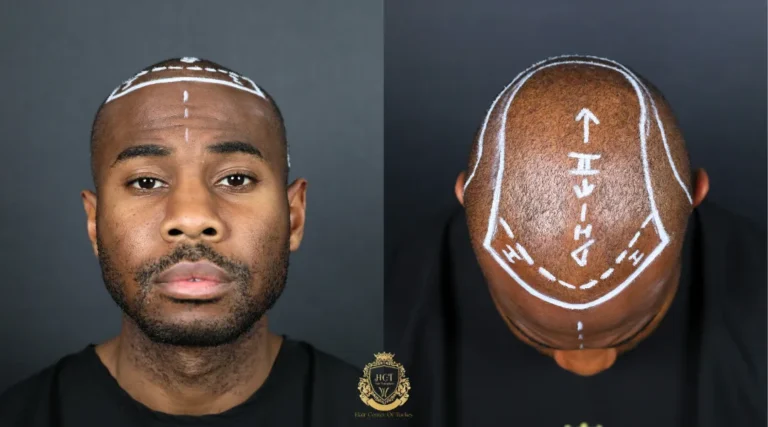
Techniques such as FUE (Follicular Unit Extraction) are commonly used and can create a natural-looking hairline when designed carefully for your facial features and future hair-loss pattern.

Who Is A Good Candidate?
Candidacy depends on donor density, hair caliber, the stability of your hair loss, and your overall health. People with active shedding or untreated scalp disease may need medical treatment first.
A one-to-one consultation at a boutique clinic can help you understand how many grafts you may need, what your donor can safely provide, and what results are realistic for your goals.
What Results Look Like
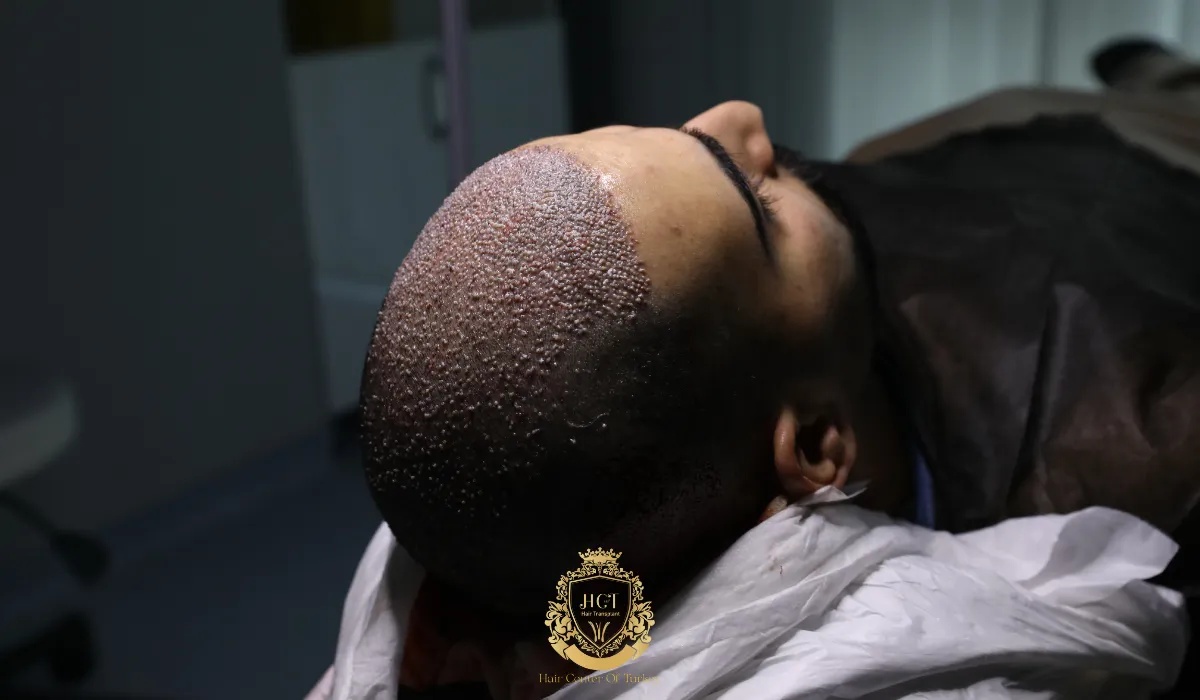
Transplanted hair typically sheds soon after the procedure and then regrows gradually. Most people judge their result around 9–12 months, with continued maturation beyond that.
Even after a transplant, ongoing care matters because native (non-transplanted) hair can continue to thin without management.
Supporting Hair Growth With Healthy Habits
Healthy habits won’t replace medical treatment for genetic hair loss, but they can protect the hair you have. If you’re dealing with diffuse thinning, these steps can be surprisingly impactful.
Prioritize adequate protein, iron, vitamin D, and zinc through food first when possible. If you suspect a deficiency, testing is more useful than guessing with supplements.
Daily Hair Care That Reduces Breakage
Use gentle shampooing based on your scalp’s needs, minimize tight hairstyles, and keep heat styling moderate. If you color or chemically treat your hair, space treatments out and use a heat protectant.
If your scalp is itchy or inflamed, treating the scalp condition can reduce shedding and improve comfort.
Permanent Options For Advanced Hair Loss
When hair loss is advanced, a long-term plan often combines surgical restoration with strategies that protect existing hair. For some people, a closely shaved look, scalp micropigmentation, or non-surgical hair systems can also be valid choices.
The best solution is the one that fits your lifestyle, budget, and willingness to maintain results over time.
Frequently Asked Questions
Can Hair Grow Back After Years Of Balding?
If the area has been smooth and bald for a long time, regrowth is less likely because follicles may no longer be active. Treatment can still slow further loss and improve thin areas nearby, and surgical restoration may be an option for the bald zone.
How Long Do Hair-Loss Treatments Take To Work?
Most treatments need time. Many people reassess at 3–6 months for early change and around 9–12 months for a clearer picture, especially with combination approaches.
Do Essential Oils Help With Hair Growth?
Some people use oils like rosemary or peppermint as part of scalp care. They may improve scalp comfort and reduce breakage for certain hair types, but they should not be viewed as a replacement for evidence-based medical treatment.
Is A Hair Transplant Permanent?
Transplanted follicles are usually resistant to the hormone-driven process that causes pattern hair loss, which is why results can be long-lasting. Your native hair can still thin over time, so many people combine a transplant with a maintenance plan.
When Should I See A Specialist?
If hair loss is sudden, patchy, associated with pain or scaling, or progressing quickly, a medical evaluation is recommended. If you’re considering PRP or a transplant, a consultation with an experienced team helps you set realistic expectations and avoid unnecessary treatments.
Explore the complete guide: Hair Loss Treatments