

Benefits Of Vitamin B12 For Hair
Vitamin B12 supports hair health mainly by helping your body make red blood cells and DNA—both essential for fast-growing hair follicles. If you’re deficient, you may notice increased shedding, thinning, or slower regrowth. Correcting a true deficiency can help, but taking extra B12 won’t stop hair loss if your levels are already normal.
What Vitamin B12 Does In The Body
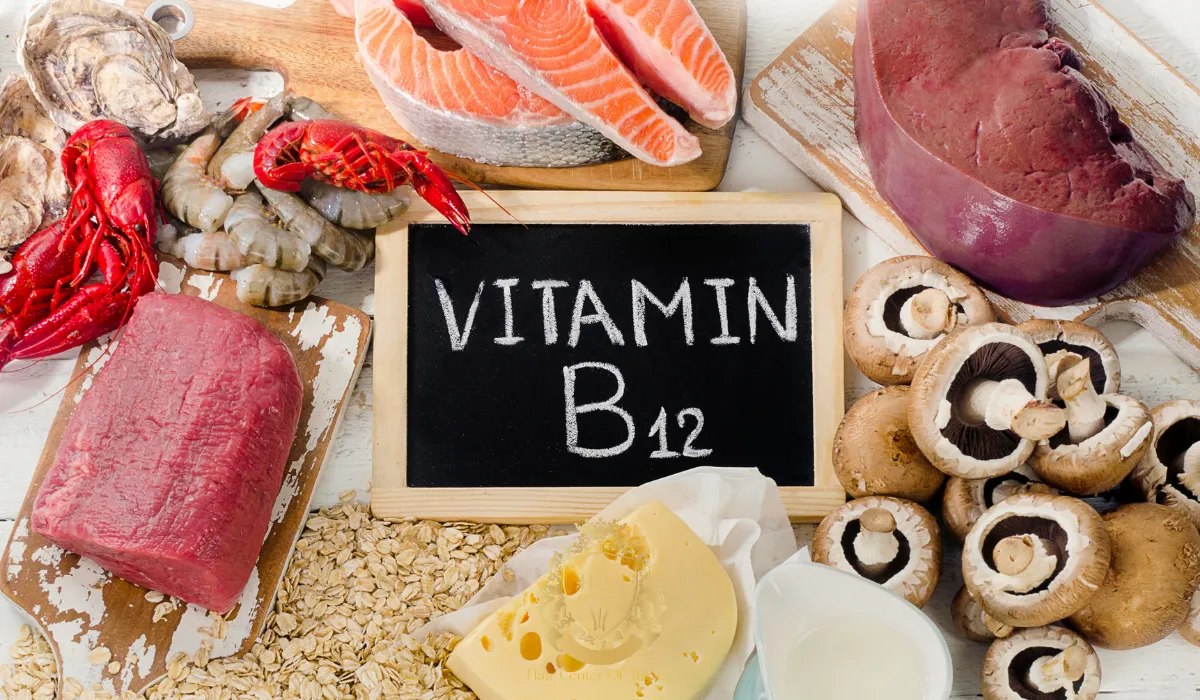
Vitamin B12 (cobalamin) is a water-soluble vitamin needed for DNA synthesis, red blood cell formation, and healthy nerve function. Your body doesn’t make it, so you must get it from food or supplements. Most naturally rich sources are animal-based foods, plus some fortified products.

How Vitamin B12 Supports Hair Health
Hair follicles are highly active tissues that rely on steady cell turnover. Because B12 helps with DNA production and red blood cell formation, it indirectly supports the conditions your follicles need to function normally. When B12 is low, reduced oxygen delivery (from anemia) and impaired cell renewal can contribute to weaker growth and more shedding in some people.
Can Low Vitamin B12 Cause Hair Loss?
It can, especially when deficiency is significant and paired with anemia or overall poor nutritional status. That said, research on B12 levels in common hair-loss conditions is mixed, and many people with hair loss have normal B12 levels. The most reliable takeaway is practical: B12 helps hair when you’re deficient; it’s not a universal hair-loss fix.
Signs Of Vitamin B12 Deficiency
B12 deficiency doesn’t always show up first in hair. Many people notice whole-body symptoms before they connect it to shedding.
Common Symptoms
- Fatigue, low energy, weakness
- Pale skin or shortness of breath (possible anemia)
- Numbness, tingling, balance issues
- Mood changes, memory or concentration problems
Hair-Related Changes Some People Report
- Increased shedding or thinning
- Dry, fragile strands that break easily
- Premature greying (less common and not specific to B12)
Hair symptoms can overlap with iron deficiency, thyroid disorders, stress, postpartum changes, medications, and genetics—so testing matters.

How To Check Your Vitamin B12 Level
A blood test is the starting point. Many references consider serum B12 values below ~200–250 pg/mL as subnormal, but cutoffs vary by lab and clinical context. If results are borderline, clinicians often confirm functional deficiency using markers such as methylmalonic acid
A clinician may also review risk factors like:
- Vegan/vegetarian diet without reliable fortified foods or supplements
- Digestive conditions affecting absorption
- Use of metformin or long-term acid-reducing medications
- Pernicious anemia or autoimmune history

How To Treat Vitamin B12 Deficiency
Treatment depends on the cause and severity.
Common Options
- Diet changes: More B12-rich foods (fish, meat, eggs, dairy) or fortified foods
- Oral supplements: Often used for mild to moderate deficiency
- Injections: Used more often when deficiency is severe or absorption is impaired
If B12 is low because of absorption problems (like pernicious anemia), food alone may not be enough. Correcting the underlying cause is part of long-term control.
How Much Vitamin B12 Do You Need?
Daily needs depend on age and life stage. For most adults, the recommended amount is 2.4 mcg/day, with higher needs during pregnancy and breastfeeding.

When Hair Loss Needs A Broader Checkup
If shedding is persistent, sudden, or paired with scalp symptoms (itching, redness, scaling), B12 is only one piece of the puzzle. A clinician may also check iron/ferritin, thyroid markers, vitamin D, and signs of inflammation or hormonal imbalance, depending on your history and pattern of loss.
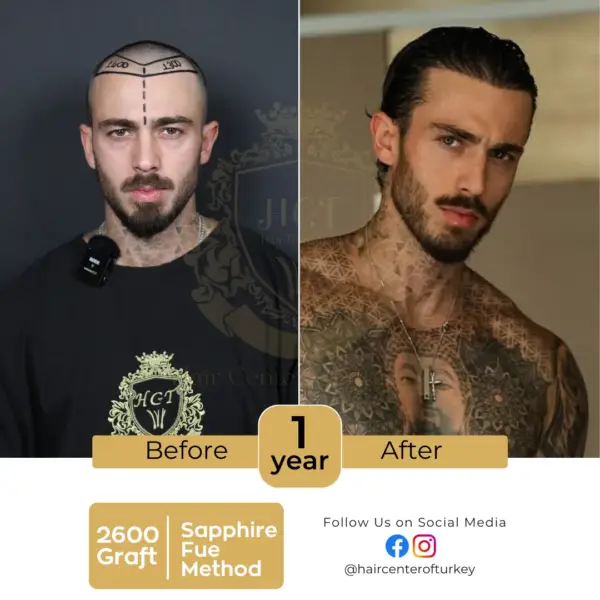
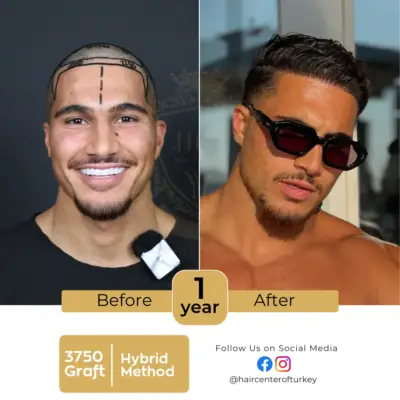
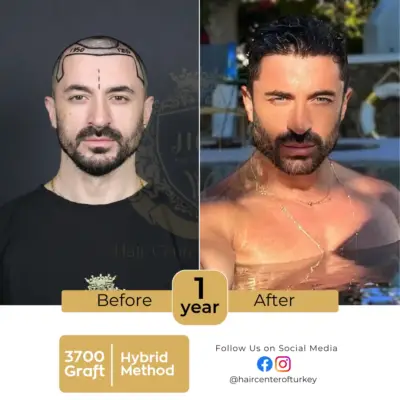
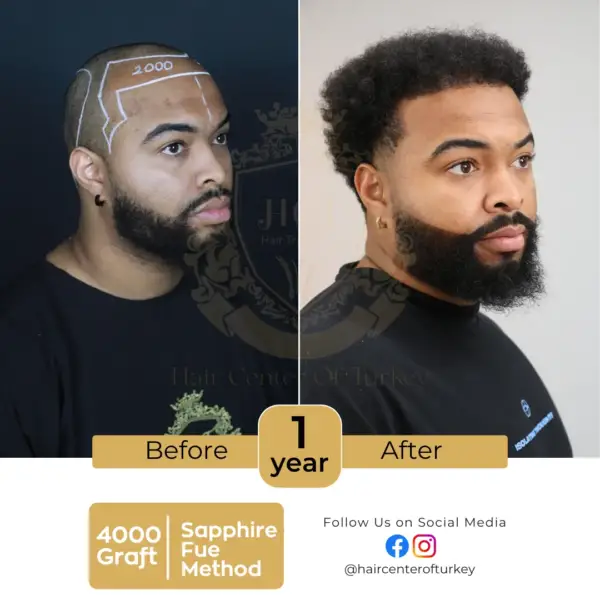
If you’re exploring a long-term plan for hair restoration, clinics like Hair Center of Turkey typically start by identifying the cause and then matching you with an appropriate, personalized pathway—nutritional support when relevant, and medical or procedural options when needed.

FAQ
Does B12 Deficiency Affect Hair?
Yes—when it’s a true deficiency, it can contribute to shedding or weaker growth. If your B12 level is normal, extra B12 is unlikely to change hair outcomes.
What Vitamins Are Commonly Discussed For Hair?
People often look at iron, vitamin D, zinc, and B vitamins. The right choice depends on your labs and the underlying cause of hair loss rather than a one-size-fits-all “hair vitamin.”
What Psychological Symptoms Can Happen With B12 Deficiency?
Some people experience low mood, anxiety, memory issues, confusion, or cognitive changes, especially when deficiency is long-standing.
Explore the complete guide: Hair Care and Products