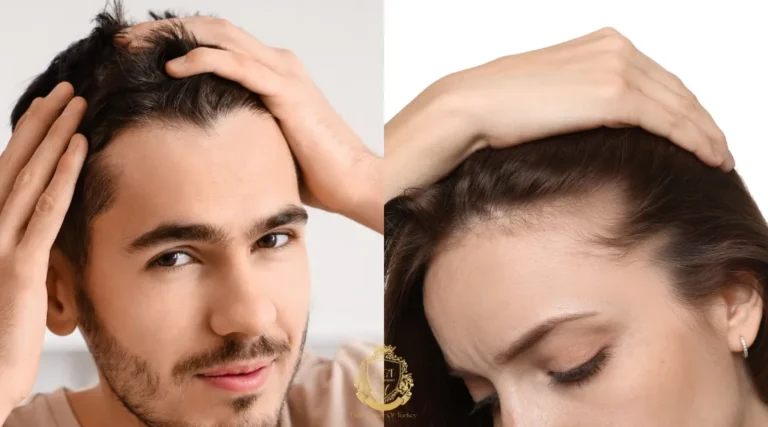



Does Hair Wax Cause Hair Loss?
Hair wax doesn’t usually cause true hair loss from the root. Most problems come from product buildup, scalp irritation, allergic reactions, or breakage when wax is applied or removed roughly. Used on clean hair and washed out daily, wax is generally safe. Ongoing shedding with itching or redness is a sign to stop and get advice.
Table of Contents
What Hair Wax Does and What It Doesn’t
Hair wax is a styling product designed to add texture, hold, and sometimes shine. It sits on the hair’s surface rather than changing how hair grows. When people say “wax caused hair loss,” they’re often describing breakage or increased shedding they notice while washing.
True hair loss (from the follicle) is usually driven by genetics, hormones, illness, or certain medications. Wax can still contribute to scalp problems that make hair feel thinner, especially if it builds up, triggers irritation, or leads to aggressive brushing.
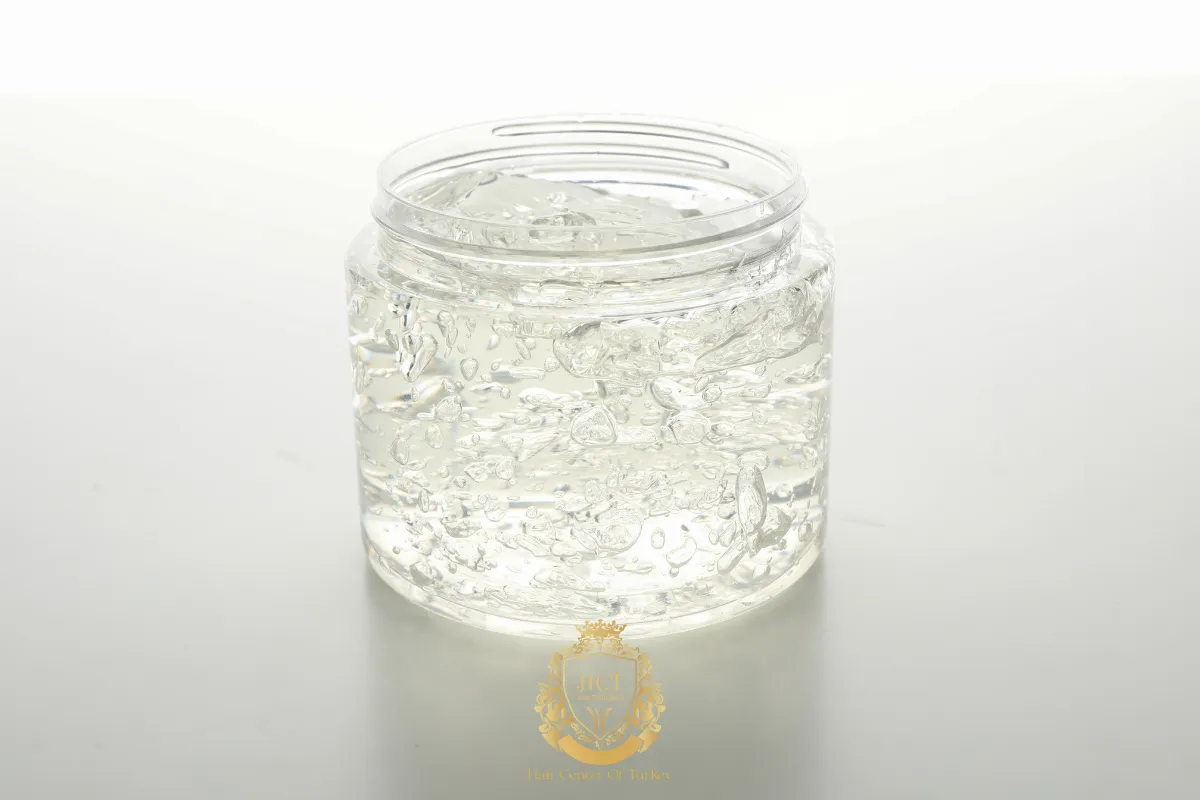
How To Use Hair Wax Safely
Start With Clean, Mostly Dry Hair
Apply wax after washing and drying your hair, or at least after refreshing the scalp. Wax clings to oil and sweat, so using it on dirty hair makes buildup more likely. If you prefer to style damp hair, choose a product that explicitly says it works on damp hair.
Use The Smallest Amount That Works
Warm a pea-sized amount between your palms and add more only if needed. Overloading hair with wax makes it harder to spread evenly and harder to remove. Heavy application can also increase friction when combing, which raises the risk of breakage.
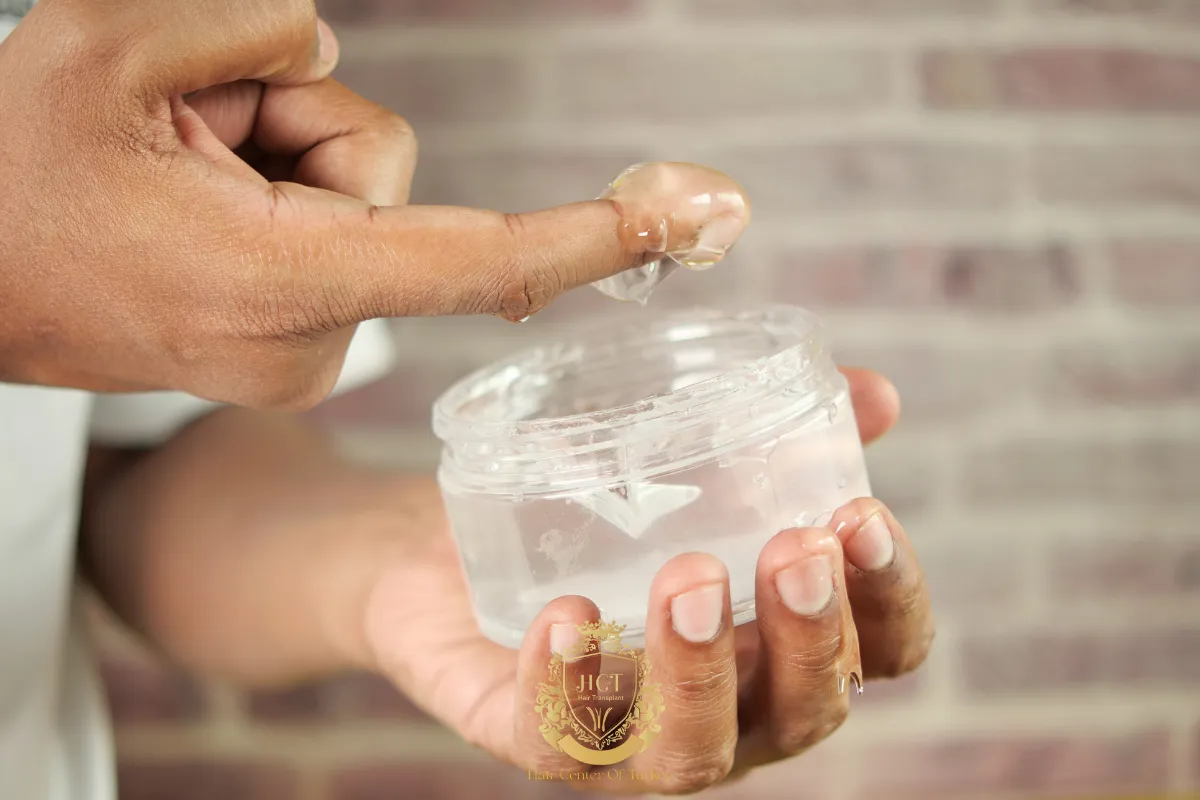
Keep Wax Off The Scalp
Focus on mid-lengths and ends, not the roots. Putting wax directly on the scalp can clog pores for some people and may worsen itching, flaking, or bumps. If you need root lift, use a lightweight product made for scalp-adjacent use and apply sparingly.
Remove It Properly At Night
Wash wax out before bed whenever possible. Sleeping in wax can trap sweat and irritants against the scalp and may trigger dandruff-like flaking or follicle inflammation. If your wax is very water-resistant, use a gentle pre-wash (like conditioner or a light oil) to loosen it, then shampoo.
Types Of Wax And Who They Suit
Classic Hair Wax and Pomade-Style Products
Traditional waxes and pomade-style products offer strong hold and control flyaways. They work well for short to medium styles that need definition. If you get buildup easily, look for water-soluble formulas that rinse out more cleanly.
Matte Wax or Clay
Matte waxes and clays give a natural finish with texture and volume. They can be great for fine hair, but some clay-heavy products feel drying on already brittle hair. Pair them with a conditioner and avoid heavy reapplication on the same day.
Powder Wax
Powder waxes add lift and grip and are often used for quick volume. They can feel gritty and may cause tangling if overused. Use a small amount and wash it out thoroughly to avoid dryness and breakage.
Brow Wax
Brow waxes and brow soaps are made for shaping eyebrow hairs. They usually pose low risk when used as directed, but the skin around the eyes can be sensitive. Patch test new products and avoid getting them into the eye area.

Can Wax Trigger Hair Loss? Common Scenarios
Wax is not a direct cause of permanent hair loss for most people, but it can contribute to problems that mimic it. These are the most common pathways:
- Scalp irritation or contact dermatitis from fragrance, preservatives, or certain waxes. This can increase shedding and cause itching or burning.
- Folliculitis (inflamed follicles) if heavy product sits on the scalp, especially when mixed with sweat or occlusion from hats.
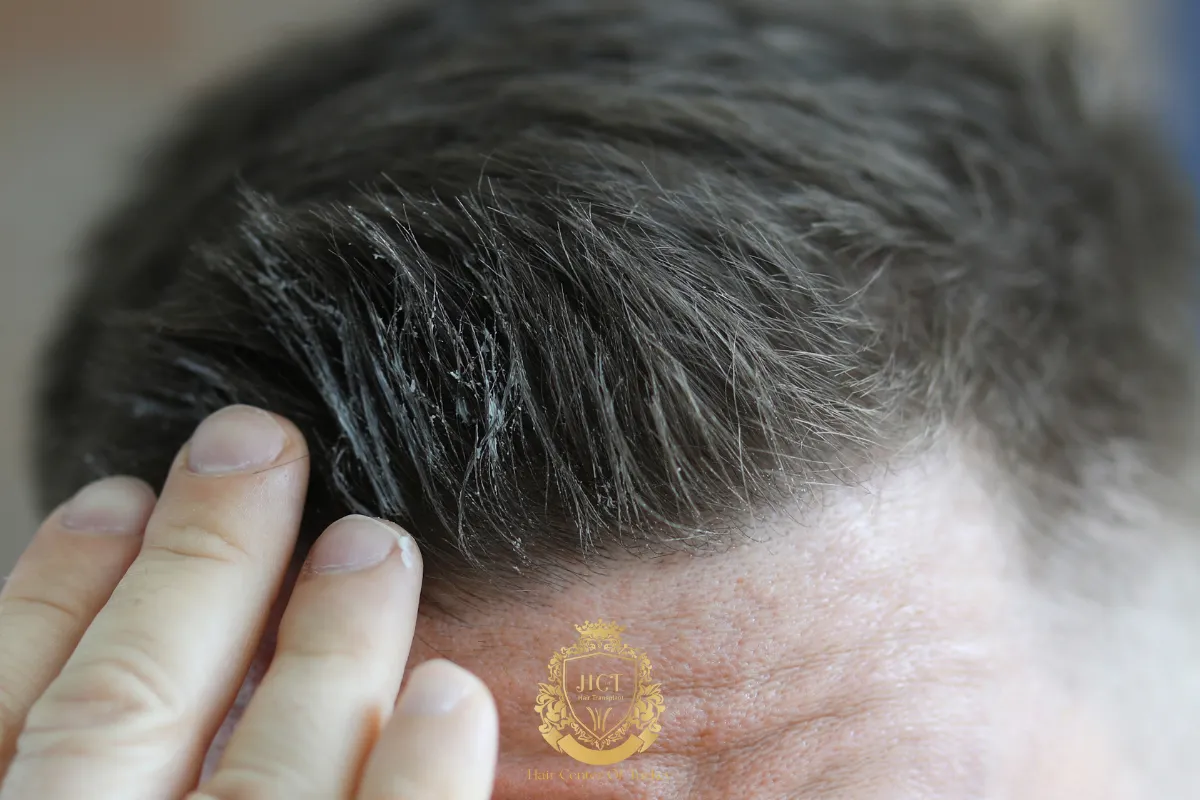
- Product buildup that worsens flaking and makes hair look dull, flat, or thinner at the roots.
- Breakage from stiff hold, repeated combing, or rough removal. Breakage is often mistaken for hair loss because pieces come out in the shower.
- Traction and stress from tight styles held in place with wax (slick-backs, tight ponytails). Repeated tension can weaken hairs over time.
- Using wax with high heat. Heat can make residue harder to remove and can dry out the hair shaft, increasing breakage risk.
What To Look For When Buying Wax
Choose a wax based on your hair type, scalp sensitivity, and how often you plan to use it. If you are prone to irritation or acne around the hairline, avoid heavy fragrances and very greasy formulas. Water-soluble waxes are usually easier to wash out, which reduces buildup.
Check for a clear ingredient list and pick reputable brands that publish full labeling. If you have a history of eczema, seborrheic dermatitis, or scalp psoriasis, choose simpler formulas and avoid anything that has triggered flare-ups before.
Aftercare: What To Do After Using Wax
Wash your hair and scalp thoroughly at the end of the day. Massage shampoo into the scalp for at least 30–60 seconds to lift residue. If you use wax daily, consider a clarifying shampoo once a week, followed by conditioner.
Be gentle when detangling. Use a wide-tooth comb and start from the ends, especially if the product adds grip. Less pulling means less breakage.

How Long Can Wax Stay In Hair?
Keeping wax in your hair during the day is usually fine if your scalp feels comfortable. The bigger issue is leaving it in overnight or layering product for multiple days. Daily removal helps the scalp stay clean and reduces the chance of irritation or clogged follicles.
Signs Wax Isn’t Working For You
Stop using the product and reassess if you notice itching, redness, burning, bumps along the hairline, or a sudden increase in shedding. Also watch for flaky patches that get worse after styling, or hair that snaps easily when combed. Switching to a lighter, fragrance-free, water-soluble product often helps.
If symptoms last longer than two weeks or you see bald patches, pain, or oozing, get checked by a dermatologist. Those signs can point to a skin condition that needs targeted treatment, not just a product change.
FAQ
Can hair wax damage your hair?
Yes, hair wax can cause buildup, dryness, and breakage if overused.
Can you lose hair from hair wax?
No, hair wax rarely causes hair loss; it may increase breakage and shedding.
Does waxing cause hair loss?
Hair styling wax doesn’t cause permanent hair loss, but breakage can look like thinning.
Can I put hair wax everyday?
Yes, you can use hair wax daily if you cleanse hair and scalp regularly.
Is it healthy to use hair wax?
Yes, hair wax is healthy in moderation; wash out daily to prevent irritation.
Explore the complete guide: Hair Care and Products