

Hair Center of Turkey has treated hair and beard loss from our Istanbul clinic since 2014. Our three specialist doctors carry out roughly 3,000 hair and beard transplant procedures a year, and regularly diagnose and manage beard alopecia. What follows is based on that clinical experience.
Table of Contents
Quick Answer: What Is Alopecia Barbae?
Alopecia barbae is an autoimmune condition that causes sudden, well-defined bald patches in the beard area. The immune system mistakenly attacks the hair follicles, producing one or more smooth, coin-sized spots. A dermatologist confirms the diagnosis, and treatment usually involves corticosteroid injections, topical immunotherapy, or minoxidil. In most men the beard regrows within a few months, though the patches can return.
Alopecia Barbae: Causes of Beard Loss
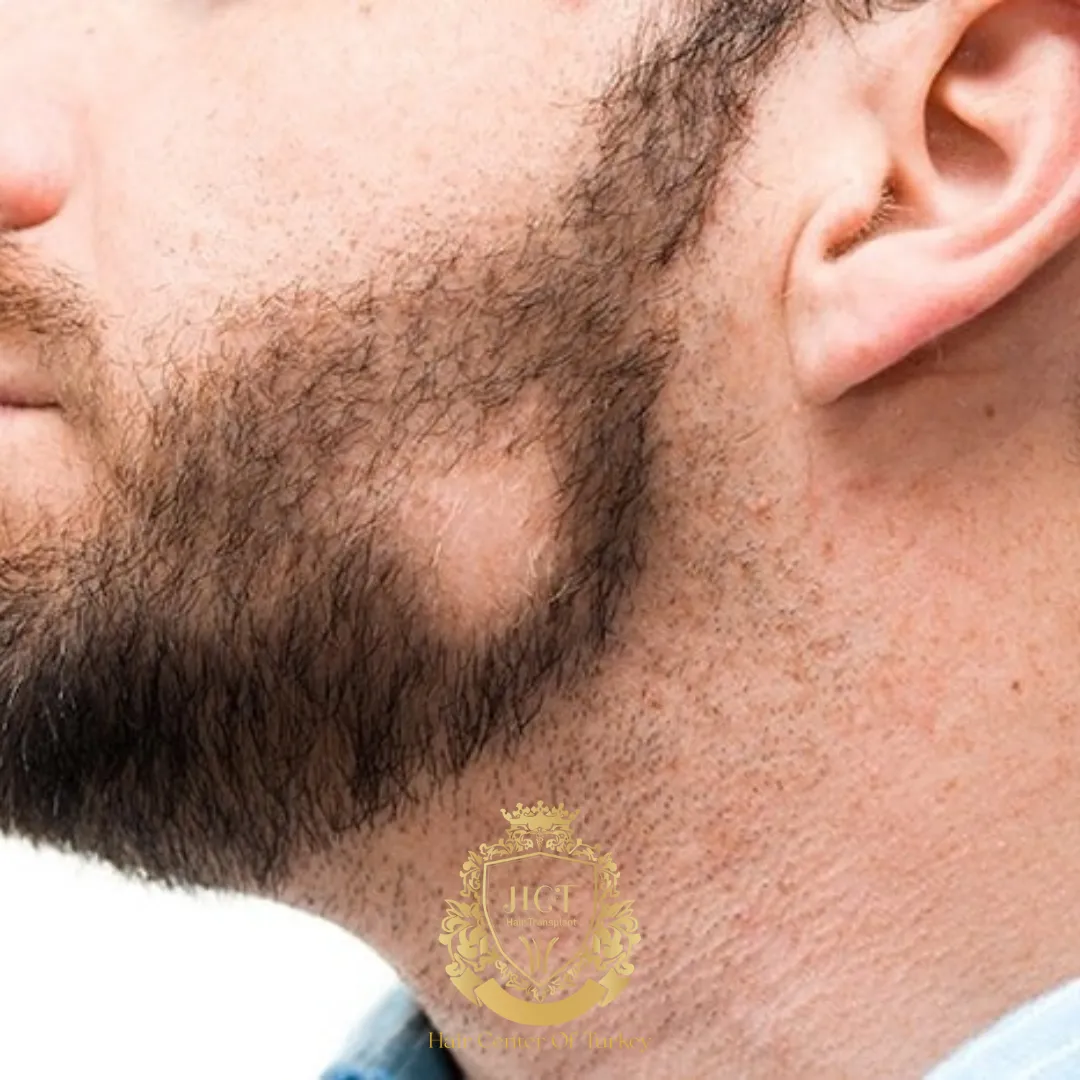
Alopecia barbae is patchy beard hair loss caused by alopecia areata, an autoimmune condition. It often shows up as one or more round, smooth bald spots on the jawline, cheeks, or chin. A dermatologist can confirm the diagnosis and discuss options like steroid treatments, topical therapies, and immune-targeting medicines when hair loss is severe.
What Is Alopecia Barbae?
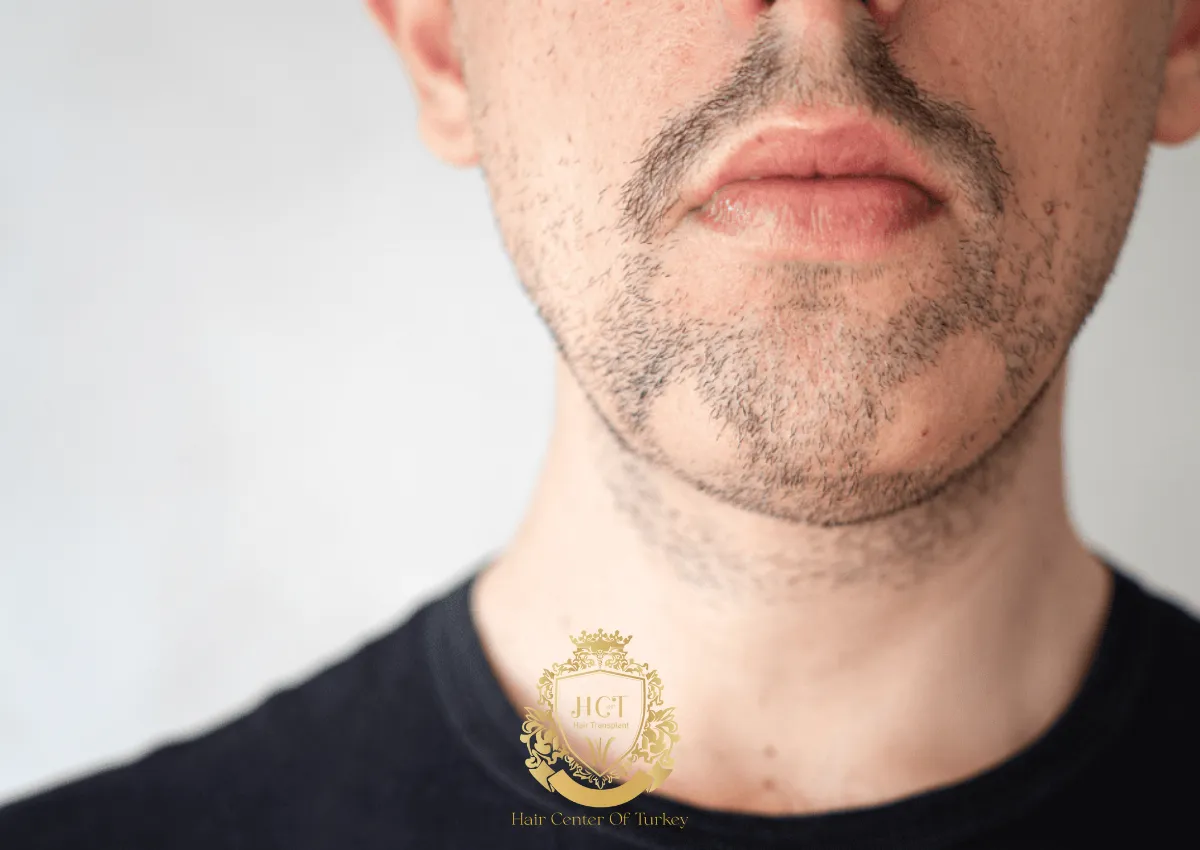
Alopecia barbae is the name used when alopecia areata affects the beard area. Instead of thinning evenly, facial hair falls out in well-defined patches. The skin usually looks normal, without scaling or scarring, because the hair follicles are still alive.
Some people notice the first patch after stress, an illness, or no obvious trigger at all. The course is unpredictable: hair may regrow on its own, respond quickly to treatment, or come and go over time. Because several other conditions can mimic patchy beard hair loss, a proper evaluation matters.
Signs And Symptoms
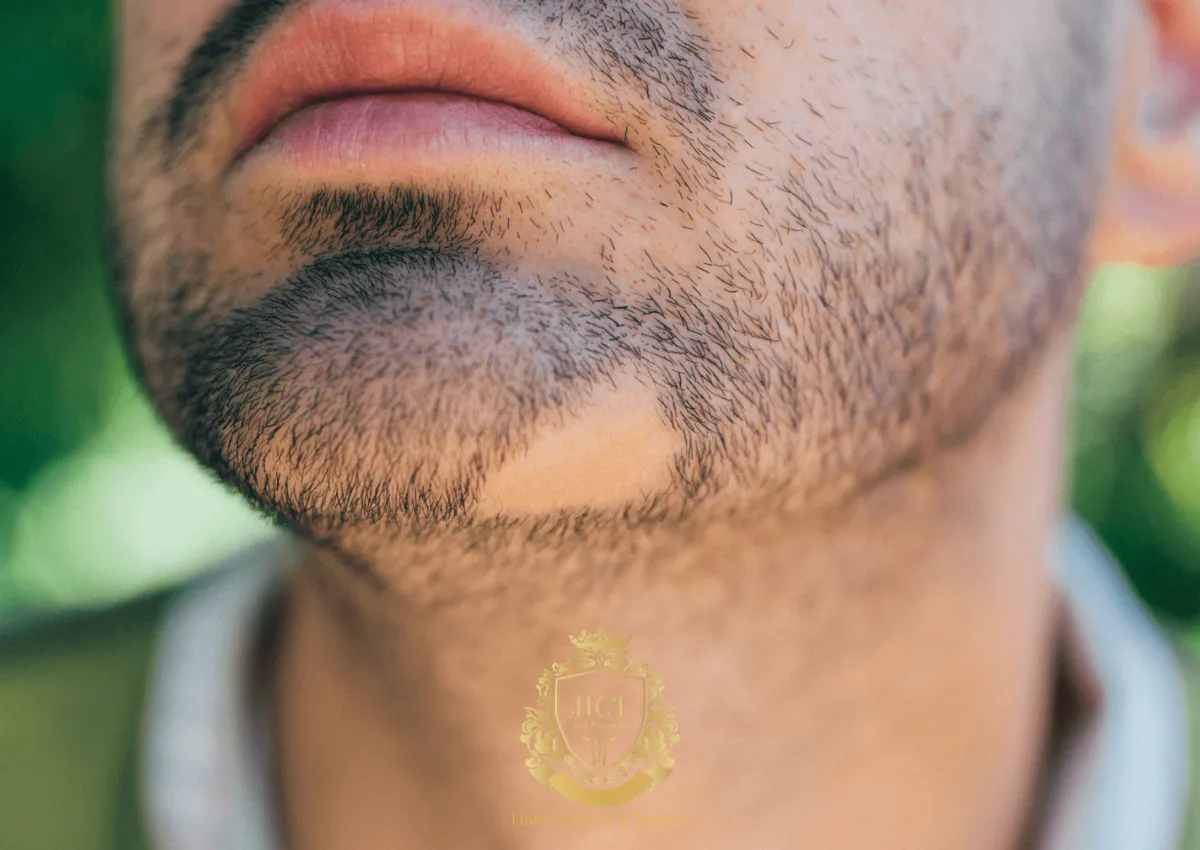
Most cases start with small, circular bald patches that can expand or merge. You might feel mild itching, tingling, or sensitivity before hair sheds, but many people feel nothing. Short broken hairs or ‘exclamation mark’ hairs at the edge of a patch can be a clue to active disease.
Regrowth often begins as fine, light-colored hairs that gradually thicken and darken. In some people, alopecia areata also affects scalp hair, eyebrows, or eyelashes. Nail changes such as small pits or ridges can occur, even when hair loss is limited to the beard.
Why Beard Hair Loss Happens
Autoimmune Reaction Around Hair Follicles
In alopecia barbae, the immune system mistakenly targets hair follicles that are in their growth phase. This disruption pushes follicles out of the growth cycle early, so hairs shed more easily. The follicles are not destroyed, which is why regrowth is still possible.
Triggers And Risk Factors
Alopecia areata tends to run in families, suggesting a genetic tendency. It is also linked with other immune-related conditions such as thyroid disease, vitiligo, and type 1 diabetes. Atopic conditions like eczema, asthma, or hay fever are reported more often in people with alopecia areata.
Stress is often discussed as a flare factor, but it is rarely the only reason hair falls out. Alopecia barbae is not contagious, and it is not caused by poor hygiene or shaving. If you have pain, scaling, pustules, or scarring, another diagnosis may be more likely.
How Alopecia Barbae Is Diagnosed
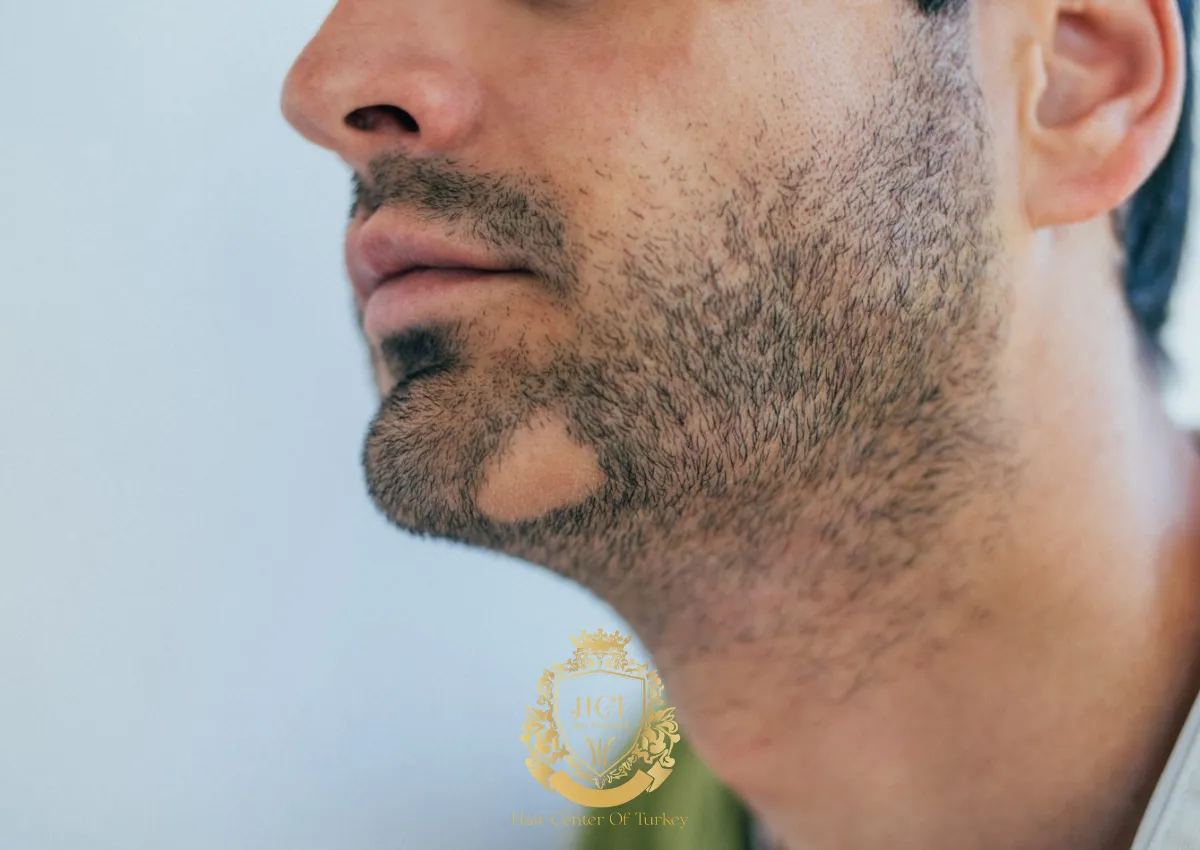
Dermatologists often diagnose alopecia barbae by examining the pattern of hair loss and the condition of the skin. A close-up exam with dermoscopy (trichoscopy) can reveal characteristic findings like black dots, broken hairs, or exclamation mark hairs. These details help separate alopecia barbae from fungal infections, traction, and scarring disorders.
Depending on your history and exam, your clinician may suggest tests for related conditions, such as thyroid problems, especially if you have symptoms. If the presentation is unusual or treatment is not working, a small skin biopsy can confirm the diagnosis and rule out other causes.
Treatment Options
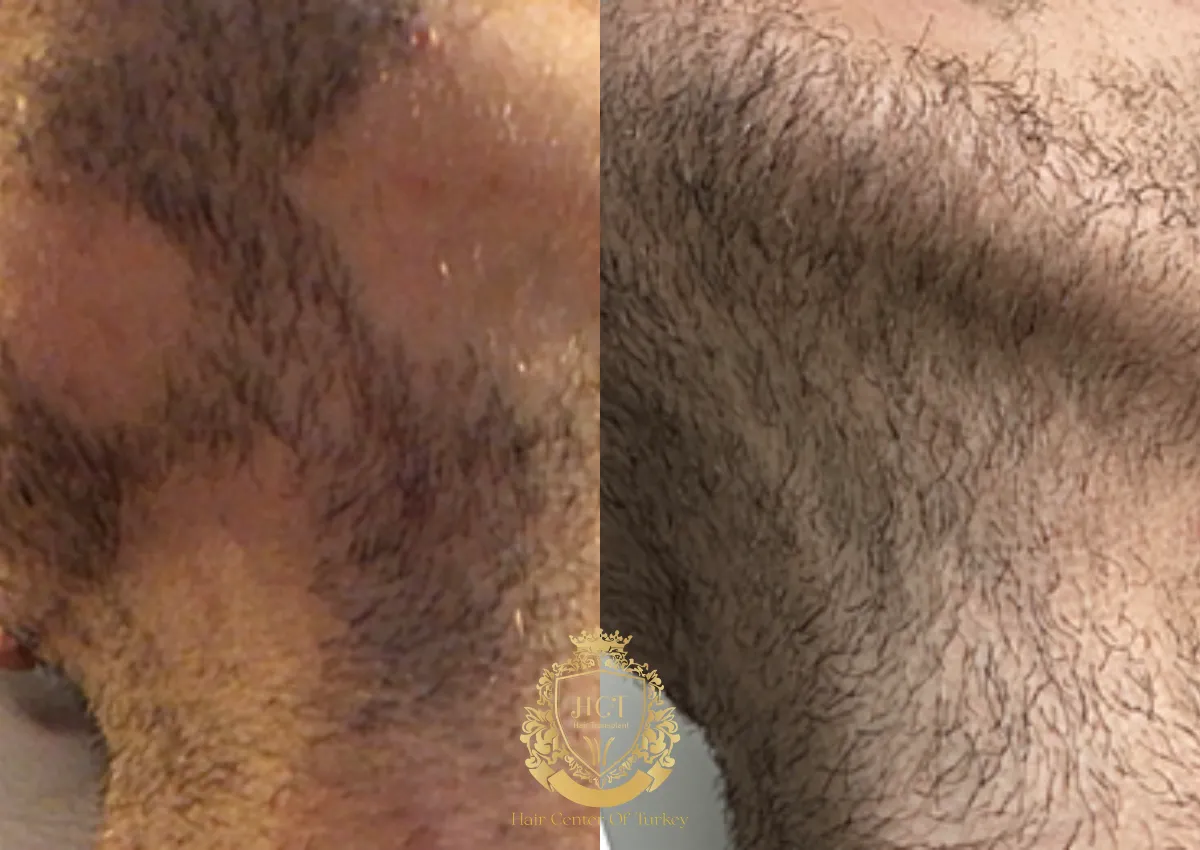
Treatment depends on how much beard hair is affected, how quickly patches are spreading, and whether other areas are involved. Some mild cases regrow without treatment, but therapy may speed regrowth and reduce the chance of enlargement. A dermatologist can also help you avoid treatments that irritate facial skin or worsen folliculitis.
First-Line Treatments For Small Patches
- Intralesional corticosteroid injections into the patches (often used when there are a few small areas).
- Potent topical corticosteroids applied for a limited period, with careful monitoring for facial skin side effects.
- Topical minoxidil may be added in some cases to support regrowth, usually as part of a broader plan.
Options For Persistent Or Extensive Hair Loss
- Short courses of systemic corticosteroids may be used for rapidly progressing disease, balanced against side effects.
- Topical immunotherapy or other clinic-based treatments may be considered when patches recur or resist standard therapy.
- For severe alopecia areata, immune-targeting medicines such as JAK inhibitors may be an option under specialist care (for example, baricitinib for adults and ritlecitinib for ages 12+ in the U.S.).
Because many treatments are used off-label for beard involvement, your dermatologist should explain the expected benefits, timeline, and risks. Photos taken every few weeks can help you and your clinician judge progress more objectively.
Can Alopecia Barbae Come Back After Treatment?
Relapse is possible, even after good regrowth. Some people have one episode and never see it again, while others cycle through flares and regrowth. Regular follow-ups help adjust treatment early if new patches appear.
If you have a history of repeated flares, talk to your clinician about maintenance strategies and realistic expectations. Early treatment of small new patches is often simpler than treating widespread loss.
When To Seek Medical Advice
Book an appointment if beard hair loss is spreading quickly, you have scalp or eyebrow involvement, or the skin looks inflamed or scaly. Also seek assessment if you have symptoms that could suggest thyroid disease, anemia, or another medical issue. A clear diagnosis is the best way to avoid unnecessary antifungals, harsh ‘growth’ products, or home remedies that irritate facial skin.
Frequently Asked Questions
How do you treat alopecia barbae beard?
Treat with intralesional corticosteroids, topical steroids, minoxidil; see a dermatologist for options.
How to diagnose the cause of alopecia?
Diagnose via medical history, scalp/beard exam, dermoscopy, labs, and biopsy if unclear.
What is the best medicine for alopecia in the beard?
Intralesional triamcinolone is usually first-line for localized beard alopecia areata.
Is beard alopecia serious?
Usually not medically serious, but may signal alopecia areata requiring evaluation.
What vitamins are good for beard alopecia?
Correct deficiencies: vitamin D, iron, zinc, and biotin only when labs confirm low.
What causes alopecia barbae?
Alopecia barbae is an autoimmune reaction in which the immune system targets the hair follicles in the beard. The exact trigger is not fully understood, but it is linked to a genetic tendency toward autoimmune conditions and can be set off by periods of high stress or illness. It is not caused by shaving habits or grooming products.
Is alopecia barbae contagious?
No, alopecia barbae is not contagious. You cannot catch it from another person or pass it on through razors or towels, because it is an internal immune response rather than an infection. If a patch is itchy, scaly, or spreading at the edges, a dermatologist should rule out a fungal infection, which is contagious and treated differently.
Can stress cause alopecia barbae?
Stress does not directly cause alopecia barbae, but it can act as a trigger in people who are already prone to it. Many men first notice patches after a period of intense physical or emotional stress. Managing stress may help, but it is not a substitute for medical treatment.
What is the difference between alopecia barbae and alopecia areata?
They are the same condition affecting different areas. Alopecia areata is the general term for autoimmune patchy hair loss anywhere on the body, while alopecia barbae refers specifically to it appearing in the beard. The diagnosis and treatment approach are largely the same.
Does alopecia barbae spread to the scalp or other areas?
In some men the same autoimmune process appears elsewhere, such as the scalp, eyebrows, or eyelashes, but many only ever have beard patches. There is no reliable way to predict whether it will spread. Tell your dermatologist about any new patches outside the beard so they can reassess your treatment.
Explore the complete guide: Hair Loss Types and Causes