

Hair Pulling Disorder (Trichotillomania)
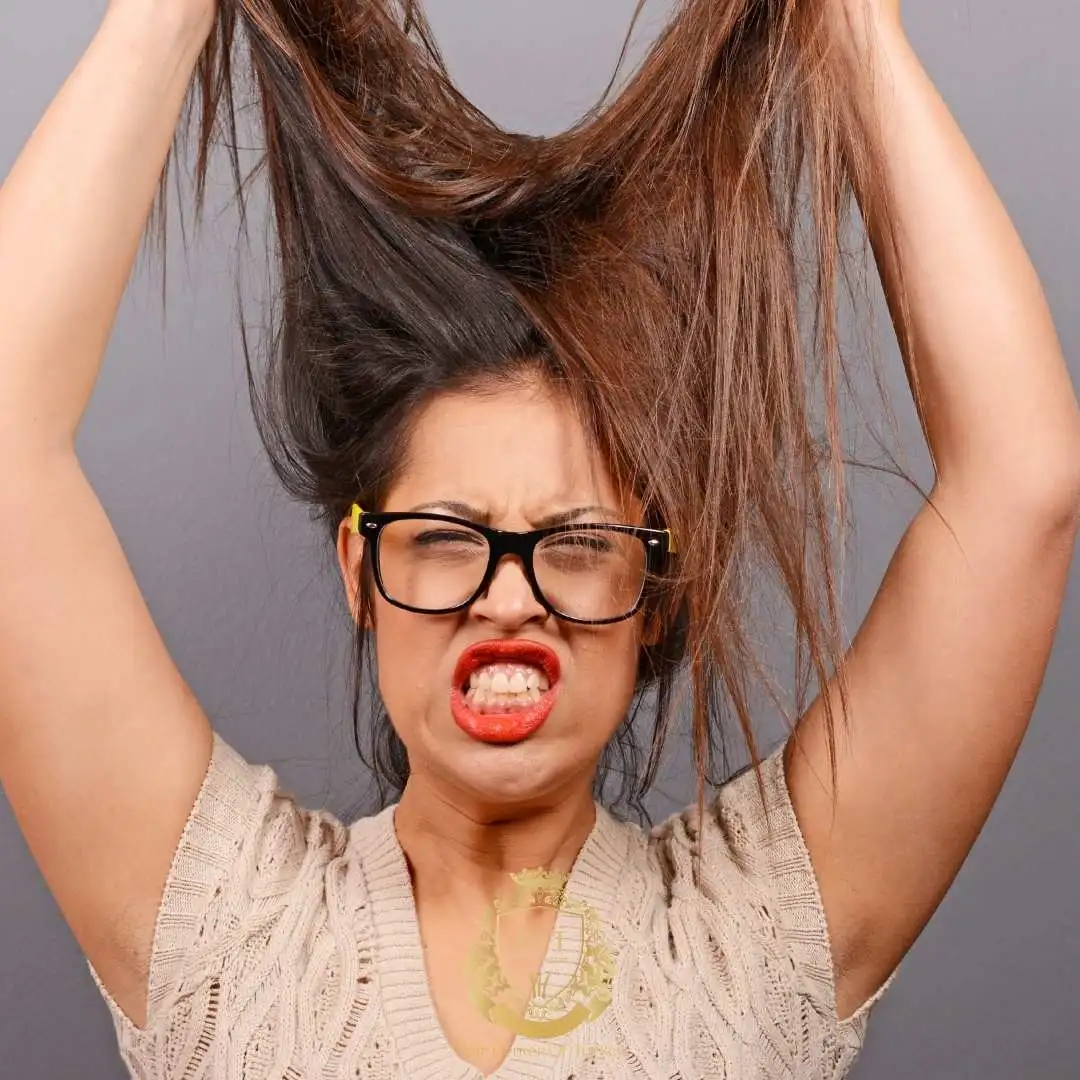
Hair pulling disorder (trichotillomania) is a mental health condition marked by repeated urges to pull out hair, leading to noticeable hair loss and distress. Many people pull automatically or in response to tension, stress, or strong emotions. Effective care usually combines habit reversal training within CBT, practical trigger management, and support for related anxiety or depression.

Table of Contents
What Is Hair Pulling Disorder?
Hair pulling disorder, known clinically as trichotillomania, is characterized by recurrent hair pulling that results in hair loss. People often describe a buildup of tension or an uncomfortable urge before pulling and a sense of relief afterward, though patterns vary. The condition is grouped under obsessive-compulsive and related disorders and can affect children, teens, and adults.
Common Signs And Symptoms
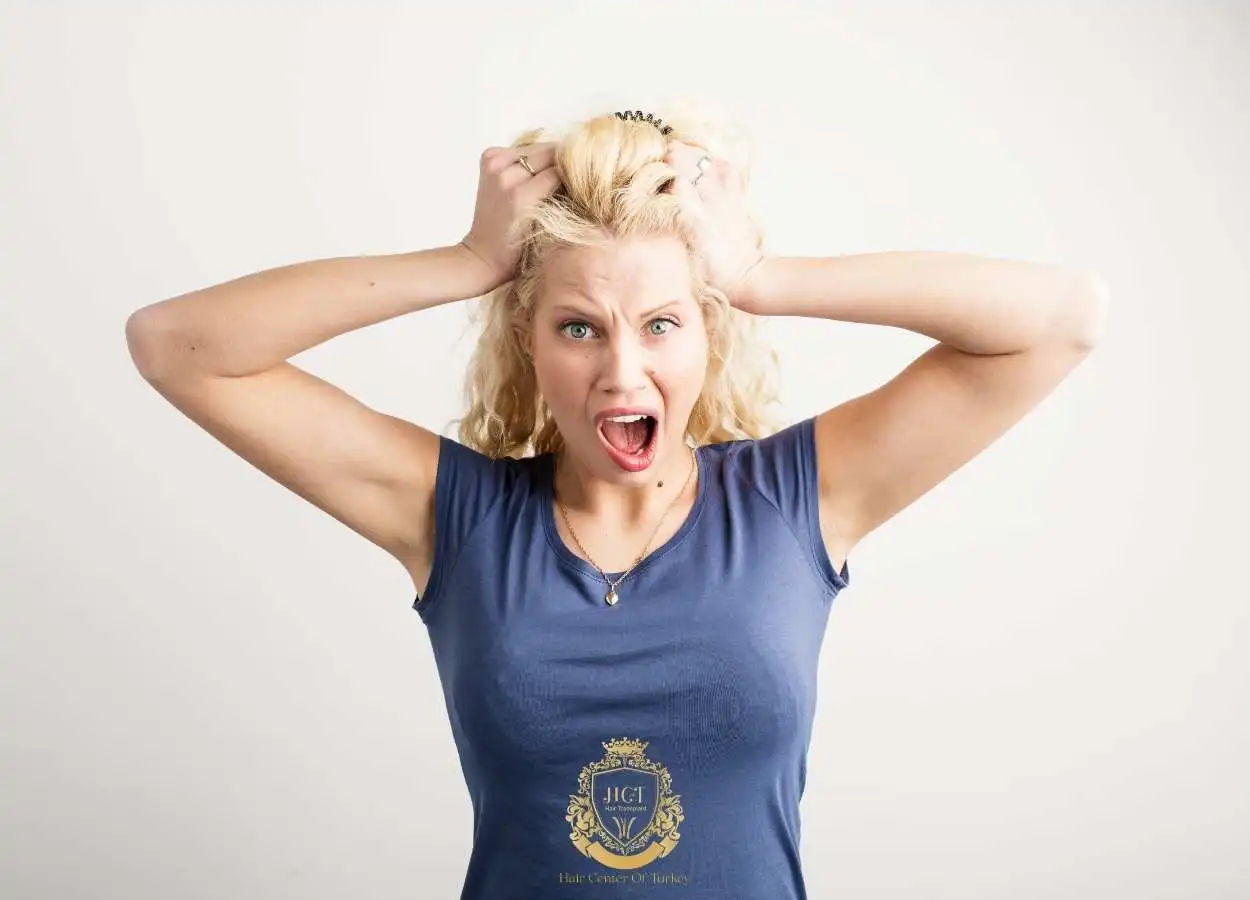
Symptoms can range from occasional pulling to daily episodes that cause visible thinning or bald patches. Common signs include:
- Repeated pulling from the scalp, eyebrows, eyelashes, beard area, or other body hair
- Noticeable hair loss, uneven regrowth, or skin irritation in affected areas
- Difficulty resisting urges or repeated unsuccessful attempts to stop
- Pulling that happens during stress, boredom, concentration, or strong emotions
- Feelings of shame, embarrassment, or avoidance of social situations
- Chewing or swallowing pulled hair in some cases (seek medical help if this occurs)
Types Of Hair Pulling
Clinicians often describe two overlapping patterns. Many people experience a mix of both at different times.
Focused Hair Pulling
Focused pulling is more intentional and is often used to manage an internal feeling, such as tension, anxiety, frustration, or a sense that something feels “not right.” The person is usually aware of the urge and may search for specific hairs (for example, coarse or uneven hairs).
Automatic Hair Pulling
Automatic pulling happens with little awareness, often during sedentary activities such as reading, studying, scrolling on a phone, or watching TV. People may only notice after they see hairs on their hands, clothing, or surroundings.
What Causes Trichotillomania?
There is no single known cause. Most experts view trichotillomania as developing from a combination of biological vulnerability and learned habits. Risk factors may include a family history of body-focused repetitive behaviors, differences in brain chemistry involved in impulse control, and stressful life events. Anxiety, depression, OCD, and ADHD can also occur alongside hair pulling and may influence severity.
How It Is Diagnosed
Diagnosis is typically made by a clinician through a detailed history and exam. Key features include recurrent hair pulling that causes hair loss, repeated efforts to reduce or stop, and significant distress or impairment. A clinician also checks that hair loss is not better explained by a medical condition (such as a dermatologic disorder) or another mental health condition.
Treatment Options
Treatment is individualized and often works best when it targets both the behavior and its triggers. The most consistently supported approach is cognitive behavioral therapy (CBT) that includes habit reversal training (HRT). Some people may also benefit from medication, especially when anxiety or depression is present.
Therapy Approaches
- Habit reversal training (HRT): builds awareness of pulling, identifies triggers, and replaces pulling with a competing response
- Stimulus control: practical changes that make pulling harder (for example, covering fingertips, changing routines, or removing triggering tools like tweezers)
- Skills for emotion regulation and stress management, including problem-solving and coping strategies
- Acceptance and commitment therapy (ACT) or related approaches for urge tolerance and values-based behavior
Medication Considerations
No medication works for everyone, and evidence varies by age group and individual factors. Clinicians may consider options such as SSRIs or other medications to address co-occurring anxiety or depression. N-acetylcysteine (NAC) has shown mixed results in studies, so it should only be used under professional guidance.
Practical Coping Strategies
These steps can support recovery and reduce day-to-day pulling, especially when combined with therapy:
- Track patterns: note when, where, and how pulling happens to identify triggers
- Keep hands busy: use fidget tools, stress balls, knitting, or other hand-based activities
- Create gentle barriers: gloves, bandages, or fingertip covers can reduce automatic pulling
- Adjust high-risk routines: for example, change seating positions, lighting, or mirror time if those cues trigger pulling
- Practice calming skills that you can use quickly, such as paced breathing or short grounding exercises
- Seek support early if pulling is causing hair loss, distress, or avoidance
Frequently Asked Questions
Is pulling hair OCD?
Sometimes; trichotillomania is related to OCD-spectrum, but not always OCD.
What is the most effective treatment for trichotillomania?
Habit reversal training, a CBT approach, has the strongest evidence.
How to stop compulsively pulling out hair?
Use habit-reversal skills: identify triggers, substitute actions, and seek CBT support.
Can you recover from trichotillomania?
Yes; many achieve long-term control, though relapses can happen.
What is the root cause of trichotillomania?
No single cause; genetics, brain circuits, stress, and learned habits contribute.
Explore the complete guide: Hair Loss Types and Causes