


Hair Transplant With Stem Cell Therapy: What It Really Means and Why Many Patients Look at Turkey
When people hear the phrase hair transplant with stem cell therapy, it immediately sounds more advanced than a standard procedure. It sounds newer, smarter, and somehow more complete. That is exactly why the term has become so popular. Patients are not just looking for transplanted hair anymore. They are looking for stronger growth, faster healing, better graft survival, and a treatment plan that feels more modern than traditional hair restoration alone.
That interest makes sense. Hair loss is emotional, and most people do not want a basic fix. They want the best version of a fix. They want something that feels cutting-edge. But this is also where confusion starts. The expression “stem cell hair transplant” is often used very loosely. In some clinics, it refers to a classic hair transplant combined with a regenerative treatment designed to support the scalp or healing process. In others, it is used in a much broader way, almost as if stem cells can replace the normal limits of hair restoration. That is where patients need clarity.
The truth is more balanced. A hair transplant with stem cell therapy can be an interesting option in selected cases, but it is not magic. It does not erase the need for a good donor area, an experienced surgeon, realistic expectations, and proper planning. The most successful patients are usually the ones who understand that regenerative support may improve the overall treatment experience, but it does not change the basic principles of hair transplantation.
Table of Contents
What does “hair transplant with stem cell therapy” actually mean?
In most practical cases, it means a standard hair transplant, usually FUE, combined with a regenerative add-on. That add-on may be presented as stem cell support, stem-cell-derived therapy, or a similar biologic treatment designed to support healing, tissue quality, or follicle performance. In other words, the transplant is still the foundation. The “stem cell” part is often the extra layer.
This distinction is important because many patients imagine that stem cells themselves are creating a completely new hair transplant model. In reality, most of the time the procedure still depends on moving real follicles from one area of the scalp to another. The regenerative component may help support the environment around those grafts, but it does not replace the core surgical process.
That is why patients should ask very direct questions before getting excited by the label. Are grafts actually being harvested and transplanted? Is the stem cell part being used as a support treatment, or is the clinic presenting it as a stand-alone solution? What exactly are they putting into the scalp, and what is the goal of that step? A clinic that cannot answer those questions clearly is not giving you enough information to make a serious decision.
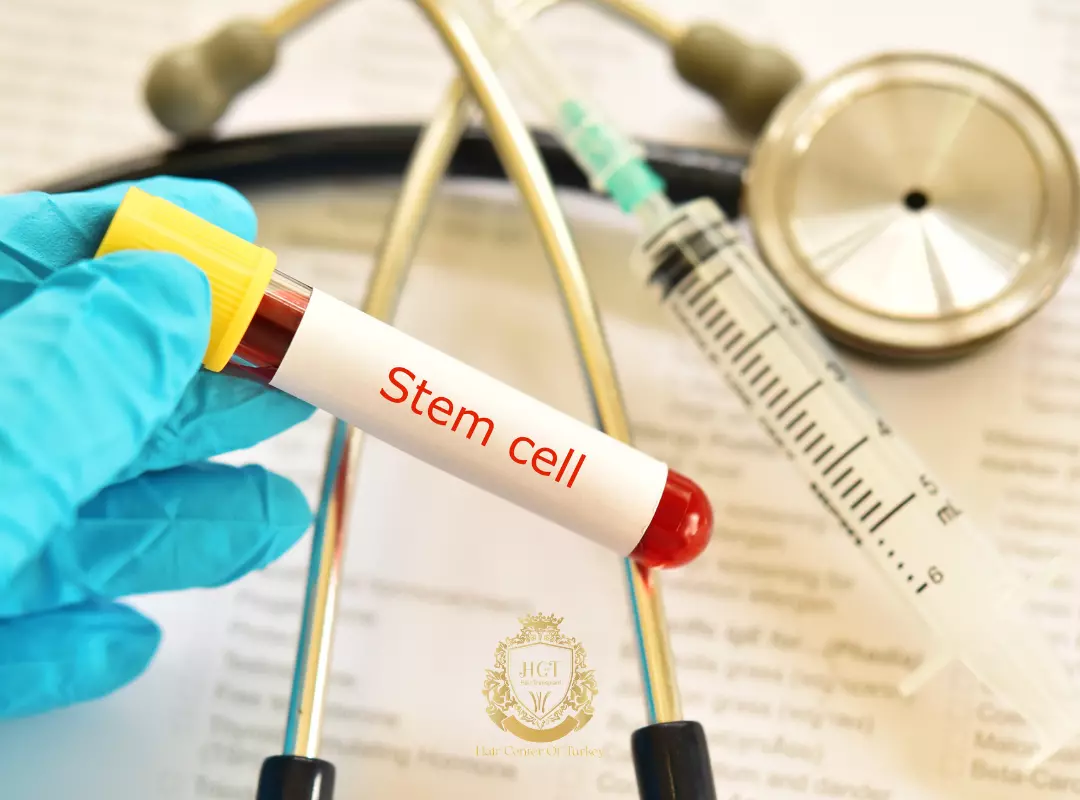
Is stem cell therapy a replacement for a normal hair transplant?
No, at least not in the way many patients imagine. If someone already has visible bald areas or significant thinning, a conventional transplant still has one major advantage: it physically moves working follicles into places where hair is missing. That is something regenerative support alone usually cannot fully replace.
This is one of the biggest misunderstandings in the market. Some patients hear the words “stem cell” and assume that donor limitations no longer matter, that future hair loss no longer matters, or that surgery can somehow be avoided entirely while still producing full transplant-style results. That is not how responsible clinics should explain it.
A better way to think about it is this: the transplant handles the structural problem, while regenerative support may help optimize the environment. That can be valuable. But it is still support, not a total substitute for the fundamentals. Hair restoration remains dependent on donor supply, scalp condition, surgical design, and realistic expectations. Stem-cell-based support may make an already well-planned procedure more appealing, but it does not rescue a poorly chosen candidate or a badly designed case.
Who is a good candidate for a hair transplant with stem-cell-based support?
A stronger candidate usually has these characteristics:
- A clear pattern of hair loss, most often androgenetic alopecia, rather than an unstable or unclear shedding problem.
- Enough healthy donor hair to make a standard transplant worthwhile in the first place.
- A healthy scalp that can support both surgery and healing.
- Realistic expectations about what the regenerative part can and cannot do.
- A willingness to ask what the clinic actually means by “stem cell therapy” instead of assuming all such treatments are the same.
Patients who do best with this kind of combined approach are usually the ones who are already good transplant candidates. They are not trying to use stem-cell language as a shortcut around the usual rules. They are simply exploring whether an advanced support therapy might improve the overall treatment plan.
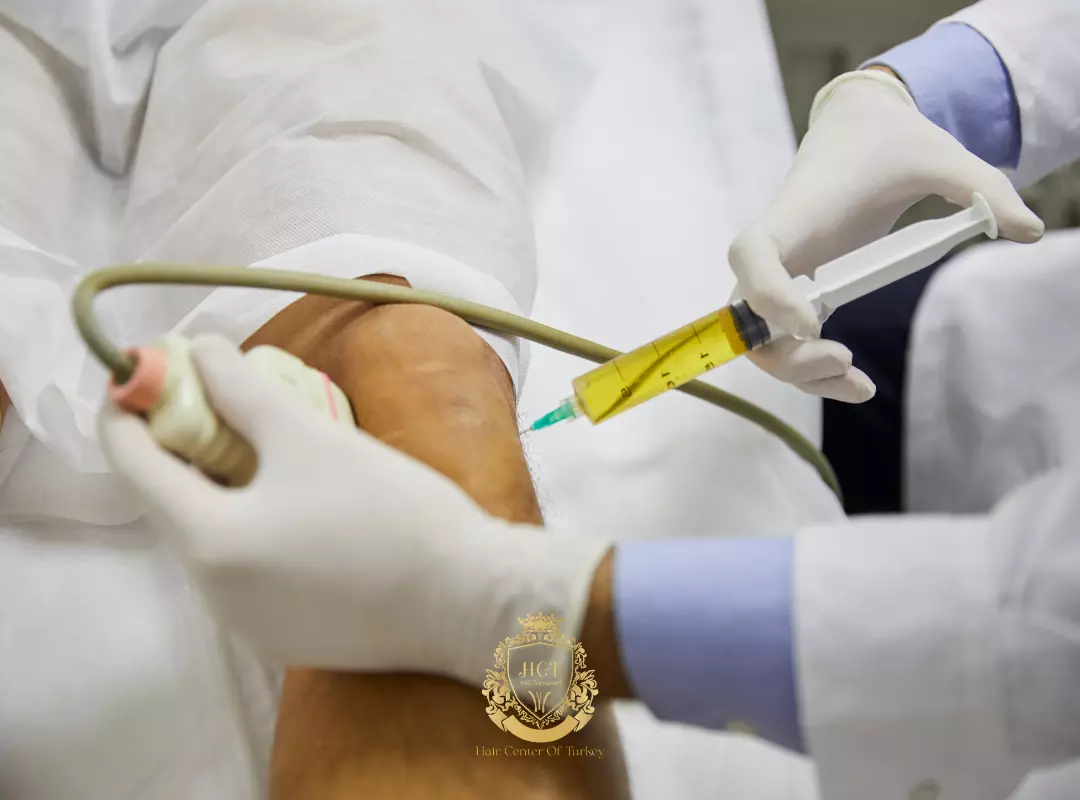
Why are some doctors cautious about this topic?
Because this is one of the easiest areas in modern aesthetic medicine to oversell. The language sounds futuristic, and anything that sounds futuristic is easy to market. Patients hear “regenerative,” “stem cell,” or “advanced cellular therapy,” and they naturally assume the treatment must be more powerful than conventional options. But medicine does not work that way. A treatment can sound exciting long before it becomes fully standardized or consistently understood in everyday clinical practice.
That is why careful doctors usually speak in measured terms. They do not tell patients that stem-cell-assisted hair restoration guarantees better density or transforms every outcome. They explain it as a promising support tool in selected cases. That difference in tone matters more than many people realize. A clinic that sounds slightly more cautious is often the clinic that understands the treatment more honestly.
This is also where patient discipline becomes important. If you are considering a stem cell hair transplant, you should not reward vague language. You should ask for definitions. Ask what is being used. Ask how it fits into the procedure. Ask why the clinic believes it is appropriate for your case. If the answer is mostly branding rather than explanation, that should tell you something.
What are patients usually hoping to gain from stem cell support?
Most patients are hoping for four things: better healing, stronger graft survival, improved density, and a more advanced treatment experience overall. Some also hope that the scalp will recover faster or that the hair will appear fuller and healthier as time goes on.
Those hopes are understandable, and they are one of the reasons this topic keeps growing. Hair restoration is no longer seen only as a surgical decision. For many people, it has become part of a broader conversation about regenerative aesthetics and long-term tissue support. Patients want the procedure to feel modern. They want it to sound like more than a standard transplant.
There is nothing wrong with that as long as the expectations stay grounded. The best mindset is not to expect a miracle. It is to ask whether a regenerative add-on could be a meaningful enhancement to an already good treatment plan. That is a more mature way to approach the topic, and it usually leads to better decisions.
What should the consultation feel like?
A good consultation should feel detailed, calm, and medically focused. The surgeon or clinic should first assess whether you are a good transplant candidate at all. That means looking at your donor area, your pattern of hair loss, your scalp condition, your age, your expectations, and your likely future thinning pattern. Only after that should the discussion move into extras like regenerative support.
This order matters. A clinic that begins with the most exciting add-on before confirming the fundamentals may be selling a concept instead of building a proper case. The foundation of a successful hair transplant with stem cell therapy is still the transplant itself. If the basic plan is weak, adding something advanced-sounding will not fix it.
You should also expect transparency about limitations. A serious clinic may tell you that you are a better candidate for a classic transplant alone. They may tell you that the stem cell component is optional rather than essential. They may even say that your donor supply or pattern of hair loss matters far more than any regenerative add-on. That kind of honesty is a good sign, not a disappointing one.
Why do so many patients look at Turkey for this kind of treatment?
Because Turkey has become one of the strongest global names in hair restoration, and that reputation does not come only from pricing. Patients are drawn to Turkey because the country has built a visible and well-organized international treatment ecosystem around procedures like hair transplantation. For someone comparing options, that matters a lot.
When patients look into hair transplant in Turkey, they often see more than just clinics. They see a whole treatment journey. That usually includes coordination, consultation support, travel planning, accommodation guidance, and a process that feels tailored to international patients. In a field where confidence and clarity are important, that kind of structure can be very persuasive.
Turkey is also attractive because the market is deep. Patients have many options, and clinics are used to discussing both standard transplants and more advanced-looking add-ons. That does not mean every clinic is excellent. It means the country has become a major center of competition and visibility in hair restoration, which makes it easier for patients to compare different approaches.
Another reason Turkey stays popular is simple economics. In many countries, once regenerative add-ons are included in a surgical hair plan, costs can rise quickly. In Turkey, patients often feel that they can explore a more complete treatment package without reaching the same price levels they might face elsewhere. That combination of visibility, structure, and value is one of the main reasons Turkey keeps appearing in these conversations.
What should you check before booking in Turkey?
If you are considering Turkey for a hair transplant with stem cell therapy, focus on the essentials:
- Ask the clinic to explain exactly what “stem cell therapy” means in your case.
- Confirm whether the procedure is a true transplant with graft relocation or a non-surgical treatment being marketed with transplant language.
- Ask who performs the consultation, design, extraction, implantation, and follow-up.
- Look for a clinic that discusses long-term hair planning, not just exciting add-ons.
- Make sure communication is clear enough that you understand the full treatment path before traveling.
Patients often make better decisions in Turkey when they stop thinking only about price and start thinking about structure. The smartest move is not to chase the cheapest package. It is to choose a clinic that makes the entire process feel medically coherent and professionally managed.
Is a stem-cell-assisted hair transplant worth it?
For some patients, yes. For others, not necessarily. That is the most honest answer. If you are already a strong candidate for a normal hair transplant and you are interested in adding a supportive regenerative element, it may be worth discussing. If you are hoping that the words “stem cell” will somehow overcome every usual limitation of hair restoration, you are likely expecting too much.
Whether it is worth it depends on the role it plays in your treatment plan. If it is used thoughtfully, explained clearly, and paired with solid surgical technique, it may add value. If it is used mainly as a marketing phrase, then its value becomes much harder to trust.
This is one reason many informed patients keep returning to Turkey as an option. They are not only looking for a transplant. They are looking for a place where they can compare a wide range of treatment models in a market that already understands how to package and explain them to international patients.
FAQ
Is stem cell treatment worth it for hair transplant?
No; stem-cell hair procedures are experimental and less proven than FUE/FUT.
What is the success rate of stem cell hair transplant?
No validated success rate exists; evidence is limited and protocols vary widely.
s stem cell hair transplant painful?
Usually mild; local anesthesia is used, with brief soreness afterward.
Can you live 20 years after a stem cell transplant?
Yes; many hematopoietic stem cell transplant survivors live 20+ years.
Which country is best for stem cell transplant?
No single country is best; prioritize FACT/JACIE-accredited, high-volume transplant centers.
Is PRP covered by insurance?
Usually no; PRP is typically not covered and is paid out-of-pocket.
Explore the complete guide: Hair Loss Treatments