





Understanding Hair Fall: Causes & Concerns
Hair fall can be temporary (after stress, illness, or diet changes) or ongoing due to genetics, hormones, nutrient gaps, or scalp conditions. Gentle routines, targeted nutrition, and treating scalp inflammation often reduce shedding. If hair fall is sudden, patchy, painful, or lasts longer than 8–12 weeks, a medical assessment helps confirm the cause and the right plan.
Table of Contents
Hair fall vs. hair loss: What’s normal?
Shedding a small amount of hair daily is part of the normal hair-growth cycle. Hair fall becomes a concern when shedding increases for weeks, your part looks wider, your ponytail feels thinner, or you notice patchy areas.
Common causes of hair fall
Hair fall is often multifactorial. One trigger may be enough to cause noticeable shedding, but many people have two or three causes happening at once.
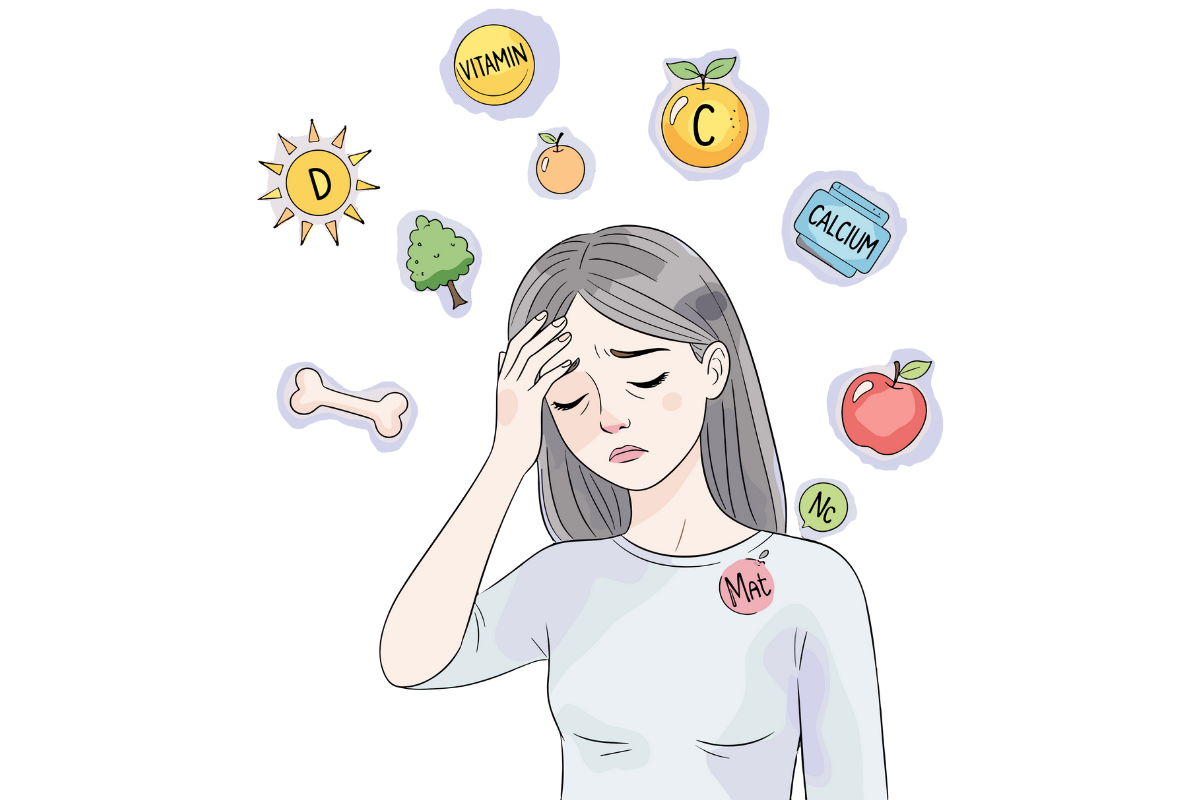
Nutrient gaps
Low iron stores, inadequate protein intake, and low vitamin D can contribute to shedding and weaker hair shafts. If you suspect a deficiency, blood tests are more reliable than guessing with supplements.
Hormonal shifts
Pregnancy, postpartum changes, thyroid conditions, and menopause can affect the hair cycle. In men and women, follicle sensitivity to androgens can also contribute to gradual thinning over time.
Stress, illness, and rapid weight loss
Major stress, fever, surgery, and crash dieting can push more hairs into the shedding phase. This kind of shedding often improves once the body recovers, but it can take a few months to settle.
Excessive styling and traction
Tight hairstyles, heavy extensions, frequent heat styling, and harsh chemical treatments can weaken the hair and irritate the scalp. Reducing friction and tension helps protect both the hair shaft and the follicle opening.
Scalp conditions
Dandruff, seborrheic dermatitis, psoriasis, and folliculitis can increase itching and inflammation, which may worsen shedding. Treating the scalp condition is often one of the fastest ways to improve comfort and reduce breakage.
Genetics
If hair thinning runs in your family, you may be dealing with hereditary-patterned hair loss. This typically causes gradual density changes over time rather than sudden, heavy shedding.
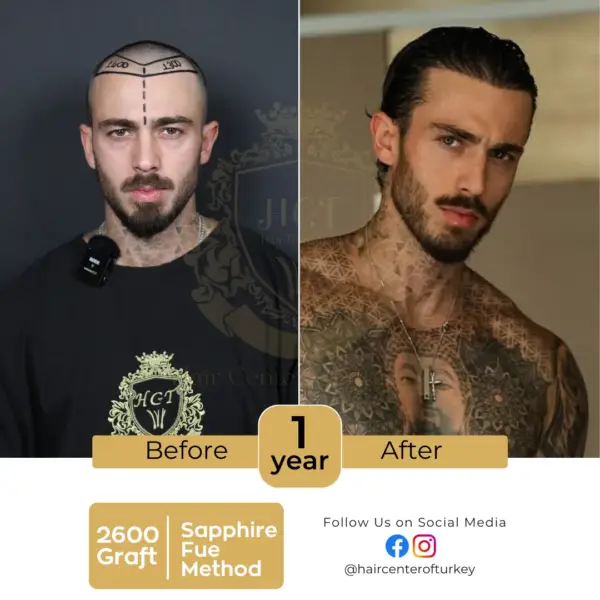
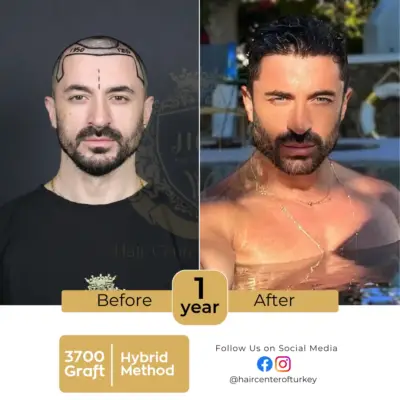
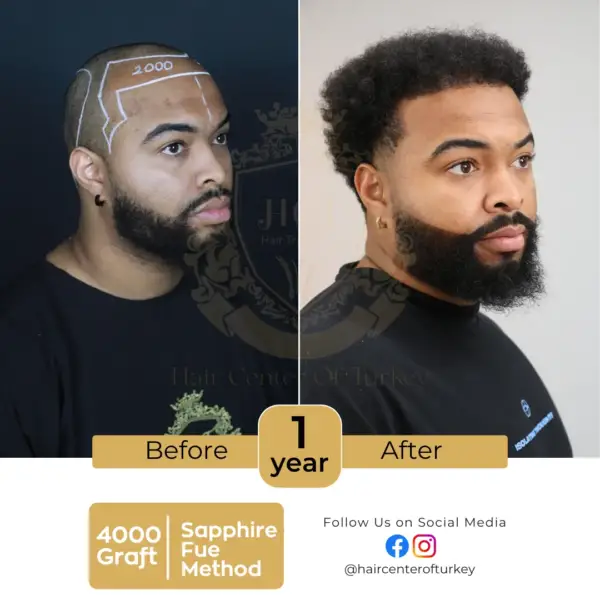
After a hair transplant: Temporary shedding (shock loss)
Some patients experience temporary shedding in the weeks after a transplant. This can affect newly placed hairs and nearby native hairs, and it usually improves as the scalp settles. Follow your clinic’s aftercare plan and avoid home remedies on a healing scalp unless your surgeon approves them.
Why people choose natural remedies
Natural remedies can support scalp comfort and help reduce breakage when used consistently and safely. They work best when you also address the underlying trigger (such as stress, low iron, or scalp inflammation).
- Support a cleaner, calmer scalp environment
- Help moisturize dry hair and reduce breakage
- Fit into gentle routines during recovery (when medically cleared)
- Are easy to maintain at home
1. Aloe vera for scalp soothing
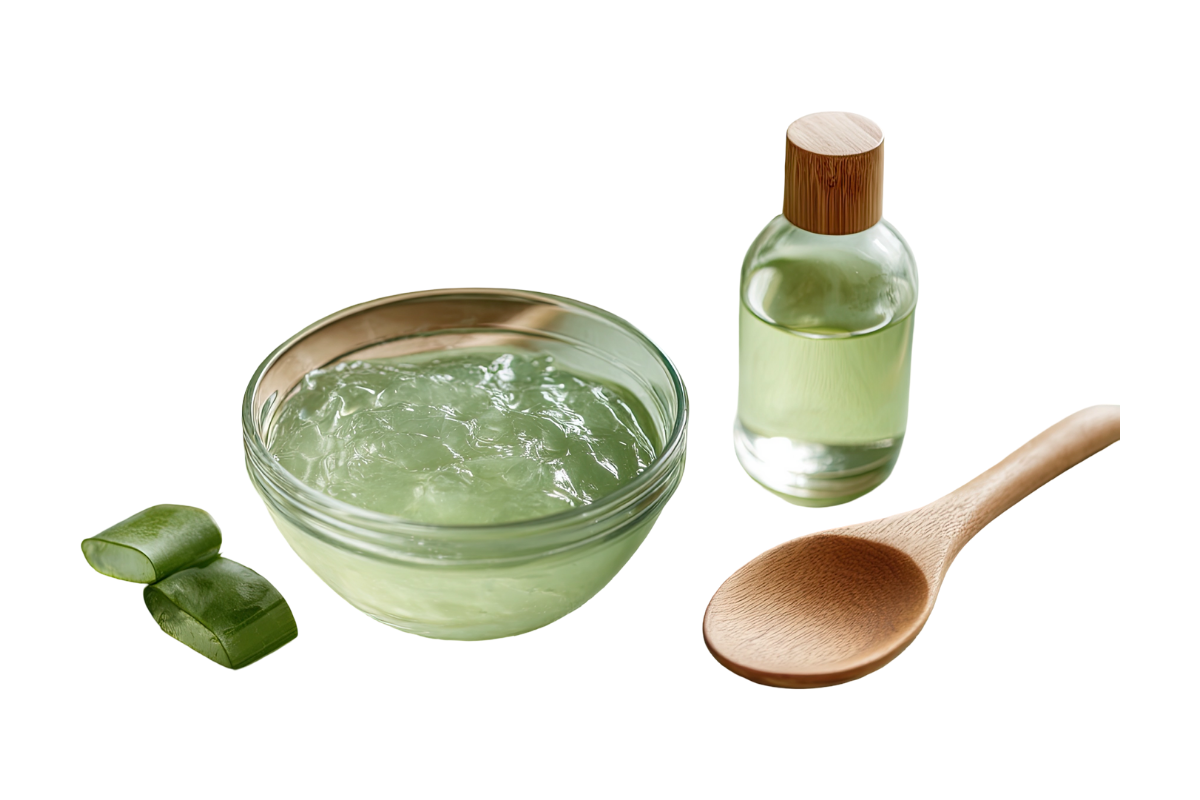
Aloe vera may help calm dryness and flaking in some people.
How to use: Apply fresh aloe gel to the scalp, leave for 20–30 minutes, then rinse with a mild shampoo.
2. Coconut oil massage
Coconut oil can reduce hair-shaft dryness and breakage in some hair types.
How to use: Apply a small amount to lengths and ends. Use only very gentle scalp massage, and only if your scalp is not irritated.
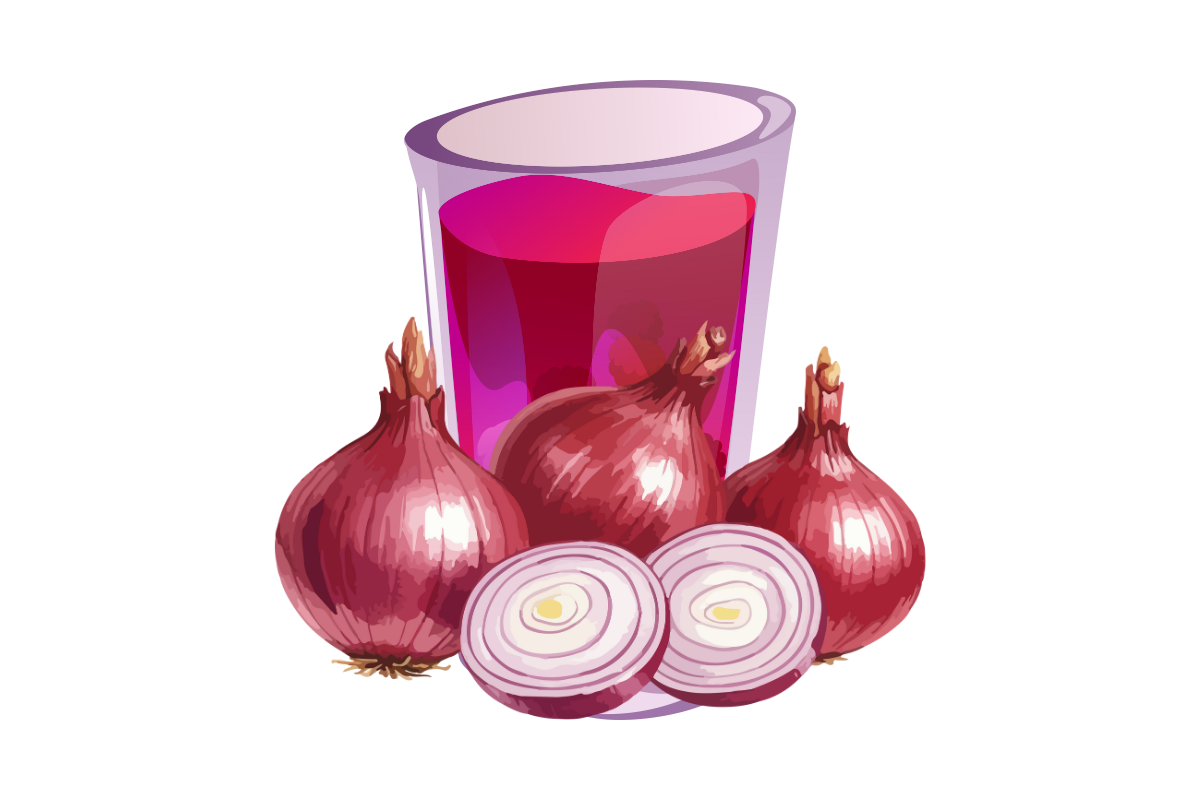
3. Onion juice (use with caution)
Onion juice is commonly used at home, but it can irritate sensitive scalps.
How to use: Dilute, patch-test, apply for 10–20 minutes, then wash thoroughly. Avoid if you have eczema, open sores, or severe dandruff.
4. Fenugreek seed paste
Fenugreek is traditionally used to condition hair and support a healthier scalp feel.
How to use: Soak seeds overnight, blend into a paste, apply for 20–30 minutes, then rinse well.
5. Amla (Indian gooseberry)
Amla-based oils are often used to improve shine and manage dryness.
How to use: Massage a small amount into scalp and hair, leave for 30–60 minutes, then wash.
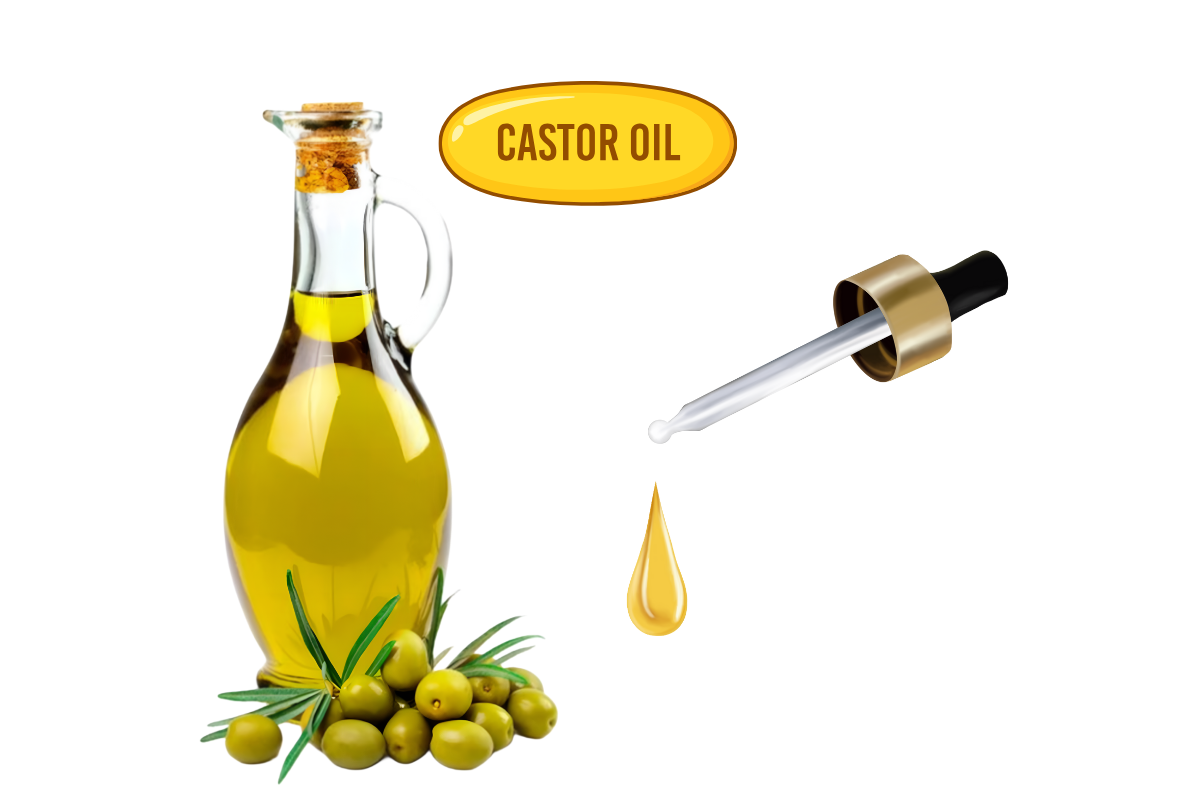
6. Castor oil for very dry hair
Castor oil is thick and can help seal in moisture, which may reduce breakage.
How to use: Mix with a lighter carrier oil for easier application and wash out thoroughly.
7. Green tea rinse
A cooled green tea rinse can feel soothing for some scalps.
How to use: Brew, cool, and use as a final rinse after shampooing. Rinse with water if your scalp feels sticky.
8. Egg mask for a temporary protein boost
Egg masks may temporarily improve the feel of hair by conditioning the shaft.
How to use: Mix one egg with a teaspoon of olive oil, apply to lengths for 15–20 minutes, then rinse with cool water.
9. Yogurt and honey mask
This combination can moisturize dry hair and improve softness.
How to use: Apply to lengths for 15–20 minutes and rinse well. Avoid if you have an active scalp infection.
10. Essential oils (always dilute)
Some people use diluted rosemary, lavender, or peppermint oil for scalp comfort.
How to use: Use a few drops mixed into a carrier oil, patch-test first, and avoid contact with eyes.
Diet and lifestyle tips to reduce hair fall
Small, consistent habits usually help more than frequent product switching. Focus on the basics first.
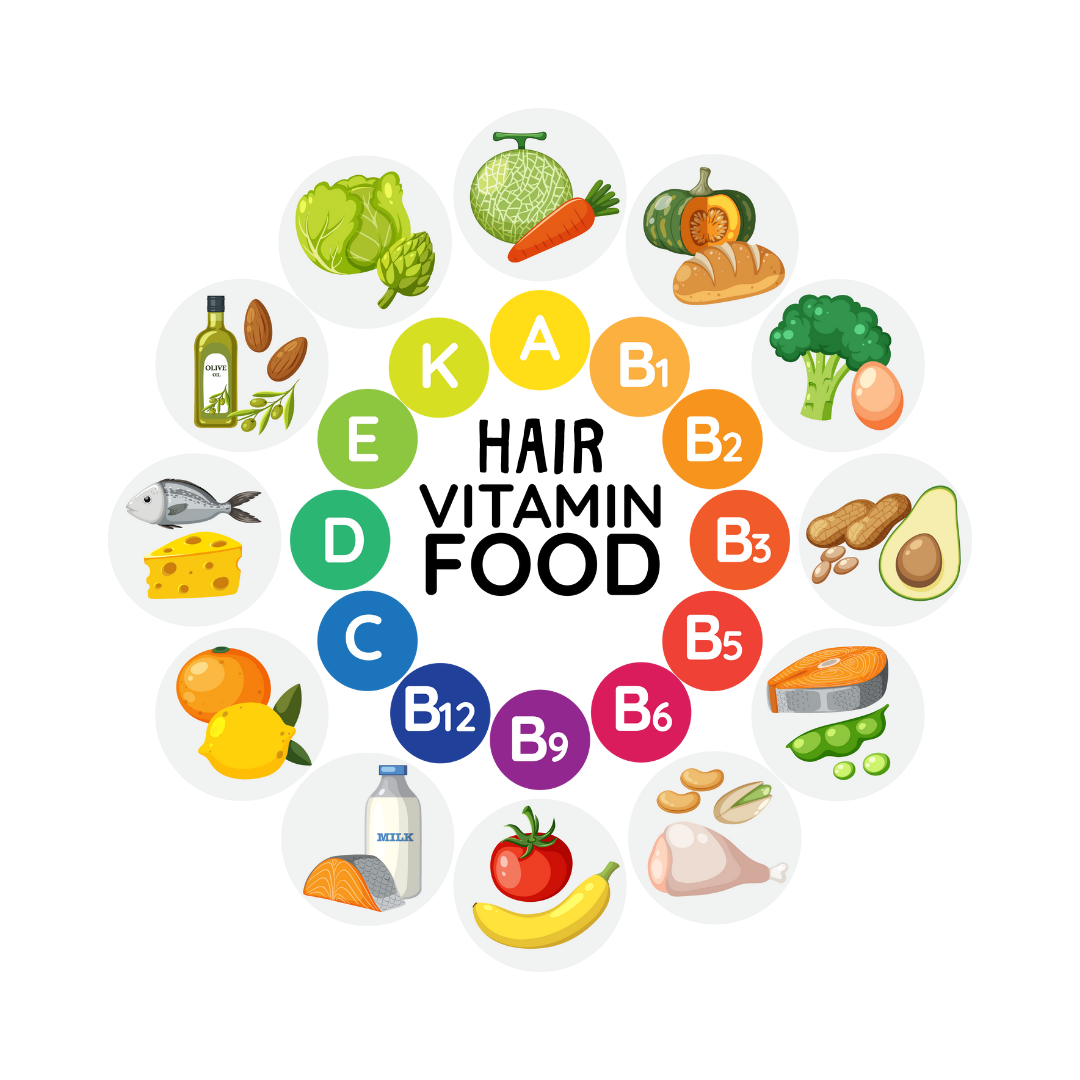
- Eat enough protein daily (eggs, fish, legumes, dairy, tofu, lean meats)
- Stay hydrated and avoid extreme calorie restriction
- Treat dandruff early and keep scalp cleansing consistent
- Limit heat styling and tight hairstyles that pull on the roots
- Manage stress with a routine you can keep (walking, strength training, yoga, or breathing exercises)
- After a transplant, follow your surgeon’s aftercare steps exactly
If you want medical guidance on common scalp and hair concerns, the American Academy of Dermatology (AAD) has patient-focused resources worth reviewing.
When to seek medical advice
Consider a professional assessment if hair fall is sudden, patchy, painful, or accompanied by scalp redness or scaling. It’s also wise to get checked if shedding lasts longer than 8–12 weeks, or if you have fatigue, weight changes, or irregular periods.
Frequently asked questions
How to stop hair fall immediately and regrow naturally?
You can’t stop immediately; fix triggers, optimize protein/iron, and expect regrowth in months.
What vitamin is lacking if my hair is falling out?
Vitamin D is commonly low; also check B12, iron, zinc, and thyroid.
What is the best natural remedy for hair loss?
No proven single remedy; adequate protein/iron, gentle care, and stress/sleep optimization help.
What is the Big 3 for hair loss?
Finasteride, minoxidil, and ketoconazole shampoo are the common “Big 3.”
What can I drink to stop hair loss?
No drink stops hair loss; correct deficiencies with water, protein, and doctor-guided supplements.