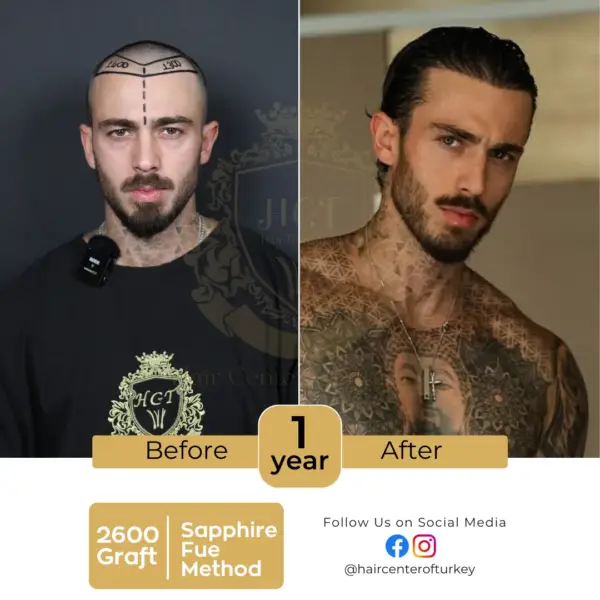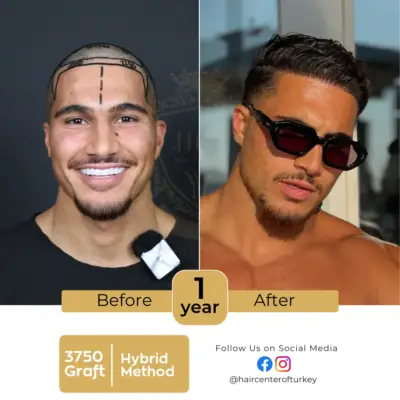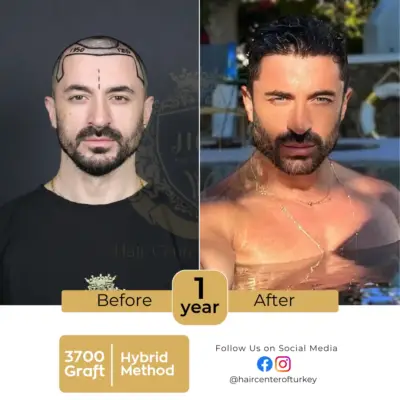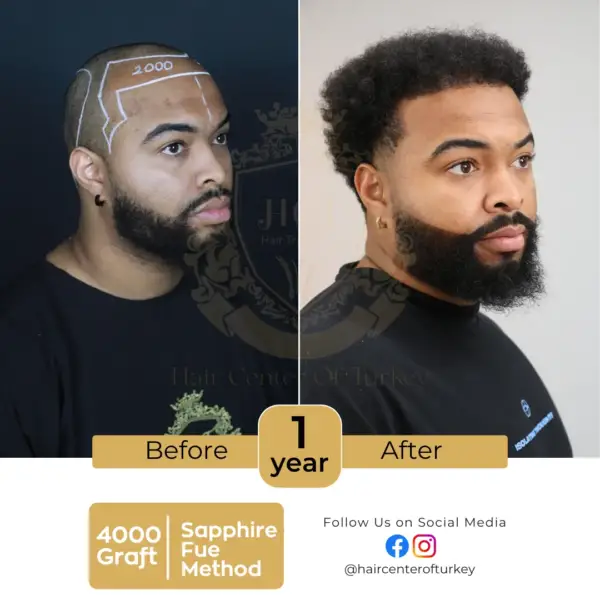






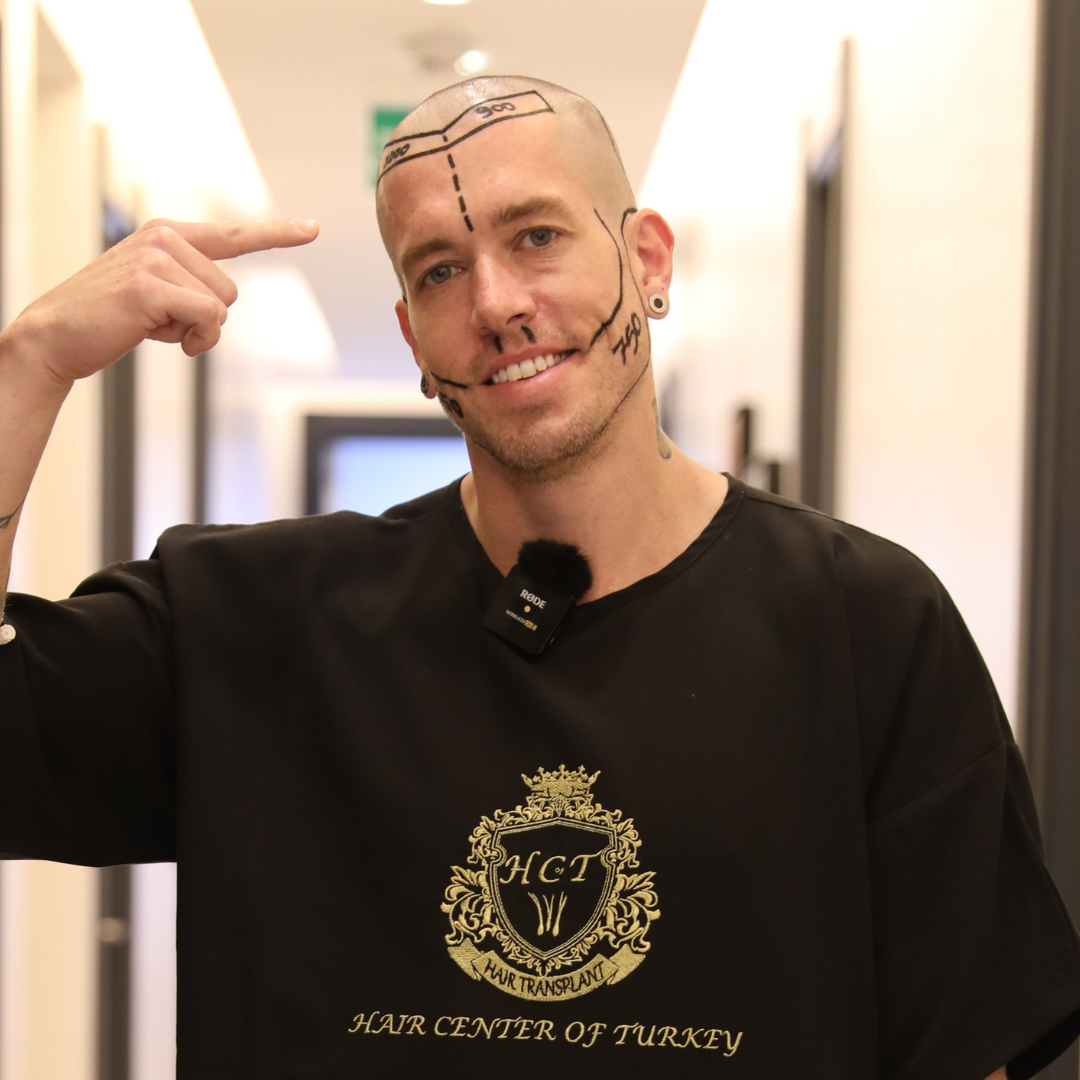
Why Is Turkey So Popular for Hair Transplants?
Hair loss has a way of becoming more visible at exactly the wrong moment. It shows up in photos, under bright lights, in the mirror before work, and in that split second when you catch your hairline from the side and realize it looks different than it did a few years ago. That is why so many people eventually start looking into a permanent solution. And once they do, one destination comes up again and again: Turkey. It is not just a passing trend. Türkiye’s official health tourism platform describes the country as a leading destination for international patients because of its skilled personnel, advanced technological infrastructure, ease of access, and competitive costs, and it says that 801,723 people visited the country for healthcare services in the second quarter of 2024 alone.
For people considering hair restoration, that matters. A hair transplant is not the kind of decision most patients make casually. They want a clinic that feels experienced, a process that does not feel chaotic, and a destination that already understands how to handle international visitors. Turkey has built a reputation around exactly that combination. On the same official platform, hair transplant is listed among the country’s promoted treatment categories, which helps explain why the country has become such a visible name in global hair restoration searches.
Table of Contents
Why is Turkey so popular for hair transplants?
Turkey is popular for hair transplants because it offers more than a procedure. It offers an ecosystem. Many patients are not simply searching for a surgeon; they are looking for a place where consultation, treatment planning, travel, accommodation, and follow-up all feel coordinated. The official Heal in Türkiye portal reflects that approach. It presents hair transplant as an established treatment category, highlights a dedicated health visa pathway, and promotes medical travel features designed for overseas patients. That kind of structure makes the process feel more manageable, especially for someone flying in from another country for cosmetic surgery.
There is also the experience factor. Hair restoration is a detail-driven field. The success of the final result does not depend only on moving grafts from one area to another. It depends on hairline design, natural angles, donor management, density planning, and realistic expectations. The International Society of Hair Restoration Surgery, or ISHRS, describes itself as the leading authority on hair loss treatment and restoration, and its 2025 practice census shows continued global demand for hair restoration surgery, especially among younger first-time patients. That growing demand helps explain why patients are increasingly comparing clinics and countries instead of just looking for the closest local option.
Another reason Turkey stands out is accessibility. The country is easy to reach from Europe, the Middle East, and many other regions, and its official health tourism platform actively positions Türkiye as a destination that combines treatment with travel convenience. That matters more than people sometimes admit. When patients are already anxious about surgery, the practical side of the journey can either lower stress or add to it. Turkey’s appeal comes partly from the fact that it often removes friction from the process.
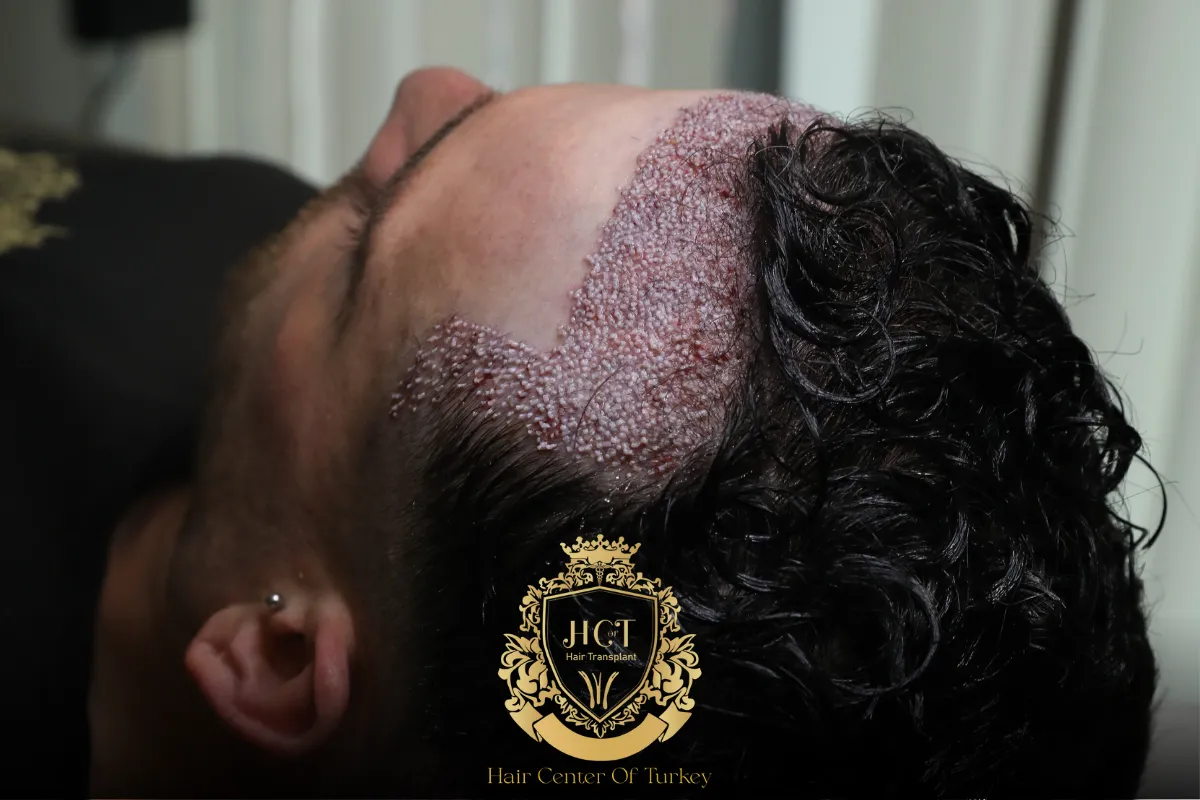
Is price the only reason people choose a hair transplant in Turkey?
Price may be the reason many patients first notice Turkey, but it is rarely the reason they stay interested. The stronger explanation is value. People are not only comparing what they pay; they are comparing what they get for the overall experience. Türkiye’s official platform promotes not just treatment categories, but also provider search tools, health visa support, and complication insurance information. For someone trying to organize a medical trip from abroad, that turns the decision into something bigger than a simple price comparison.
There is also a confidence factor. Hair loss often affects more than appearance. It shapes how people style their hair, how they present themselves socially, and how comfortable they feel in photographs or at work. According to the ISHRS 2025 practice census, first-time hair restoration surgery patients in 2024 skewed younger than the general adult population, with 95 percent beginning treatment between the ages of 20 and 35. That suggests the decision is not only cosmetic in a superficial sense; for many patients, it is tied to confidence and self-image at a stage of life when appearance feels especially visible.
In that context, Turkey feels attractive because it offers a place where hair transplant is already a familiar part of the broader medical tourism model. Patients do not feel like they are stepping into an unusual system. They are entering a destination where this kind of travel has already been anticipated and organized. That is a big part of why “hair transplant in Turkey” continues to rank as a highly searched phrase. It is not just about affordability. It is about feeling that the journey has been built with international patients in mind.
What should you look for before booking a hair transplant clinic in Turkey?
- Make sure you know exactly who the surgeon is and what their role will be. The NHS advises patients to check whether the surgeon is qualified and experienced and to ask who will perform the operation.
- Ask who performs each stage of the procedure. The ISHRS warns patients about black market clinics where unlicensed or poorly trained individuals carry out substantial parts of hair restoration surgery.
- Confirm that you are actually a suitable candidate. The NHS notes that hair transplants are generally used for permanent baldness, while broader hair loss guidance makes clear that not every type of hair loss should be treated in the same way.
- Ask what follow-up care looks like after you return home. The NHS specifically recommends understanding what kind of support you should expect if something goes wrong.
- Be cautious with advertising that sounds too perfect. The ISHRS has repeatedly warned consumers that polished marketing can hide unsafe practices in this field.

Sinan Özer – Founder & General Coordinator

Dr. Rasime Erkan – Dermatology Specialist
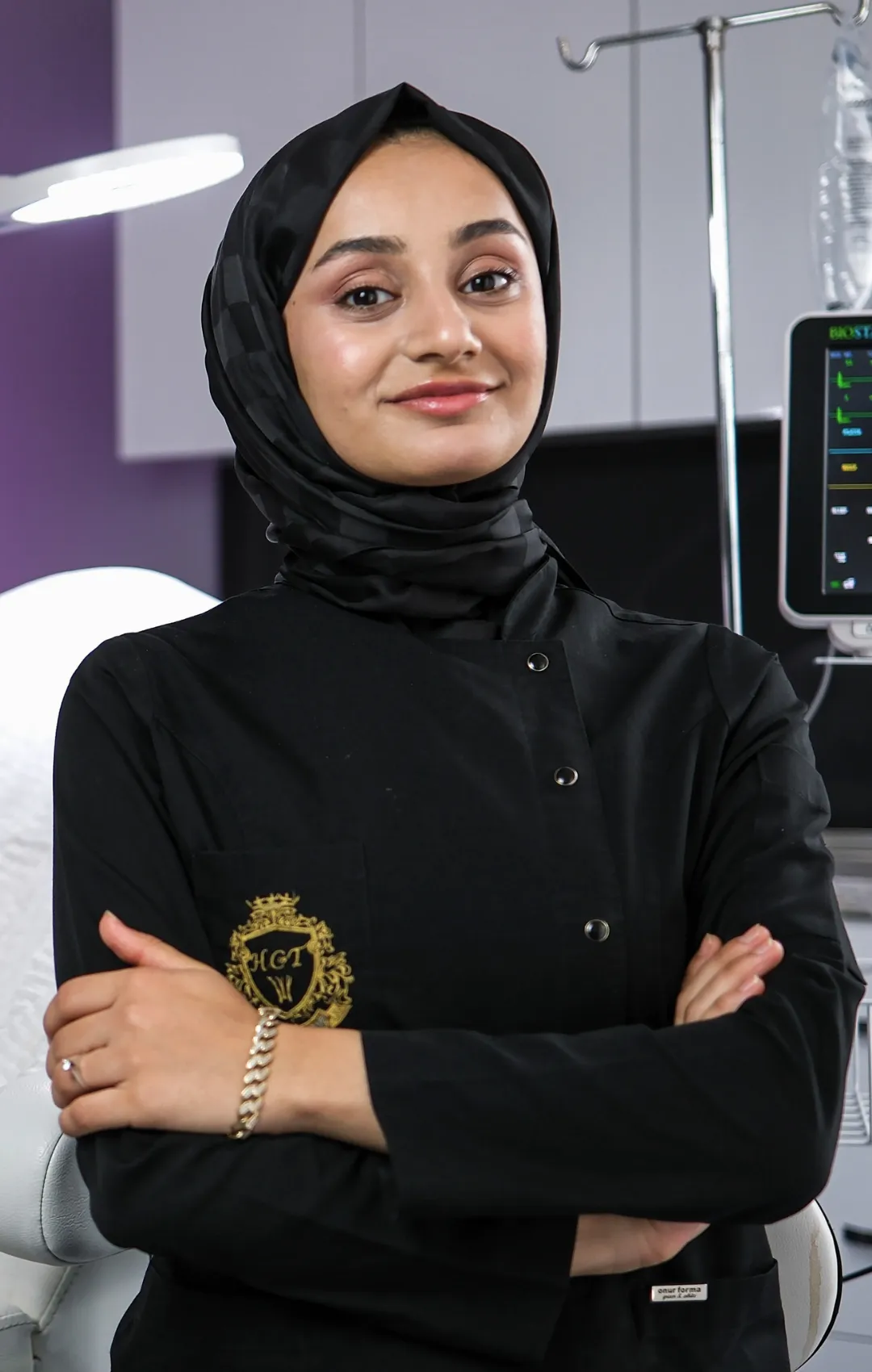
Zehra Özer – Hair Transplant Specialist
What should you pack for a hair transplant trip to Turkey?
- Your passport, booking confirmation, visa-related documents, and medical records. Türkiye’s official platform says health institutions can apply for a quick health visa on behalf of eligible patients, so having documents organized makes the trip smoother.
- Button-down or zip-up tops instead of tight T-shirts. After a hair transplant, avoiding friction against the scalp is important while the grafts are still settling. The NHS says grafts are not secure for the first two weeks.
- Your regular prescription medicines in their original packaging. That is simply smart travel practice, especially for a medical trip where your health history matters.
- A neck pillow for the flight and the first few nights. Comfort matters more than most patients expect once the procedure is over and the scalp feels tender. The NHS notes that a tight, achy, and swollen scalp for a few days is normal.
- A charger, power bank, and an easy way to make payments. On a treatment-focused trip, simple logistics matter, especially when you are coordinating transport, hotel check-in, and clinic communication. Türkiye’s official medical travel platform is built around convenience, so arriving prepared helps you make the most of that convenience.
FUE Sapphire
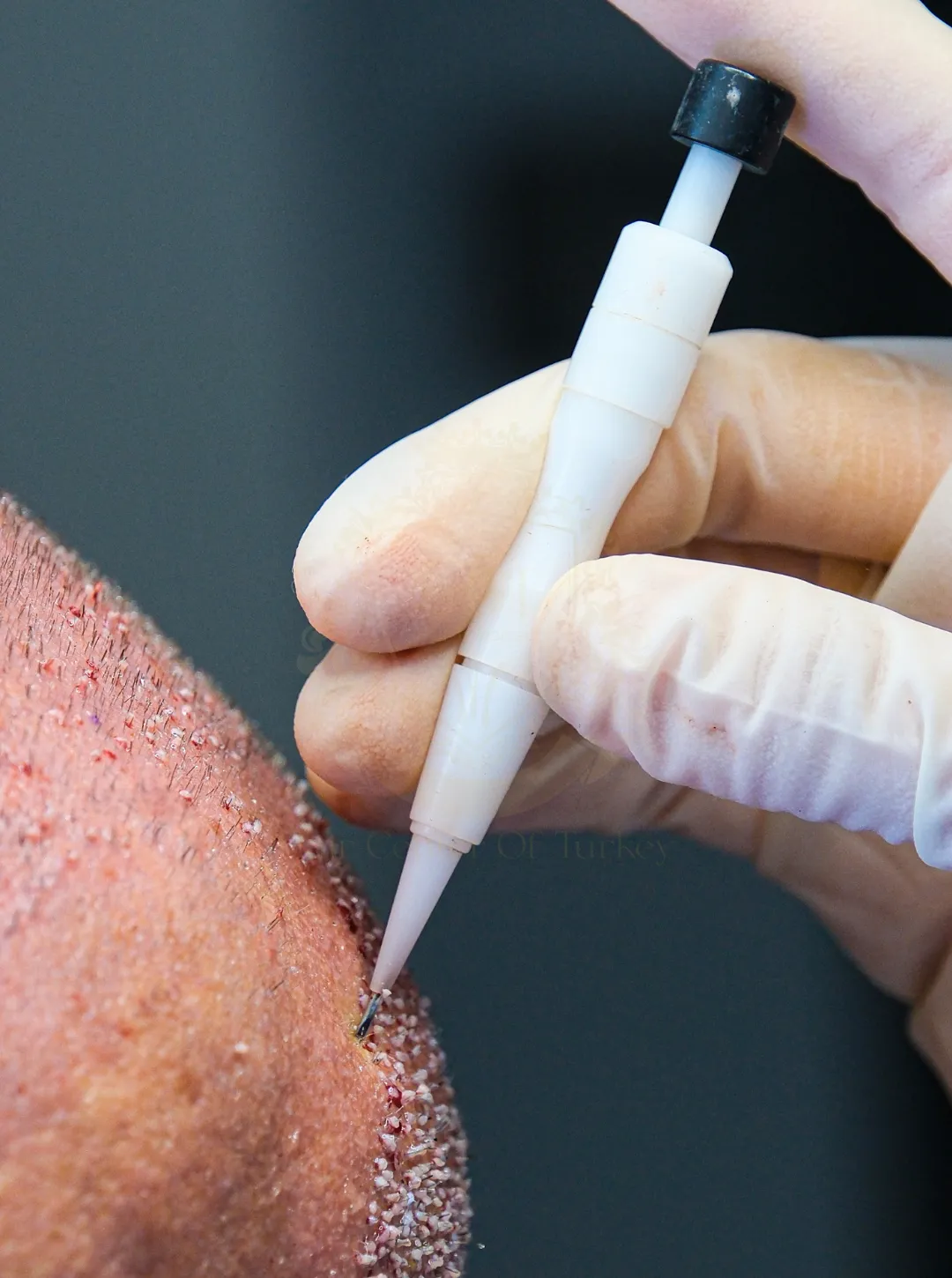
FUE DHI
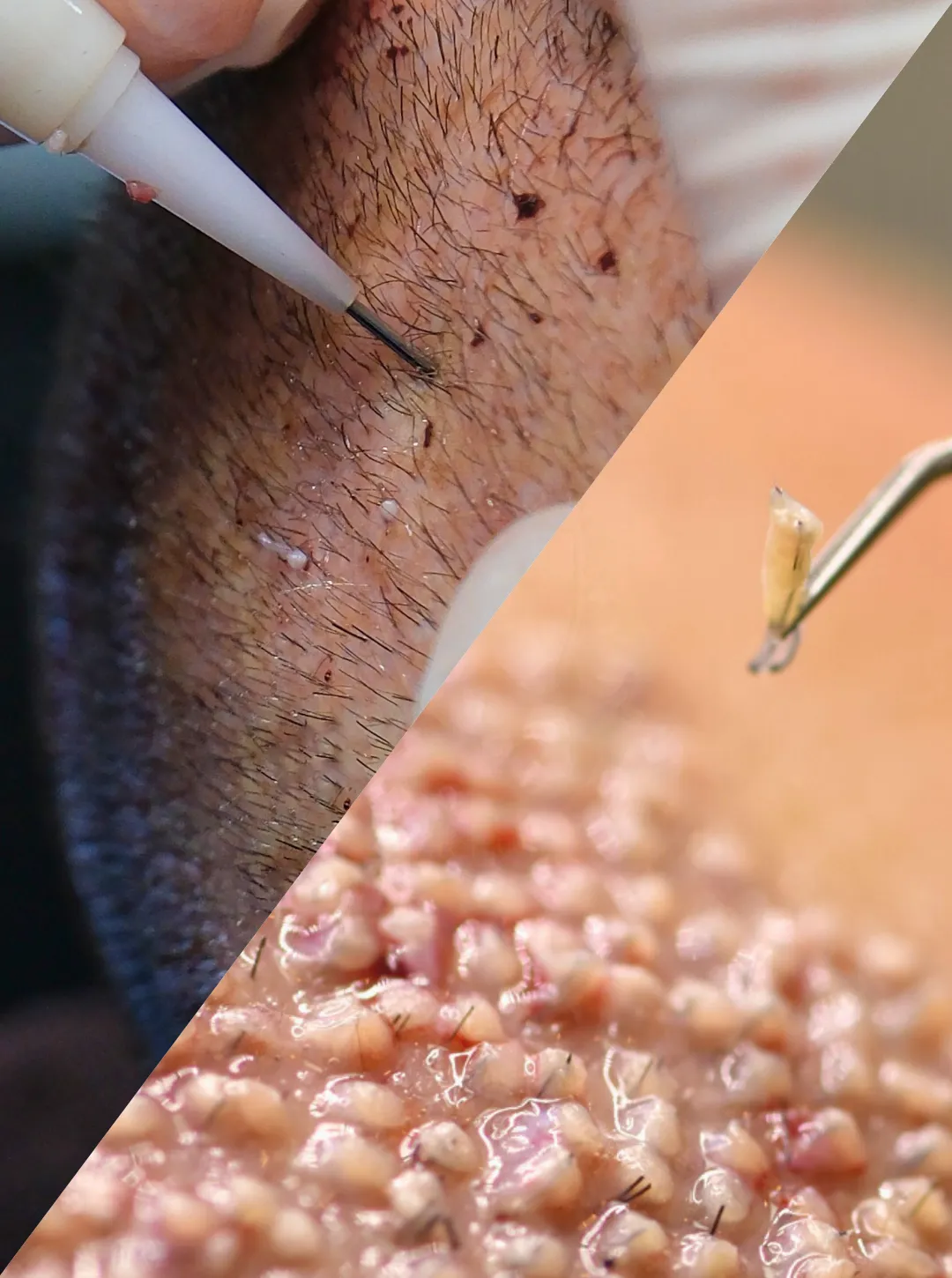
Hybrid Technique
Is getting a hair transplant in Turkey safe?
It can be, but safety depends far more on the clinic you choose than on the country name alone. That distinction matters. The NHS describes hair transplant as a major decision and emphasizes that cosmetic surgery carries risks. It lists possible complications such as bleeding, infection, and scarring, while also noting that patients need to be cautious during recovery because the grafts are not secure in the early period. In other words, a hair transplant can produce natural-looking results, but it is still a medical procedure that should be approached carefully.
Turkey is a strong option when patients choose a reputable, doctor-led clinic rather than chasing the cheapest possible package. The ISHRS has been vocal about the global problem of illicit hair transplant clinics and technician-led procedures. That warning is important because Turkey’s popularity has created both excellent options and risky ones. The best way to think about safety is not “Is Turkey safe?” but “Is this specific clinic transparent, doctor-led, and honest about expectations?” That is the question that protects patients.
The positive side is that Turkey’s official health tourism system gives patients a more organized starting point than random advertising alone. The Heal in Türkiye portal exists specifically to connect international patients with providers, explain the health visa process, and present a more structured route into medical travel. That does not replace personal due diligence, but it does give patients a more reliable framework for beginning their search.
What is recovery really like after a hair transplant in Turkey?
Recovery is usually less dramatic than many first-time patients fear, but it does require patience. According to the NHS, a hair transplant is often performed under local anaesthetic and sedation, and most people do not need an overnight hospital stay. Even so, the first days can include soreness, tightness, swelling, and small scabs. The NHS also says patients may need one to two weeks off work and that exercise may need to be reduced for around a month. That is why experienced clinics emphasize aftercare so heavily. The procedure may happen in a day, but the result is built over time.
The timeline surprises many people. The NHS says transplanted hair often falls out after a few weeks, new growth commonly starts after about four months, and full results are typically visible after 10 to 18 months. That long timeline is worth understanding before booking anything. A hair transplant in Turkey should be chosen as a long-term improvement, not as an instant transformation for next month’s holiday photos. Patients who understand this usually cope better with the recovery process and evaluate their results more realistically.
That same timeline is one reason Turkey remains appealing. If you are going to invest time, money, and emotional energy into a treatment that takes months to fully reveal itself, most people want the trip itself to feel well organized from the start. Turkey’s medical tourism model is designed around that kind of experience, which is part of why the destination continues to attract so much attention for hair restoration.
Should you choose Turkey for your hair transplant?
For many international patients, yes. Turkey has become popular for hair transplants because it combines several things that matter at the same time: broad accessibility, an established medical tourism system, official support tools for overseas patients, and a treatment category that is already highly visible on the national health tourism platform. That does not mean every clinic is equally good, but it does mean the country has built a serious infrastructure around this field.
The smartest reason to choose Turkey is not hype or social media. It is fit. If you want a destination where hair transplantation is already integrated into a wider patient journey, where travel logistics are easier to manage, and where the process feels designed for international visitors, Turkey deserves a place at the top of your shortlist. The key is to choose carefully, verify credentials, and work with a clinic that talks more about planning and aftercare than about unrealistic promises. Done that way, Turkey is not just a popular option for hair transplants. It is a practical one.
FAQ
Why are hair transplants in Turkey so cheap?
Because lower labor costs, high competition, packages, currency effects, and high-volume clinics.
Is it safe to get a hair transplant in Turkey?
Yes, if you choose a licensed clinic with an experienced surgeon and hygiene.
Are hair transplant clinics in Turkey regulated?
Yes, clinics are regulated, but oversight and who performs surgery can vary.
Why do so many celebrities choose Turkey for hair transplants?
Because it’s cheaper, discreet, quick scheduling, strong marketing, and many experienced surgeons.
How does Turkey compare to the UK or USA for hair transplants?
Turkey is cheaper; UK/USA cost more but often offer easier follow-up.