






What Is An M-Shaped Hairline?
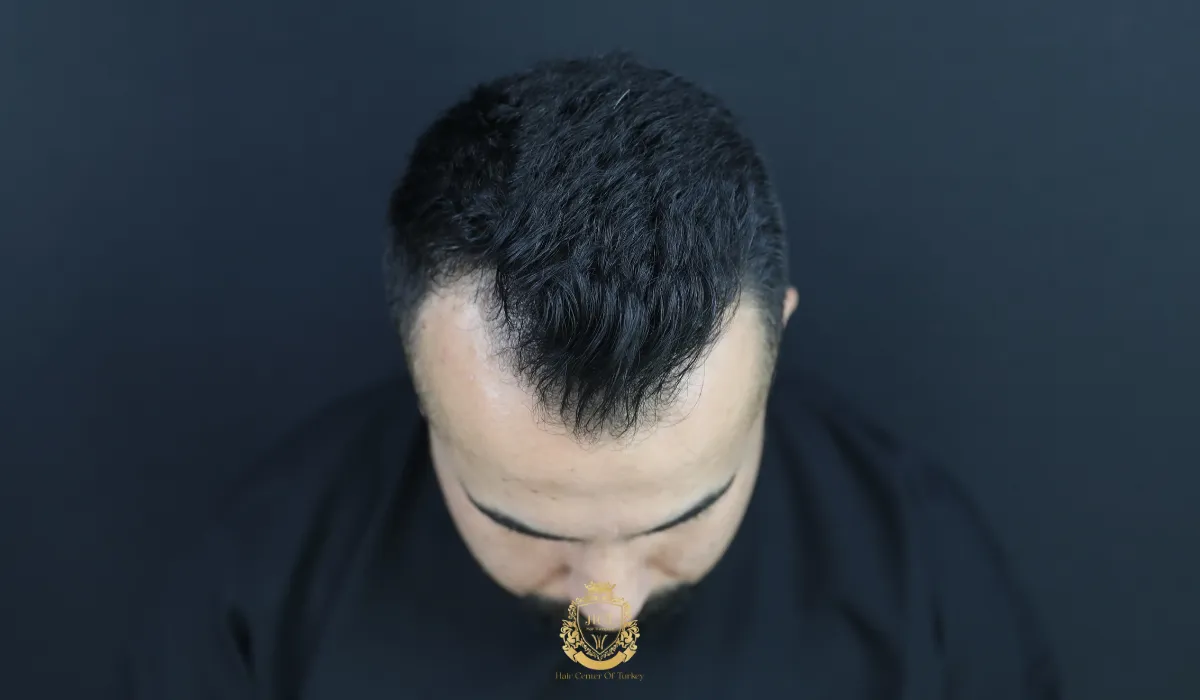
An M-shaped hairline is a hairline pattern where recession occurs at the temples while the center remains lower, forming an “M” shape across the forehead.
It is most commonly seen in men and is often associated with early-stage male pattern hair loss, though it does not always indicate ongoing balding.
Table of Contents
How To Identify An M-Shaped Hairline
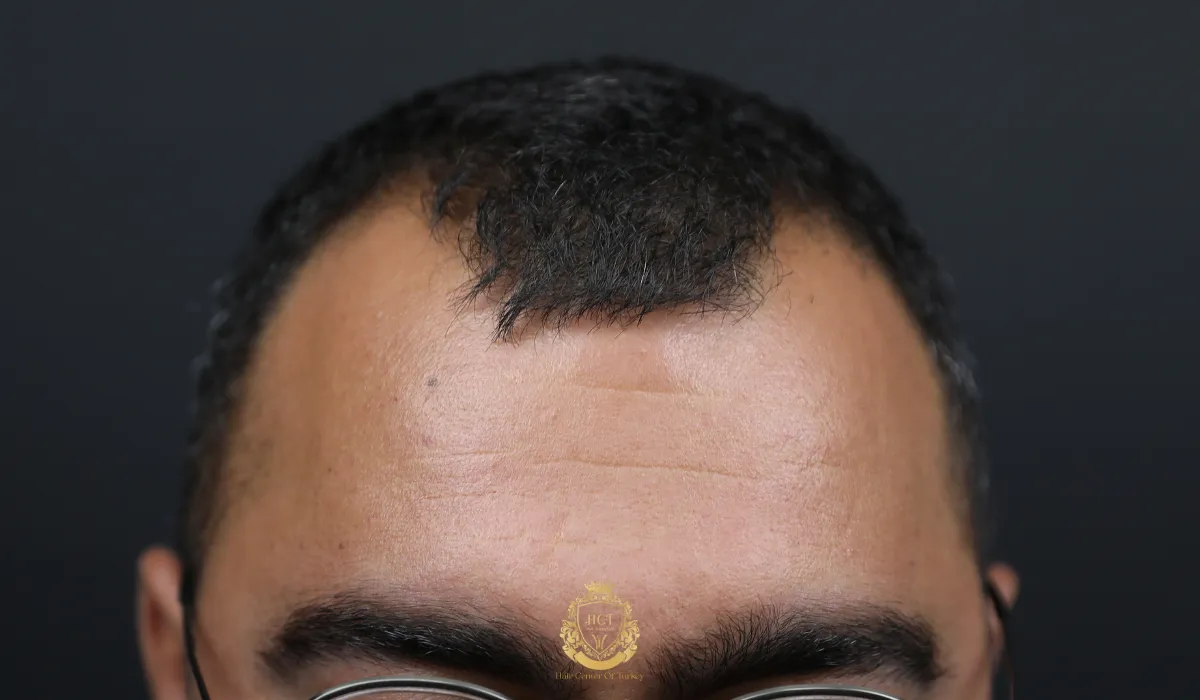
An M-shaped hairline is defined by symmetrical recession at both temples with a relatively preserved central hairline. This creates a clear angular pattern rather than diffuse thinning.
In many cases, hair density behind the hairline remains normal in the early stages. Over time, the shape may become more pronounced if hair loss progresses.
What Causes An M-Shaped Hairline?
Several factors contribute to the development of this hairline pattern:
Genetics
Family history plays a major role. Individuals with close relatives affected by androgenetic alopecia are more likely to develop temple recession.
Hormonal Influence
Dihydrotestosterone (DHT) can cause hair follicles at the temples to shrink, leading to gradual thinning and recession.
Aging
As hair growth slows with age, existing genetic patterns may become more visible.
Does An M-Shaped Hairline Always Mean Balding?
No. Some people maintain an M-shaped hairline for years without significant progression.
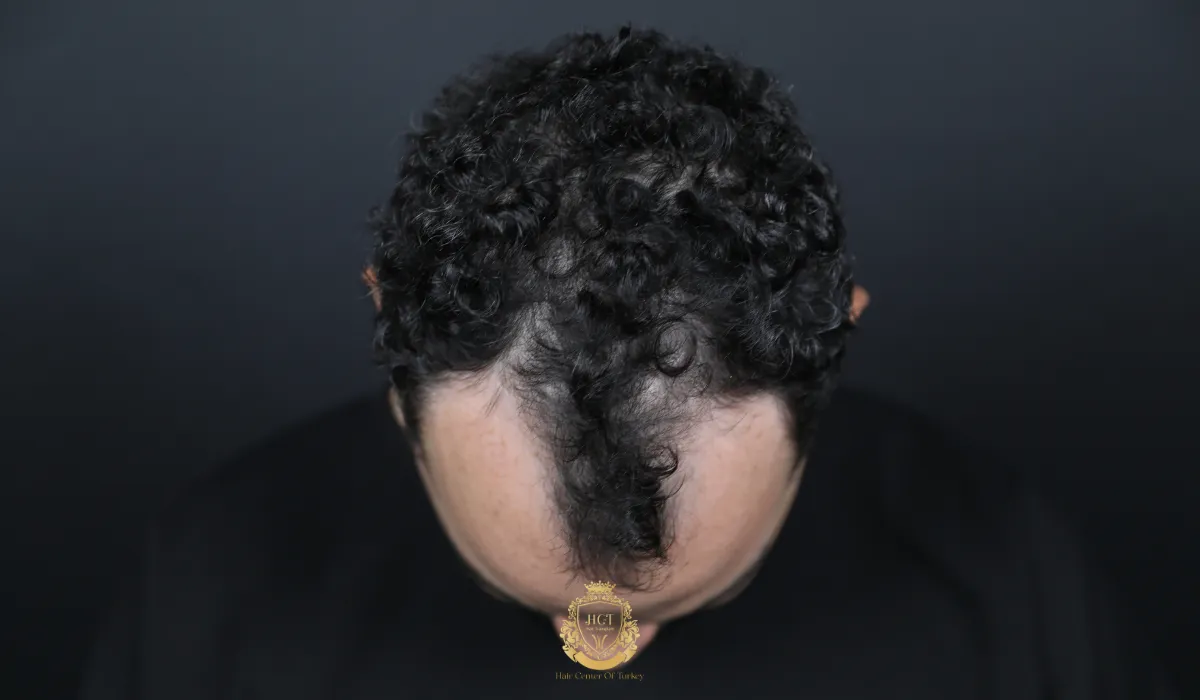
However, if thinning continues beyond the temples or spreads toward the crown, it may indicate advancing androgenetic alopecia. Monitoring changes over time is essential.
How To Manage An M-Shaped Hairline
Hairstyling Approaches
Strategic styling can reduce the visual impact of temple recession:
Short or textured cuts that minimize contrast
Side-parted styles that redirect focus
Volumizing products to add density
Medical And Cosmetic Options
For those concerned about progression, treatment options may include:
Topical treatments aimed at slowing hair loss
Oral medications under medical supervision
Hair restoration procedures for long-term correction
Early evaluation improves the range of available options.
Lifestyle Support
Balanced nutrition, stress management, and gentle hair care help support overall hair health, though they do not alter genetic hairline patterns on their own.
Can Women Have An M-Shaped Hairline?
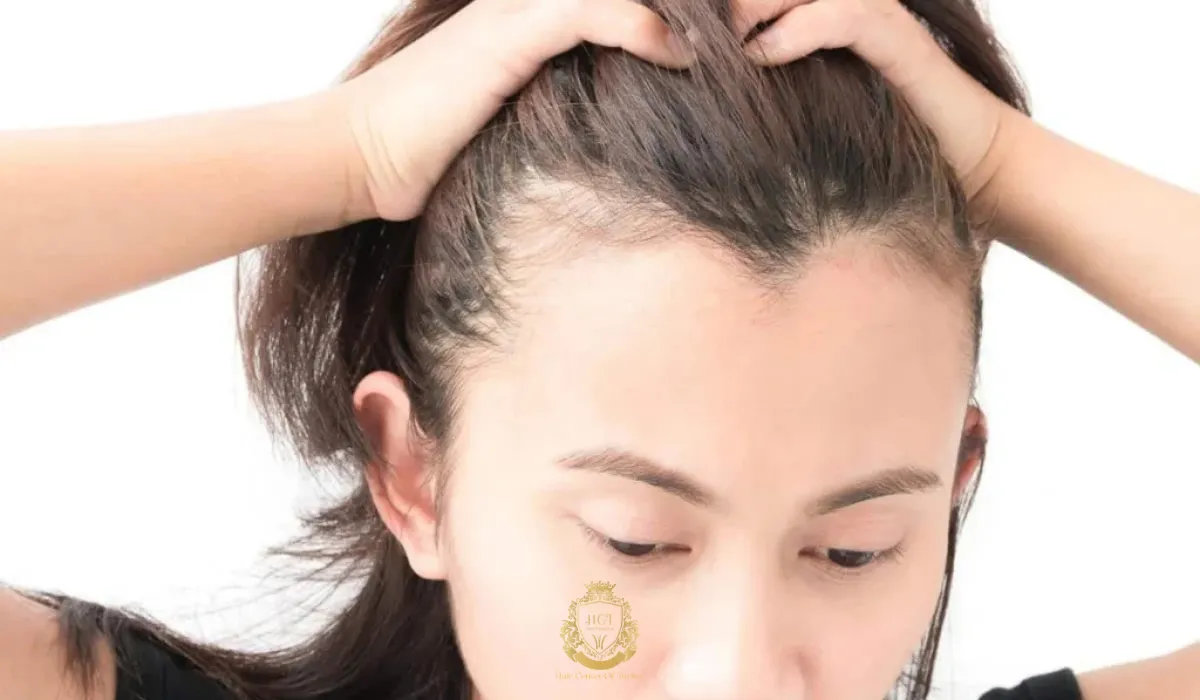
Yes, though it is less common. Women may develop temple recession due to hormonal shifts, genetics, or certain medical conditions.
Because female hair loss patterns differ, professional evaluation is recommended to determine the underlying cause.
Can An M-Shaped Hairline Be Reversed?
Complete reversal is uncommon without surgical intervention. That said, early-stage recession can often be stabilized, and appearance improved, with appropriate treatment.
Timing plays a key role. Addressing changes early offers better long-term outcomes.
Common Myths About M-Shaped Hairlines
Myth: Only older men develop an M-shaped hairline
Fact: It can appear in late teens or early adulthood
Myth: Wearing hats causes temple recession
Fact: There is no scientific evidence supporting this
Frequently Asked Questions
What does an M-shaped hairline mean?
It usually indicates temple recession forming an “M,” often a mature or receding hairline.
Is an M-shaped hairline rare?
No; an M-shaped hairline is common, especially in adult men.
What hairline is most attractive?
A natural, symmetrical hairline proportionate to your face is most often preferred.
Can you naturally have a M-shaped hairline?
Yes; some people naturally have an M-shaped hairline without any hair loss.
Does an M hairline mean I’m going bald?
Not necessarily; it can be normal, but progressive recession or thinning suggests balding.



