






What Are the Best Hair Transplant Clinics in Dallas?
The “best” hair transplant clinic in Dallas is the one that matches your hair-loss pattern, donor supply, and aesthetic goals—and has a surgeon with strong hair-restoration credentials, consistent photo results, and a clear aftercare plan. In Dallas–Fort Worth, patients commonly compare specialist practices with national brands, then weigh technique options (FUE/FUT/DHI), pricing, and follow-up care.

Table of Contents
Quick Picks For Hair Transplant Clinics In Dallas–Fort Worth
These are well-known options patients frequently consider in the Dallas area. Availability, surgeon schedules, and candidacy vary, so treat this as a starting shortlist—not a ranking.
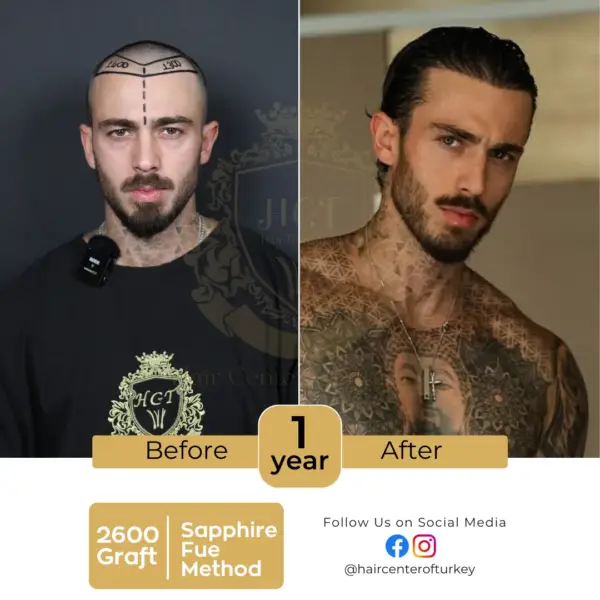
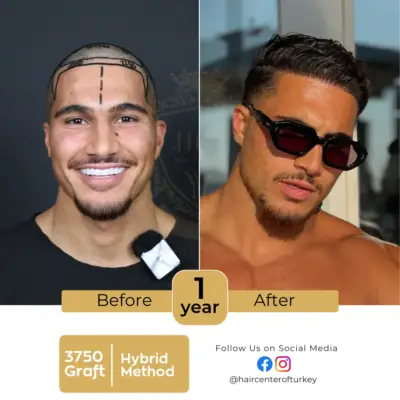
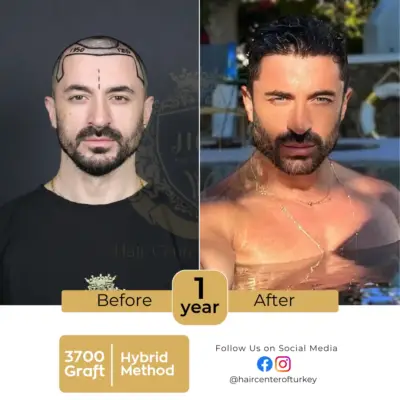
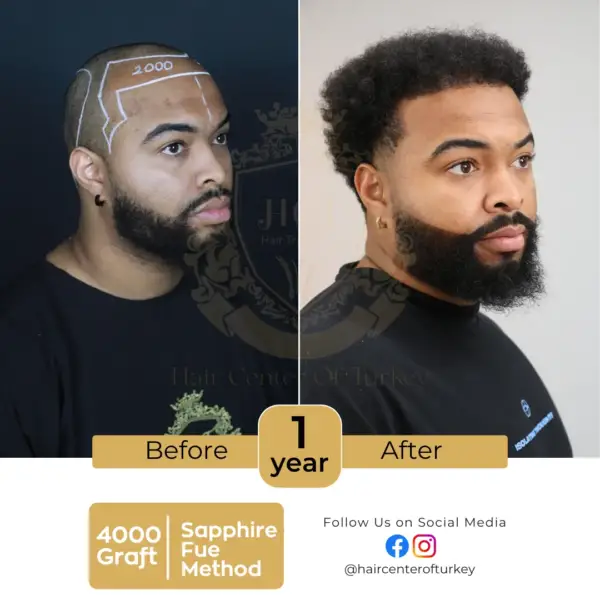
Hair Center of Turkey (Istanbul, Turkey – International Option)
Hair Center of Turkey is often chosen by international patients who want an all-in-one experience. Many people prefer its structured planning, surgeon oversight, and VIP-style logistics. If you’re comparing options from Dallas, ask about graft planning, who performs extraction/placement, and what aftercare and follow-up look like remotely.
Lygos Clinic (Istanbul, Turkey – International Option)
Lygos Clinic is frequently considered by patients looking for a modern clinic experience with coordinated care. It can suit those who value clear communication, step-by-step planning, and an organized patient journey. During evaluation, confirm the medical team’s roles, graft targets, and long-term donor management strategy.
Lam Institute For Hair Restoration (Plano / Dallas–Fort Worth)
Dr. Samuel Lam’s practice is often chosen by patients who care about hairline design and facial balance, especially for temple work or a new frontal hairline. Many people prefer a surgeon-led clinic when they want detailed graft mapping and a conservative, age-appropriate plan.
Bosley Dallas (Park Cities)
Bosley is a long-standing U.S. brand with a structured consultation process and a mix of surgical and non-surgical options. It can suit patients who prefer a recognizable national provider and a standardized pathway from evaluation to aftercare.
MAXIM Hair Restoration Dallas
MAXIM is often compared for pricing clarity and broader hair-loss services that may include non-surgical treatments alongside transplantation. Confirm who performs each step of the procedure and how post-op follow-up is handled.
Dallas Hair Transplant / McGrath Medical (Dallas–Fort Worth)
Clinics that focus heavily on hair restoration—rather than offering it as one service among many—can be a fit if you want a hair-only surgical team. During a consult, ask how donor management is planned if you may need a second procedure later.
Armani Medical (Dallas)
When you compare surgeons, look for verifiable hair-restoration credentials and a track record with hair types similar to yours (straight, wavy, curly, coarse, fine, or tightly coiled). That’s especially relevant for hairline softness, graft angulation, and density planning.
Considering Medical Travel: Turkey Options Patients Compare
Some Dallas patients also compare local clinics with Turkish “package” options that bundle the procedure with hotel and transportation. Two names you’ll often see in that context are Hair Center of Turkey and Lygos Clinic.
If you explore medical travel, ask who the surgeon is, who places grafts, how complications are handled once you’re home, and what follow-up looks like beyond the first few days. Lower pricing can be real, but the trade-off is usually distance, time off work, and reduced in-person aftercare.
Hair Transplants In Dallas
Dallas clinics commonly offer follicular-unit surgery in a medical setting with local anesthesia and same-day discharge. The most common techniques are FUE and FUT, and some clinics also market “DHI,” which is typically a placement method using an implanter pen rather than a completely separate surgery.
Many reputable practices focus on natural hairline design, conservative graft distribution, and donor-area preservation. Those priorities often matter more than the marketing name of the technique.
Choosing Between FUE, DHI, And FUT In Dallas
FUE Hair Transplant In Dallas
FUE extracts follicular units one by one from the donor area, leaving tiny dot scars that are usually hard to detect once healed. It’s popular for patients who wear shorter hair or want a less noticeable donor pattern. Recovery can be quick, but donor management is critical to avoid overharvesting.
DHI Hair Transplant In Dallas
“DHI” is commonly used to describe direct implantation with an implanter pen, which can help with angle control and dense packing in selected cases. Not every clinic uses the term, and outcomes still depend on surgeon planning, graft handling, and the team’s experience.
FUT Hair Transplant In Dallas
FUT (strip) removes a thin strip from the donor area and closes it with stitches, leaving a linear scar. It can be efficient for patients who need a larger number of grafts and plan to keep donor hair longer. It’s less ideal if you prefer very short hairstyles.
What To Expect During A Hair Transplant In Dallas
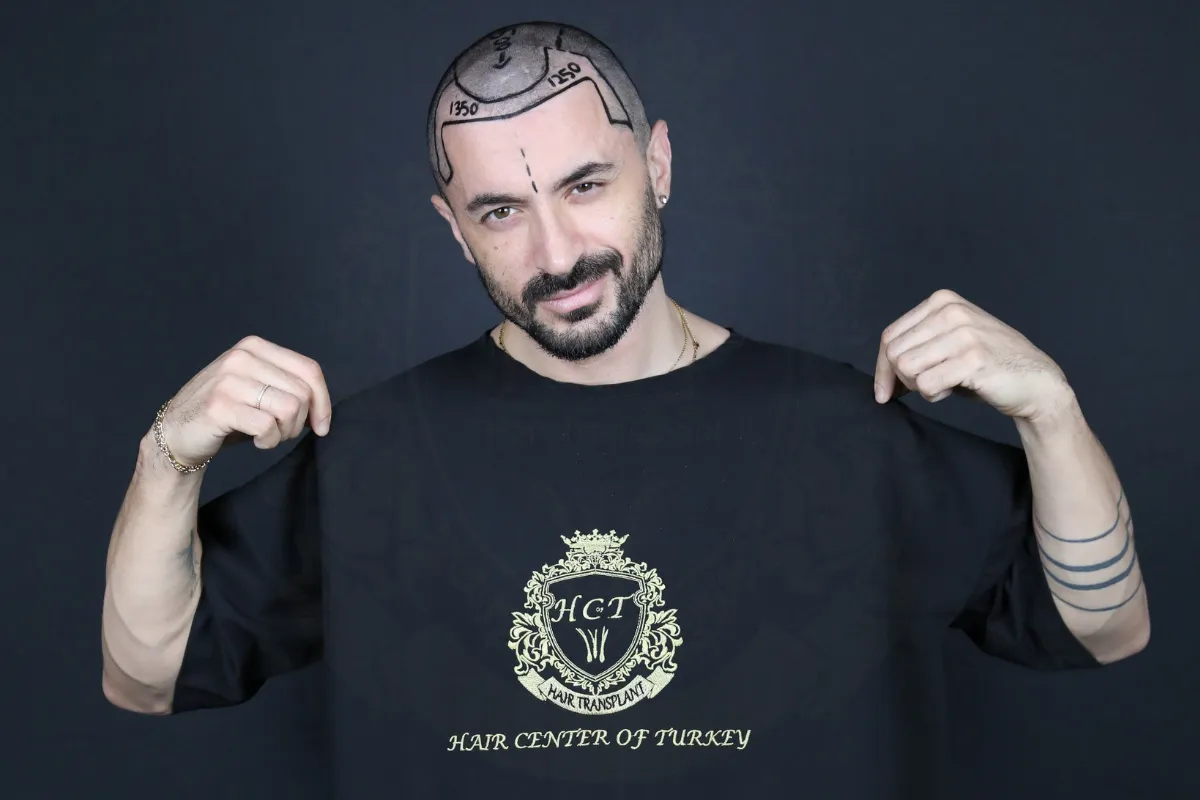
Most patients start with a consultation that covers diagnosis, medical options, and a surgical plan (including a realistic graft range). On procedure day, the donor area is prepared, follicles are harvested (FUE or FUT), and grafts are placed according to the hairline and density plan.
Expect swelling for a few days and small scabs that typically clear within about 7–10 days. Many patients see “shock shedding” in the first few weeks, with visible regrowth often beginning around month 3–4 and the main cosmetic change developing over 9–12 months.
How Much Does A Hair Transplant Cost In Dallas?
Pricing in Dallas–Fort Worth is usually tied to graft count, technique, and how surgeon-led the procedure is. Many U.S. clinics quote an all-in range, while others charge per graft.
A practical planning range for Dallas is often $6,000 to $15,000, with higher totals for larger sessions or premium teams. Medical-travel packages can cost less, but factor in airfare, lodging, and how follow-up complications would be handled once you’re back in Texas.
Typical Price Ranges Patients See
| Clinic Type | Common Ballpark Range* |
| Dallas–Fort Worth specialist practices | $6,000–$15,000 |
| National brands (U.S.) | $6,000–$15,000 |
| Medical travel packages (varies by country) | $3,000–$6,000 |
\*Ranges vary widely by graft count, technique, and what’s included.
How To Choose The Right Clinic
Start with surgeon quality and clinical transparency, then compare pricing and logistics.
- Credentials that matter: Hair-restoration-specific training, society membership, and a clear surgical role (who designs the hairline and places grafts).
- Before-and-after evidence: Multiple cases similar to your hair type and hair-loss pattern, including crown work if that’s your goal.
- Donor management plan: How many grafts you can safely use now while preserving options for future loss.
- Aftercare and access: Who you can reach for swelling, infection concerns, or questions during the first two weeks.
- No-pressure consult: Avoid hard-selling, “today-only” discounts, or guaranteed densities.
Travel Tips For Patients Visiting Dallas For A Hair Transplant
Plan to stay 2–4 nights so you can attend an in-person consult and a next-day check if your clinic recommends it. Choose lodging close to the clinic to limit driving while you’re swollen and tender.
Bring a loose-fitting button-up shirt (no pulling clothing over your head), and avoid sun exposure and heavy exercise during early healing. If you want to make a short trip of it, low-key activities like the Perot Museum of Nature and Science or the Dallas Arboretum and Botanical Garden can work once you feel comfortable.
FAQs About Hair Transplants in Dallas
How much does a hair transplant cost in Dallas?
About $5,000–$14,000 in Dallas, depending on grafts, technique, and clinic.
Where do celebrities go for a hair transplant in Turkey?
Not publicly confirmed; many choose premium Istanbul clinics, and celebrity cases are often “rumored.”
Which is better, FUE or dhi?
FUE fits larger areas; dhi enables precise dense implantation using a Choi implanter pen.
Which surgeon is best for hair transplant?
No single surgeon is best; prioritize ABHRS certification, surgeon involvement, and consistently proven outcomes.
How to pick the best hair transplant doctor?
Choose ABHRS/ISHRS credentials, real before-afters, clear surgeon roles, written plan, and follow-up.