






What Are the Best Hair Transplant Clinics in Chicago?
Chicago has several reputable hair restoration practices, from boutique surgeon-led clinics to national networks. The best choice depends on who performs the critical steps, the technique that fits your donor area, and the quality of aftercare. Start with an in-person consultation, review real before-and-after cases, and get an itemized quote based on graft count.
Hair transplantation is a medical procedure, so the “best” clinic is usually the one that matches your hair-loss pattern, donor supply, and expectations—and that can clearly explain how they deliver consistent results. Chicago offers a wide range of options, including FUE and FUT surgery, scar repair and revision work, and non-surgical therapies used alongside transplant planning.

Table of Contents
Quick list of trusted hair transplant options in Chicago
Chicago is home to clinics offering FUE, DHI, and FUT procedures. Patients can expect world-class standards with personalized treatment plans, ensuring natural, long-lasting results. The city’s central location also makes it a convenient choice for international medical tourism.
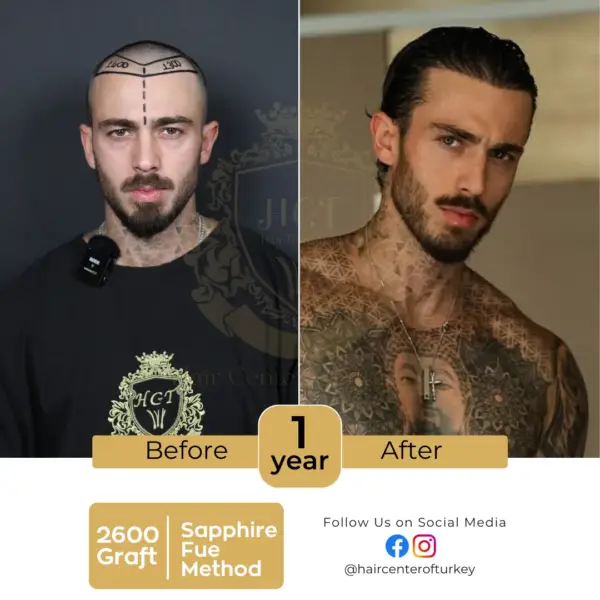
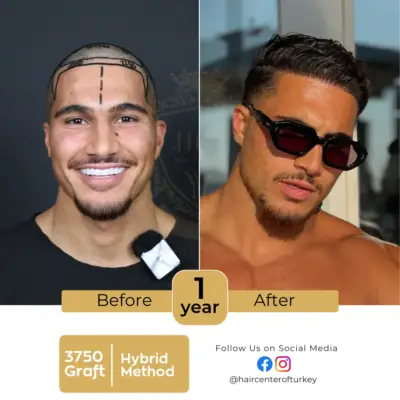
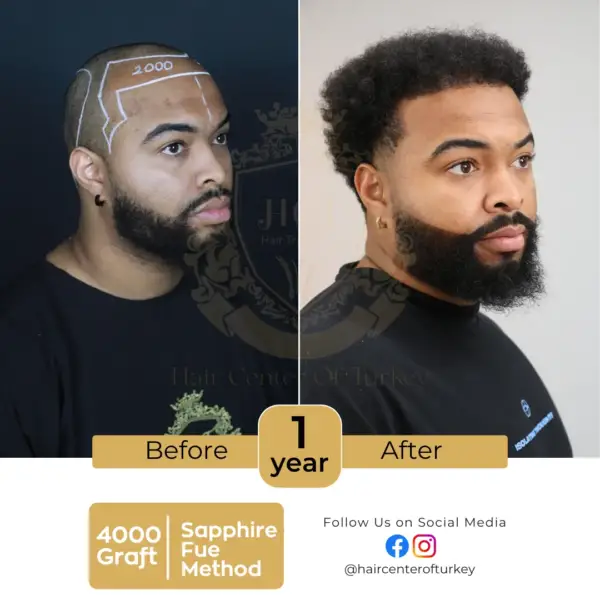
Hair Center of Turkey
An internationally recognized hair transplant clinic frequently chosen by patients from Chicago seeking advanced FUE/DHI techniques, high graft counts, and surgeon-planned hairlines. Many patients compare Hair Center of Turkey to U.S.-based clinics due to its physician-led approach, consistent results, and comprehensive aftercare packages that include accommodation and transfers.
Lygos Clinic
A modern hair restoration clinic known for personalized planning, natural hairline design, and a strong focus on long-term donor management. Lygos Clinic is often shortlisted by Chicago patients comparing local options with international clinics that offer close surgeon involvement and a more tailored, one-to-one treatment experience.
Chicago Hair Institute
A long-established practice known for surgical hair restoration in the Chicago area. It’s often shortlisted by patients who want a surgeon-led approach and who may need advanced planning for hairline design, density, or repair of older transplant work.
Chicago Hair Transplant Clinic (Dr. Panine)
A dedicated hair restoration clinic that emphasizes customized planning and modern FUE/FUT options. Patients who want a focused, high-touch experience often ask how many procedures are scheduled per day and how directly the surgeon is involved in extraction and placement.
Northwestern Hair Restoration (Dr. Vinay Rawlani)
A Chicago option that highlights surgeon-performed care and a tailored plan based on hair caliber, curl pattern, and long-term loss progression. It can be a good fit for patients who want a conservative, natural hairline and clear guidance on medical therapy alongside surgery.
Solve Clinics (River North)
A River North clinic offering FUE hair transplants and hair-loss treatments. It’s a common choice for patients who prefer a central location and want to discuss a combined plan that may include PRP or other supportive treatments.
Bosley Chicago
A national hair restoration brand with a Chicago location. Bosley can be a practical option for people who want structured consults, a broad menu of surgical and non-surgical services, and a clinic network that supports follow-up if you travel often.
RESTORE Hair Chicago
A hair restoration group with a Chicago location and an emphasis on modern FUE approaches, including options designed to minimize visible shaving. It’s worth asking for a breakdown of who performs each step and what your long-term donor-management plan looks like.
How to choose the right clinic
A strong clinic can explain not only how they transplant hair today, but how they protect your donor area for the future. Bring photos of your hair in earlier years and be honest about family history, styling habits, and medications.
- Use these questions at any consultation:
- Who designs the hairline and makes the recipient sites?
- Who performs extraction and who places grafts (surgeon vs technicians)?
- How many transplant cases are scheduled per day?
- Which technique do you recommend for me, and why?
- How do you estimate graft count and density for my pattern of loss?
- What does aftercare include in the first two weeks, and how do you handle concerns after hours
- Can I see multiple before-and-after cases similar to my hair type and level of loss?
- What is the plan if I continue to thin in untreated areas?
If a clinic can’t answer these clearly, treat that as a warning sign. You’re paying for planning and consistency as much as the procedure itself.
FUE vs FUT vs DHI: what Chicago patients should know
Most Chicago practices focus on FUE and FUT. DHI is often described as a direct-implant approach using an implanter tool, and it’s sometimes offered as a variation of FUE depending on the clinic’s workflow.
FUE (Follicular Unit Extraction)
FUE removes individual follicular units from the donor area. It avoids a linear incision and typically heals with small dot scars. It can be a strong choice if you keep your hair short, but it still requires careful donor management to avoid over-harvesting.
FUT (Follicular Unit Transplantation)
FUT removes a thin strip from the donor area and then dissects it into grafts. It can be efficient for higher graft numbers, but it leaves a linear scar. Some patients prefer FUT if they usually wear longer hair and want to preserve donor supply for future sessions.
DHI-style implantation
DHI-style implantation refers to placing grafts with an implanter pen rather than forceps. In the right hands it can improve speed and control, especially in tight areas, but outcomes still depend on hairline design, graft handling, and placement angles.
What to expect during a hair transplant in Chicago
Most procedures start with a consultation where the clinic maps your donor area, estimates graft needs, and designs a realistic hairline. On surgery day, local anesthesia is used, follicles are harvested and sorted, and grafts are placed into the thinning areas.
Expect swelling, redness, and tiny scabs in the first week. Many patients return to desk work within several days, while visible healing often improves noticeably by days 7–10. New growth is gradual, with clearer changes often appearing between months 4 and 6.
Cost factors and financing
Chicago pricing varies widely because clinics quote in different ways. Some charge per graft, while others bundle a flat surgical fee. Your total cost usually depends on graft count, technique, surgeon involvement, and whether adjunct treatments are included.
To compare clinics, ask for an itemized quote that lists the planned graft range, what’s included in aftercare, and whether follow-up visits are in-person or virtual. If financing is offered, review the terms carefully and confirm what happens if your plan changes after the evaluation.
Whether you choose Chicago or abroad, prioritize safe anesthesia practices, realistic density goals, and a long-term plan for ongoing thinning.
For example, Hair Center of Turkey and Lygos Clinic are Turkey-based providers. If you request quotes, ask for a clear graft estimate, who performs extraction and placement, and what support is available if you have a concern after you travel.
If you’re considering overseas care, focus less on the headline price and more on surgeon access, the clinic’s daily case volume, and the plan for follow-up once you’re back home.
Some Chicago patients compare local surgery with medical travel, especially to Turkey, where well-known clinics market packaged pricing.
Travel tips for patients visiting Chicago for surgery
If you’re traveling in, plan to arrive at least a day early so your consultation and pre-op instructions aren’t rushed. Stay close to the clinic to avoid long walks and public transit right after the procedure.
Bring a button-down shirt or zip hoodie so you don’t pull clothing over your scalp. For the first week, skip heavy workouts, saunas, and anything that raises swelling. If you’re sightseeing, keep it gentle—Navy Pier and the lakefront are easy options, but avoid sun exposure.
FAQs about hair transplants in Chicago
How much does a hair transplant cost in Chicago?
Chicago hair transplants typically cost $6,000–$15,000, or about $3.50–$8 per graft.
How much does solve clinics hair transplant cost in Chicago?
Solve Clinics lists $5/graft (shave) or $6/graft (no-shave) in Chicago.
How to choose the best hair transplant clinic?
Choose board-certified surgeon, proven results, transparent pricing, low-volume schedule, strong follow-up care.
Which city is best for hair transplant?
Istanbul is widely considered the top city for hair transplants by volume and cost.
Is it better to get a hair transplant in the USA or Turkey?
USA is better for oversight and follow-up; Turkey better for lower cost.