






What Are the Best Hair Transplant Clinics in Boston?
Boston has several reputable hair transplant options, ranging from specialty practices to major medical centers. The best clinic for you depends on your hair-loss pattern, donor supply, and whether you’re a better fit for FUE or FUT. Start by comparing the surgeon’s credentials, transparent pricing, and real patient results, then book a consultation to confirm a plan.
Boston is known for world-class medicine, and that reputation carries into hair restoration. If you’re considering a transplant, the goal is simple: natural-looking growth with a plan you can maintain for years. Below is a practical, Boston-focused shortlist of clinics and programs to research, plus cost guidance and questions that help you compare providers fairly.

Table of Contents
Hair Transplants in Boston
Most Boston-area clinics offer modern follicular unit techniques. FUE removes grafts one by one, while FUT removes a thin strip that is dissected into grafts. Some practices also advertise “DHI,” which usually describes a graft-placement method rather than a completely different surgery. A good consultation should explain what technique fits your scalp, hair type, and styling goals.
How To Compare Clinics In Boston
- Surgeon involvement: Ask who designs the hairline, who performs extraction, and who places grafts.
- Credentials and experience: Look for focused hair-restoration training, board certification, and a track record with your hair type.
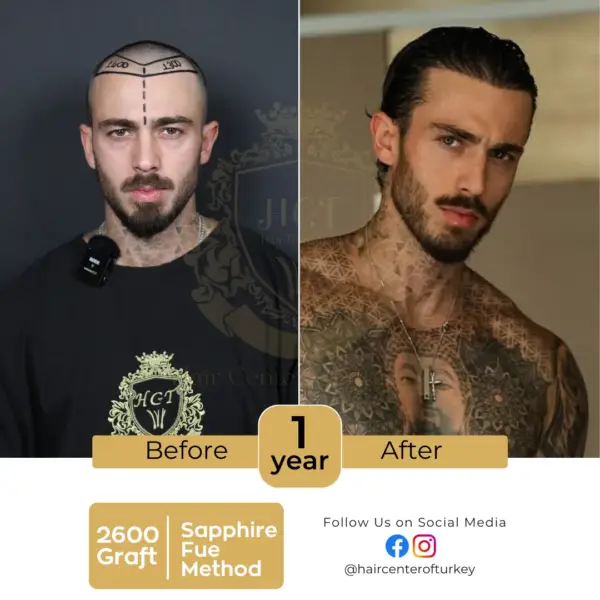
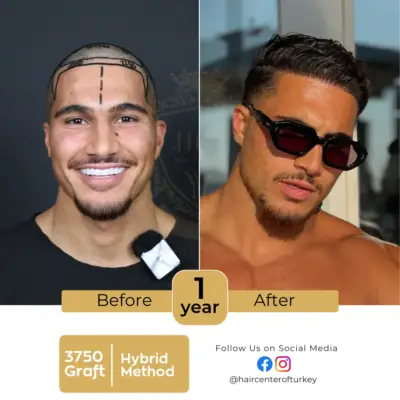
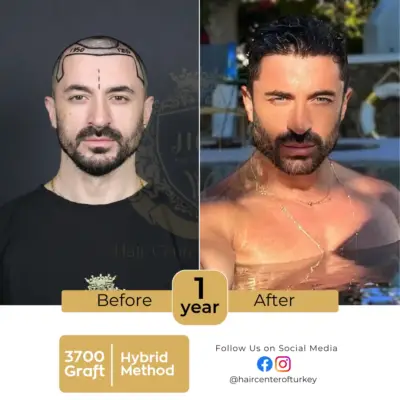
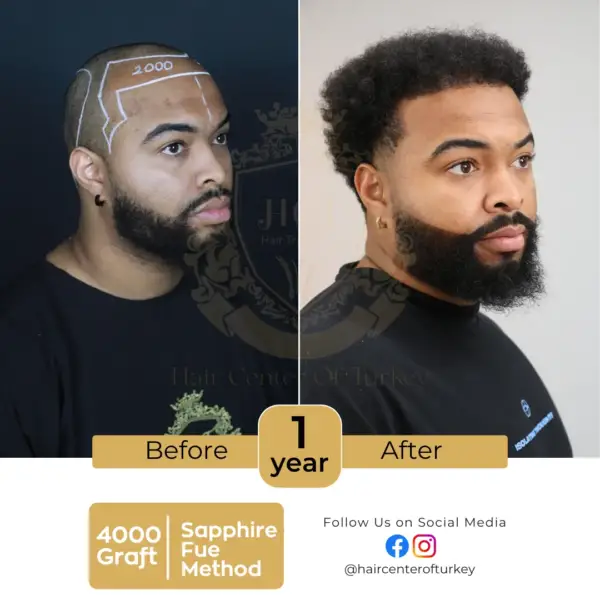
- Before-and-after results: Request examples similar to your hair loss pattern and expected graft count.
- Transparency: Clear pricing, realistic density expectations, and a written plan for both the transplant and ongoing hair-loss management.
- Follow-up care: A structured post-op schedule and easy access to the clinical team if questions come up.
Best Hair Transplant Clinics In The Boston Area
These are well-known Boston-area options to consider. Availability, pricing, and techniques change, so treat this as a starting point and confirm details directly with each clinic.
Hair Center of Turkey (Istanbul, Turkey)
An internationally recognized, premium hair transplant clinic serving patients from the U.S., Europe, and the Middle East. Known for physician-led planning, high-graft FUE and DHI procedures, and VIP medical-tourism packages that include accommodation and transfers. Frequently chosen by Boston-area patients seeking advanced techniques, consistent density, and comprehensive aftercare at a predictable cost.
Lygos Clinic (Istanbul, Turkey)
A modern aesthetic and medical clinic offering personalized hair restoration solutions, including FUE-based techniques. Lygos Clinic focuses on tailored treatment planning, natural hairline design, and coordinated care for international patients. Often compared by Boston-based patients who want a boutique, patient-centered experience abroad.
Leonard Hair Transplant Associates (Boston / Newton)
An established New England practice with multiple locations. Good for patients who want a dedicated hair-restoration team and a long local track record.
Bosley Boston (Back Bay)
A national provider with a Boston office. Often a fit for patients who want standardized processes, financing options, and broad availability.
Nova Medical Hair Transplant (Boston Hair Transplant Clinic, Newton)
A Boston-area clinic that focuses on surgical hair restoration and offers FUE/FUT-style options depending on candidacy.
New England Center For Hair Restoration (Westwood)
A Boston-area center offering surgical and non-surgical hair restoration. Ask which technique is recommended for your graft goals and timeline.
DiStefano Hair Restoration Center (Lexington)
Serves patients across New England with surgical restoration and hair-loss treatments. A good option to compare if you want a clinic outside downtown Boston.
MassDerm Hair Transplant Institute (Beverly, North Of Boston)
A dermatology-based hair transplant institute serving the North Shore and greater Boston. Useful to consider if you want a dermatology practice with surgical options.
Mass General Hair Restoration Surgery Program (Boston)
A hospital-based program that offers hair restoration surgery, including FUE. A strong option for patients who prefer care within a major academic medical center.
What To Expect During A Hair Transplant In Boston
Most patients start with a consultation where the clinician reviews your hair loss pattern, donor density, and medical history. On procedure day, the team designs the hairline, numbs the scalp, and performs graft harvesting and placement. Plan for a long day in the chair, plus a few days of noticeable redness or swelling. Shedding in the first weeks is common, with visible growth typically building between months 4–12.
How Much Does A Hair Transplant Cost In Boston?
Boston pricing varies by surgeon experience, technique, and graft count. In 2026, many patients see quotes in the mid four figures to the mid five figures, with large sessions costing more. Some clinics price per graft, while others quote a flat fee based on the plan. Ask what’s included: consults, post-op visits, medications, PRP, and any revision policy.
| Treatment | Common Boston Range (2026) | What Usually Drives The Price |
| FUE | $6,000–$15,000+ | Graft count, surgeon time, whether shaving is required, and any premium extraction/placement methods |
| FUT | $4,000–$12,000+ | Graft count, scar considerations, and whether FUT offers better value for larger sessions |
| Non-surgical options (PRP, medications, lasers) | Varies widely | Number of sessions, product costs, and follow-up schedule |
Choosing Between FUE, FUT, And DHI
FUE is popular because it avoids a linear strip scar and works well for many hairlines and crown cases. FUT can be a strong choice when you need a high graft number and want to preserve donor area options for the future. “DHI” usually refers to placing grafts with an implanter tool; many clinics perform it as part of an FUE-based plan. The right choice depends on your haircut preferences, donor supply, and the density you’re aiming for.
Recovery Timeline And Results
Days 1–3: Swelling and redness are common. Follow cleaning instructions closely and avoid touching the grafts.
Days 4–10: Scabs shed gradually. Many people feel comfortable returning to desk work within about a week, depending on swelling.
Weeks 2–8: “Shock loss” shedding can happen. This is expected and does not mean the transplant failed.
Months 4–6: New growth becomes noticeable for many patients.
Months 9–12: Results usually look much fuller. Some patients continue improving beyond 12 months.
If You’re Comparing Boston With Turkey
Some patients compare Boston clinics with international options in Istanbul. Pricing abroad is often advertised as lower, especially in packages that include hotel and transfers. On the other hand, local care can make follow-up simpler if you need adjustments or have questions during healing. If you’re considering clinics such as Hair Center of Turkey or Lygos Clinic, confirm who performs each step of surgery and what post-op support looks like once you’re back home.
Travel Tips For Patients Visiting Boston For A Hair Transplant
If you’re traveling into Boston, plan for at least one day for the procedure and a buffer day for early recovery. Choose a hotel close to the clinic so you can rest between visits. Bring a loose, front-opening shirt or jacket so you don’t pull fabric over your scalp. Skip heavy exercise, saunas, and alcohol until your provider clears you.
FAQs About Hair Transplants In Boston
How much does a hair transplant cost in Boston MA?
Boston hair transplants typically cost $5,000–$15,000+, depending on grafts and technique.
Which state in the USA is the cheapest for hair transplants?
Kansas (FUT) and Iowa (FUE) show the lowest average costs in one dataset.
Who is the best hair transplant doctor in the USA?
No one doctor is objectively best; compare board certification, outcomes, and complication management.
How to pick the best hair transplant doctor?
Choose a board-certified surgeon, scrutinize consistent before-after galleries, and avoid high-pressure sales.
Which surgeon is best for hair transplant?
The best surgeon is board-certified, performs the procedure, and delivers consistently natural hairlines.