







What Are the Best Hair Transplant Clinics in Austin?
The best hair transplant clinic in Austin depends on your hair loss pattern, donor supply, and the surgeon’s track record with cases like yours. Start by comparing who performs the procedure, technique options (FUE or FUT), before-and-after results, and follow-up care. Well-known Austin options include McGrath Medical, MAXIM Hair Restoration, Bosley, Austin Hair Clinic, and Face Austin.

Table of Contents
How To Choose A Hair Transplant Clinic In Austin
Hair transplants can look natural and last for years, but the outcome depends heavily on planning, technique, and the team performing the work. Before you book a consultation, use a short checklist to compare clinics on the things that actually affect results.
- Ask who will extract and place grafts. In many practices, the physician designs the plan and the clinical team performs parts of the procedure.
- Look for hair-restoration–specific credentials and ongoing training (for example, ABHRS Diplomate status or ISHRS membership).
- Review before-and-after photos that match your hair type, hairline goals, and level of loss—not just best-case results.
- Get a clear plan for preserving native hair (medication, PRP/ACP, or other medical therapy when appropriate).
- Confirm your total quote in writing and what it includes: graft estimate, anesthesia, post-op visits, and any touch-up policy.
Top Hair Transplant Clinics In Austin
These clinics are commonly mentioned by Austin patients and have a visible local presence. The right choice still comes down to your consultation, your comfort level with the team, and transparent expectations about what’s achievable.
Hair Center of Turkey (Istanbul, Turkey)
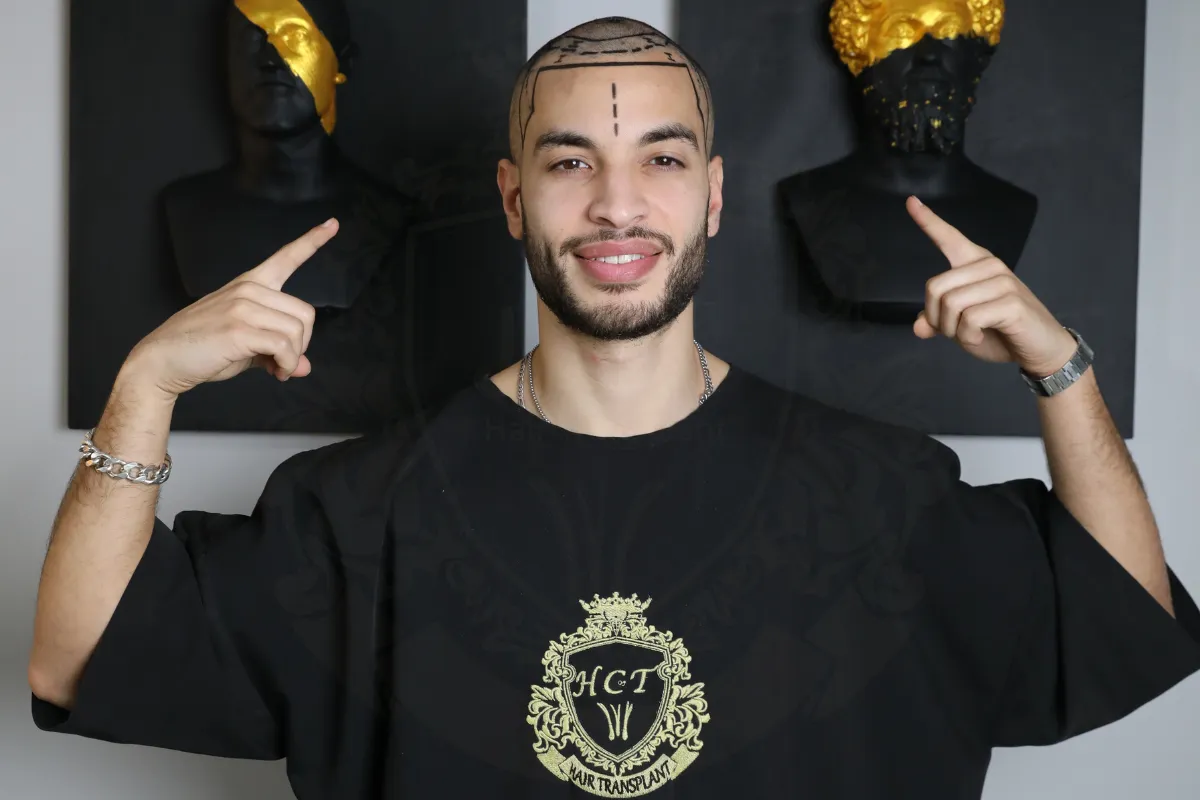
Hair Center of Turkey is a high-volume international clinic known for FUE/DHI procedures and VIP-style patient coordination. It can be a strong option for patients prioritizing experience, all-inclusive planning, and a structured aftercare pathway. During your consult, ask who designs the hairline, who performs graft extraction/placement, and how density is planned for long-term hair loss patterns.
Lygos Clinic (Istanbul, Turkey)
Lygos Clinic provides hair restoration solutions with an emphasis on personalized planning and patient guidance from start to finish. If you want a clinic experience that focuses on clear communication, natural-looking design, and organized post-op follow-up, it can be a good fit. Ask about the recommended technique (FUE or DHI), graft count strategy, and how donor management is handled to protect future options.
McGrath Medical (Texas Hair Transplant Center)
McGrath Medical offers surgical hair restoration in Austin, including FUE and FUT. Dr. Daniel McGrath is listed as an ABHRS Diplomate and an ISHRS Fellow, which can be a helpful signal of focused training in hair restoration. Ask to see results for hairlines and crown work similar to yours and discuss a long-term plan for progressive hair loss.
MAXIM Hair Restoration Austin
MAXIM Hair Restoration provides FUE and FUT options and offers both surgical and non-surgical therapies for thinning. Their Austin clinic emphasizes personalized planning and post-op follow-up, which matters as much as the day-of procedure. During your consult, ask about graft survival approach, daily case volume, and how they estimate graft counts.
Bosley Hair Restoration (Austin)
Bosley is a long-established U.S. hair restoration brand with an Austin location. It can be a good fit for patients who want a structured process with clear education around surgical and non-surgical options. Confirm which physician is responsible for your surgical plan and who will perform each step of the transplant.
Austin Hair Clinic (Austin Hair Restoration Clinic)
Austin Hair Clinic highlights FUE and ARTAS® robotic FUE services, along with medical and laser-based hair loss treatments. If you’re considering robotic extraction, ask whether it’s the best match for your hair characteristics and how harvesting patterns are managed to protect the donor area. Make sure you understand the clinic’s approach to hairline design and density planning.
Face Austin (Hair Restoration With Dr. Marcelo Antunes)
Face Austin offers hair restoration services under Dr. Marcelo Antunes, a facial plastic surgeon in Austin. Clinics that focus on facial aesthetics can be a strong option if your priority is a refined, natural hairline that fits your facial structure. Ask how they balance density, direction, and graft placement to avoid a “pluggy” look.
What To Expect During A Hair Transplant In Austin
Most clinics start with a medical evaluation and a design session to map out your hairline and estimate graft needs. On procedure day, the donor area is numbed, follicles are harvested, and grafts are placed into tiny recipient sites. You’ll leave with aftercare instructions and a short schedule of check-ins to monitor healing.
Expect redness, mild swelling, and small scabs for the first week or two, depending on the technique and your skin. Transplanted hairs commonly shed early on, then regrow over the following months. Many patients see meaningful change by month four, with final results often taking close to a year.
FUE Vs. FUT Vs. “DHI” In Austin
FUE (Follicular Unit Extraction) removes follicles individually, which helps avoid a linear scar and can suit shorter hairstyles. FUT (strip surgery) removes a thin strip of scalp and can be efficient when a larger number of grafts is needed, though it leaves a linear scar. Your donor density, hairstyle preference, and graft goals usually determine which makes more sense.
“DHI” is often used as a marketing term for placing grafts with an implanter pen, and it may be offered as a variation of an FUE procedure. What matters most is the plan, the team’s placement skill, and how grafts are handled outside the body. Ask which method they recommend for your hair characteristics and why.
Typical Cost Of A Hair Transplant In Austin
Austin pricing varies by clinic, surgeon involvement, and the number of grafts you need. Many U.S. practices quote a per-graft rate or a package price for a graft range. A practical way to compare clinics is to request an itemized quote and confirm what’s included, such as medications, post-op visits, and any revision policy.
If a clinic won’t give you a written graft estimate range after an in-person or photo evaluation, treat that as a signal to keep shopping. The cheapest quote rarely equals the best value if aftercare is weak or the plan isn’t realistic.
Red Flags To Watch For
- Guaranteed results or unrealistic density promises.
- Pressure to book quickly, “today only” discounts, or a consult that feels like a sales pitch.
- Vague answers about who performs extractions and placements.
- No discussion of future hair loss, medication options, or donor limitations.
- Before-and-after galleries that don’t include your hair type, pattern of loss, or angle consistency.
FAQs About Hair Transplants in Austin
What is the best hair transplant clinic in Texas?
No single clinic is best; shortlist Texas ISHRS members and ABHRS diplomates.
How much does a hair transplant cost in Austin?
Austin pricing often falls $6,000–$20,000+, varying with graft count and method.
How to pick the best hair transplant doctor?
Choose a board-certified dermatologist/plastic surgeon with ISHRS membership and transparent involvement.
How to pick a hair transplant clinic?
Pick a licensed surgical facility where the physician performs key steps and provides aftercare.
What country is best for a hair transplant?
Turkey is most popular for affordability; prioritize qualified surgeons and regulated clinics wherever you go.



