






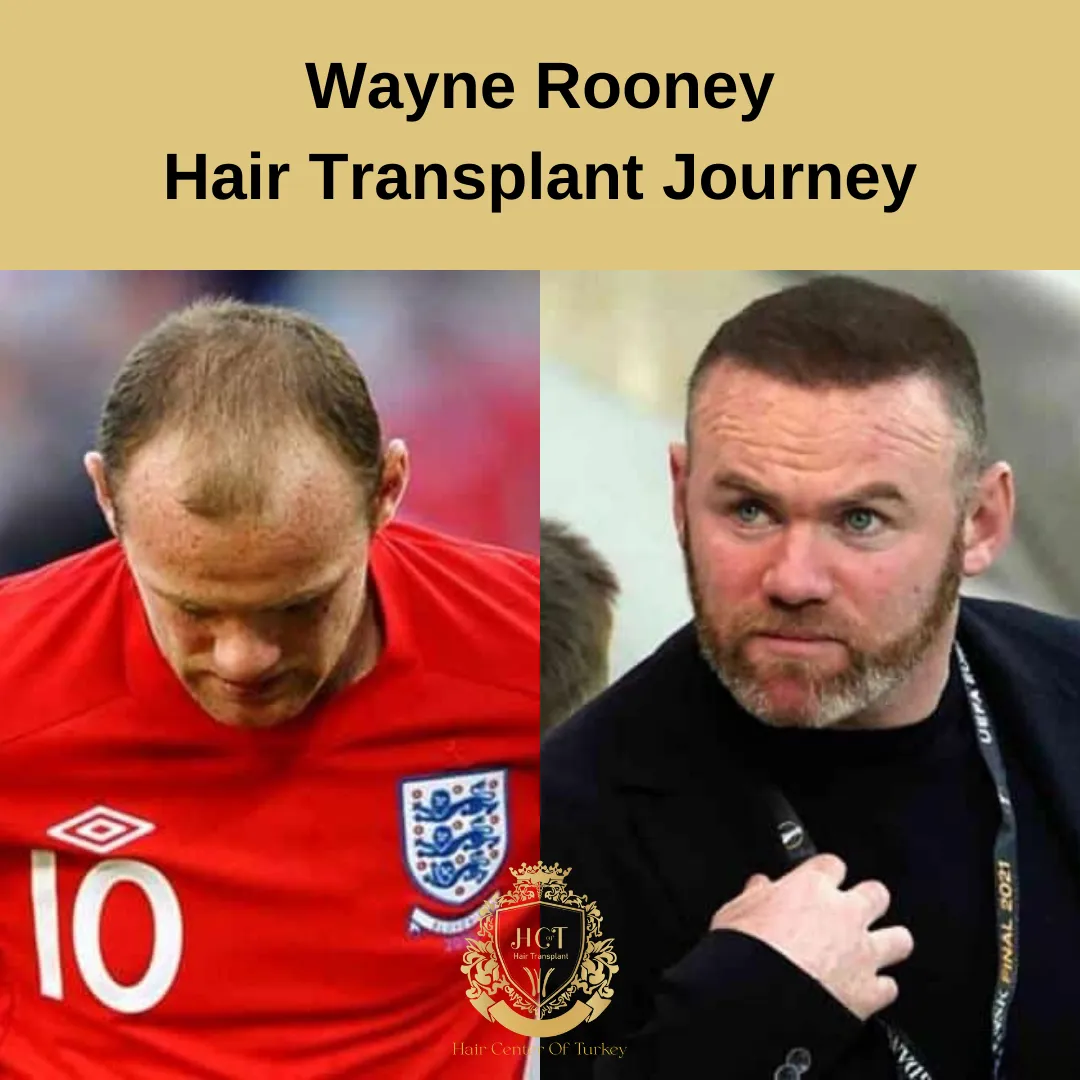
Wayne Rooney Hair Transplant: A Journey of Transformation
Wayne Rooney confirmed he had a hair transplant in 2011 after noticing thinning in his mid‑20s. Reports suggest he chose an FUE-style procedure to rebuild his hairline with minimal visible scarring. His openness sparked wider conversations about hair loss, treatment options, and realistic timelines for results.
Table of Contents
Quick Facts At A Glance
Rooney publicly confirmed his transplant in June 2011, saying he had it done at a Harley Street clinic in London. A second phase of treatment was later discussed by the clinic and reported in the press, which is common when hair loss continues in untreated areas.
While exact graft numbers and every clinical detail aren’t fully public, the broad outline of his timeline is well documented: early intervention, a natural hairline focus, and patience while the grafts mature.
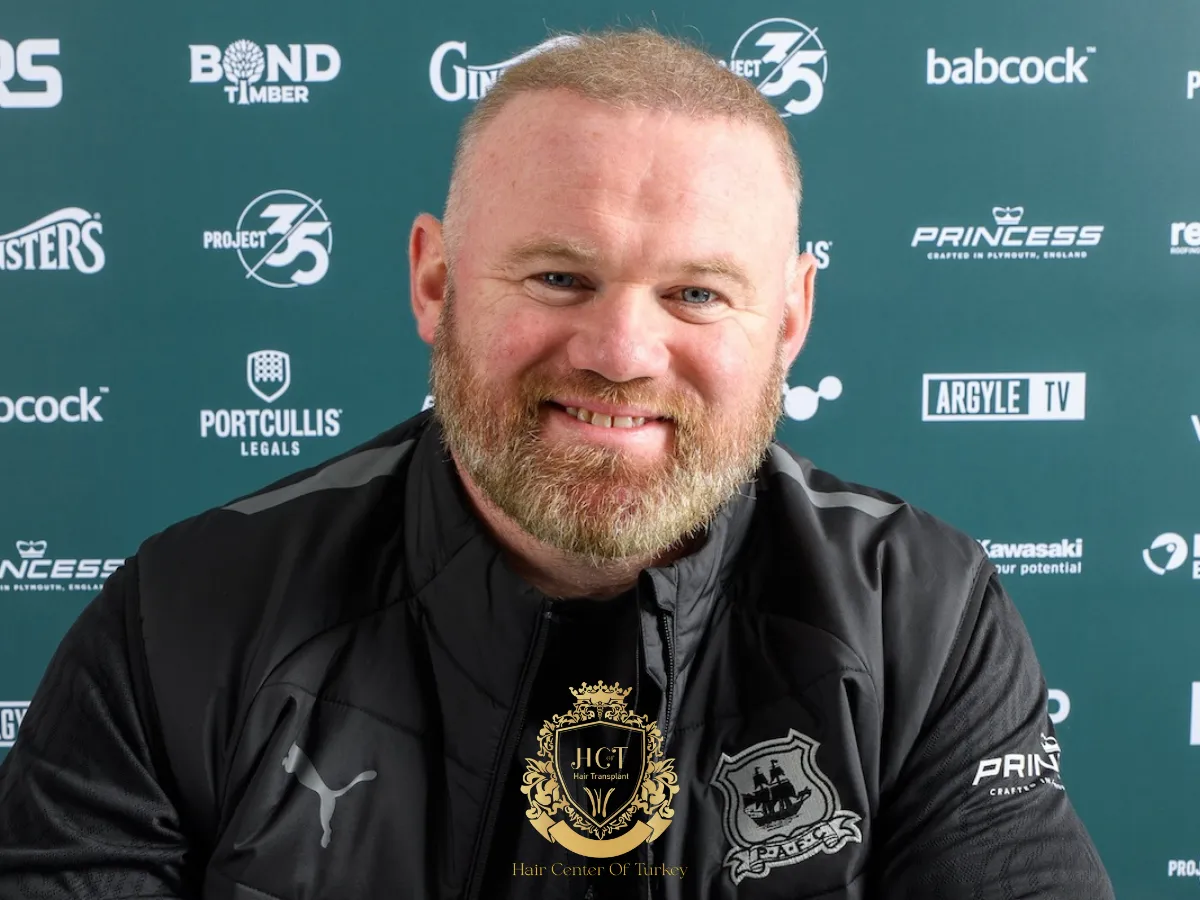
Why Wayne Rooney Started Losing Hair So Young
Male pattern hair loss can begin in the early 20s, and the change often shows first around the temples and hairline. For someone constantly photographed under bright stadium lights, even mild recession can look more dramatic.
Rooney’s hair loss became a talking point because he didn’t try to hide it. That visibility mirrors what many men experience privately: confidence taking a hit long before the hair loss is considered ‘severe’.
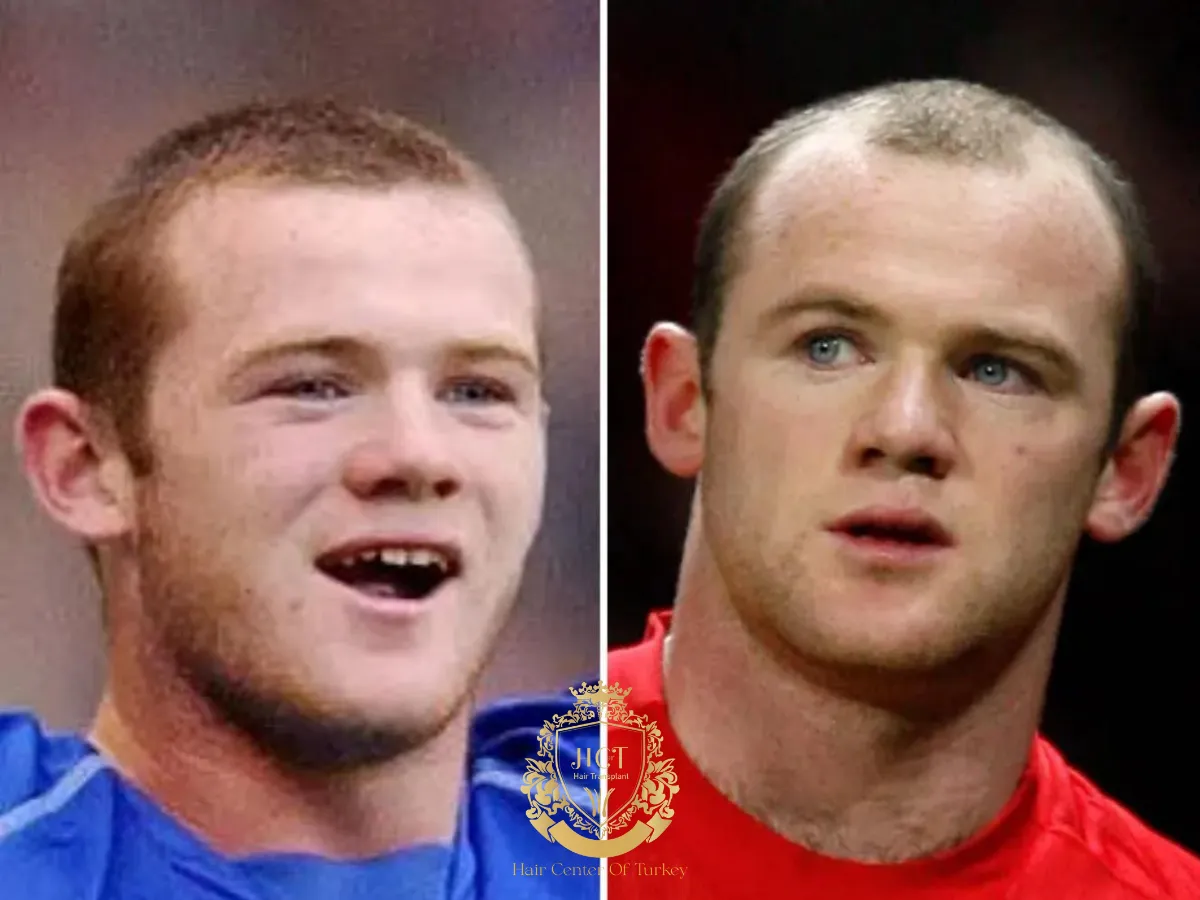
Why He Chose A Hair Transplant
In 2011, Rooney addressed the rumours directly on social media and framed the decision as a practical choice—he was going bald at 25 and wanted to do something about it. That candour was unusual at the time, especially for elite athletes.
The motivation is straightforward: a hair transplant isn’t about vanity alone. For many patients, restoring a hairline is about feeling like themselves again in day-to-day life, on and off camera.
![<![CDATA[Wayne Rooney's Hair Transplant]]>](https://haircenterofturkey.com/wp-content/uploads/2024/08/Wayne-Rooney-Hair-Transplant-Journey_3.webp "Wayne Rooney Hair Transplant: What Happened, What He Had, And What To Learn 4") Wayne Rooney Hair
Wayne Rooney Hair
What Procedure Did Wayne Rooney Have?
Most reporting links Rooney’s treatment to FUE (Follicular Unit Extraction), a modern technique that removes individual follicular units from the donor area and places them into thinning zones. FUE is popular because it avoids a long linear scar and can suit short hairstyles.
FUE In Plain English
The surgeon harvests follicles one by one—usually from the back and sides of the scalp—then designs a natural hairline and implants the grafts at the correct angle and direction. Success depends heavily on planning: hairline design, graft distribution, and protecting the donor area for the long term.
Why Results Take Time
Early redness and swelling are normal in the first days. Transplanted hairs commonly shed within weeks, which can be alarming if you’re not prepared for it.
Visible growth often starts around the third to fourth month, with density improving steadily. Many clinics consider the 9–12 month mark the fairest point to judge the final look, especially for the hairline.
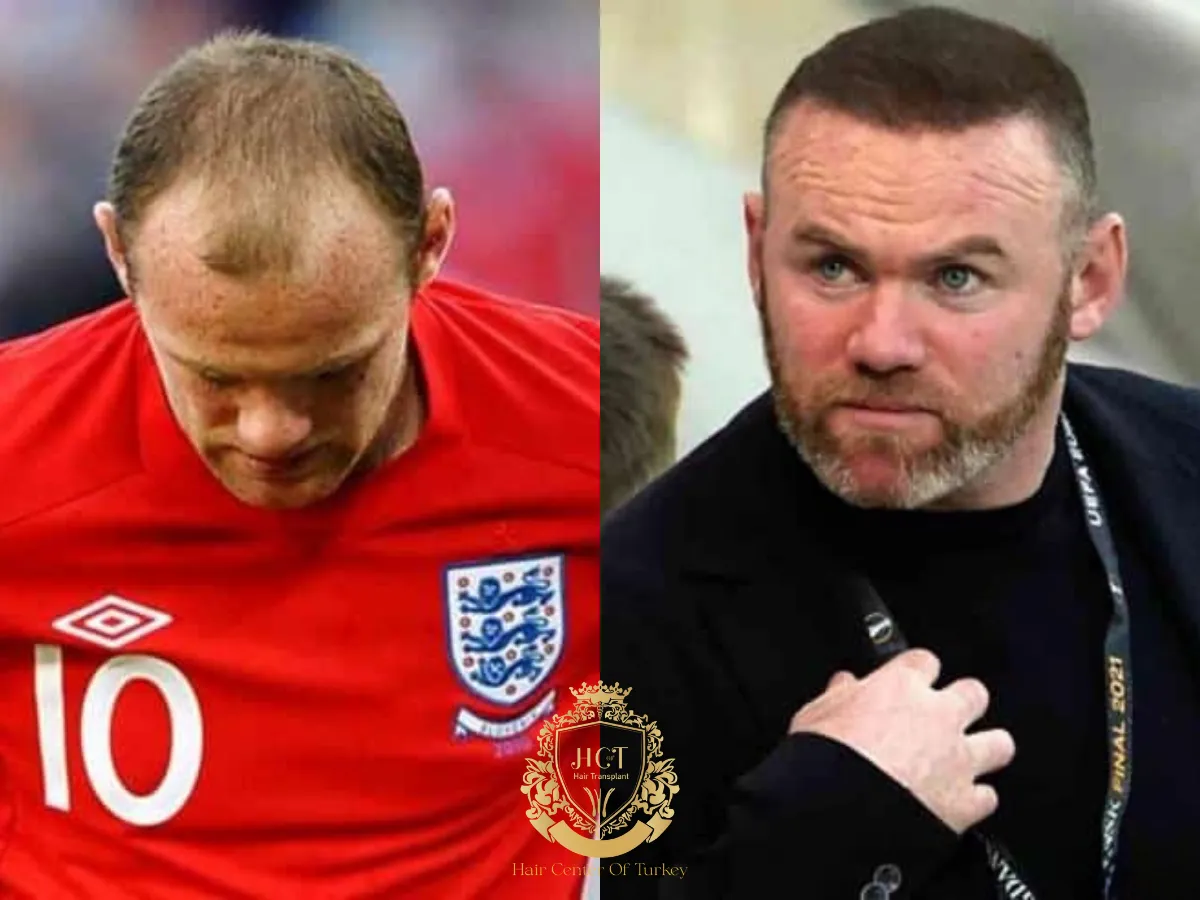
Public Reaction And What Changed
The reaction was intense because it was public, immediate, and shared in Rooney’s own words. It helped move hair restoration out of the ‘taboo’ category and into normal healthcare and grooming conversations.
Today, the stigma is noticeably lower. Celebrity cases still grab headlines, but they’ve also helped push the conversation toward realistic expectations: a transplant is a procedure, not a magic trick.
What To Learn From Rooney’s Experience
Start with diagnosis, not assumptions. Hair loss can be progressive, so a plan that works this year should still make sense five years from now.
Choose technique based on your needs, not trends. FUE, FUT, and DHI-style implantation approaches all have pros and cons depending on donor capacity, hair calibre, and the area being treated.
Prioritise aftercare and long-term support. Many patients underestimate how much the post-op period affects comfort, healing, and satisfaction with the final result.
Considering A Hair Transplant?
If you’re exploring treatment, look for a clinic that offers honest graft planning, clear medical oversight, and follow-up that doesn’t stop after the first wash. Hair Center of Turkey is positioned as a boutique clinic with VIP-style patient support, which matters when you’re comparing like-for-like options.
A proper consultation should cover your pattern of loss, donor capacity, likely density, and what maintenance may look like later—so you can make a decision you’ll still feel good about in a few years.
FAQ
How much did Wayne Rooney’s hair transplant cost?
Approximately £20k–£30k; Rooney did not disclose an exact price.
What happened to Wayne Rooney’s hair?
Androgenic hair loss at age 25; he had a transplant to correct his hairline.
How many times did Wayne Rooney have hair transplants?
At least twice: in 2011 and a reported top-up procedure in 2013.
Who are the most famous celebrities who have had hair transplants?
Wayne Rooney, Elton John, John Cena, Joel McHale, Joe Swash, James Nesbitt.
How many grafts did Wayne Rooney receive?
Not publicly confirmed; clinics estimate approximately 3k–3.5k grafts for 2013.



