





Vitamins for Hair: What to Take for Stronger Growth
The most helpful nutrients for hair are biotin (B7), vitamin D, iron (when you’re deficient), vitamin C, vitamin E, and vitamin A in safe amounts. They support follicles by helping keratin and collagen production and improving oxygen delivery to the scalp. Treat deficiencies first, and speak with a clinician before starting iron or high‑dose vitamin A.
Why Vitamins Matter for Hair
Hair growth is a high‑turnover process. When the body runs low on key nutrients, it often shifts resources to organs that keep you alive, and hair can become thinner, drier, and more prone to shedding.
Supplements can help when a deficiency is present, but they are not a shortcut for every type of hair loss. Genetics, hormones, stress, thyroid issues, and certain medications can also drive shedding.
Common Deficiencies Linked to Hair Loss
Hair shedding can increase when levels of specific vitamins or minerals drop below what your body needs. Low iron stores and low vitamin D are two of the most common findings in people who report diffuse thinning.
If your hair loss is sudden, patchy, or paired with fatigue, brittle nails, or unexplained weight changes, blood tests can be more useful than guessing with supplements.
Best Vitamins and Minerals for Hair
Biotin (Vitamin B7)
Biotin supports keratin production, which is one of the main proteins in hair. True biotin deficiency is uncommon, but supplementation may help if your diet is limited or you have a diagnosed deficiency.
Vitamin D
Vitamin D plays a role in the hair growth cycle. Low vitamin D levels have been associated with increased shedding in some people. If you don’t get much sun exposure or you cover your skin for long periods, testing can be worthwhile.
Iron
Iron helps red blood cells deliver oxygen to the scalp. Low iron stores (often measured as ferritin) can contribute to diffuse hair thinning, especially in menstruating women. Avoid supplementing without labs—too much iron can be harmful.
Vitamin C
Vitamin C supports collagen formation and improves iron absorption from plant foods. It also acts as an antioxidant, which helps protect scalp tissue.
Vitamin E
Vitamin E helps protect cells from oxidative stress and supports the scalp’s moisture barrier. Most people can meet needs through diet.
Vitamin A
Vitamin A supports sebum production and normal cell growth. Both too little and too much can affect hair, and high doses may trigger shedding. Stick to safe amounts unless your clinician advises otherwise.
Zinc and B Vitamins (B12/Folate)
Zinc supports tissue growth and repair, and low levels may be linked to shedding in some cases. Vitamin B12 and folate matter for red blood cell formation. These are more relevant if you’re vegetarian/vegan, have absorption issues, or have a confirmed deficiency.
Recommended Daily Amounts for Adults
Needs vary by age, sex, pregnancy status, and health conditions. The figures below reflect common adult recommendations. If you have a medical condition or take medication, get personalized advice.
- Biotin: 30 micrograms/day (adequate intake).
- Vitamin A: 900 micrograms RAE/day (men), 700 micrograms RAE/day (women).
- Vitamin C: 90 mg/day (men), 75 mg/day (women).
- Vitamin E: 15 mg/day (adults).
- Vitamin D: 15 micrograms/day (600 IU) for most adults up to age 70.
- Iron: 8 mg/day (men), 18 mg/day (women, premenopausal).
Food Sources That Support Hair Health
Food usually beats supplements because it delivers nutrients in a balanced form. Build meals around protein, colorful produce, and healthy fats to support hair and scalp health.
- Biotin: eggs, almonds, walnuts, peanuts, legumes.
- Vitamin A: carrots, sweet potatoes, spinach, kale.
- Vitamin C: oranges, kiwi, strawberries, bell peppers, broccoli.
- Vitamin E: sunflower seeds, almonds, hazelnuts, avocados.
- Vitamin D: fatty fish, fortified foods, egg yolks (and safe sun exposure).
- Iron: red meat, poultry, fish, lentils, beans, spinach (pair with vitamin C).
- Zinc: meat, shellfish, pumpkin seeds, chickpeas.
When Supplements Make Sense
Consider supplements when a blood test confirms low levels, when diet is restricted, or when a clinician recommends them after reviewing symptoms. A basic multivitamin can be reasonable, but “mega‑doses” are rarely helpful for hair.
If you choose a supplement, look for third‑party testing, avoid stacking multiple products with the same nutrients, and give changes time—hair growth is slow, so results are usually measured in months.
When to Seek Medical Advice
Get checked if hair loss is sudden, severe, or patchy; if you have scalp itching, burning, or visible inflammation; or if shedding follows childbirth, illness, surgery, or rapid weight loss.
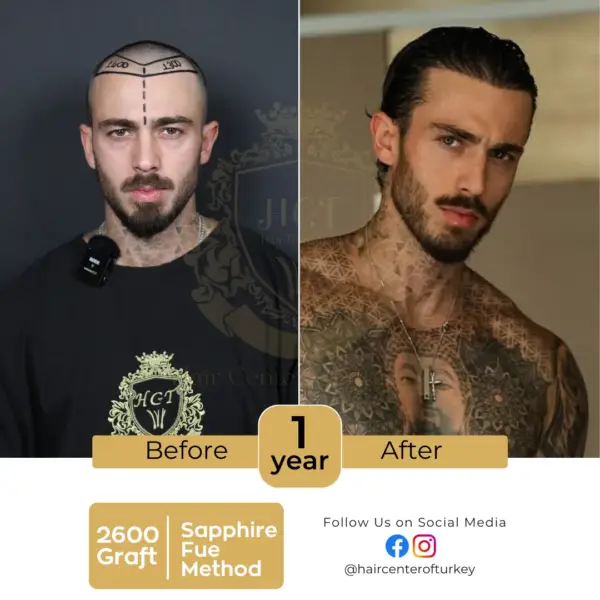
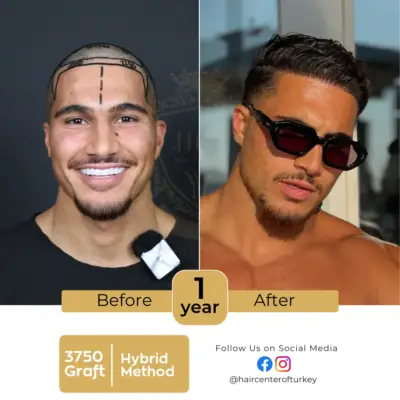
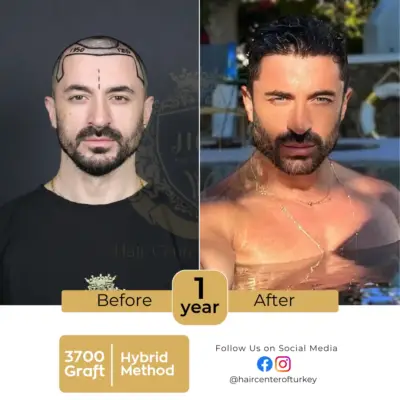
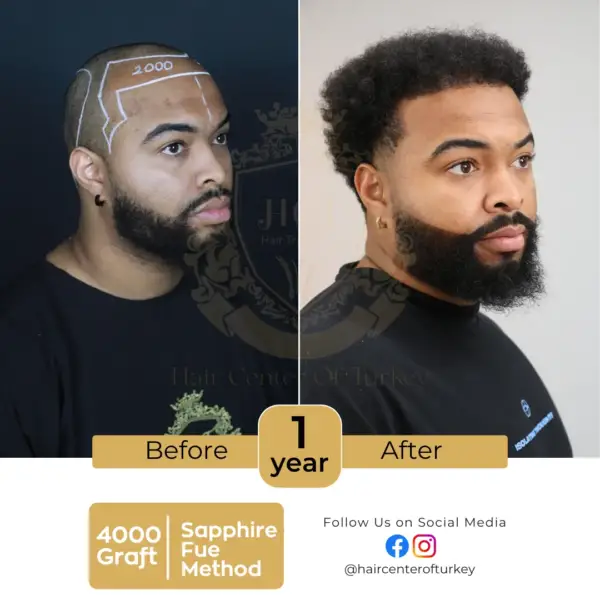
A clinician can rule out thyroid problems, anemia, nutrient deficiencies, hormonal shifts, and other causes. If non‑surgical options don’t help and you have stable pattern hair loss, hair transplant may be discussed as a longer‑term solution.
FAQ
Do hair vitamins work for everyone?
They help most when you’re correcting a deficiency. If your shedding is genetic or hormone‑driven, vitamins alone are unlikely to stop it.
Can too many vitamins cause hair loss?
Yes. High doses of vitamin A, selenium, and some other nutrients can trigger shedding. More is not better.
How long does it take to see results?
Hair grows slowly. Many people need 8–12 weeks to notice less shedding and 3–6 months to see visible density changes.
Should I take iron for hair loss?
Only if tests show low iron or low ferritin and your clinician recommends supplementation. Excess iron can be dangerous.