





Tom Brady Hair Transplant: What We Know (And What’s Just Rumor)
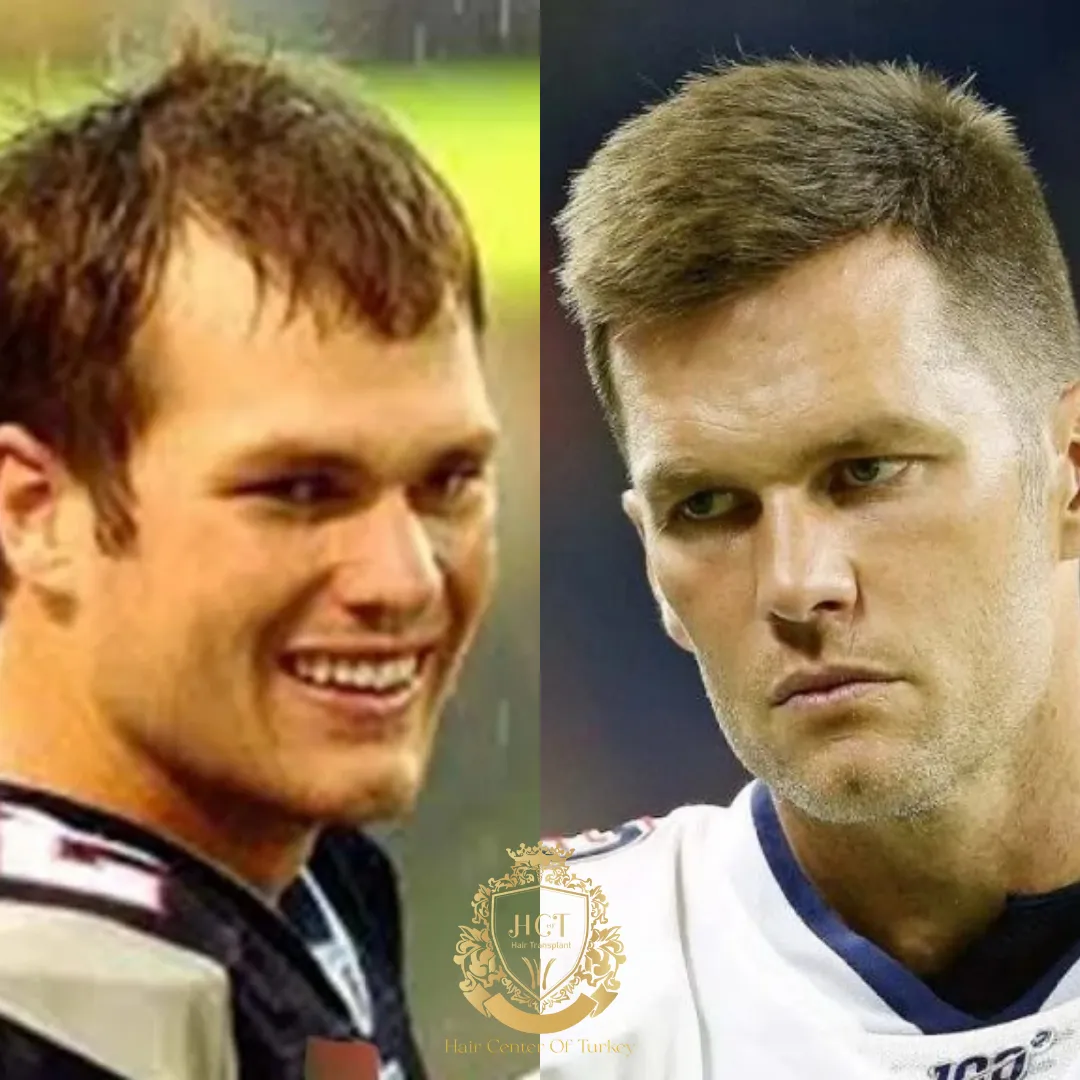
Tom Brady has never publicly confirmed getting a hair transplant, so any claim is speculation. Still, side‑by‑side photos over the years show a noticeably fuller hairline, which can happen for many reasons—from styling and lighting to medical treatment or surgery. If you’re considering hair restoration, focus on proven methods and a qualified specialist.

Table of Contents
Why People Think Tom Brady Had Hair Restoration
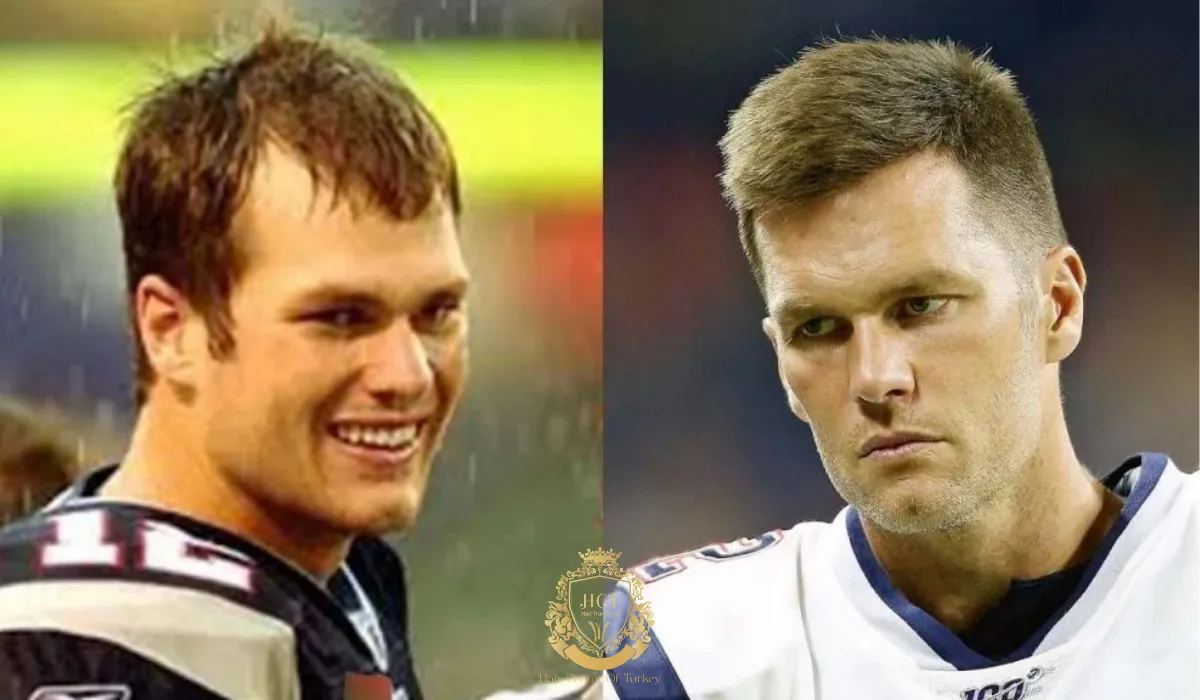
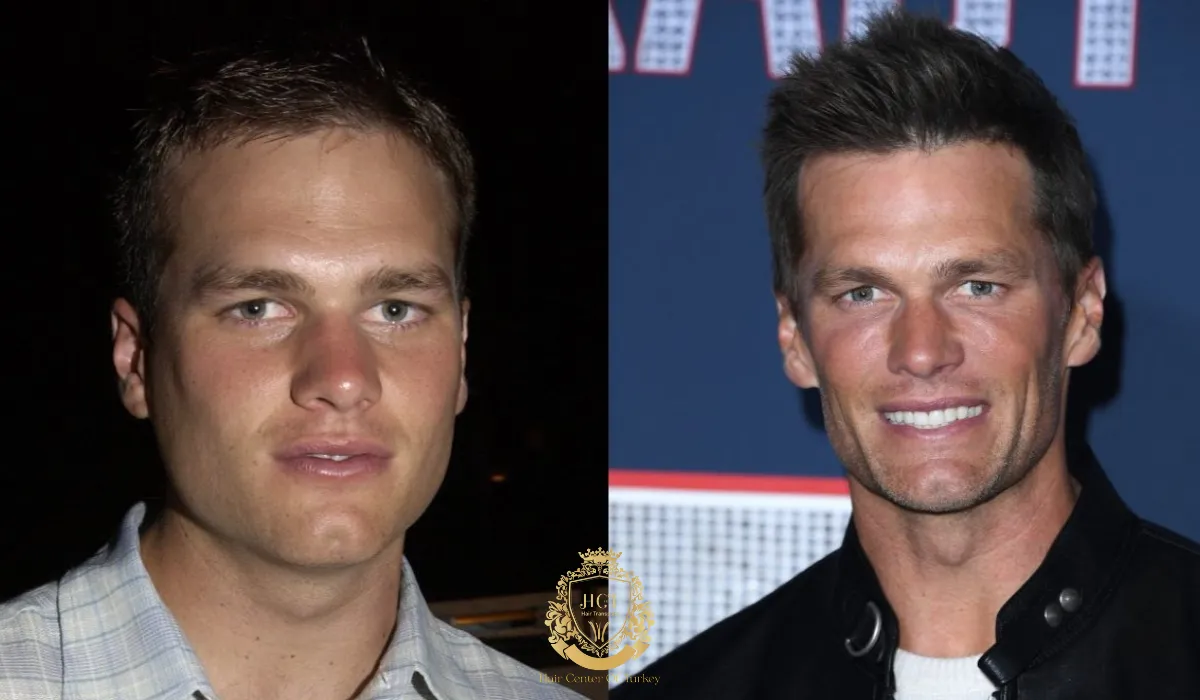
Fans and media have compared photos from different seasons and public appearances, noting changes in hair density and the shape of his hairline.
A fuller frontal hairline can look dramatic on camera, especially under stadium lighting and high-definition broadcast close-ups.
That said, photos alone can’t prove a procedure. Hair can look thicker (or thinner) depending on haircut, product, angle, and even the way hair is dried and styled.
Has Tom Brady Confirmed A Hair Transplant?
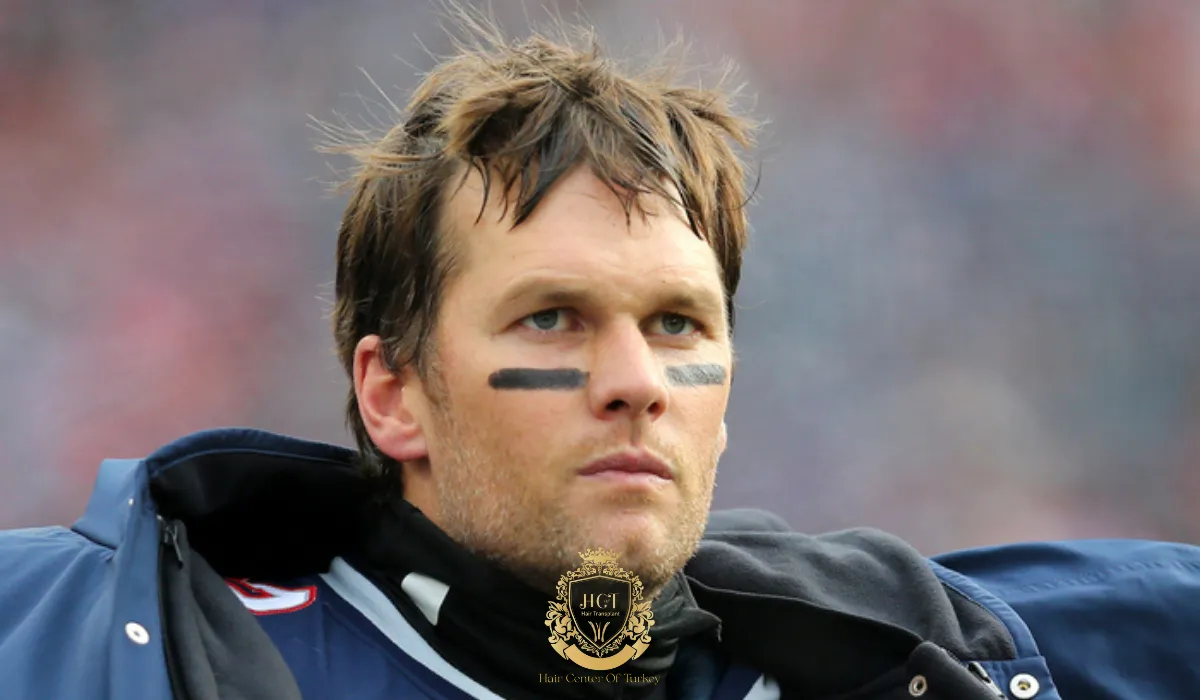
As of now, there’s no verified statement from Tom Brady confirming a hair transplant or naming a clinic or doctor.
Because there’s no confirmation, it’s best to treat “before and after” claims online as opinion, not evidence.
If you’re researching hair restoration, use celebrity discussions as a starting point—but make decisions based on medical advice and your own diagnosis.
Other Reasons A Hairline Can Look Fuller
A fuller look doesn’t always come from surgery. Many non-surgical options can improve the appearance of thinning hair.
Common possibilities include changes in hairstyle, thicker hair from improved hair-care routines, cosmetic fibers, scalp micropigmentation, or hairpieces.
Some people also respond well to doctor-supervised medical treatments for hair loss, which can increase density over time.
What A Modern Hair Transplant Involves
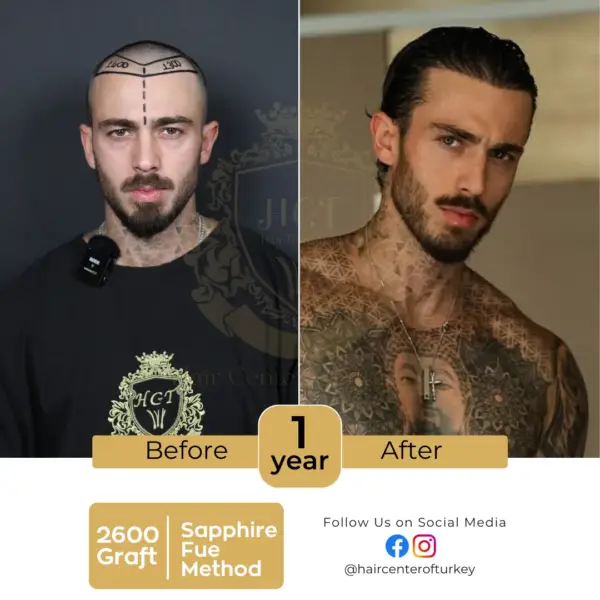
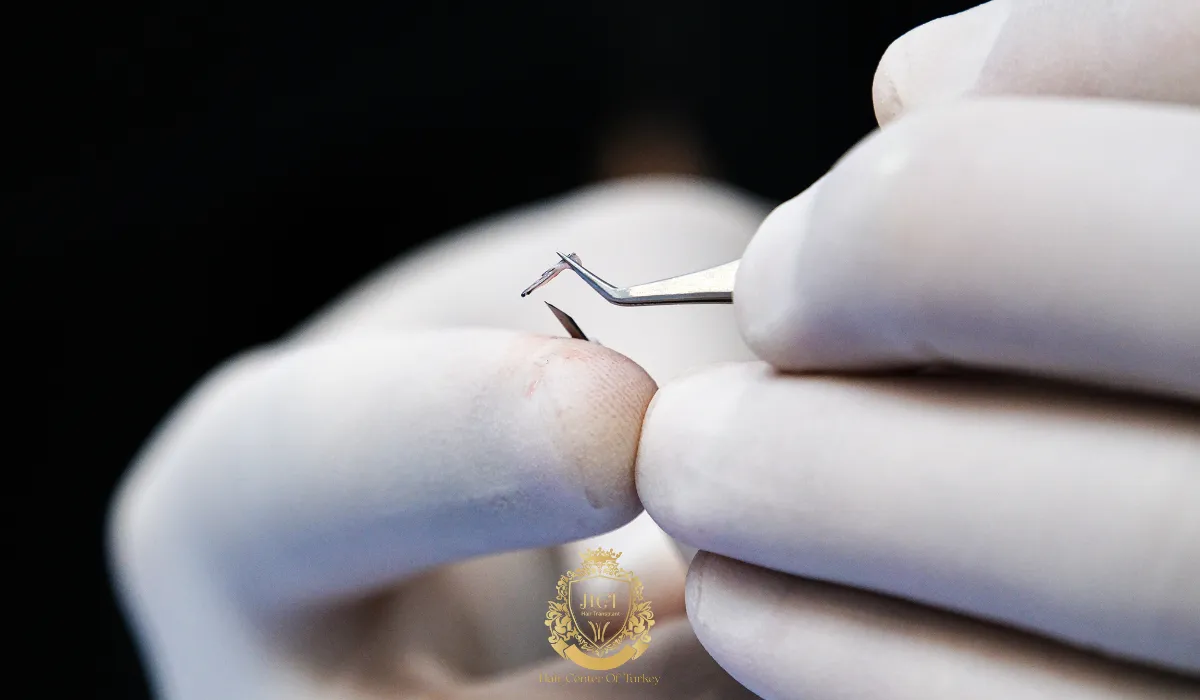
Today’s most common approach is follicular unit extraction (FUE), where individual grafts are taken from a donor area and placed into thinning zones.
A well-planned transplant aims for natural direction, density, and an age-appropriate hairline rather than an unnaturally “straight” front edge.
Results take time: transplanted hairs typically shed early, then gradually regrow over several months as follicles settle into their new cycle.

How Many Grafts Might Be Needed For A Similar Look?
Online estimates about celebrity graft counts are rarely reliable because the exact pattern of hair loss, donor density, and desired hairline shape vary from person to person.
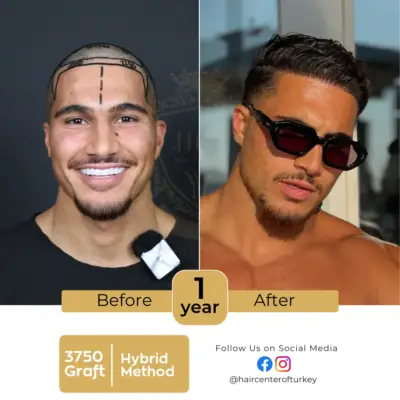
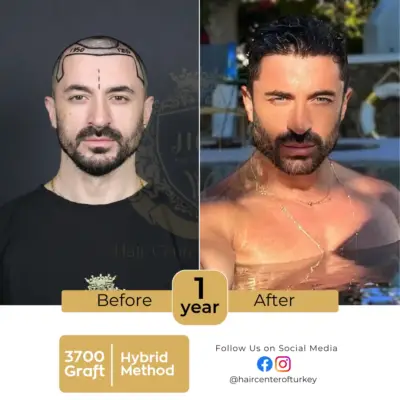
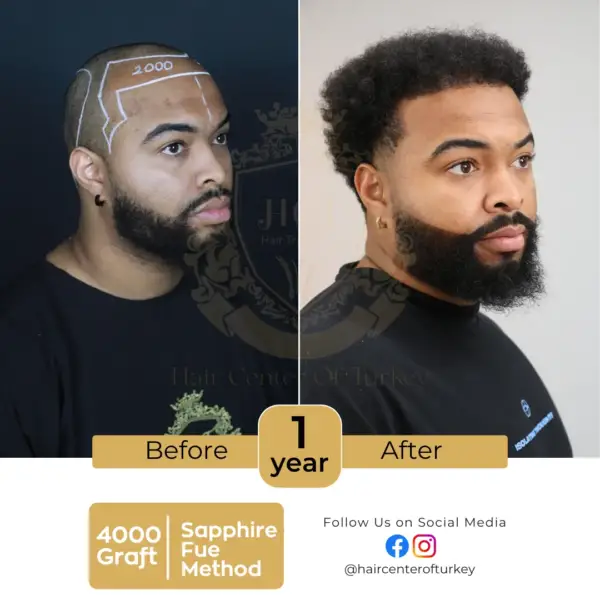
As a rough guide, mild temple recession may need around 1,000–1,800 grafts, while broader frontal work can require 2,000–3,500+ grafts.
The only accurate way to estimate grafts is an in-person or high-quality photo consultation with a qualified hair transplant surgeon.
Tom Brady Hair Transplant Cost: What You Can (And Can’t) Estimate
There’s no public information that proves Tom Brady’s procedure cost—or even that a procedure happened—so any exact figure tied to him is guesswork.
In real-world clinics, pricing usually depends on graft count, the surgeon’s experience, the technique used, and what’s included (aftercare, PRP, medications, and follow-ups).
If you’re budgeting, ask for a written treatment plan that explains the proposed graft number, areas to be covered, and what’s included in the package.
How To Choose A Hair Transplant Clinic
Start with the surgeon’s credentials, case photos with consistent lighting, and clear explanations of technique and expected outcomes.
Look for clinics that discuss limitations: donor supply, realistic density, and the possibility of future hair loss that may require ongoing treatment.
A good clinic will also explain risks and aftercare, not just showcase dramatic transformations.
FAQ
How much did Tom Brady’s hair transplant cost?
It has not been made public; Tom Brady has not confirmed that he had a hair transplant.
What happened to Tom Brady’s hair?
In the early years, his hairline was slightly receding; then it appeared fuller, but this has not been confirmed.
How many times did Tom Brady get hair transplants?
It has not been confirmed; it is unknown how many times he got hair transplants.
Who are the most famous celebrities who have had hair transplants?
Examples include Wayne Rooney, John Cena, Joel McHale, Joe Swash, and Elton John.
How many grafts did Tom Brady get?
It has not been made public; there is no confirmed number of grafts for Tom Brady.