





What Happens During The Telogen Phase Of The Hair Growth Cycle?
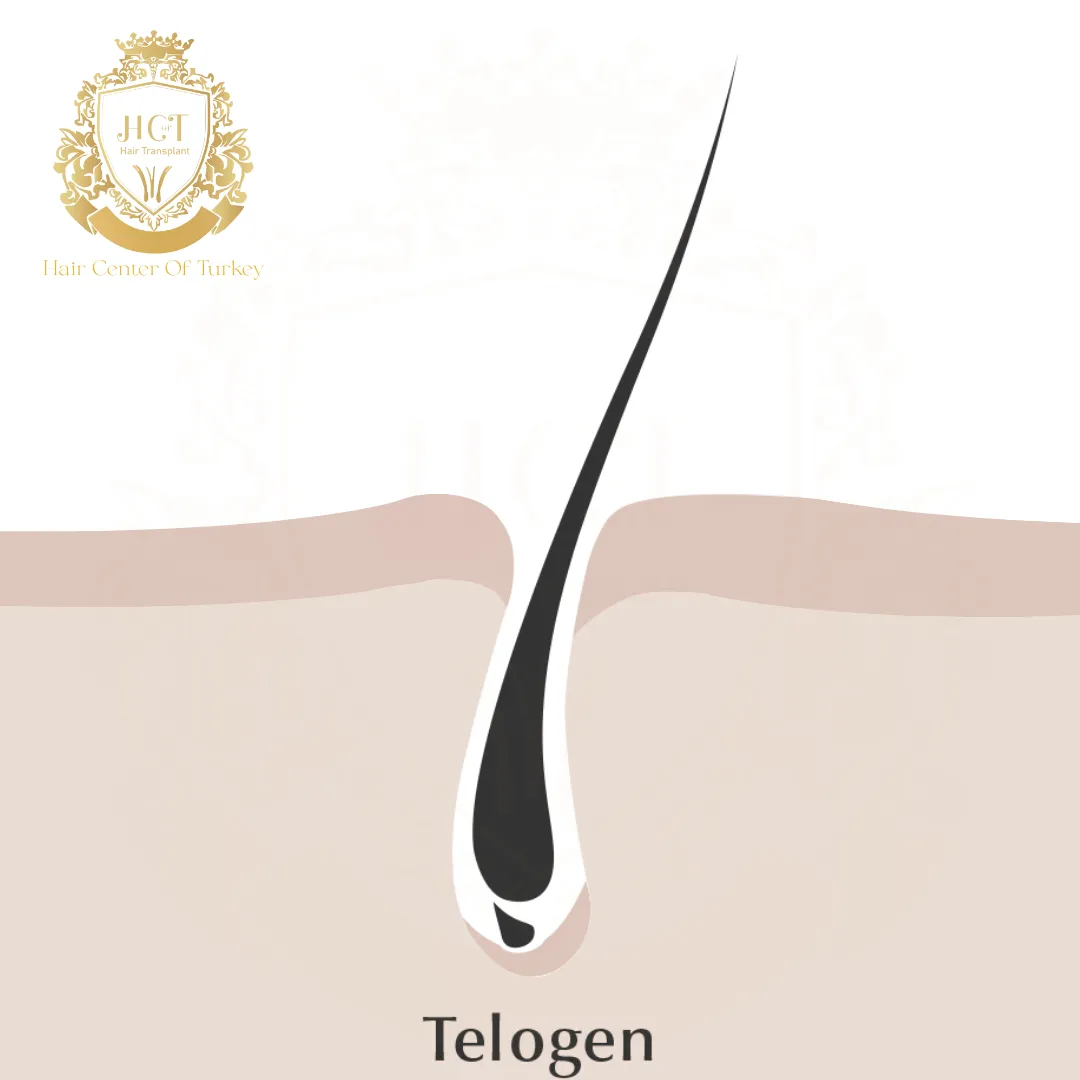
The telogen phase is the resting stage of the hair growth cycle. During this time, the follicle is inactive, the hair shaft stops growing, and the “club hair” is held in place until it sheds and a new anagen hair begins. Mild daily shedding is normal, but sudden, heavy shedding may signal telogen effluvium.
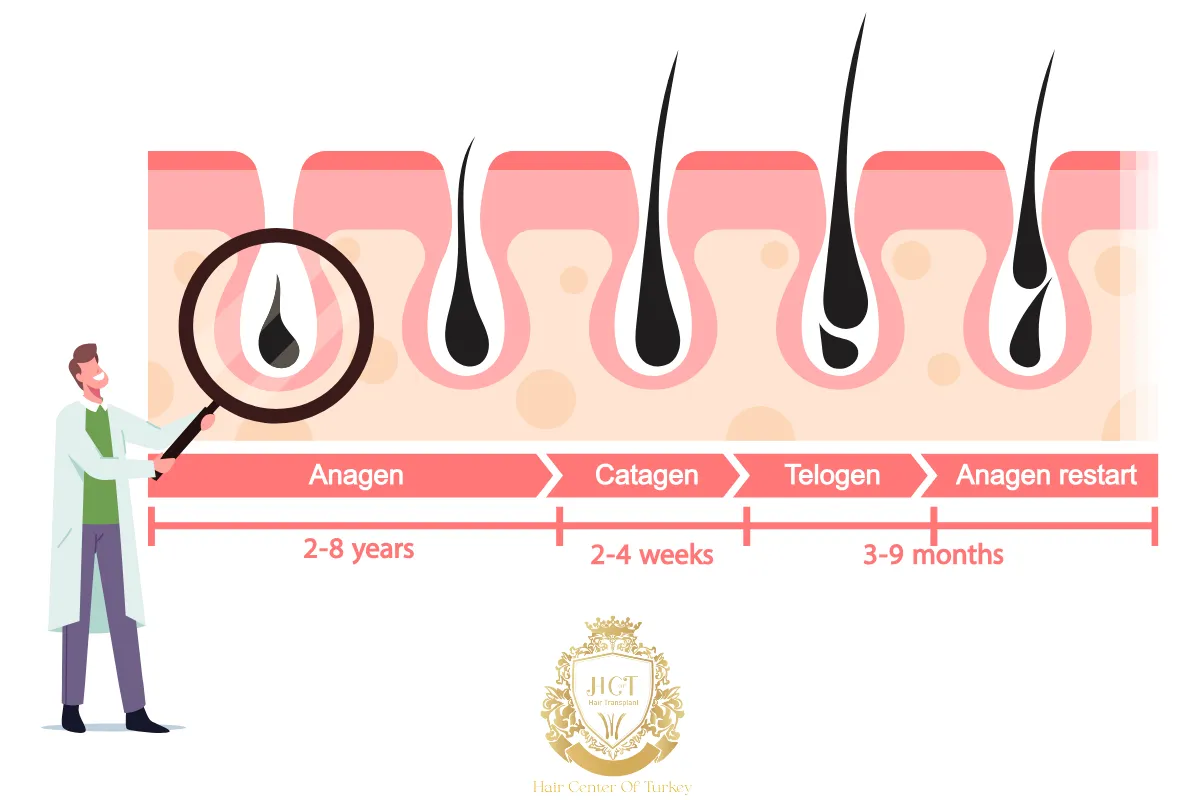
Hair doesn’t grow nonstop. Each follicle moves through a repeating cycle: anagen (growth), catagen (transition), and telogen (rest). Because follicles cycle independently, your scalp always contains hairs in different stages.
Telogen is the stage most closely linked with everyday shedding and, in some cases, temporary hair loss. Understanding what’s normal in telogen makes it easier to spot when shedding is excessive and worth checking.
What Is The Telogen Phase?
Telogen is the third stage of the hair growth cycle. It typically lasts about 2–4 months for scalp hair. During telogen, the follicle’s growth activity slows down and the hair strand is no longer lengthening.
At any given time, roughly 10–15% of scalp hairs are in telogen. That percentage is expected and reflects normal renewal. Once telogen ends, the follicle returns to anagen and begins producing a new hair.
What Happens Inside The Follicle During Telogen?
In telogen, the hair that formed during anagen becomes a mature “club hair.” It remains anchored in the follicle while the follicle rests and resets for the next growth cycle.
Near the end of telogen, a new anagen hair starts forming beneath the club hair. As the new hair grows, it helps push the club hair out. This shedding step is sometimes called the exogen phase.
What Causes Hair To Enter The Telogen Phase?
Most hairs enter telogen simply because their growth phase has finished. Aging, normal hormonal shifts, and seasonal changes can influence how many follicles are resting at once.
When a larger-than-usual number of follicles shift into telogen together, shedding can become noticeable. This pattern is called telogen effluvium.
Common triggers include:
- Physical or emotional stress
- High fever, illness, or major infection
- Surgery or significant blood loss
- Post-pregnancy hormonal shifts
- Rapid weight loss, crash dieting, or low protein intake
- Nutrient deficiencies (commonly iron) or thyroid imbalance
- Certain medications (for example, some antidepressants or blood pressure drugs)
A key detail is timing. With telogen effluvium, shedding often appears 2–3 months after the trigger, not immediately.

How Do You Know If You’re In The Telogen Phase?
You can’t feel telogen happening, but you may see more hair in the brush, shower, or on your pillow. Losing some hair daily is expected, and many people shed more on wash days.
Signs that can suggest increased telogen shedding include:
- Hair coming out easily with gentle tugging
- Shed hairs with a small white bulb at the root (a typical club hair)
- Diffuse thinning across the scalp rather than a single bald patch
If shedding feels sudden or heavy, or if thinning continues beyond 3–4 months, a dermatologist or trichologist can help identify the cause.
Can You Prevent Or Manage Telogen Hair Loss?
You can’t prevent normal telogen cycling, and you don’t need to. The goal is to reduce avoidable triggers and support healthy regrowth when shedding becomes excessive.
Helpful strategies often include:
- Stress management you can stick with, such as walking, mindfulness, or yoga
- A balanced diet with enough protein, iron, zinc, and B vitamins
- Gentle hair care: avoid tight hairstyles, aggressive brushing, and frequent high-heat styling
- Limiting harsh chemical treatments while shedding is active
- Reviewing new medications with a clinician if shedding began after a change
- Topical treatments like minoxidil in cases where a clinician recommends it
In many cases of telogen effluvium, regrowth begins once the underlying trigger is corrected and follicles cycle back into anagen.
When Should You Seek Professional Help?
Consider a professional evaluation if shedding is dramatic, lasts longer than a few months, or comes with other symptoms. Red flags include scalp pain, scaling, burning, patchy hair loss, or thinning eyebrows.
A clinician may recommend blood tests to look for common contributors such as low iron stores, thyroid issues, or other nutritional deficiencies, then tailor treatment to what’s found.
FAQs About The Telogen Phase And Hair Shedding
How much hair shedding is normal during telogen?
Many people lose roughly 50–100 hairs per day. Shedding can look heavier on wash days or when hair is long, but the daily count can still be normal.
Is telogen effluvium permanent?
Most cases are temporary and improve when the trigger is addressed. Chronic telogen effluvium can last longer than six months and may need a medical workup.
Are all hairs in the same growth phase at the same time?
No. Each follicle cycles on its own schedule, which is why you don’t shed all of your hair at once and why some strands keep growing while others rest.
How long does it take to see regrowth after telogen shedding?
Follicles often return to anagen within a few months, but visible thickening takes longer. Many people notice early regrowth in 3–6 months, with fuller results over 6–12 months.
Do supplements or shampoos help telogen shedding?
Supplements only help if you’re low in a nutrient such as iron or zinc. Shampoos can improve scalp comfort, but they don’t “switch off” telogen. If you’re unsure, ask a clinician before starting new supplements or treatments.