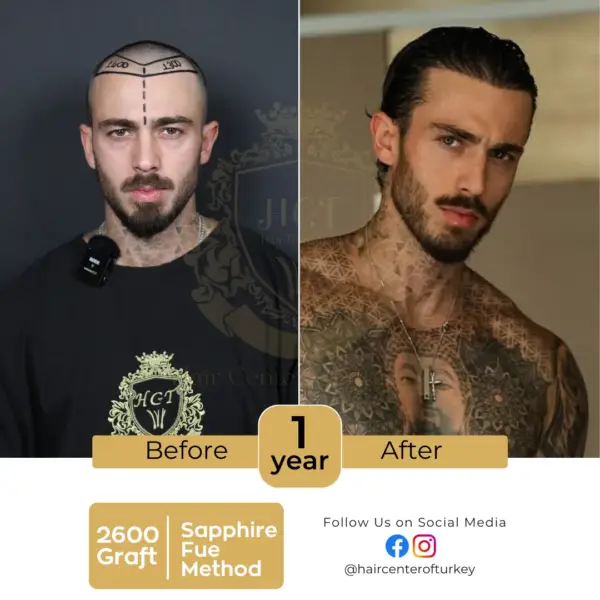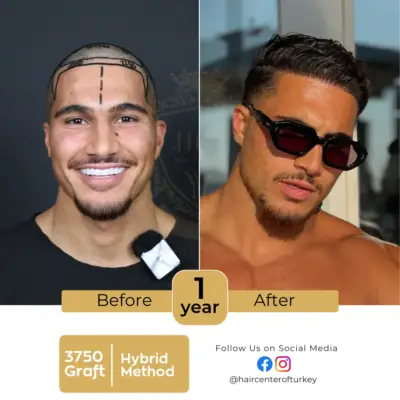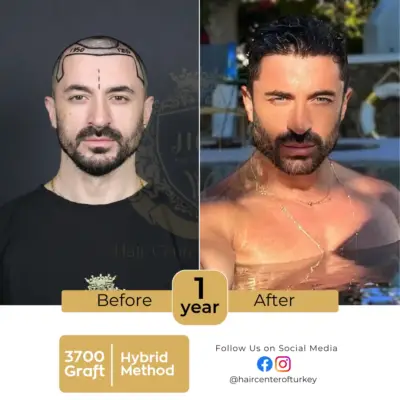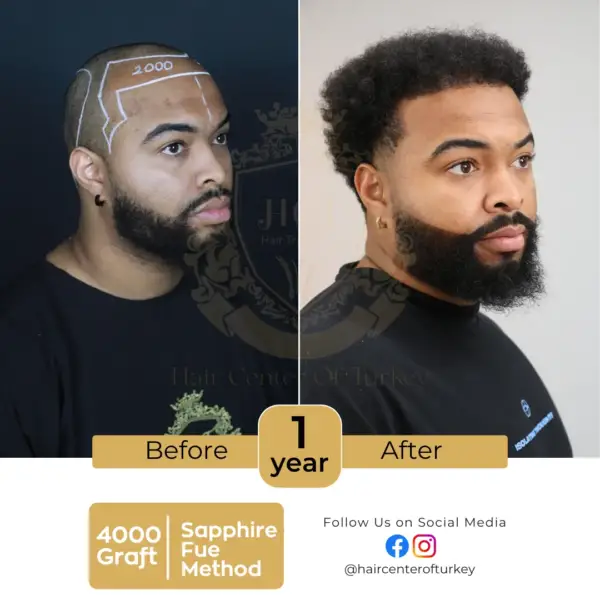






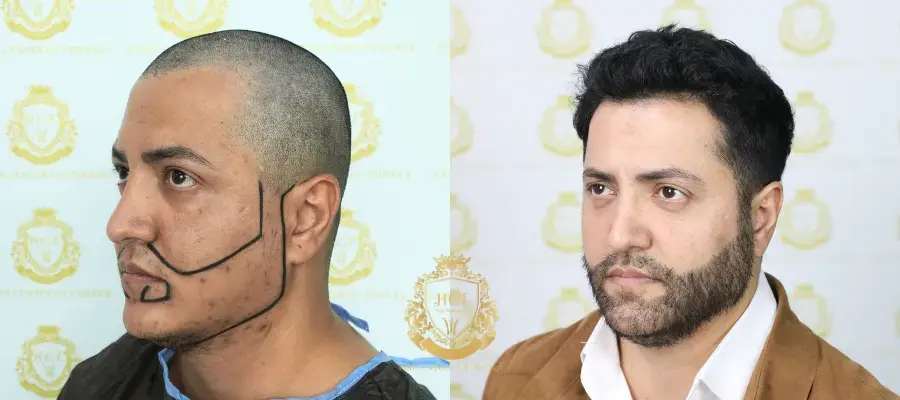
Special Hair Transplant For Transgender Patients
A transgender hair transplant is planned around aesthetics and long-term hair health. The surgeon designs a hairline or facial-hair pattern that matches your gender expression, then chooses a technique that protects donor capacity and accounts for hormones and future hair-loss risk. With careful design, results can look natural and age-appropriate.
Table of Contents
Why Transgender Patients Benefit From A Customized Plan
Hair restoration is not only about filling thin areas. For many transgender and non-binary patients, the priority is how the hairline, temples, and facial hair shape the face.
A customized plan respects your identity and builds a long-term strategy around donor capacity, scalp health, and the likelihood of future hair loss.
Common Procedures And Goals

Depending on your needs, a plan may include:
- Hairline feminization: rounding the front corners, softening temple transitions, and creating a more traditionally feminine frame.
- Density restoration: improving coverage in the frontal area or crown when thinning is present.
- Beard transplant: creating fuller facial hair, filling patchy areas, or defining the beard line.
- Eyebrow transplant: improving fullness and symmetry with natural direction and angle of growth.
Hormone Therapy And Timing
Hormone therapy can influence hair behavior, but it does not replace surgical planning. Reduced androgen activity may slow further scalp hair loss for some transfeminine patients. Testosterone can increase the risk of androgenetic hair loss for some transmasculine patients over time.
Because of that, timing matters. If you are starting or adjusting hormones, many surgeons prefer a period of stability so they can map realistic progression and avoid placing grafts where future loss may occur.
Share a complete list of hormones and hair-loss medications during consultation. Any decision to pause or restart medication should be coordinated with your prescribing clinician.
Hairline Design: Feminization Vs. Masculinization
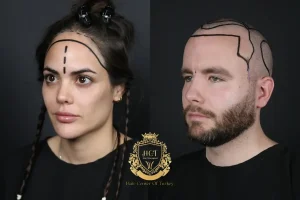
Design is where results either look effortless or look “done.” A feminized hairline often sits lower within natural facial proportions, with rounded corners and soft, irregular micro-details. A masculinized look usually favors a straighter line, stronger temporal angles, and a balance with sideburns and facial hair.
In both styles, graft angle and direction are critical. Fine control in the first 1–2 cm of the hairline is what creates a believable transition.
Techniques Used At Hair Center Of Turkey
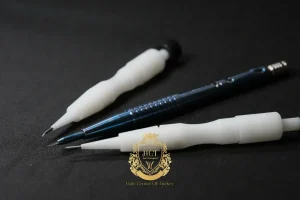
At Hair Center of Turkey, surgeons typically use modern extraction and implantation methods that support natural design:
- FUE (Follicular Unit Extraction): individual graft harvesting, often chosen for minimal linear scarring and flexible donor management.
- DHI-style implantation: direct placement may be used in selected cases where angle control is especially important, such as the hairline, temples, eyebrows, or beard.
The best method depends on graft numbers, donor density, curl pattern, and the target area.
Privacy, Comfort, And Travel Planning In Istanbul
For many patients, privacy is part of quality care. Look for a clinic that offers discreet scheduling, respectful communication, and a team trained to follow your preferences for name and pronouns.
If you are traveling to Istanbul, plan for a calm first week. You may be able to do light activities quickly, yet intense exercise, sauna, and direct sun are usually avoided early in healing. The clinic should guide you on sleeping position, gentle washing, and when it is safe to fly.
Recovery And Realistic Results
Mild swelling, redness, and scabbing are common in the early phase. Transplanted hairs often shed in the first weeks before regrowth begins, which is expected.
Visible growth usually starts after a few months, with ongoing improvement across the first year. Long-term planning is especially important for anyone with a strong family history of hair loss or ongoing testosterone therapy.
Frequently Asked Questions
What is the best hair transplant for transgender people?
FUE or FUT tailored to hairline goals and donor supply is best.
How much does a transgender hair transplant cost?
$3,000–$5,000 is common, depending on grafts, surgeon, and country.
What is the regret rate for gender affirming surgery?
Under 1% in systematic reviews.
Can hair transplants be considered gender-affirming care?
Yes, hair transplants can be gender-affirming when shaping hairlines or beards.
What are the results of a transgender hair transplant?
Results are natural-looking hairline or beard density, with long-lasting growth after shedding phases.