





Rosemary Oil For Hair: Growth, Uses, And Benefits
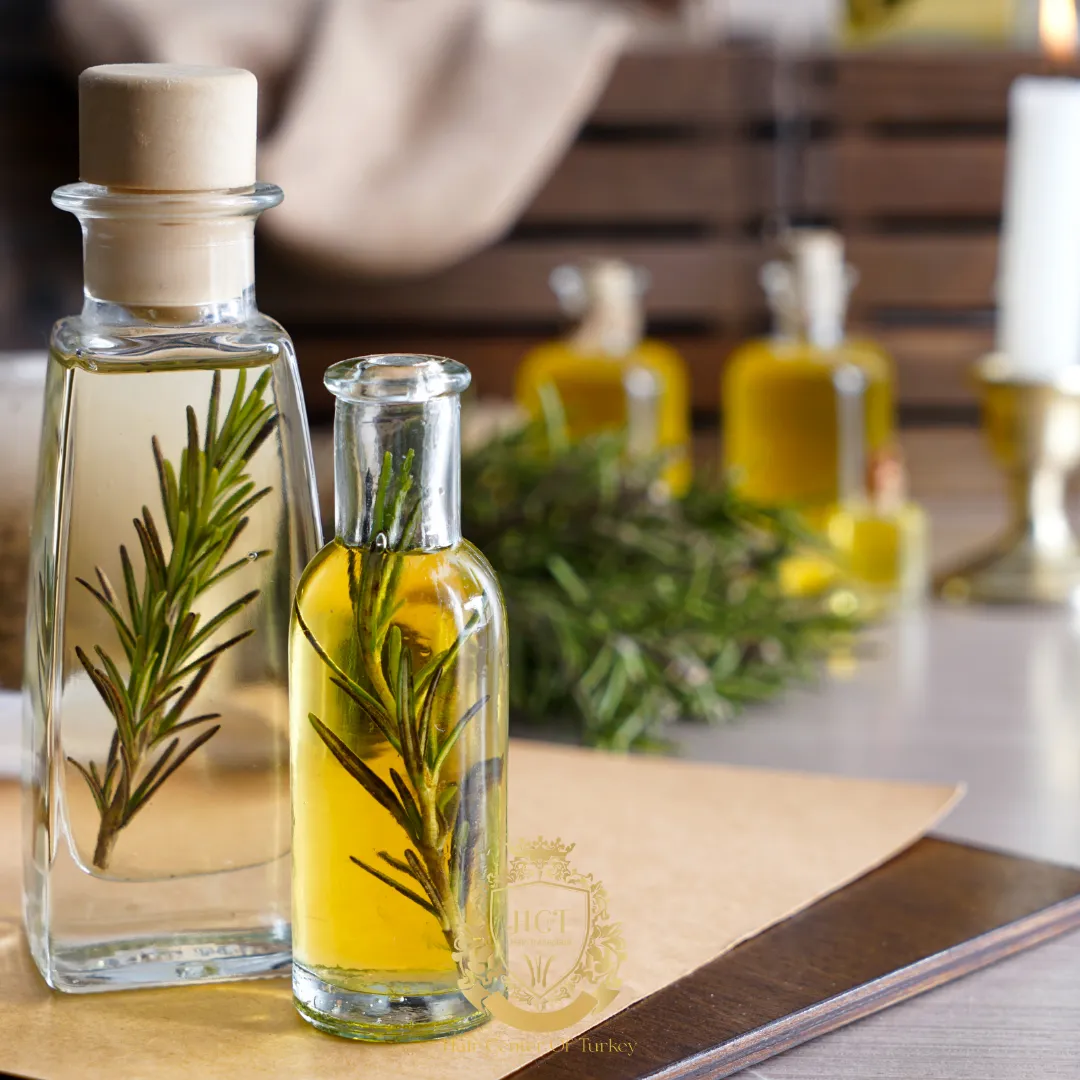
Rosemary oil may support hair growth for some people, especially when hair thinning is mild and scalp irritation or inflammation plays a role. It isn’t a guaranteed fix, but consistent use of properly diluted rosemary oil on the scalp—often with gentle massage—can improve scalp comfort and help hair look fuller over time. Give it at least 3–6 months to judge results.
Can Rosemary Oil Treat Hair Loss?
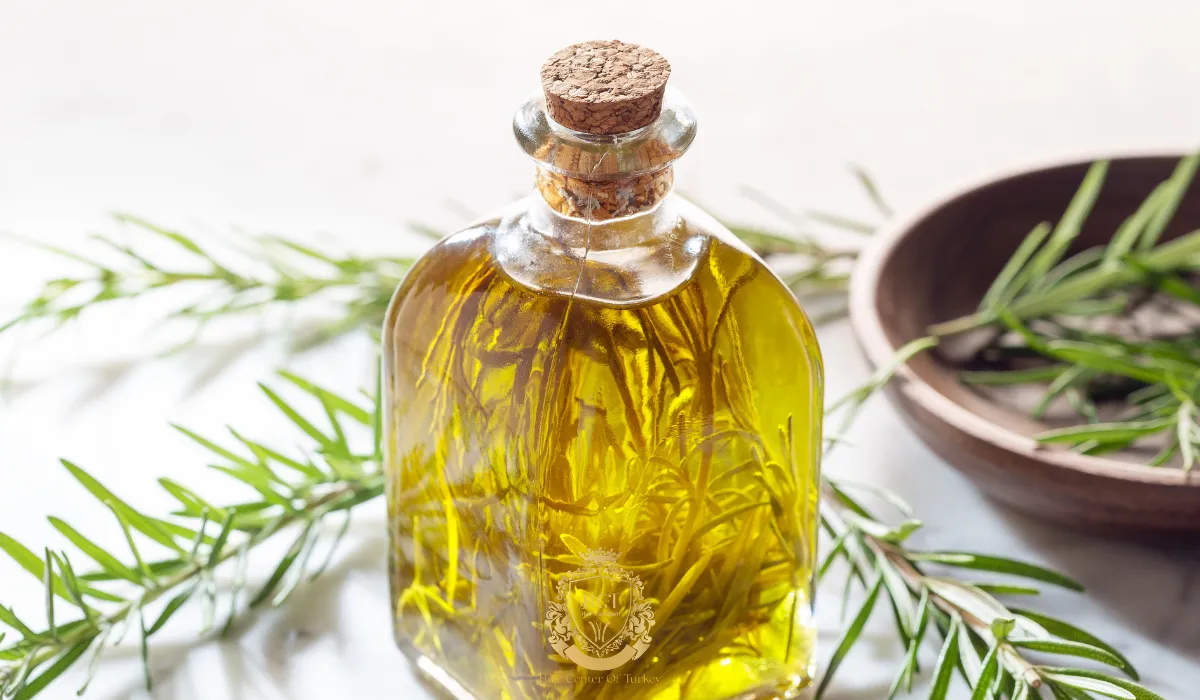
Rosemary oil is often discussed for androgenetic alopecia (male or female pattern hair loss). The most cited human study compared rosemary oil with 2% minoxidil over 6 months and reported similar improvements in hair count by month six, with scalp itching reported more often in the minoxidil group.
That said, hair loss has many causes—stress, iron deficiency, thyroid issues, recent illness, tight hairstyles, or inflammatory scalp conditions. If shedding is sudden, patchy, painful, or getting worse quickly, it’s worth speaking with a dermatologist to rule out a treatable underlying problem.
Does Rosemary Oil Help Hair Growth?
It can help some people, but expectations matter. Rosemary oil may support growth by helping create a healthier scalp environment, which can reduce breakage and improve the appearance of density.
Rosemary oil is unlikely to regrow hair in areas where follicles are severely miniaturized or permanently damaged. For persistent thinning, rosemary oil works best as a supportive step alongside evidence-based care and good scalp habits.

How To Use Rosemary Oil For Hair Care
Using rosemary oil the right way matters more than using a lot of it. Essential oils are typically applied in diluted form to reduce irritation. (NCCIH; Dontje et al., 2024).
Dilute It First
Mix rosemary essential oil with a carrier oil like jojoba, argan, olive, or coconut oil. Many people start with a low-strength blend and increase slowly if their scalp tolerates it.
If you have sensitive skin, a history of eczema, or a reactive scalp, keep the dilution mild and do a patch test before using it widely.
Focus On Your Scalp
Apply the diluted blend to your scalp, not just the hair lengths. Part your hair in a few places, place small amounts onto the scalp, and massage gently for 2–3 minutes.
Scalp massage helps spread the oil evenly and encourages you to work on the area that actually influences growth: the follicles.
Start Slowly And Carefully
Begin with 2–3 uses per week, then adjust based on comfort. Stop if you notice burning, significant redness, rash, or increased flaking that wasn’t there before.
Avoid applying essential oils to broken skin, and keep the product away from the eyes.
Give The Oil Time
Hair grows slowly, and shedding cycles can make progress hard to judge week to week. Most routines need several months of consistent use before changes are noticeable.
Take a quick photo in the same lighting once a month. It’s the easiest way to track subtle shifts.

Choose A Quality Produc
Look for a rosemary essential oil from a reputable brand that clearly lists the botanical name (often Rosmarinus officinalis). Prefer products in dark glass bottles, with clear sourcing and quality controls.
If you’re using a pre-made scalp serum, check that rosemary is part of a balanced formula and not paired with a long list of potential irritants.
Don’t Overdo The Amount
More oil doesn’t mean better results. Using too much can leave buildup on the scalp and may increase irritation.
A small amount applied consistently tends to work better than occasional heavy applications.
Be Patient And Consistent
Consistency is the “secret” with rosemary oil. If your scalp tolerates it, aim for a steady routine you can keep for the long term.
Do not ingest essential oils unless you have specific medical guidance—these products are highly concentrated and are not intended to be taken undiluted.
What Are The Benefits Of Rosemary Oil?
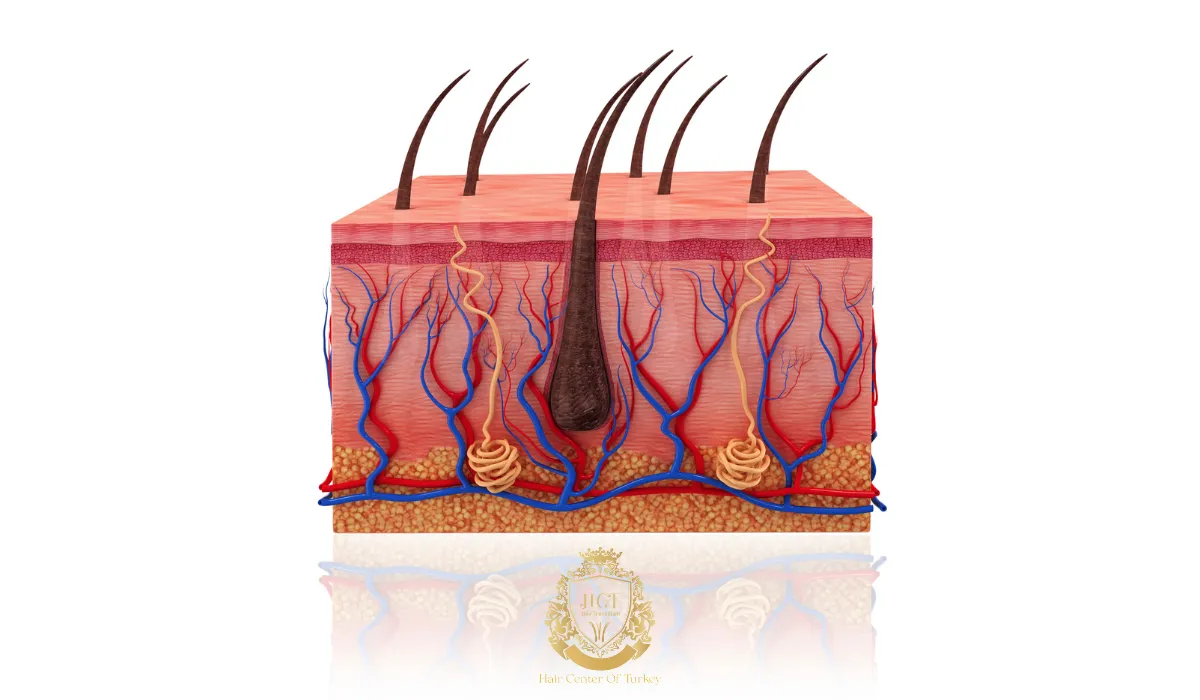
Rosemary oil is best known for its aroma and its traditional use in self-care routines. For hair, the most relevant potential benefits relate to scalp comfort and maintaining a healthy environment for growth.
Antioxidant And Anti-Inflammatory Support
Rosemary contains compounds studied for antioxidant and anti-inflammatory activity. In practical terms, that can translate to a calmer-feeling scalp for some people, especially when dryness or mild irritation is part of the picture.
If you have a diagnosed scalp condition, treat it first with appropriate medical or dermatologist-recommended care, then use rosemary oil as a supportive add-on.
Effect On Hair And Scalp Health
When used correctly, rosemary oil can help hair look and feel healthier by supporting scalp balance and reducing dryness-related breakage. It may also improve the look of shine when used as part of an oiling routine.
If your main concern is advanced thinning, consider rosemary oil as one part of a wider plan rather than a standalone solution.
Other Traditional Uses
Rosemary has a long history of use in culinary and wellness traditions. People also use it in aromatherapy routines for focus and general comfort, but it should not replace medical care for any condition. (NCCIH).
What Are The Side Effects Of Rosemary Oil?
Most issues come from using rosemary oil undiluted or using too much too often. Direct application of essential oils can irritate the skin and may trigger contact dermatitis in sensitive individuals. (Dontje et al., 2024; NCCIH).
Possible side effects include:
- Scalp irritation, redness, itching, or a burning sensation
- Rash or allergic reaction
- Increased dryness or flaking in reactive scalps
If symptoms appear, wash the area with a gentle cleanser and stop use. Seek medical advice if you develop swelling, blistering, or severe discomfort.
FAQ
Should I use rosemary oil before or after a shower?
Either can work. Many people prefer it as a pre-wash scalp treatment (apply, leave on for 30–60 minutes, then shampoo). If you use it after a shower, apply a very small amount to a slightly damp scalp to reduce greasiness.
How long should I leave it on?
Start with 30–60 minutes, then rinse. Some people leave a low-strength, well-tolerated blend on overnight, but it’s best to avoid that if you have a sensitive scalp or a history of irritation.
Can rosemary oil darken hair?
Some people notice their hair looks slightly deeper in tone over time. This is not guaranteed and may relate to shine and reduced dryness rather than true pigment change. If this matters to you, do a strand test.
How often should I use rosemary oil for hair growth?
A common routine is 2–4 times per week. If your scalp tolerates it well and the dilution is mild, you may be able to use it more often.
Can I use rosemary oil with minoxidil?
Some people combine them, but irritation can add up. If you use both, apply them at different times of day and stop if your scalp becomes reactive. For personalized guidance, a dermatologist can help you build a routine that fits your scalp and hair-loss pattern.