





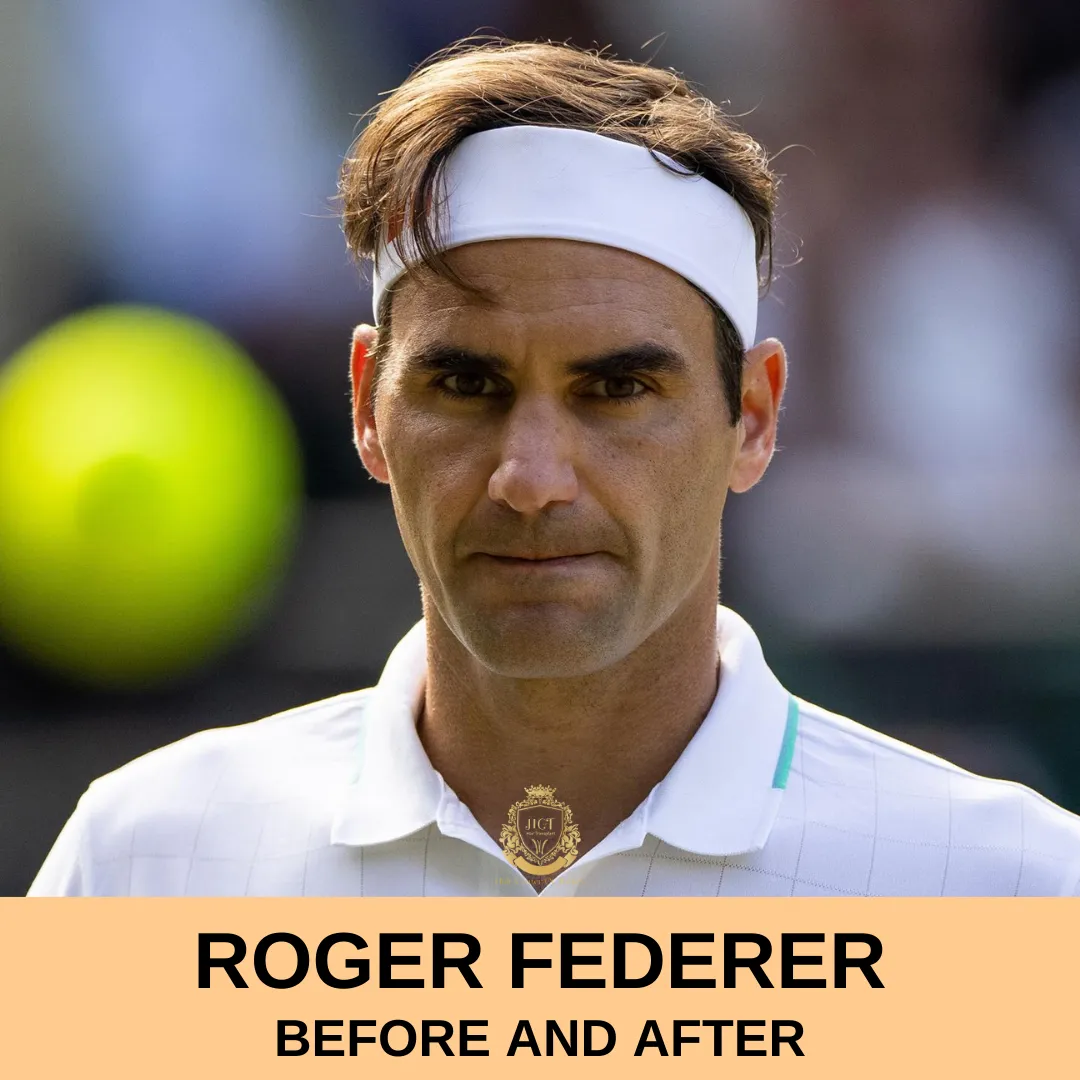
Roger Federer Hair Transplant: What’s Known And What’s Just Rumor
Quick answer: There’s no official, public confirmation that Roger Federer has ever had a hair transplant. His hairline has stayed fairly consistent over the years, and photos can be misleading because of lighting, styling, and camera angles. If you’re considering hair restoration yourself, modern techniques like FUE or DHI can create a natural, age-appropriate hairline when planned properly.
Table of Contents
Who Is Roger Federer?
Roger Federer is widely regarded as one of the greatest tennis players of all time. Across his career, he won 20 Grand Slam singles titles and became known for his timing, footwork, and calm under pressure. Off the court, he’s also recognized for philanthropic work through the Roger Federer Foundation.
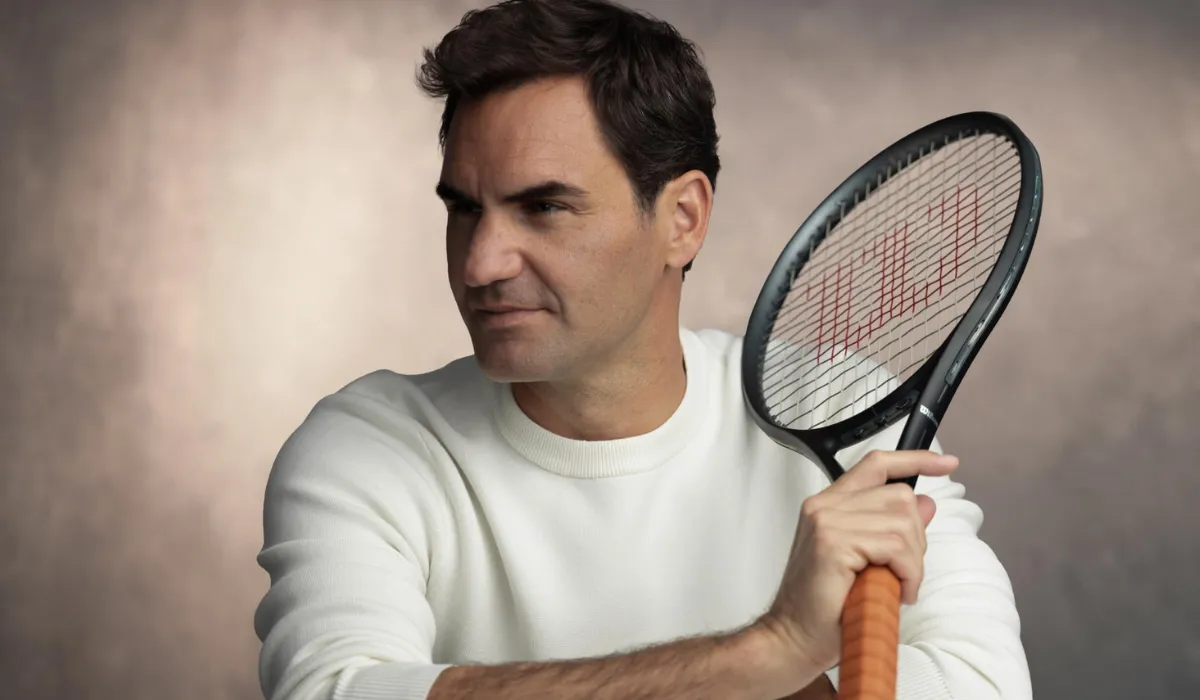
Best Moments Of Roger Federer
Federer’s career is packed with highlights, but a few moments stand out:
- 2003 Wimbledon: his first Grand Slam title, which marked the start of his dominance.
- 2017 Australian Open final: his comeback win over Rafael Nadal to claim his 18th major title.
- Surpassing Pete Sampras’ major record: he reached 15 Grand Slam singles titles, setting a new benchmark at the time.
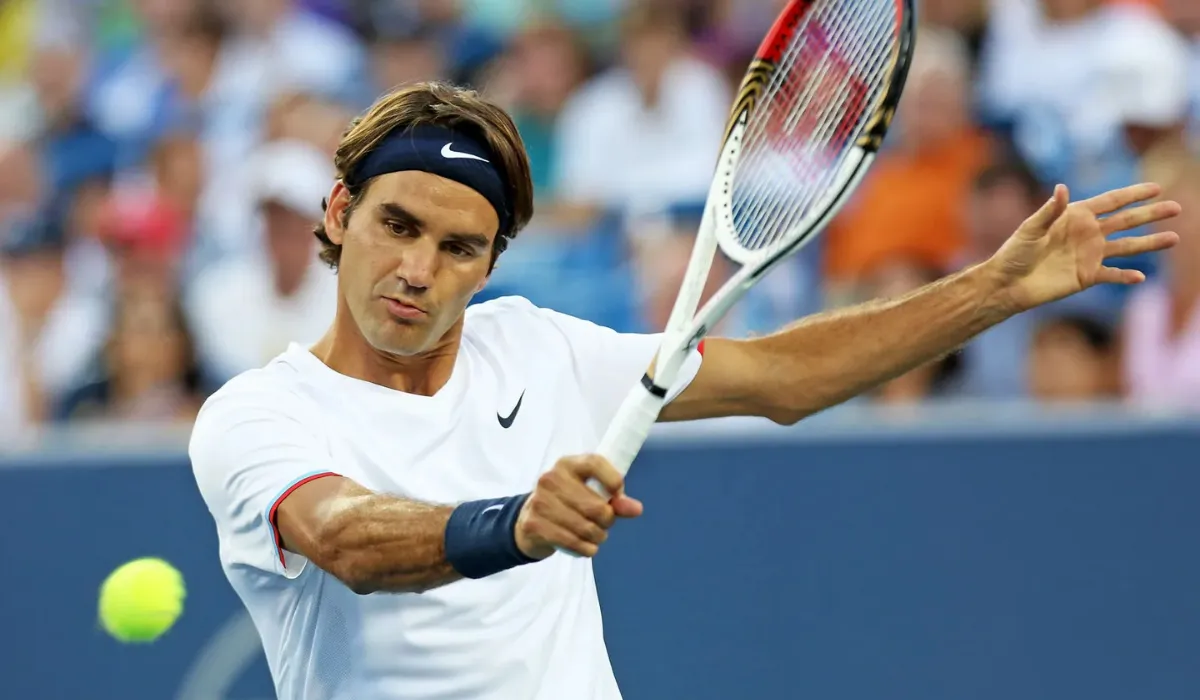
Did Roger Federer Get A Hair Transplant?
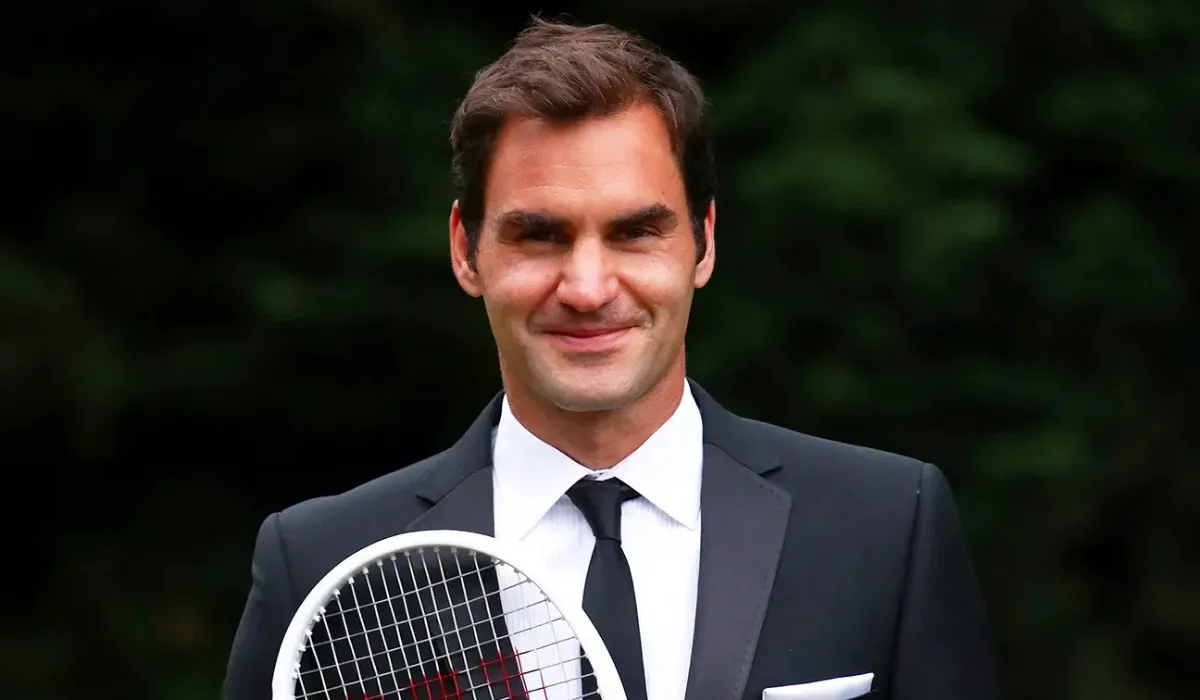
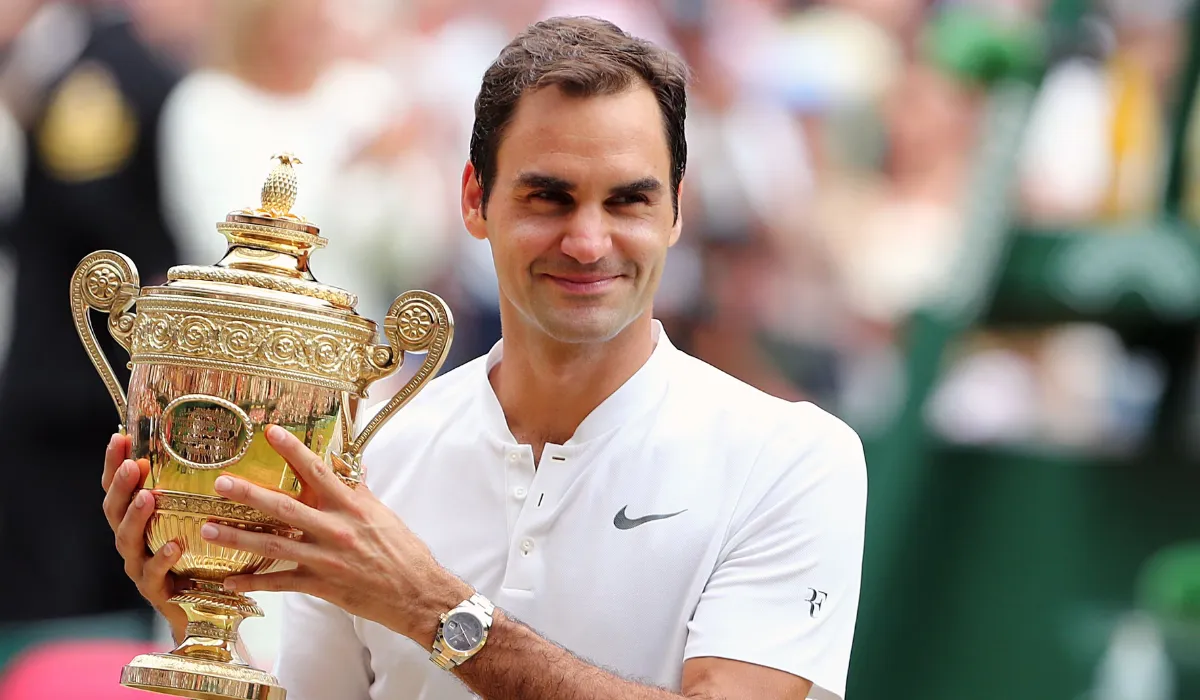
Federer hasn’t publicly discussed having hair restoration surgery, so any definitive claim is speculation. What we can say is that there’s no verified announcement, medical disclosure, or reliable reporting confirming a procedure. Many “before-and-after” posts online rely on cherry-picked photos, then present guesses as facts.
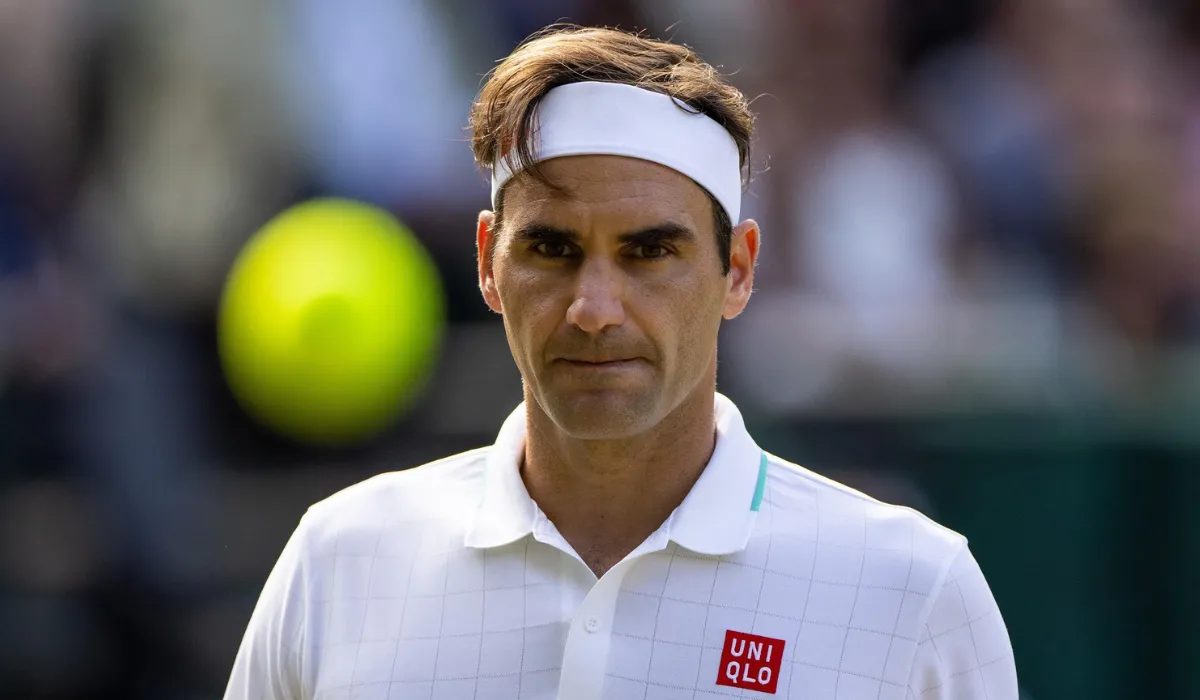
Why Celebrity “Before/After” Photos Can Mislead
Celebrities rarely keep their hair identical from year to year. Lighting, hair products, density sprays, haircuts, and even how the hair is dried can change the way a hairline looks in photos. In Federer’s case, headbands and on-court styling also make comparisons tricky.
What A Natural Hair Transplant Would Typically Look Like
When a transplant is done well, the goal is not a “perfectly straight” hairline. Surgeons usually design an age-appropriate hairline, place single-hair grafts at the front for softness, and build density gradually behind it. The best results tend to look unremarkable—in a good way.
Why Someone Like Federer Might Consider Hair Restoration
Even with a strong natural hairline, many people consider hair restoration for practical reasons. Public figures are photographed constantly, and small changes can be amplified online. Some also prefer to restore density for styling flexibility as they age.
How To Choose The Right Clinic
Results depend on planning, surgeon experience, and realistic expectations—not the celebrity you’re comparing yourself to. A reputable clinic will assess your donor area, discuss graft estimates, explain the technique, and be clear about limitations. They should also show consistent results across different hair types and degrees of hair loss.
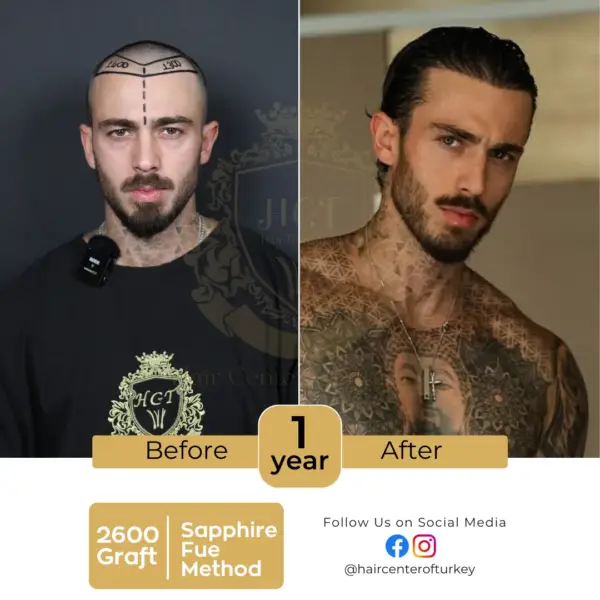
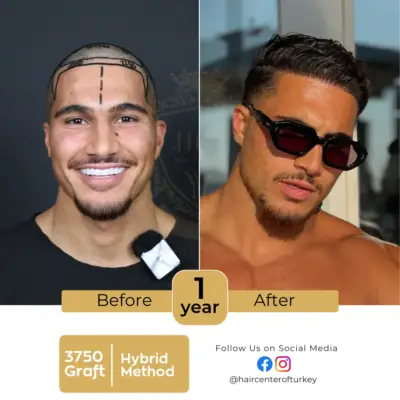
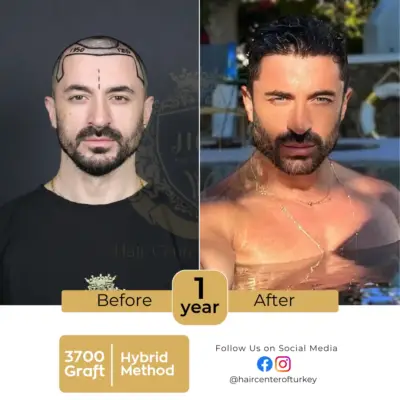
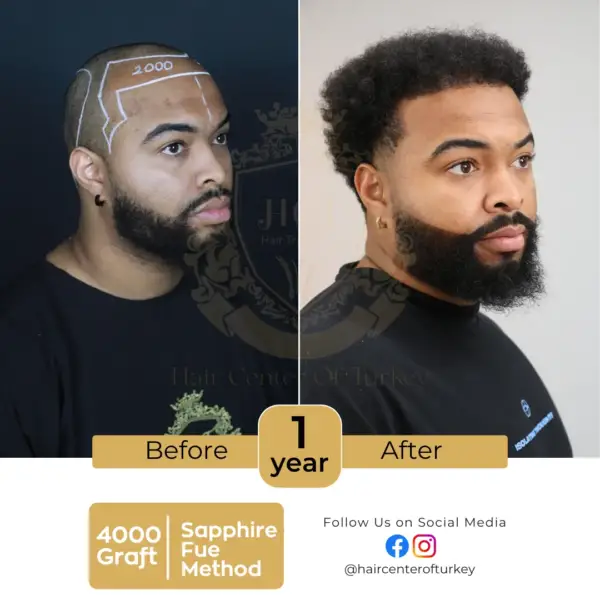
If you’re exploring options, clinics such as Hair Center of Turkey typically emphasize natural hairline design and individualized planning. What matters most is transparent medical guidance, clear aftercare instructions, and a plan that fits your hair loss pattern and donor capacity.
F.A.Q.
What is the cost of Roger Federer’s hair transplant?
The cost is unknown because Roger Federer has never confirmed having a hair transplant.
What happened to Roger Federer’s hair?
His hairline has shown natural aging/very slight receding and style changes over the years.
How many hair transplant surgeries has Roger Federer had?
Roger Federer has not publicly confirmed the number of hair transplants he has had.
Who are the most famous celebrities who have had hair transplants?
Wayne Rooney, Jimmy Carr, Ben Stokes, James Nesbitt, Joe Swash, Elton John.
How many grafts were transplanted for Roger Federer?
The number of grafts for Roger Federer has not been disclosed; there is no confirmed data.