





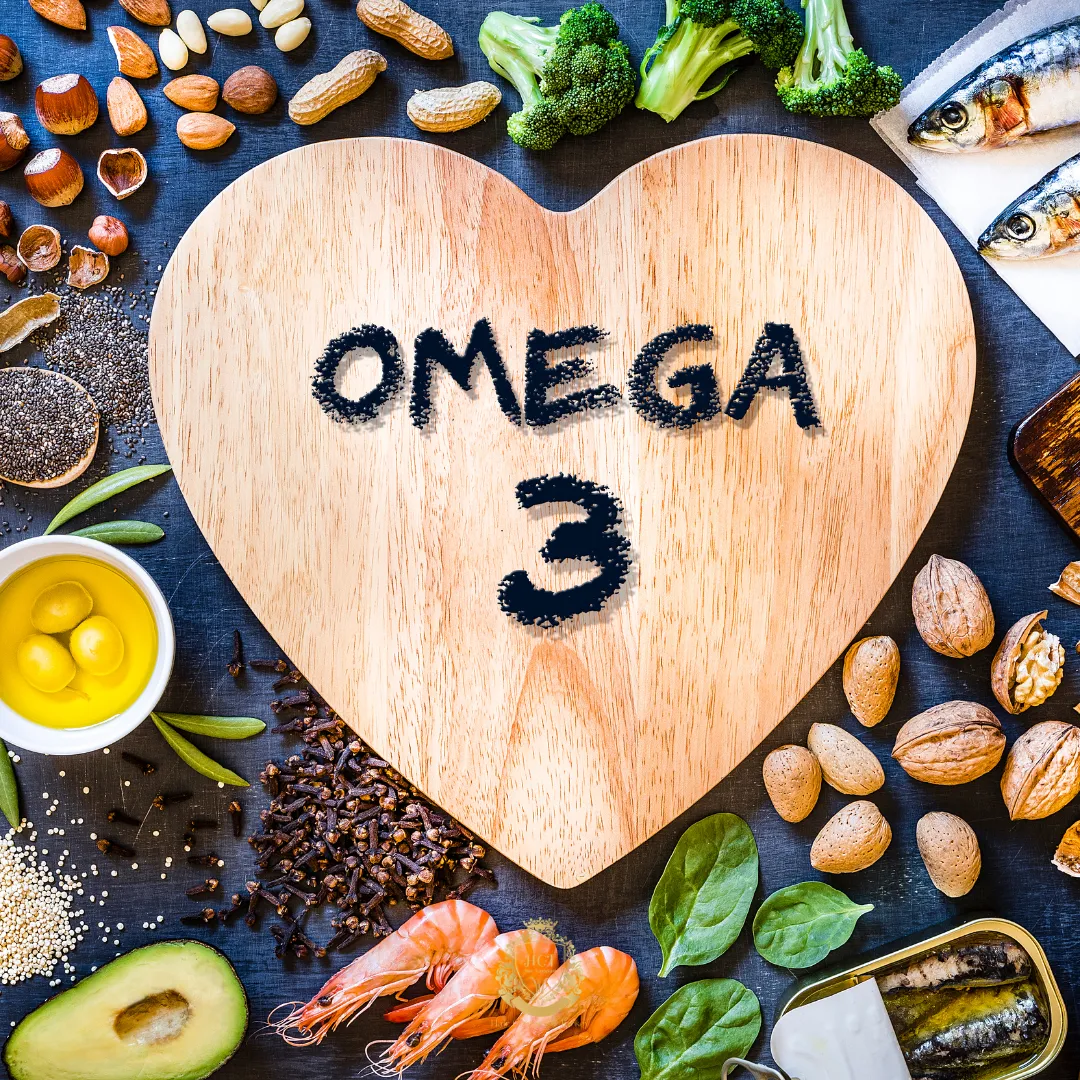
Omega-3 Benefits For Hair Growth
Omega-3 fatty acids support scalp and follicle health by helping manage inflammation and maintaining the skin’s natural barrier. They may improve hair softness and shine and can help reduce shedding when hair loss is linked to irritation, stress, or nutrient gaps. Results are gradual, so consistency with diet (or supplements when needed) matters.
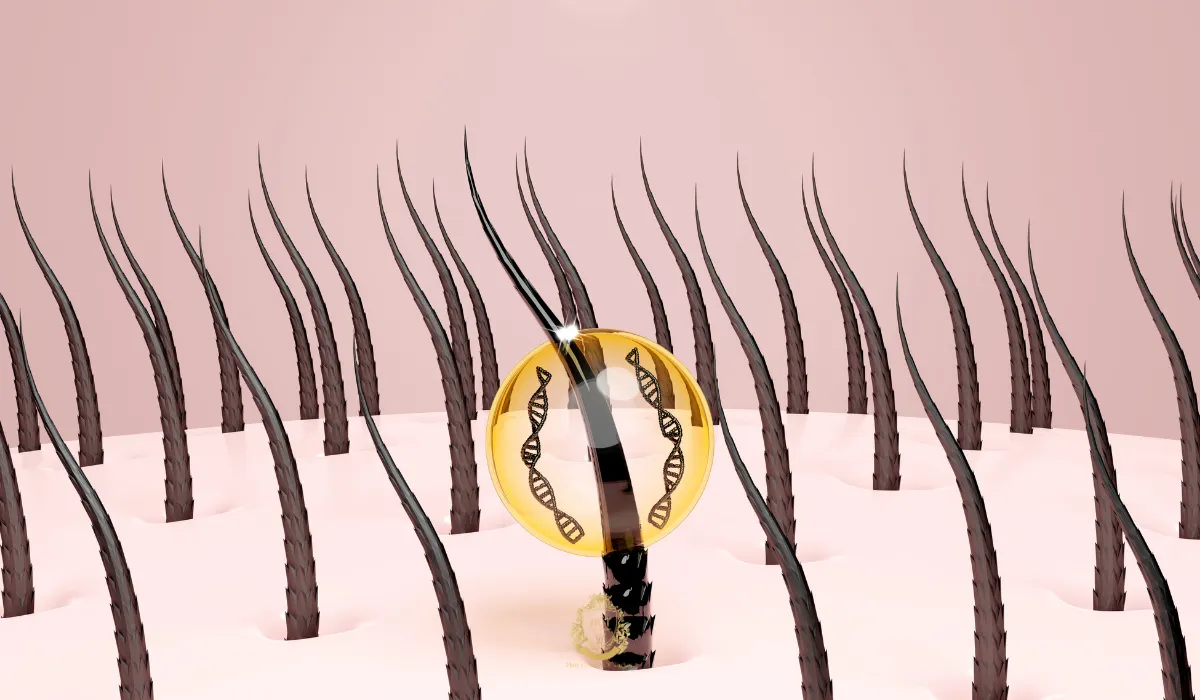
Why Omega-3 Matters For Hair And Scalp Health
Omega-3 fatty acids are essential fats your body can’t make on its own. They play a key role in skin barrier function, inflammation control, and overall cell health—factors that directly affect the scalp environment where hair grows.
Most research focuses on EPA and DHA (commonly found in oily fish) and ALA (found in plant foods). ALA can convert to EPA and DHA, but the conversion is limited for many people, so food choices (or algae-based options) can matter if you avoid fish.
How Omega-3 Can Support Hair Growth
1) Strengthens Hair Follicles
Omega-3s support healthy circulation and help deliver nutrients to the scalp. When follicles are well-nourished, hair can look stronger, shinier, and less prone to breakage.
2) Helps Calm Scalp Inflammation
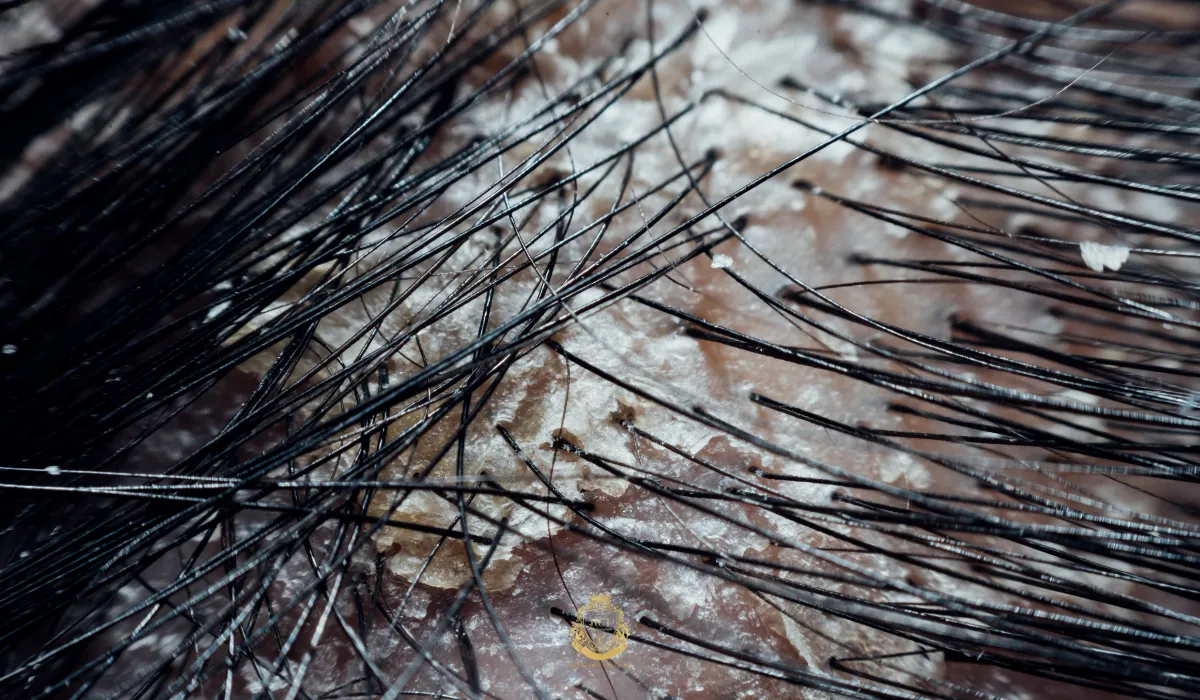
Scalp irritation and inflammation are linked to flaking, itchiness, and sometimes increased shedding. Omega-3s have anti-inflammatory properties that may help soothe the scalp and support conditions such as dandruff or seborrheic dermatitis alongside proper treatment.
3) Supports Hydration And Reduces Dryness
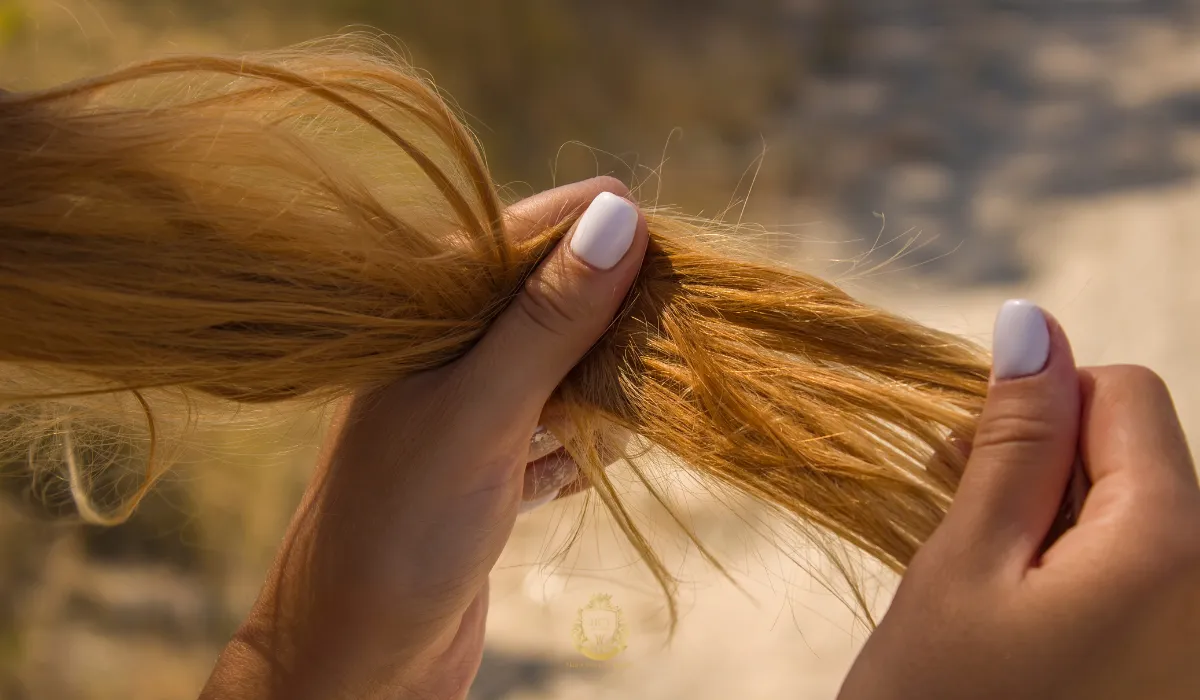
Dry, brittle strands are often a sign the scalp barrier isn’t holding moisture well. Omega-3s can support the scalp’s natural oil balance, which may improve softness, manageability, and frizz over time.
4) May Reduce Hair Shedding In Some Cases
Some people report less shedding after improving omega-3 intake, especially when hair loss is tied to stress, inflammation, or nutrient deficiencies (such as telogen effluvium). If shedding is sudden, severe, or patchy, it’s worth checking for common triggers like iron deficiency, thyroid issues, or hormonal changes.
Best Sources Of Omega-3 For Hair Growth
1) Fatty Fish
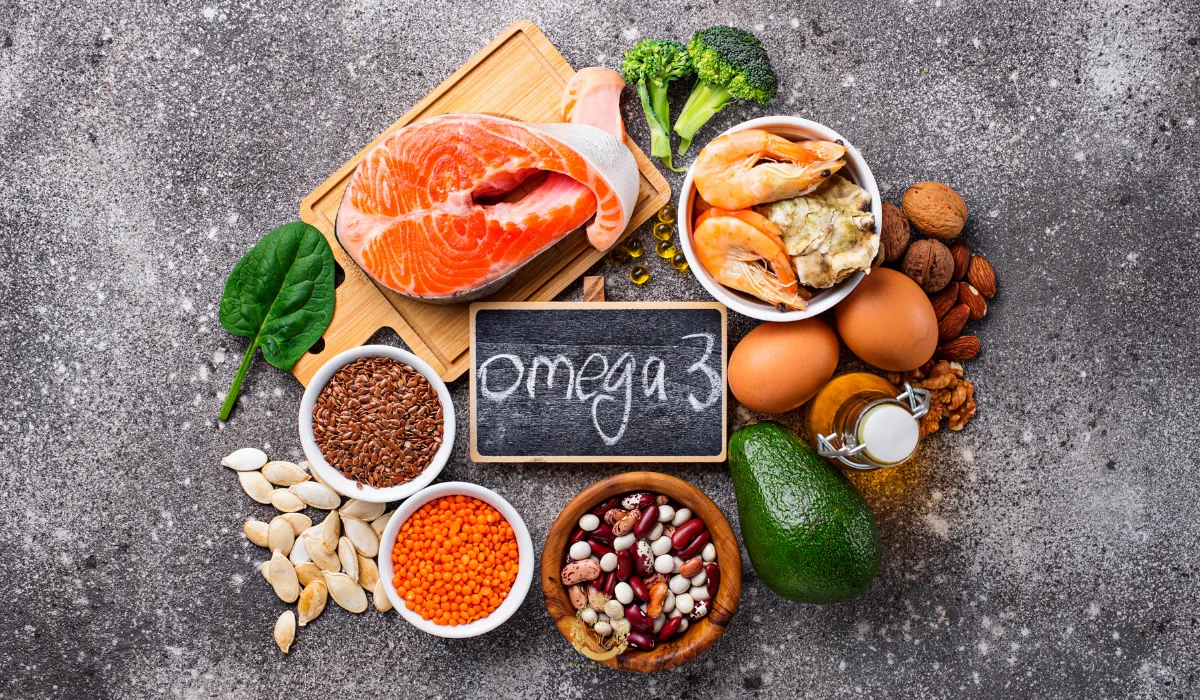
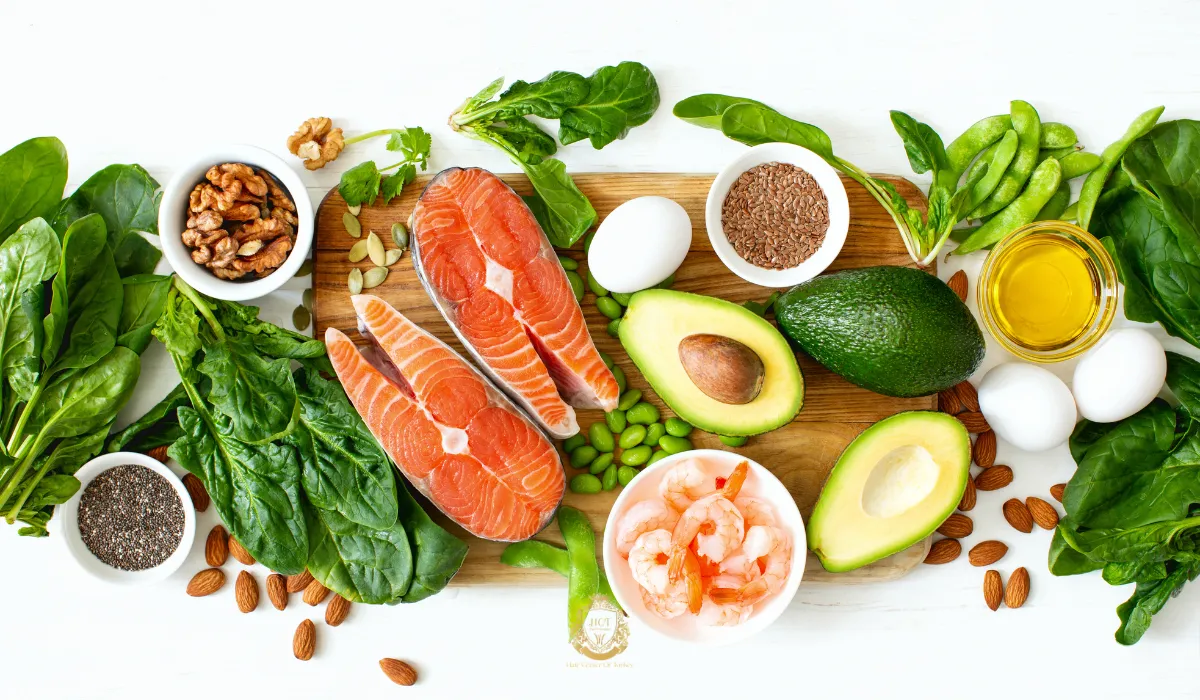
Salmon, mackerel, sardines, herring, and anchovies are rich in EPA and DHA. These forms are the most directly used by the body and are the ones most often studied for anti-inflammatory benefits.
2) Plant-Based Sources
Flaxseeds, chia seeds, walnuts, and hemp seeds provide ALA, a plant-based omega-3. Grinding flaxseed can improve absorption, and pairing these foods with an overall balanced diet helps support hair from the inside out.
3) Omega-3 Supplements
If you don’t eat omega-3-rich foods regularly, supplements can be a practical option. Fish oil typically provides EPA and DHA, while algae oil is a good alternative for vegetarians or anyone who prefers a non-fish source.
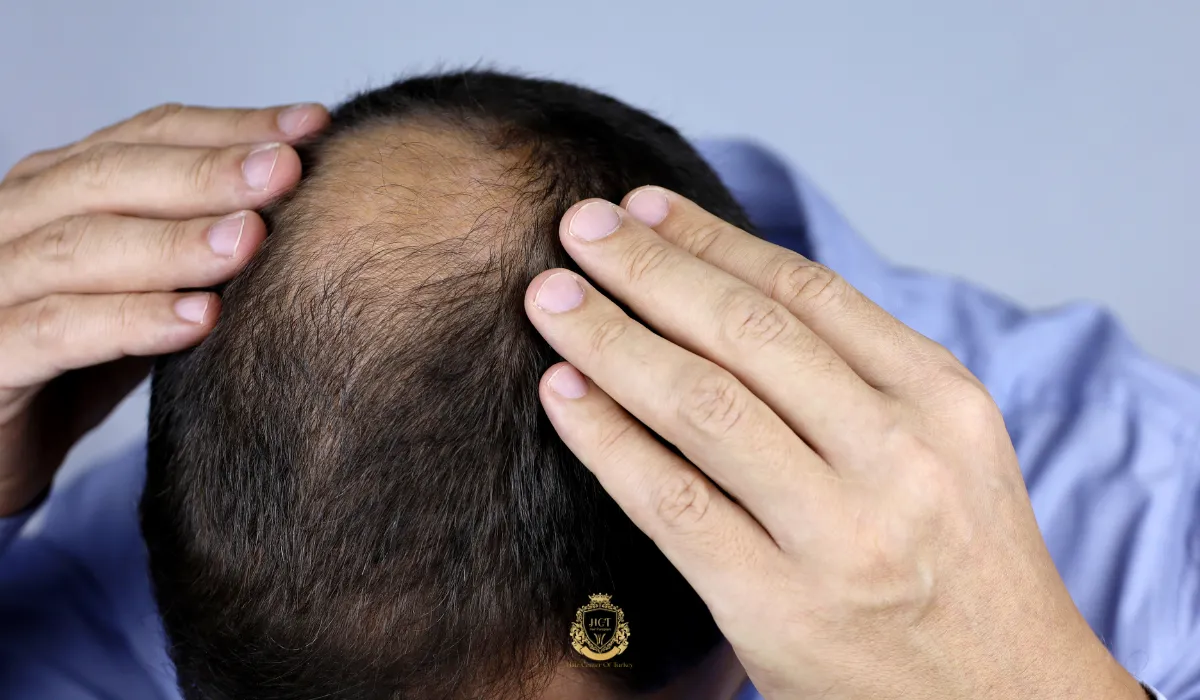
How To Use Omega-3 For Hair Growth
- Dietary intake: Aim to include omega-3-rich foods 2–3 times per week, especially oily fish if you eat it.
- Supplements: Many people use 1,000–2,000 mg of omega-3 per day, but needs vary. Check the label for EPA and DHA amounts and follow a clinician’s advice if you take medication or have a medical condition.
- Scalp massage: You can mix a few drops of omega-3 oil with coconut or olive oil and massage it into the scalp. Leave it on for up to an hour before washing, and discontinue if irritation occurs.
Potential Side Effects And Precautions
High omega-3 intake may cause digestive upset (such as nausea, reflux, or loose stools). Omega-3s can also affect blood clotting at higher doses, so speak with a healthcare professional if you take blood thinners, have a bleeding disorder, or have surgery planned.
If you have a seafood allergy, choose plant-based foods or algae oil and consult a clinician before supplementing. When in doubt, start with food sources first and build up gradually.
FAQs
How long does it take to see results?
Visible changes often take 3–6 months because hair grows slowly. Consistent intake and addressing other factors (sleep, stress, iron, thyroid health, and styling damage) usually makes the biggest difference.
Can omega-3 stop hair loss?
Omega-3 may help when shedding is related to inflammation, irritation, or nutritional gaps. It won’t reverse genetic hair loss on its own, and conditions like androgenetic alopecia often need targeted treatments.
Is omega-3 better than biotin for hair?
They work differently. Biotin supports hair structure when you’re deficient, while omega-3s support scalp health and inflammation balance. If your diet is already strong, combining them may help, but more isn’t always better—focus on the root cause of shedding.