





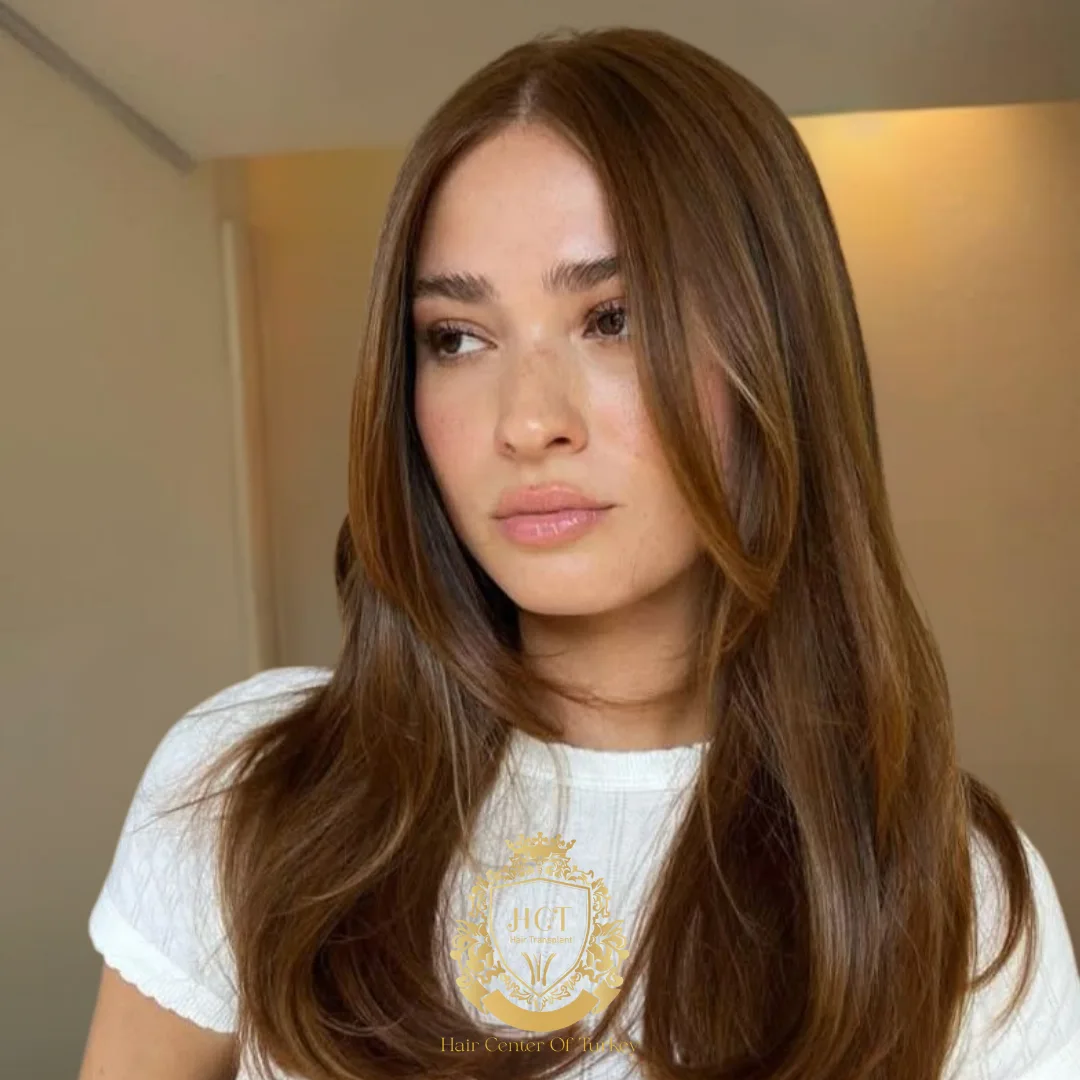
Natural-Looking Hair Dyes
Natural-looking hair dyes use plant-based extracts and mineral pigments to refresh or deepen your shade without the harshness of traditional ammonia-heavy formulas. They sit closer to the hair’s surface, so results appear softer and shinier. Choose a realistic tone, prep your hair correctly, and use color-safe care to extend wear.
Table of Contents
What Are Natural-looking Hair Dyes?
Natural-looking hair dyes are formulas designed to enhance your existing shade instead of creating a “flat,” overly saturated result. Many use botanical extracts, natural oils, and mineral pigments to deposit color more gently.
They’re often marketed as being free from harsh ingredients such as ammonia, parabens, silicones, and sulfates. Even so, “natural” can vary by brand, so it’s worth checking the ingredient list—some products include small amounts of synthetics for stability or longer wear.
How Do They Differ from Chemical Dyes?
Chemical dyes typically rely on stronger agents (like ammonia or ammonia alternatives) plus oxidizing developers to push color deeper into the hair structure. That process can deliver long-lasting change, but it may also leave hair feeling drier or more fragile—especially with frequent use.
Natural-looking dyes usually focus on softer, surface-level color deposit and conditioning support. Many include oils and plant-based complexes that help hair feel smoother during and after coloring, which can make the finished tone look more reflective and “alive.”
Who Natural-looking Hair Dye Works Best for
Natural-looking color is a good fit if you want a visible change that still reads as believable. It’s often ideal for:
- First-time dyers who want a subtle shift
- Anyone covering early grays or blending salt-and-pepper tones
- People who want shine and tone correction without a dramatic change
- Dry, frizz-prone hair that doesn’t tolerate harsh processing well
Most Popular Natural-looking Hair Dye Colors
Chestnut brown
A classic “safe” shade that tends to flatter most complexions. Look for chestnut tones with warm, light-reflecting undertones to avoid a flat brown finish.
Honey blonde
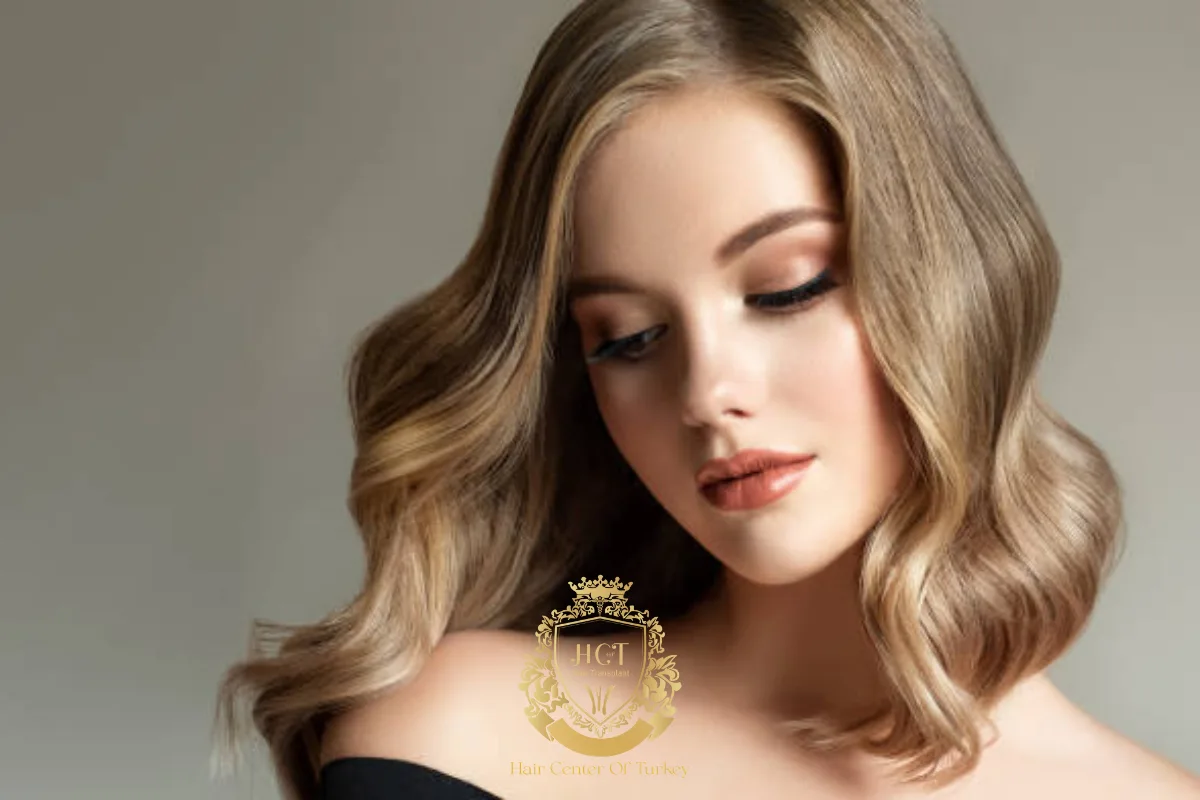
Honey tones soften facial features and add warmth. They’re often easier to maintain than icy blondes because regrowth blends more naturally.
Dark blonde
A practical option if you want a sun-kissed look without going very light. Dark blonde shades often look especially natural when they include subtle warmth.
Copper brown
Copper-brown shades add energy without feeling neon. If you’re new to warm tones, choose a copper that stays anchored in a brown base.
Dark brown and natural black
Deep shades can look rich and dimensional when they include soft undertones instead of pure, inky pigment. If your hair is naturally dark, a “natural black” or “soft black” is usually more believable than a blue-black.
Effects of Natural-looki̇ng Hai̇r Dyes on Hair Health
Many people choose these dyes because the hair often feels better after coloring, not worse. Depending on the formula, you may notice:
- Less scalp discomfort compared to harsher dye systems
- Improved softness from conditioning oils and plant extracts
- Better shine because the cuticle isn’t as roughened
- Reduced breakage over time when you avoid repeated aggressive processing
Results still depend on your hair type, the product, and how often you color. Overuse can irritate the scalp even with gentler formulas.
Things to consider before using a natural hair dye
Do a patch test
Even plant-based ingredients can trigger reactions. Test on a small area as directed on the box.
Don’t apply right after washing
Natural scalp oils can help reduce irritation. Applying a day after shampooing often feels more comfortable.
Follow timing and mixing instructions exactly
Natural-looking dyes vary widely by brand. Small changes in processing time can shift the end result.
Check the final shade in natural light
Indoor lighting can be misleading. Evaluate the tone after your hair is fully dry.
How to keep your color vibrant for longer
Natural-looking color can fade faster than permanent chemical dye, so maintenance matters. These habits help:
- Use sulfate-free, color-safe shampoo
- Wash with lukewarm water instead of hot
- Limit heat styling and always use heat protection
- Protect hair from strong sun exposure with hats or UV hair products
- Add lightweight oils (argan, almond, jojoba) to boost shine and reduce dullness
FAQs about natural-looking hair dyes
Which hair color gives a natural look?
A shade within one to two levels of your natural color looks most natural.
How to dye hair so it looks natural?
Use a demi-permanent dye close to your base and add subtle highlights.
Are there any hair dyes without chemicals?
No; all hair dyes are chemicals, but some are plant-based with fewer synthetics.
How can I cover my grey hair without chemicals?
Use pure henna and indigo powders; they can cover grey with plant pigments.
Which hair dye is 100% natural?
Pure henna powder is the closest to a 100% natural hair dye.