





Tory Lanez Hair Transplant
Tory Lanez has never released medical details confirming a hair transplant. In a 2019 interview, he said he worked with a doctor on “hair restoration” for his thinning corners and suggested it wasn’t a transplant. His more defined hairline still fuels speculation because several surgical and non-surgical options can create a similar look.
Table of Contents
Quick Background On Tory Lanez
Tory Lanez (born Daystar Shemuel Shua Peterson) is a Canadian rapper and singer known for blending R&B and hip-hop. He rose to mainstream attention in the mid-2010s and has stayed in the public eye for both music releases and personal headlines.
As of January 2026, he is incarcerated in California after being sentenced on August 8, 2023, to 10 years in prison in connection with the 2020 shooting of Megan Thee Stallion.

Did Tory Lanez Get A Hair Transplant?
There’s no verified public record showing he had hair transplant surgery, and he hasn’t shared a clinic, surgeon, or procedure details.
What he has said is more specific than most celebrity rumors. In a 2019 interview, Lanez described seeing a doctor who focuses on hair restoration for African American and Latino hair and said it was “more so natural,” while distancing himself from a traditional transplant.
That matters because “hair restoration” can mean several things: prescription hair-loss treatment, PRP injections, microneedling, scalp camouflage, styling/hair fibers, or a surgical transplant. Without clinical confirmation, the honest answer is that a transplant is possible—but not proven.

Why The Rumors Started
The discussion took off because his hairline appeared sharper and more symmetrical over time, especially around the temples. When the corners fill in, the change reads as dramatic on camera—even if overall density hasn’t changed much.
Photos and videos can also exaggerate differences. Camera angle, harsh lighting, hairline shape-ups, temporary fibers, and even a tighter haircut can make recession look better or worse in a single appearance.
The Hair Loss Pattern People Point To
Most commentary focuses on temple recession (the “corners”). This is one of the most common early signs of androgenetic alopecia, and it can create an uneven frame even when the mid-scalp still looks full.
Because the temples define the outline of the face, even modest thinning there can trigger “before and after” debates among fans.
Before And After: A Smarter Way To Compare
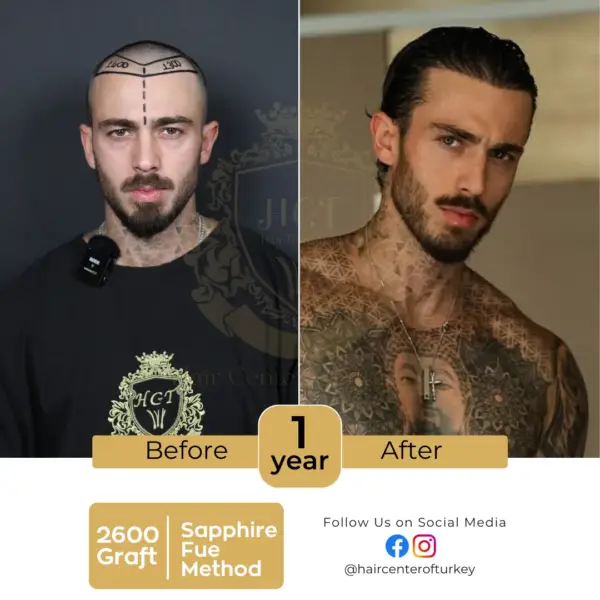
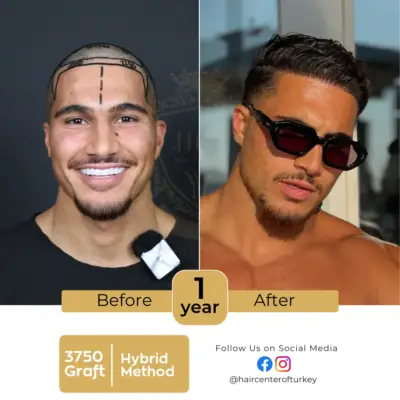
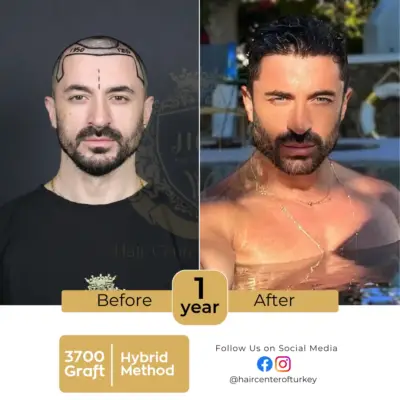
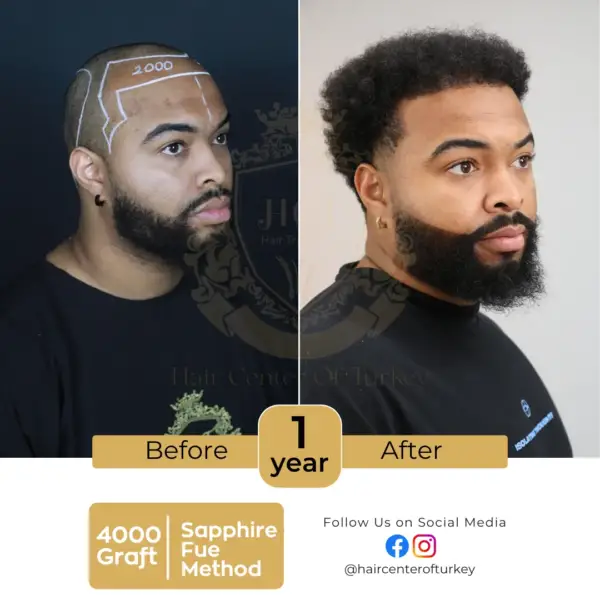
Fans often describe earlier looks as having deeper recession at the corners, then later appearances showing a tighter, more filled-in hairline.
If you’re trying to compare, use images taken years apart with similar lighting, hair length, and head angle. A crisp line-up can mimic density, while flash photography can make the scalp show through and look thinner.
If It Was A Transplant, Which Technique Fits Best?
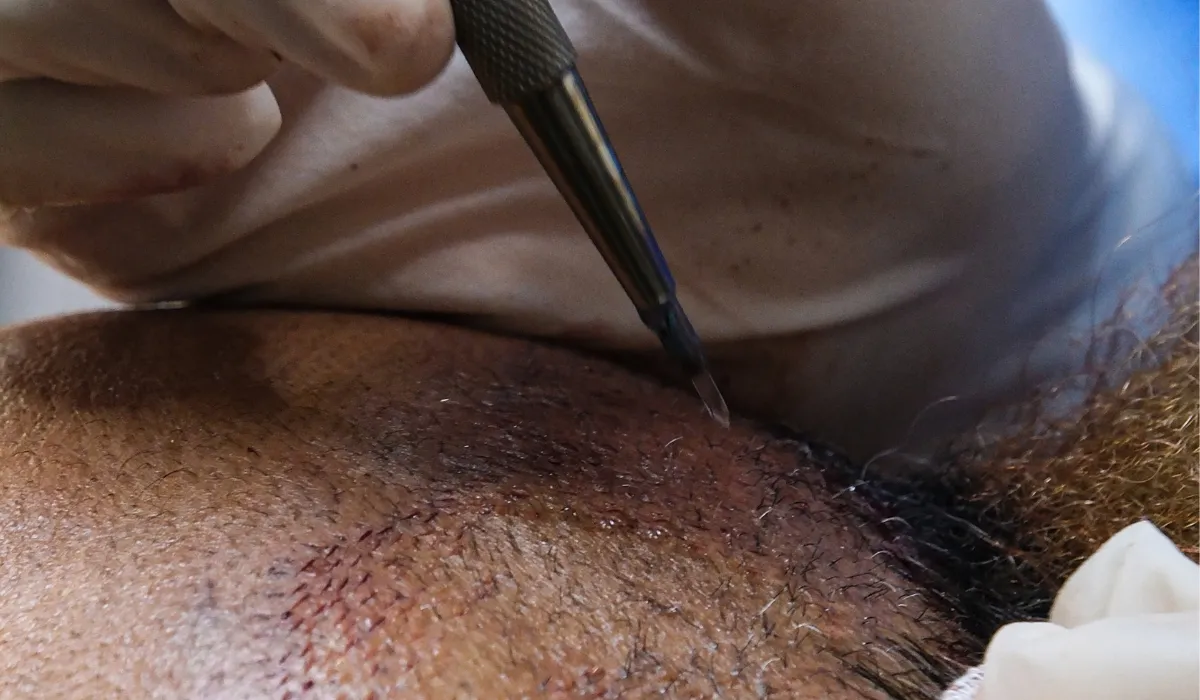
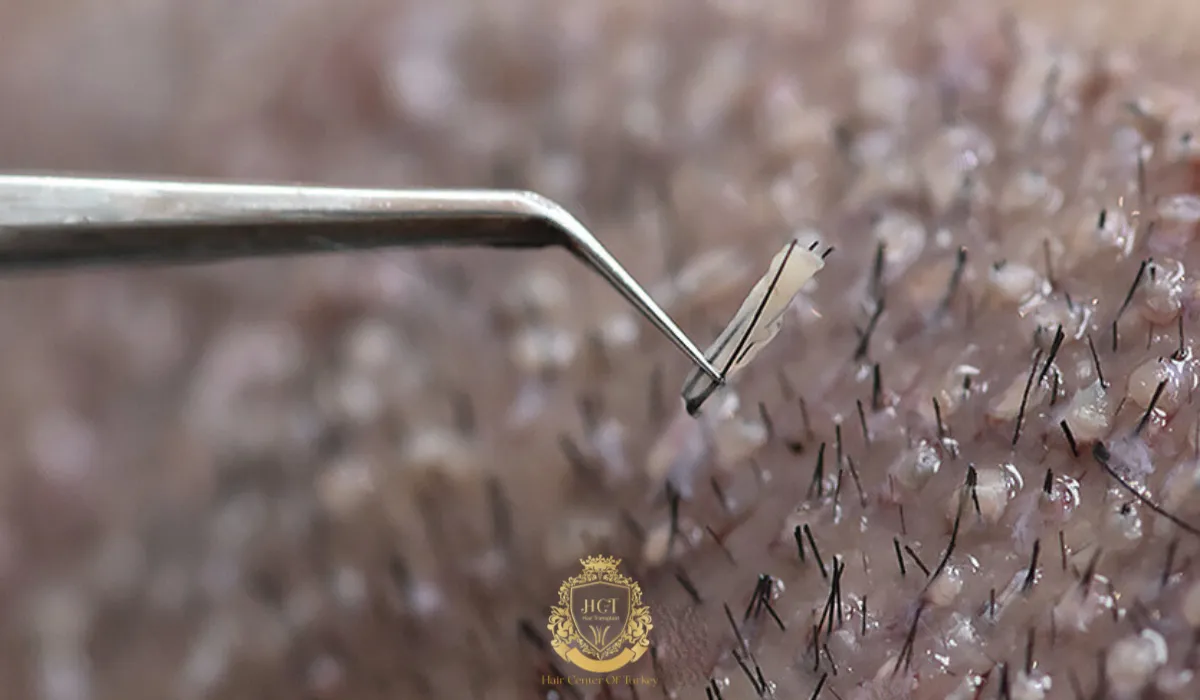
For hairline and temple work, the most common modern approach is FUE (Follicular Unit Extraction), where follicular units are removed individually and placed into the hairline for a natural pattern. FUE typically avoids the long linear scar associated with strip harvesting (FUT).
Some clinics also use DHI-style implantation (placing grafts with an implanter pen). The real driver of a natural result is the plan—hairline design, graft angle, and density—more than the marketing label on the technique.
For curly or Afro-textured hair, surgeon experience is especially important because follicles can curve under the skin, raising the risk of graft damage during extraction.
How Many Grafts Does A Hairline Restoration Usually Need?
Graft counts depend on the level of recession, hair caliber, and the density target. Mild hairline work can fall around 1,000–1,500 grafts, while deeper temple and frontal rebuilding may require more.
Online estimates about a specific celebrity are guesswork unless they come directly from the patient or provider. A reputable surgeon will base the plan on measurements, donor capacity, and a conservative long-term design.
If You’re Considering Hair Restoration
Start with a consultation that reviews your diagnosis, donor supply, and family history of hair loss. Ask to see real patient cases with a similar hair type and hairline goal—not just the clinic’s best transformations.
If medication is appropriate, discuss it early. Many surgeons recommend stabilizing loss with proven treatments (such as finasteride or minoxidil) so new thinning doesn’t outpace your transplant.
Avoid clinics that promise “guaranteed” density, rush you into a high graft count, or won’t explain who performs each step of the procedure. The safest results usually come from conservative planning, careful placement, and solid aftercare.
FAQ
How much does Mike Majlak’s hair transplant cost?
According to him, approximately €2,000 (≈$2,000); sponsorship/discounts may apply.
What happened to Mike Majlak’s hair?
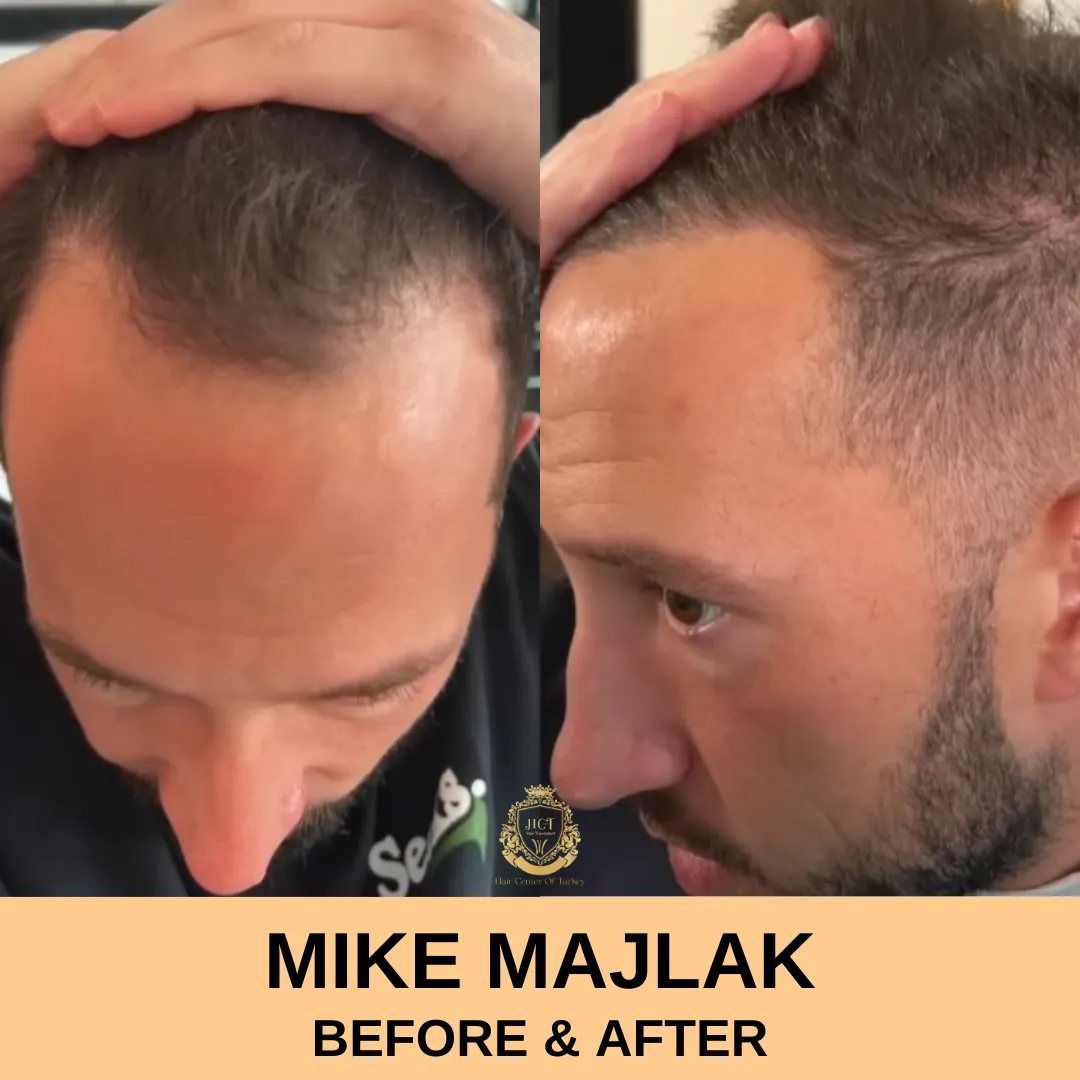
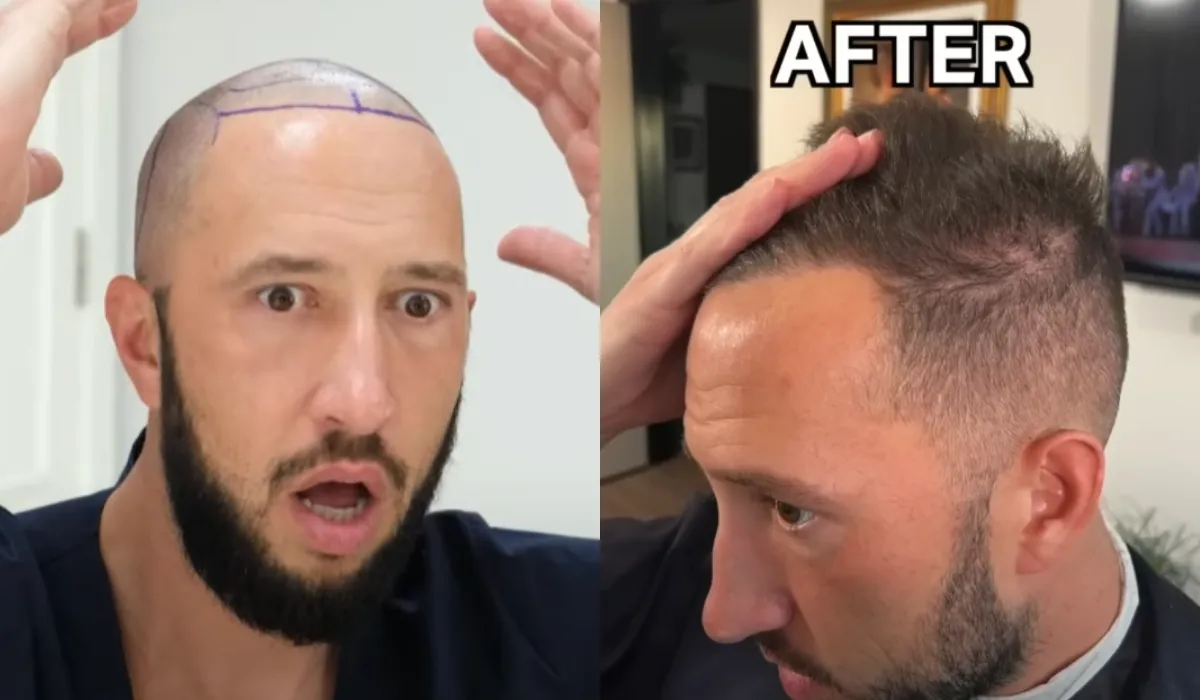
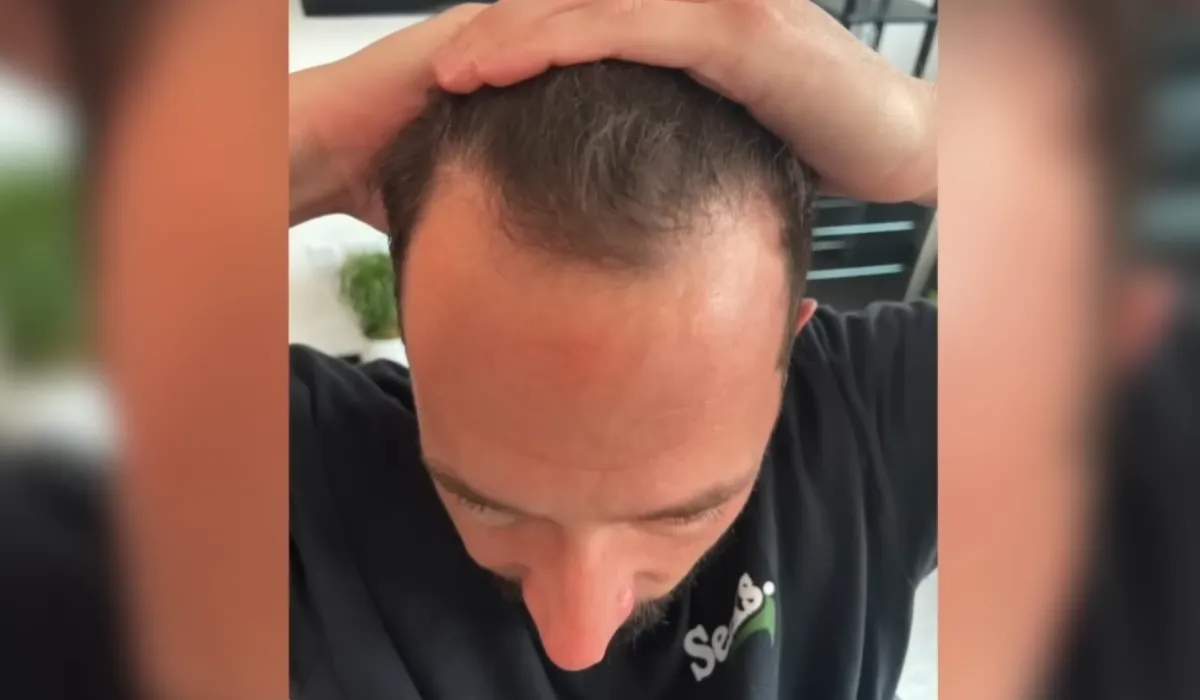
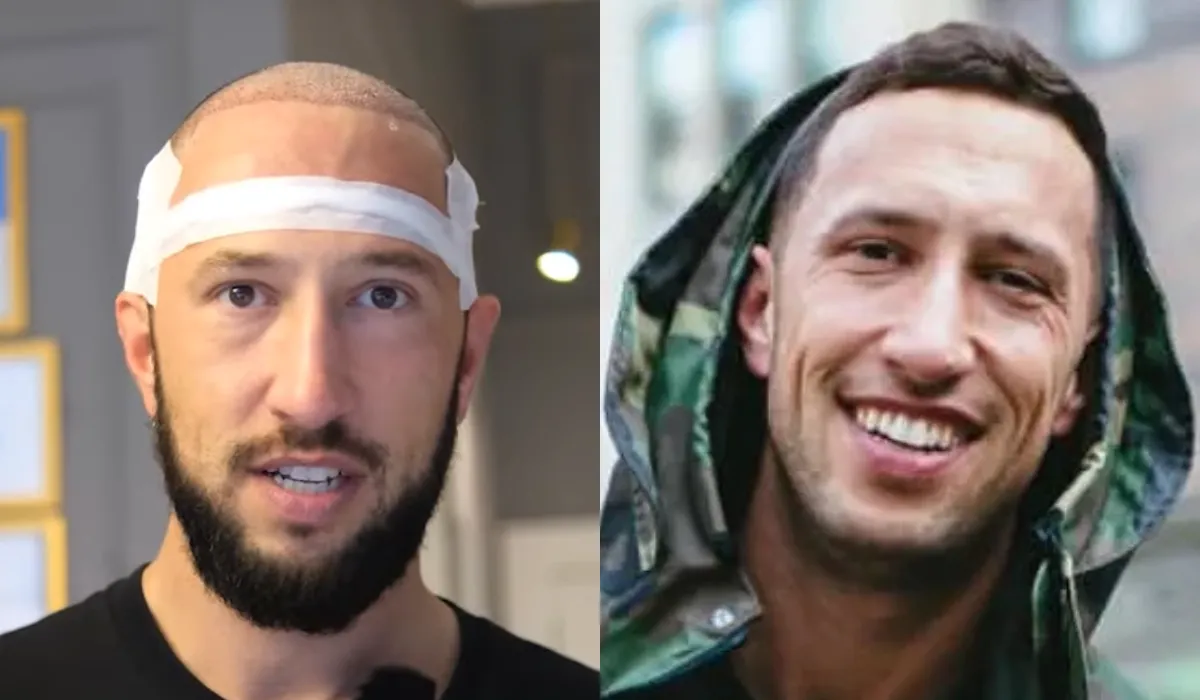
He had receding temples; he restored his hairline with Sapphire FUE at Smile Hair Clinic in Turkey.
How many hair transplants has Mike Majlak had?
There is 1 publicly confirmed hair transplant.
Who are the most famous celebrities who have had hair transplants?
Wayne Rooney, Jimmy Carr, Ben Stokes, James Nesbitt, Calum Best, Elton John, Cheyenne Jackson, Joe Swash.
How many grafts did Mike Majlak have transplanted?
4,500 grafts.