






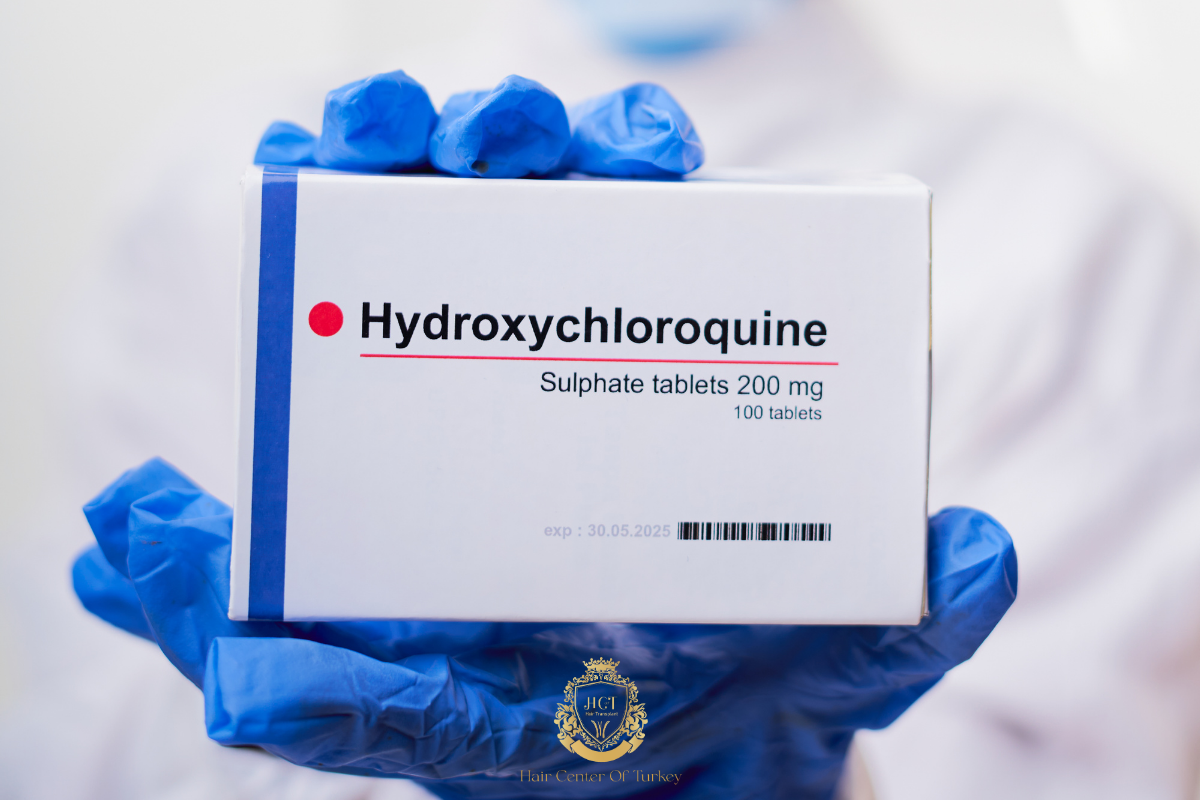
What Are The Side Effects Of Hydroxychloroquine?
Hydroxychloroquine side effects range from mild nausea, diarrhea, and headache to rare but serious problems such as retinal damage (vision changes) and heart rhythm disturbances. Risk rises with higher daily doses and long-term use. Knowing early warning signs, key drug interactions, and the right monitoring schedule helps you use the medication more safely.
Table of Contents
What Hydroxychloroquine Is Used For
Hydroxychloroquine is a prescription medicine used to treat autoimmune conditions such as rheumatoid arthritis and lupus. It can also be prescribed for malaria prevention or treatment in certain settings.
Because it affects the immune system and builds up in the body over time, side effects can appear early (within days) or later (after months or years). Your individual risk depends on dose, treatment duration, and underlying health conditions.
Common Side Effects
Most people who experience side effects notice mild, manageable symptoms—especially in the first few weeks. These often improve as the body adjusts, or after a dose change made by a clinician.
Common side effects may include nausea, stomach pain or cramps, vomiting, diarrhea, reduced appetite, headache, and dizziness. Some people also notice mild skin rash or itching.
Tips For Managing Mild Symptoms
Taking hydroxychloroquine with food can reduce stomach upset. If nausea or diarrhea is persistent, speak with your prescriber rather than stopping the medication on your own.
If you develop a mild rash, avoid new skincare products or fragrances while you monitor symptoms. Any rash that spreads quickly, blisters, or involves the mouth or eyes needs urgent medical advice.
Less Common Side Effects You May Notice
Some side effects are less common but still worth recognizing. They include sleep disturbance, vivid dreams, mood changes such as irritability or anxiety, ringing in the ears, and increased sensitivity to sunlight.
Hair and skin changes can happen in some patients, including temporary hair thinning, hair color changes, or hyperpigmentation (darkening) of the skin. These changes are not dangerous for most people, but they should be discussed during follow-up—especially if they worsen.
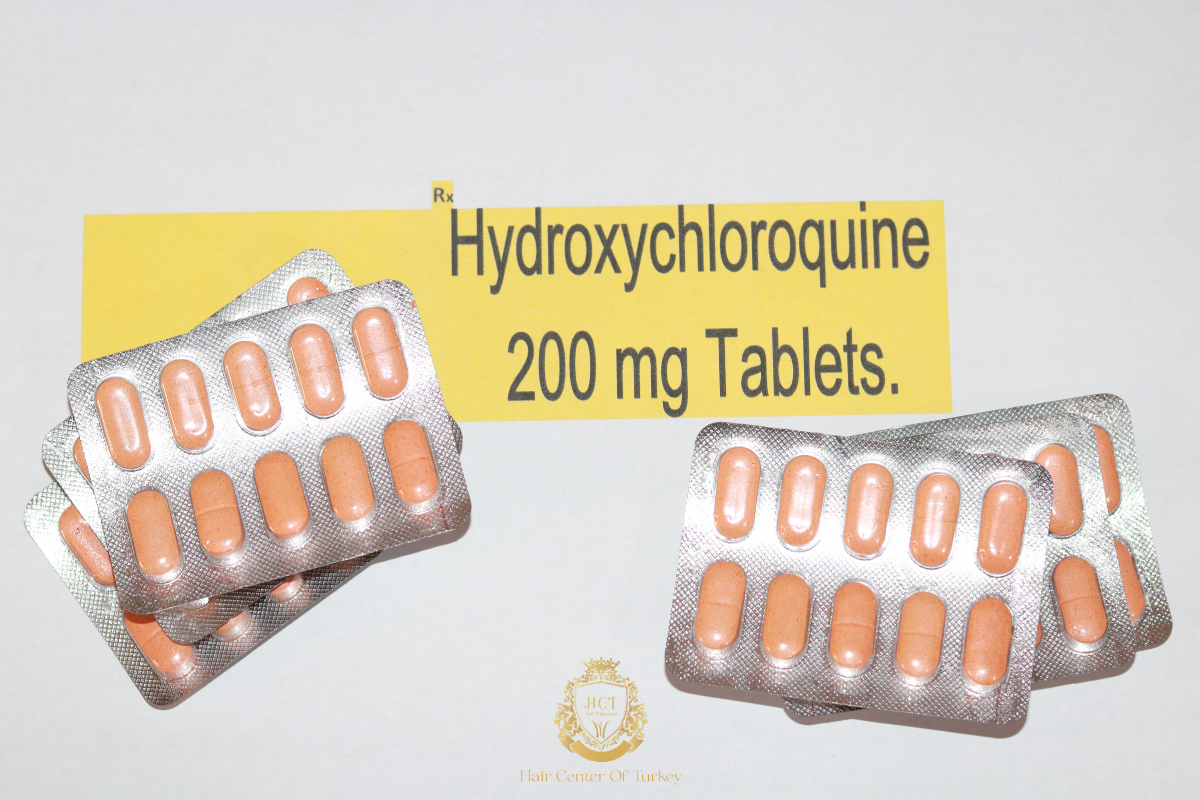
Serious Side Effects That Need Medical Attention
Serious side effects are uncommon, but they matter because they can lead to lasting harm if they are missed. Contact a clinician promptly if you develop new symptoms that feel severe, unusual, or progressive.
Vision Or Eye Problems
Hydroxychloroquine can cause retinal toxicity (damage to the retina). Early symptoms may include blurred vision, difficulty reading, trouble adapting to darkness, or changes in color vision.
Retinal damage can be irreversible, which is why eye monitoring is recommended—particularly for long-term users or anyone at higher risk.
Heart Rhythm Changes And Cardiomyopathy
Hydroxychloroquine can affect the heart’s electrical system and may prolong the QT interval. In rare cases, it has been linked with serious rhythm problems and cardiomyopathy (weakening of the heart muscle).
Seek urgent care if you experience fainting, severe dizziness, chest pain, shortness of breath, or a fast or irregular heartbeat.
Severe Skin Reactions
Rare but severe skin reactions have been reported. Warning signs include blistering rash, peeling skin, painful sores in the mouth, eye irritation, facial swelling, or rash with fever.
If any of these occur, stop taking the medication only if a clinician instructs you to do so, and seek urgent medical evaluation.
Low Blood Sugar
Hydroxychloroquine can lower blood sugar and may cause hypoglycemia, especially in people using insulin or diabetes medications.
Symptoms can include sweating, shakiness, weakness, confusion, blurred vision, or fainting. If you have diabetes, ask your clinician whether you need closer glucose monitoring when starting treatment.
Mood Or Neuropsychiatric Symptoms
Mood changes can occur, and rare reports include agitation, hallucinations, or suicidal thoughts. This risk may be higher in people with a history of psychiatric illness, but it can occur without prior symptoms.
If you notice new or worsening depression, severe anxiety, panic, confusion, or thoughts of self-harm, contact a healthcare professional immediately.
Muscle Weakness Or Nerve Symptoms
With long-term use, hydroxychloroquine has been associated with muscle weakness (myopathy) and nerve-related symptoms (neuropathy).
Report persistent weakness, trouble climbing stairs, frequent falls, numbness, or tingling—especially if symptoms slowly progress over time.
Blood And Liver Problems
Rarely, hydroxychloroquine has been linked with blood disorders (such as low white blood cells or platelets) and liver injury.
Get medical advice if you develop unusual bruising, frequent infections, extreme fatigue, yellowing of the skin or eyes, or dark urine.
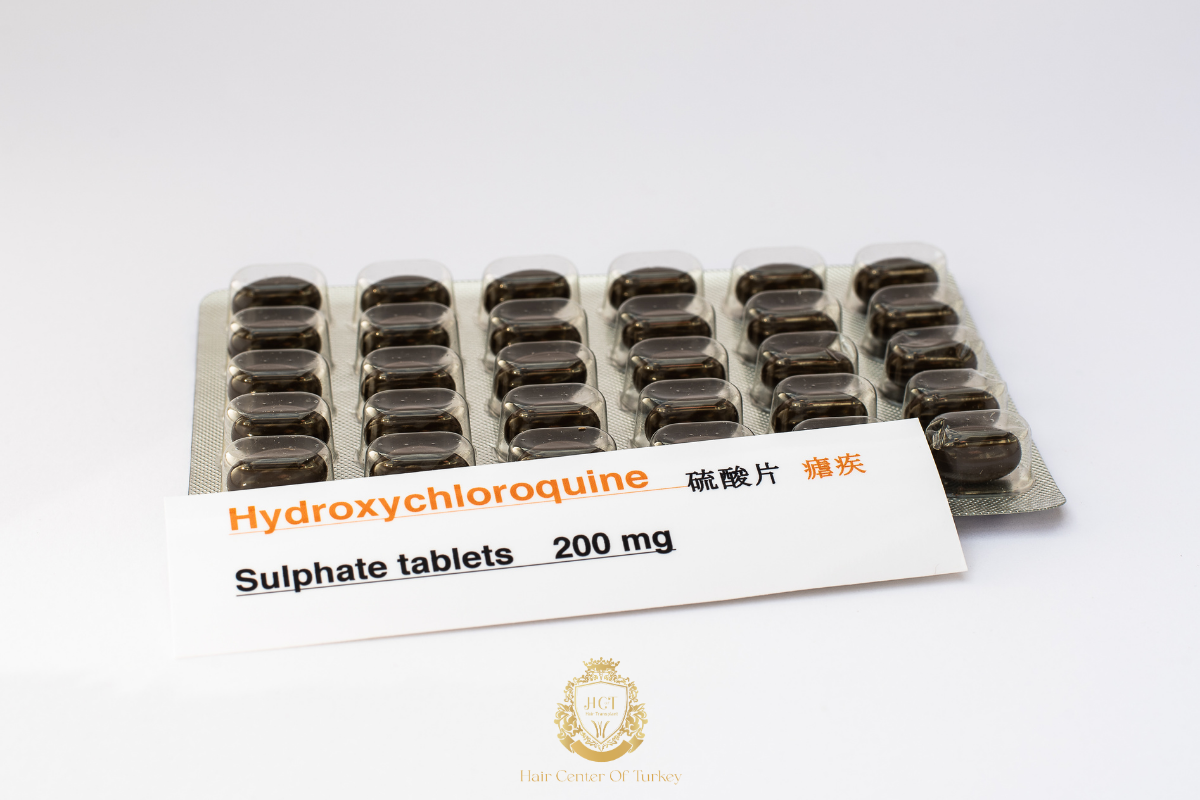
Long-Term Risks And Monitoring
Hydroxychloroquine is often prescribed as a long-term medicine for autoimmune disease control. Long-term use increases the importance of routine monitoring rather than relying only on symptoms.
Many clinicians recommend a baseline eye exam within the first year of starting therapy. For people at standard risk, annual screening is commonly introduced after several years of use, while higher-risk patients may need earlier and more frequent follow-up.
Risk for retinal toxicity rises with higher daily doses, longer treatment duration, kidney impairment, and certain co-medications. Keeping the daily dose aligned with current clinical guidance is an important part of risk reduction.
Who Should Use Hydroxychloroquine With Extra Caution
Hydroxychloroquine is not suitable for everyone. Make sure your prescriber knows if you have heart disease, a history of arrhythmia, low potassium or magnesium, kidney or liver disease, or pre-existing retinal or macular disease.
People with psoriasis or porphyria may experience worsening symptoms. Those with G6PD deficiency may be at increased risk for hemolysis, and children are especially vulnerable to toxic overdose if tablets are taken accidentally.
If you are pregnant, trying to conceive, or breastfeeding, discuss risks and benefits with your treating physician. The safest plan depends on the condition being treated and your individual medical history.
Drug Interactions To Know About
Hydroxychloroquine can interact with several medications. The most important category involves drugs that may also prolong the QT interval, which can increase the risk of dangerous rhythm problems.
Tell your prescriber about all prescriptions, over-the-counter medicines, and supplements you use. Do not add new medications—especially antibiotics or antidepressants—without checking for interactions.
Examples Of Interactions Clinicians Often Check
QT‑prolonging drugs: certain antiarrhythmics, antipsychotics, some antidepressants, and macrolide antibiotics (such as azithromycin or clarithromycin).
Diabetes medicines: hydroxychloroquine may enhance insulin or other antidiabetic drugs and increase hypoglycemia risk.
Digoxin and cyclosporine: hydroxychloroquine can raise blood levels, so monitoring may be needed.
Antacids/kaolin: these may reduce absorption; spacing doses apart can help. Rifampicin and cimetidine may also affect how the drug works in the body.
When To Call Your Doctor
Call your doctor promptly if side effects are persistent, worsening, or interfering with daily life. Early adjustments can often prevent bigger problems.
Seek urgent medical care for vision changes, chest pain, fainting, severe dizziness, a rapidly spreading or blistering rash, swelling of the face or throat, severe weakness, or signs of very low blood sugar.
Frequently Asked Questions
Can hydroxychloroquine cause muscle problems?
Yes; it can cause myopathy with weakness, usually reversible after stopping.
What damage does hydroxychloroquine do to your eyes?
It can cause irreversible retinal toxicity (maculopathy), leading to blurred vision and blind spots.
What are the risks of long-term use of hydroxychloroquine?
Risks include retinal toxicity, cardiomyopathy/QT prolongation, hypoglycemia, and myopathy or neuropathy.
Is eye damage from Plaquenil reversible?
Usually no; Plaquenil retinal damage is typically permanent and may worsen after stopping.
Does hydroxychloroquine affect the heart?
Yes; it can prolong QT and rarely cause cardiomyopathy or dangerous arrhythmias.