





Keiran Lee Hair Transplant: What We Know and What It Means for Confidence
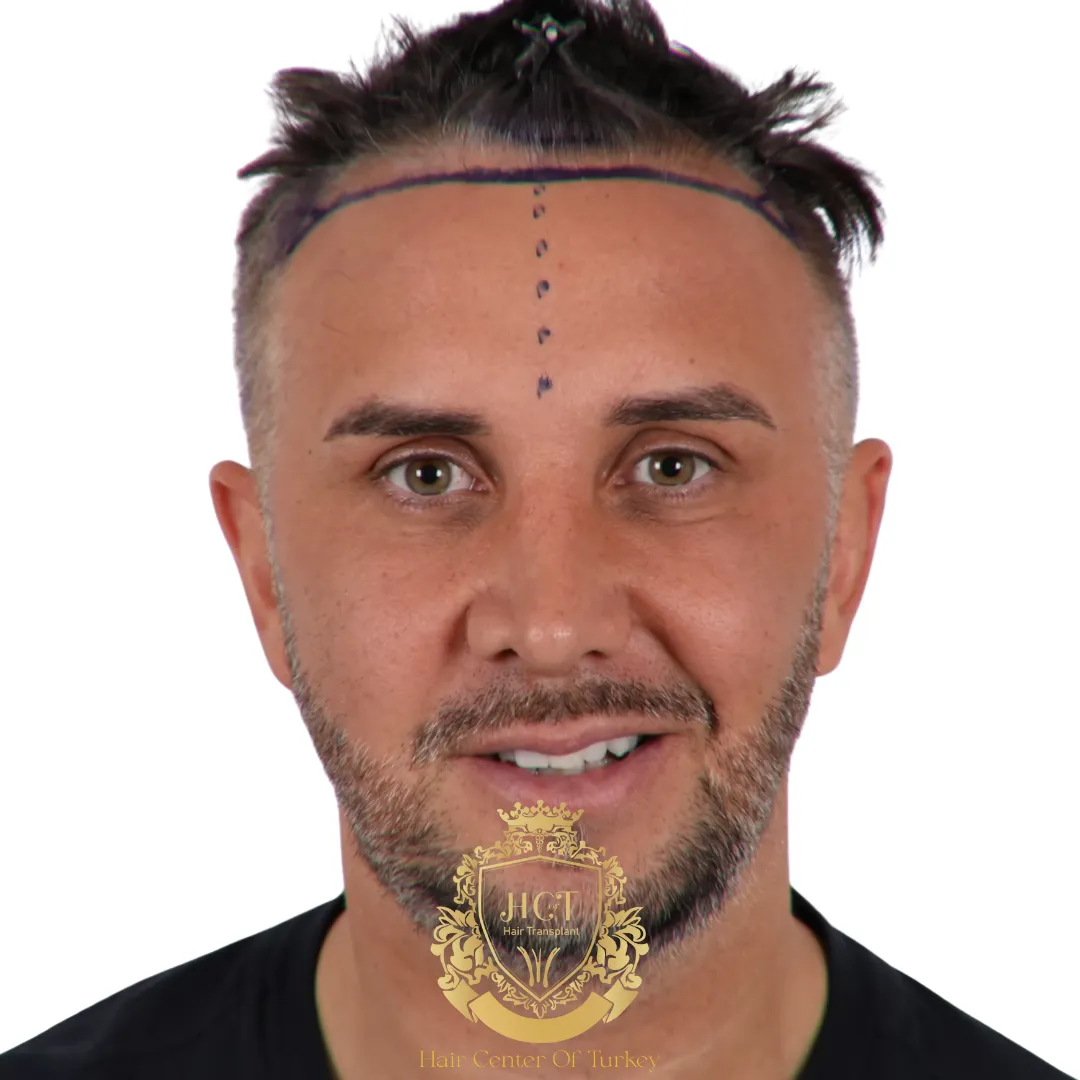
Keiran Lee has sparked online discussion after noticeable changes to his hairline in recent photos. While he hasn’t publicly confirmed a procedure, the shift is consistent with modern hairline restoration methods such as FUE. If you’re considering a transplant, the real takeaway is choosing a medically led plan, realistic density goals, and a clinic that prioritizes natural results.

Table of Contents
Why people are talking about Keiran Lee’s hair
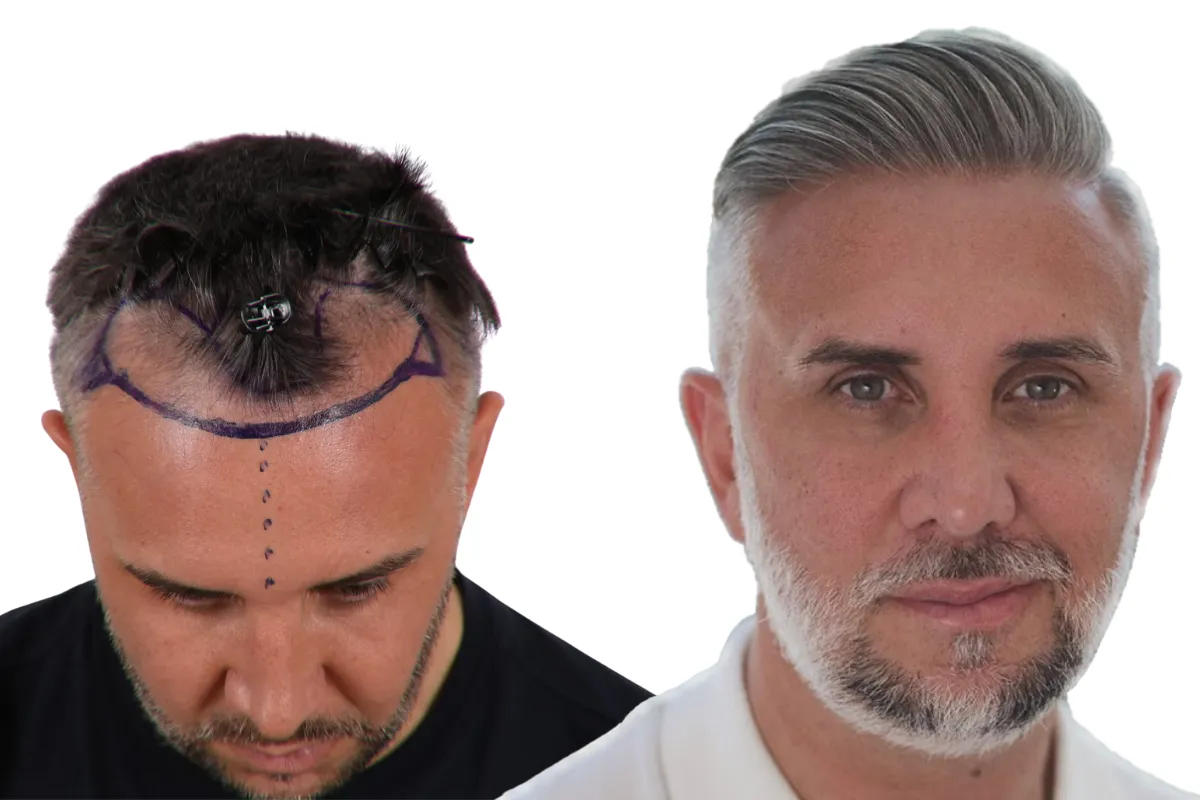
Keiran Lee is a public figure, so small changes in appearance tend to get noticed fast. Fans have shared side-by-side images that appear to show a fuller, more defined hairline than in earlier years. Online comparisons can’t confirm medical facts, but they do highlight how visible hair restoration results can be when done well.
Why someone might choose a hair transplant
Hair loss often creeps in gradually, then suddenly feels “obvious” in photos, harsh lighting, or on camera. For many men, thinning at the temples or a receding hairline affects confidence more than they expect. A transplant can make sense when medical treatments haven’t delivered the density or hairline shape a person wants, or when they prefer a long-term surgical option.
What type of hair transplant he likely had
Keiran Lee has not released official procedure details. That said, the most common technique used for natural hairline work today is FUE (Follicular Unit Extraction), where individual grafts are harvested from the donor area and placed into thinning zones. FUE is popular for its discreet healing and lack of a long linear scar, which can suit people who keep their hair short.
What results typically look like
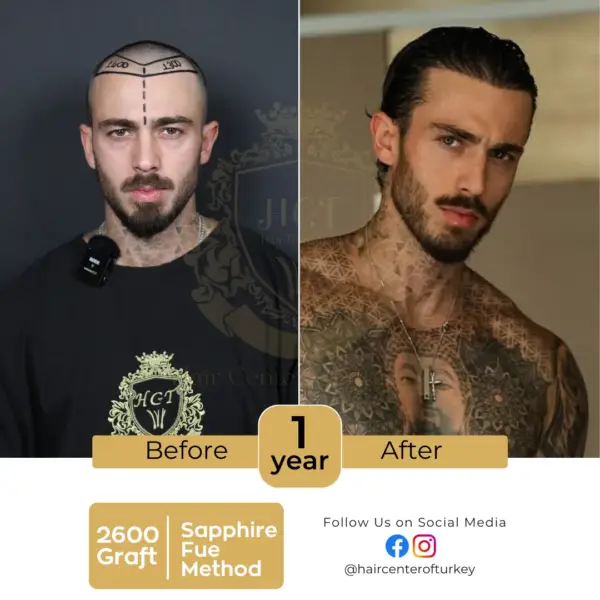
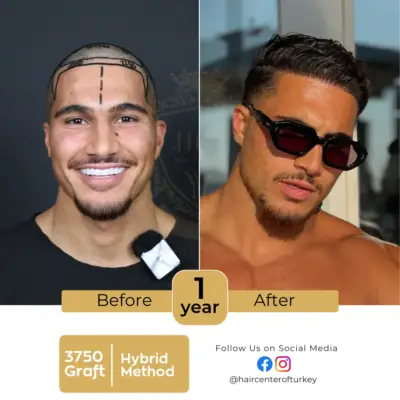
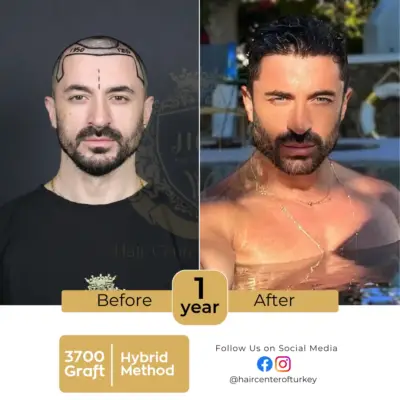
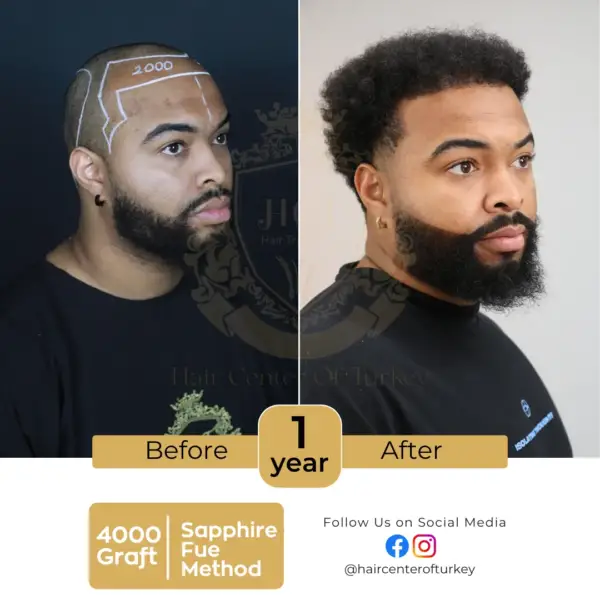
Natural-looking outcomes come from design, not just graft numbers. A skilled team plans hairline angles, density distribution, and temple transitions so the result matches the patient’s face and age. Early improvements can show as swelling settles, then new growth generally becomes noticeable around months 3–6, with maturation continuing up to 12 months.

Hair transplants and masculinity
More men are treating hair restoration like any other confidence-driven decision: personal, practical, and private if they want it to be. For some, hair loss is tied to identity, aging, and self-esteem, so addressing it can feel like taking control again. The stigma has eased as techniques have improved and results look less “obvious” than in past decades.
Key lessons you can take from this story
Don’t base your decision on celebrity photos alone—focus on your own pattern of hair loss and donor capacity. Ask for a clear plan: hairline design, graft estimate, medical oversight, and what “natural density” means for your case. Most disappointment comes from unrealistic expectations, rushed planning, or clinics that treat patients like a number.
Choosing a clinic for a natural, safe outcome
A trustworthy clinic will evaluate donor area quality, explain whether you’re a good candidate, and set realistic density targets. Look for a medically led process, hygienic facilities, and a team that shares consistent, unedited before-and-after cases. At Hair Center of Turkey, patients typically expect a boutique, VIP-style experience with a personalized plan—without overpromising or pushing one-size-fits-all packages.
FAQs about Keiran Lee’s hair transplant
How much does a hair transplant cost in Turkey?
Most packages cost €1,100–€6,000, depending on grafts and clinic.
How much does a hair transplant cost?
Typical costs run $4,000–$15,000, driven by graft count and surgeon involvement.
Is 1 graft equal to 1 hair?
No, one graft contains 1–4 hairs.
How many grafts do I need for a hair transplant?
Common ranges are 1,500–3,000 grafts for hairline work and mild-to-moderate loss.
How long does it take to see results after a hair transplant?
New growth appears around 3–4 months; final density shows around 12 months.
Is a hair transplant permanent?
Yes, transplanted follicles usually last; untreated native hair can keep thinning.
Is getting a hair transplant in Turkey safe?
Yes, safety is high with licensed surgeons, sterile facilities, and structured aftercare.
Where do celebrities get hair transplants?
Celebrities choose discreet, high-volume clinics in the UK, US, Turkey, and Spain.