

Joe Buck Hair Transplant
Joe Buck has said he underwent multiple hair restoration procedures and later linked his 2011 vocal cord problem to nerve damage during one of those surgeries. His story is a reminder that results vary, technique and medical setting matter, and complications—though uncommon—can happen. If you’re considering a transplant, focus on safety, planning, and realistic expectations.
Who Is Joe Buck?
Joe Buck is an American sportscaster best known for national NFL and MLB broadcasts. Over the years, viewers also noticed changes in his hairline—something Buck eventually addressed in interviews and in his memoir.

Did Joe Buck Get A Hair Transplant?
Yes. Buck has spoken publicly about having hair restoration procedures. In media coverage around his memoir, he described undergoing multiple “hair plug” or hair restoration sessions over time and discussed why he kept going back for more.

What Complication Did He Report?
The detail that stands out in Buck’s story isn’t just the number of procedures—it’s the complication he connected to one of them. Buck has said that the vocal cord issue he battled in 2011 was tied to nerve damage during a hair restoration surgery.
In earlier public statements, Buck attributed the vocal cord problem to a virus. Later, he explained that the “virus” explanation wasn’t accurate and that a medical issue during the procedure was the more likely cause, based on what doctors told him afterward.
What Kind Of Hair Restoration Was Common When Buck Started?
Buck’s early procedures took place in an era when hair restoration looked different from what most clinics offer today. During the 1990s and early 2000s, many patients pursued strip-based surgery (often called FUT) or older “plug” approaches that used larger graft groupings than modern micrografts.
Modern techniques usually aim for smaller grafts, more natural hairline design, and reduced visible scarring. That shift matters when you compare “then vs. now” photos or read about older celebrity procedures.
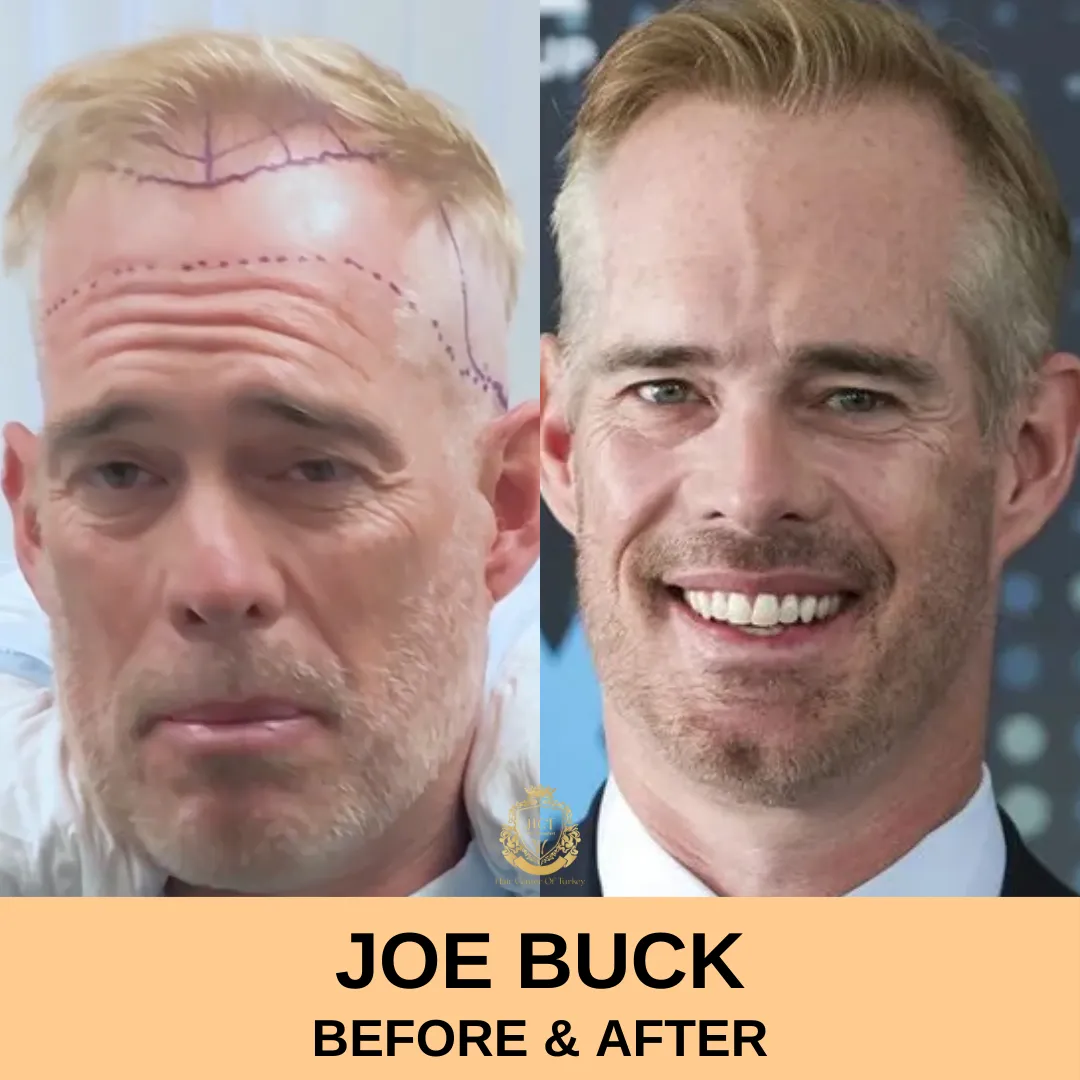
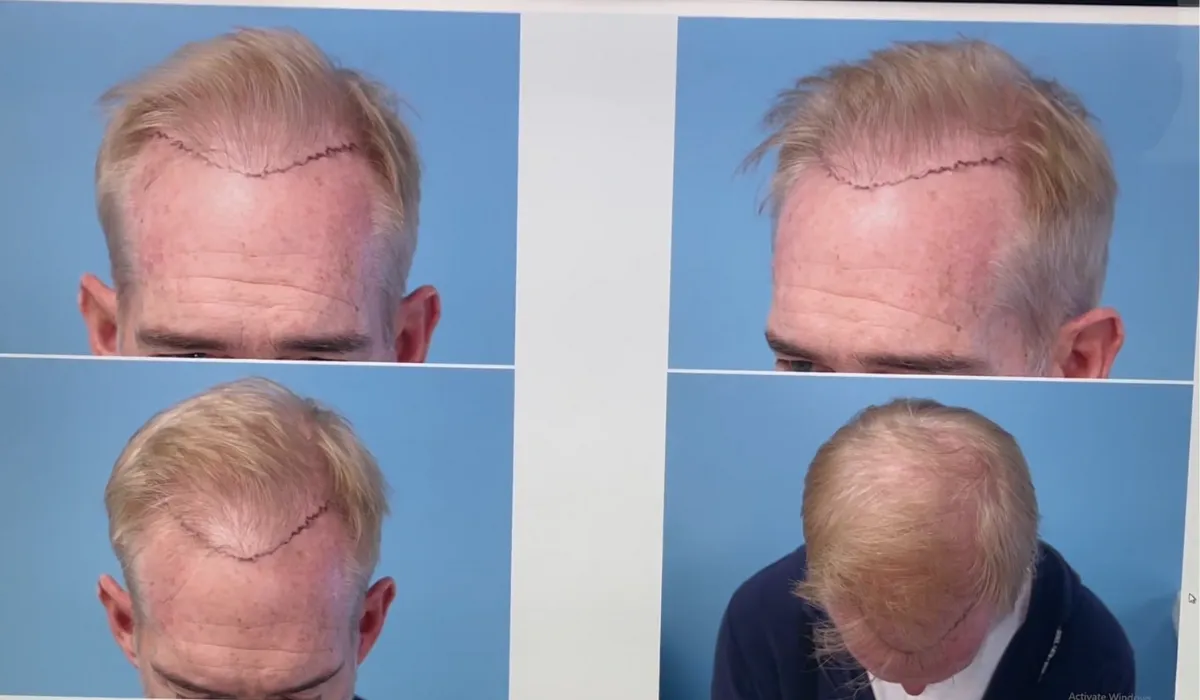
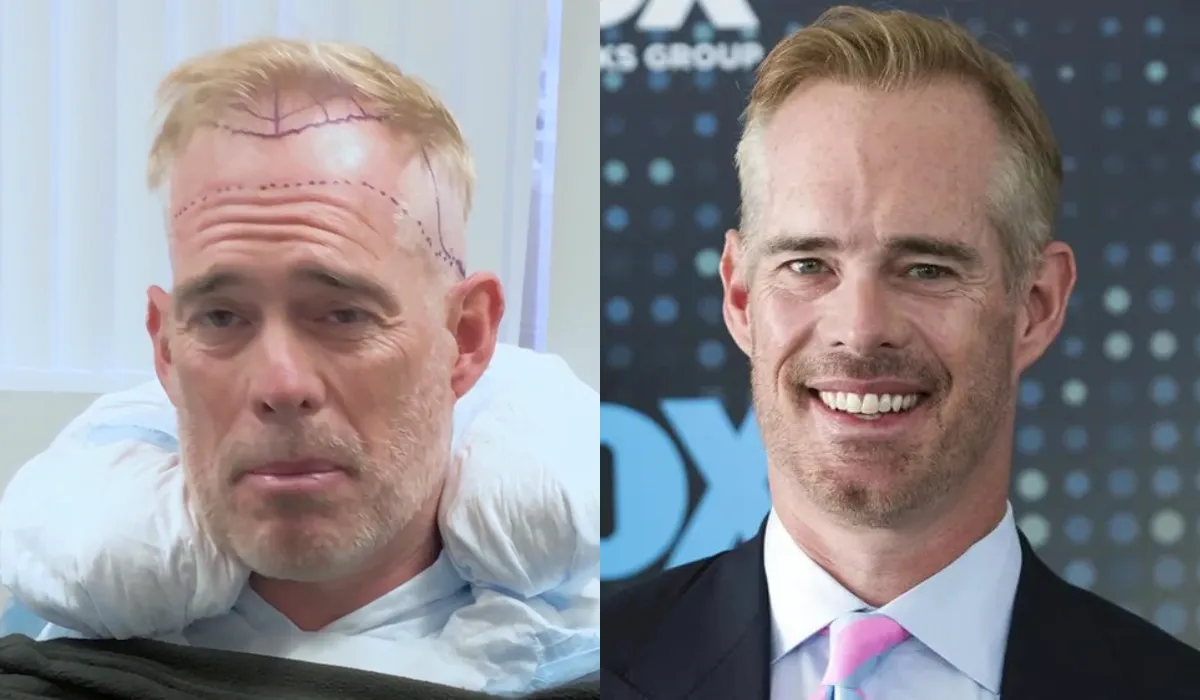
Joe Buck Before And After: What People Notice
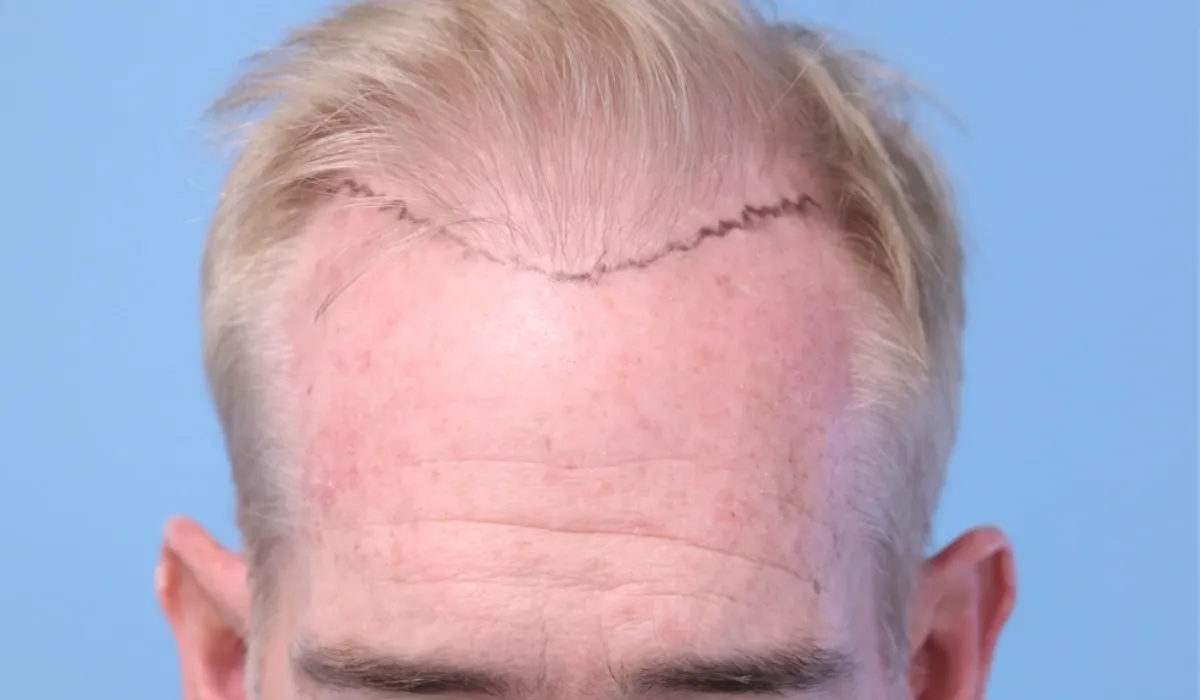
Photos from different points in Buck’s broadcasting career suggest the kind of change many patients hope for: stronger frontal framing, a more defined hairline, and improved density on camera.
At the same time, before-and-after images rarely tell the whole story. Styling, lighting, and hair length can make results look dramatically different. The most reliable way to judge outcomes is a standardized photo set taken under the same conditions over time.
Key Takeaways From Joe Buck’s Experience
1) Safety And Medical Oversight Come First
Buck’s vocal cord issue is a reminder that any procedure involving anesthesia and airway management deserves serious attention. Even when the surgical focus is cosmetic, patients should know who is responsible for anesthesia, how monitoring is handled, and what safeguards are in place.

2) Technique Should Fit Your Hair Loss Pattern
A transplant isn’t a single decision—it’s a long-term plan. The right approach depends on your donor area, the pattern of thinning, your age, and how likely further loss is. A conservative hairline and a staged plan often age better than an aggressive “dense hairline” attempt.
3) “More Procedures” Isn’t Always “Better Results”
Buck described returning for multiple sessions. In real-world practice, repeat procedures can make sense, but they also use more donor hair and may increase the complexity of future work. A careful graft budget and a realistic density goal help protect long-term options.
Hair Transplant Options Today
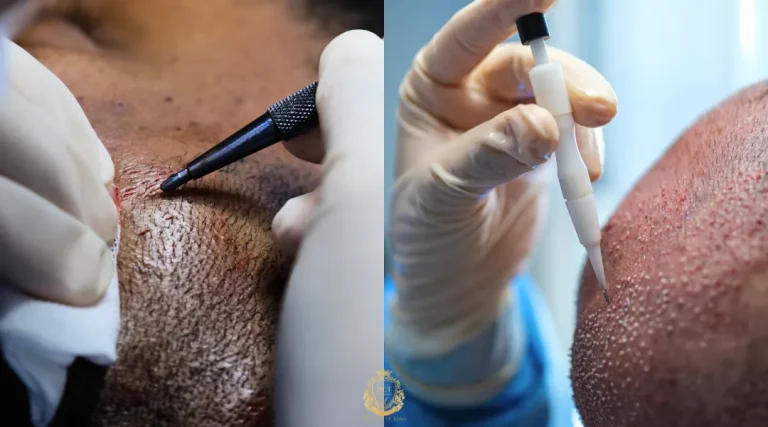
Most modern clinics focus on follicular unit transplantation in two main forms: strip-based FUT and follicular unit extraction (FUE). FUE removes grafts individually, while FUT harvests a strip and then dissects follicles under magnification.
Technique choice isn’t about trends—it’s about your donor capacity, scalp characteristics, hairstyle preferences, and tolerance for scarring. A reputable clinic should explain why a method fits your case, not just promote a single approach for everyone.

Considering A Hair Transplant In Turkey
Turkey is a popular destination for hair restoration because many clinics combine experienced teams with organized medical tourism support. Pricing varies widely based on the clinic, graft count, surgeon involvement, and what’s included in the package.
If you’re comparing clinics, look beyond price. Review medical credentials, before-and-after consistency, patient follow-up, and how the clinic handles safety, hygiene, and aftercare. A clear plan and transparent communication are better predictors of satisfaction than a low quote.
How Hair Center Of Turkey Approaches Patient Care
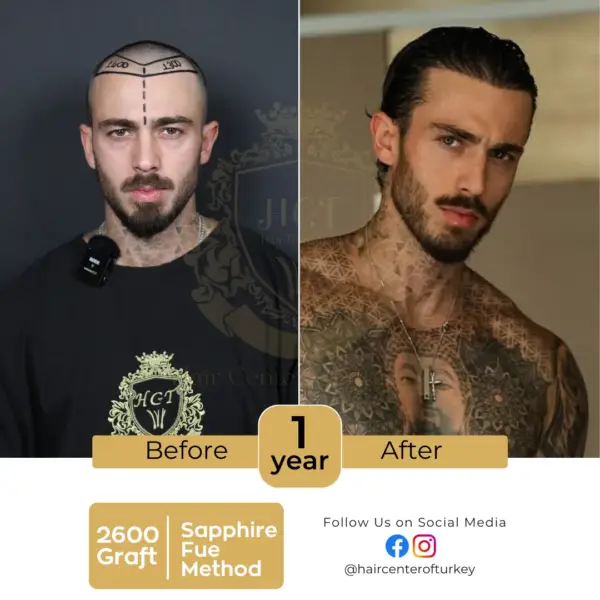
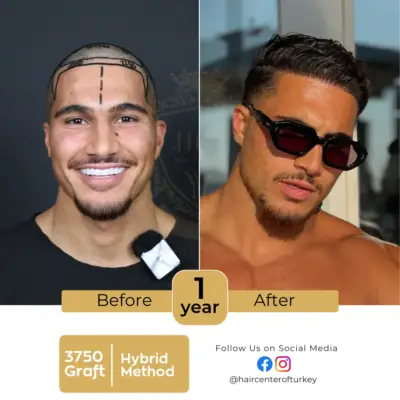
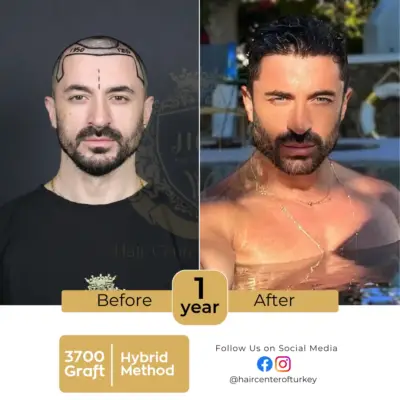
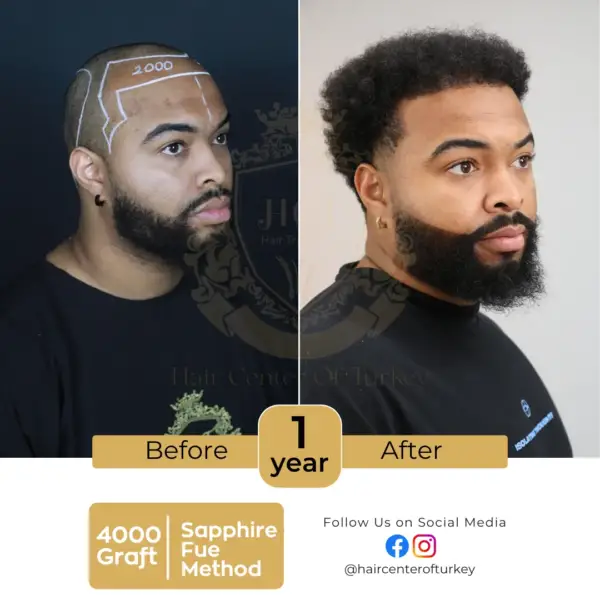
Hair Center of Turkey positions itself as a boutique clinic with a personalized, VIP-style patient experience. The practical value of that approach is continuity: an individualized plan, clear communication, and structured follow-up from the first consultation through recovery.
If you’re considering treatment, the next step should be a case review based on photos and medical history. That’s where graft planning, hairline design, and expectations can be discussed in a way that fits your goals and your donor limits.
F.A.Q.
How much did Joe Buck’s hair transplant cost?
It has not been disclosed; Joe Buck has not publicly disclosed the total cost.
What happened to Joe Buck’s hair?
Concerned about hair loss, he began getting “hair plugs/hair transplants” in 1993; the 2011 procedure caused vocal cord issues, and he had another FUE procedure in 2022.
How many hair transplants has Joe Buck had?
According to his own account, 8 by 2011; at least 9 with the additional procedure in 2022 (the total number is unclear).
Who are the most famous celebrities who have had hair transplants?
Wayne Rooney, Elton John, Jimmy Carr, Ben Stokes, Cheyenne Jackson, Calum Best, Joel McHale, John Cena.
How many grafts did Joe Buck have transplanted?
The exact number of grafts has not been disclosed; there is no confirmed graft count for the 2022 procedure either.
Explore the complete guide: Celebrity Hair Transplants – Sports Personalities