





Is Castor Oil Good For Your Hair?
Castor oil can be helpful for dry hair and a dry, irritated scalp because it seals in moisture and reduces friction that leads to breakage.It isn’t a proven treatment for hair loss or regrowth, and using too much can cause buildup or tangling. The safest approach is to use small amounts, dilute it, and wash it out well.
What Castor Oil Can And Can’t Do
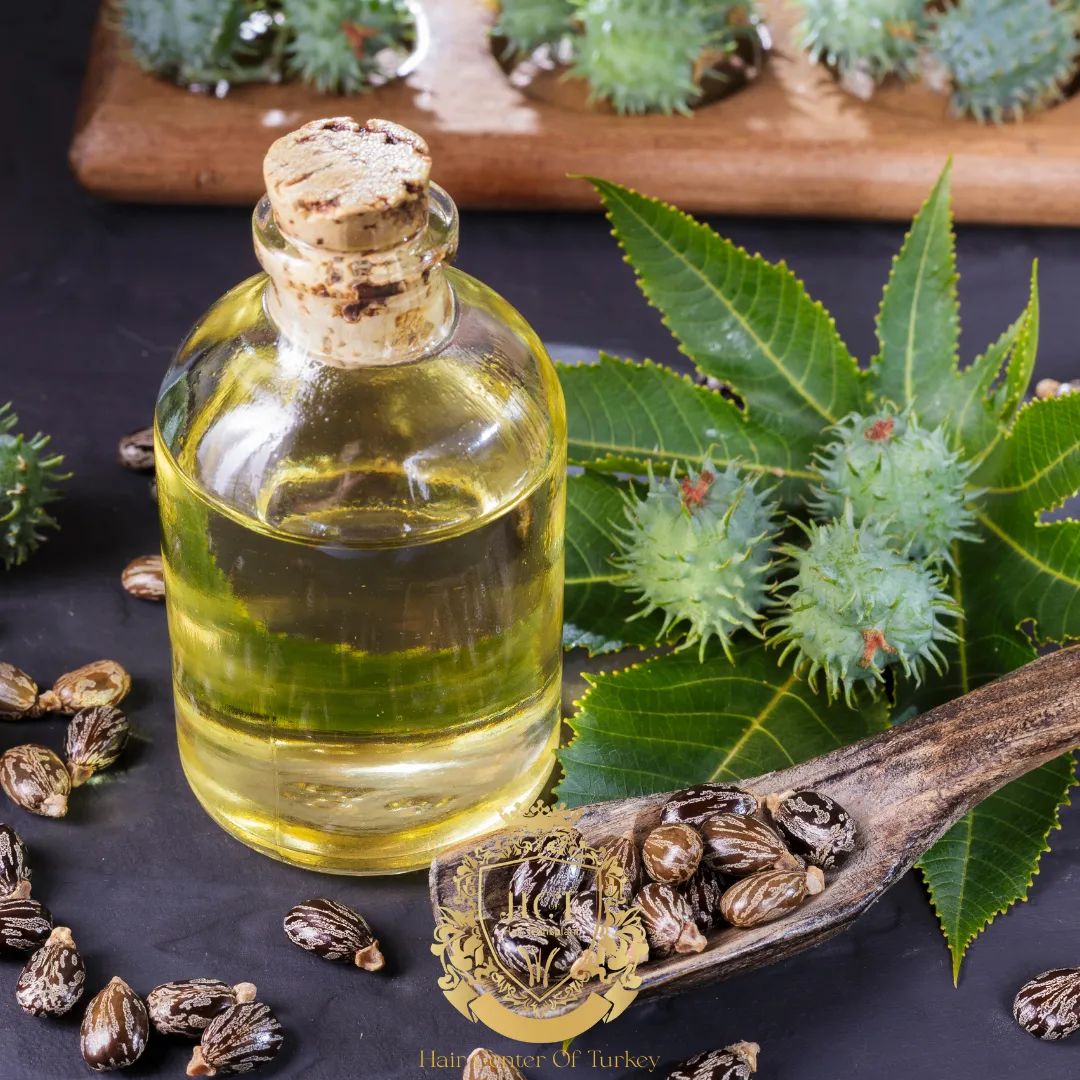
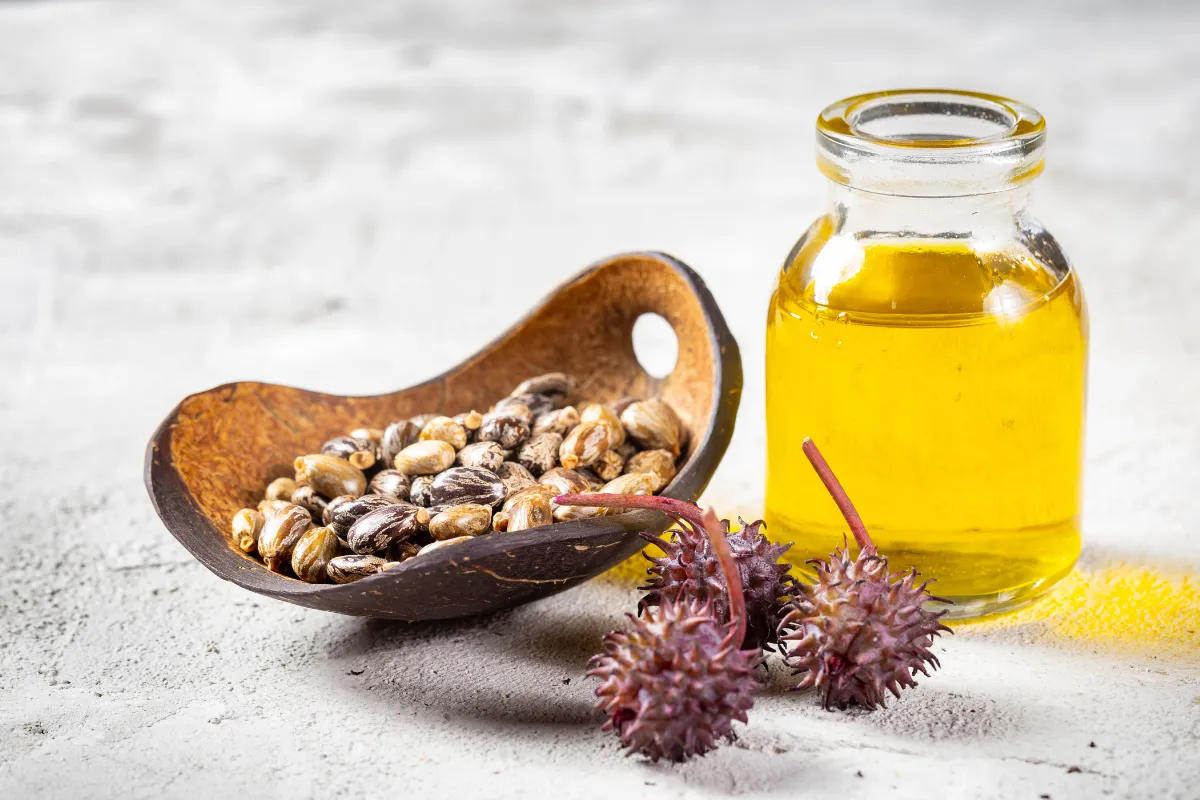
Castor oil is a thick, plant-based oil from Ricinus communis. In hair care, it’s mainly used as a heavy “sealant” oil that coats the hair shaft.
It can support the look and feel of hair by improving softness and reducing breakage. It can’t reliably “activate” new growth in areas affected by genetics, hormones, or medical hair-loss conditions.
Why Castor Oil Feels So Effective For Some People
Castor oil is rich in fatty acids, especially ricinoleic acid. That composition helps it sit on top of hair and slow water loss, which is why it’s popular for very dry ends and protective styles.
Some lab research suggests ricinoleic acid has anti-inflammatory activity, which may explain why some people find it soothing on an itchy scalp.
Potential Benefits For Hair And Scalp
Helps With Dryness, Frizz, And Shine
Used sparingly, castor oil can smooth the cuticle and reduce the “rough” feel that comes with dehydration. This is especially noticeable on curly, coily, or chemically treated hair.
It’s most useful on mid-lengths and ends, where dryness and split ends typically show up first.
May Reduce Breakage By Lowering Friction
Hair often appears “thicker” after oiling because it snaps less and retains length better. That’s length retention, not true follicle-level regrowth.
If your goal is longer hair, preventing breakage can still make a real difference over time.
Can Support A Healthier Scalp Environment
Castor oil is commonly described as antimicrobial, and some people use it for flaking or mild irritation. Evidence for treating scalp conditions is limited, so persistent dandruff, redness, or sores deserve a proper diagnosis.
If you have eczema, psoriasis, seborrheic dermatitis, or a history of folliculitis, check with a dermatologist before putting heavy oils on the scalp.
Can Castor Oil Promote Hair Growth?
The short version: there’s no strong clinical evidence that castor oil regrows hair. Reviews of complementary or “natural” treatments for androgenetic alopecia (pattern hair loss) consistently note that castor oil lacks sufficient human evidence.
That said, castor oil can indirectly support your results if it reduces breakage and scalp irritation. If you’re seeing widening parts, thinning temples, or sudden shedding, it’s worth addressing root causes (iron deficiency, thyroid issues, stress, hormones, medication side effects) rather than relying on oils alone.
Types Of Castor Oil Used For Hair
Cold-Pressed Castor Oil
Often the simplest option. It’s typically pale yellow and has a mild scent. Many people dilute it with a lighter oil to make it easier to spread and wash.
Jamaican Black Castor Oil (JBCO)
JBCO is made using roasted castor beans, which gives it a darker color and a stronger smell. The texture is still thick, and it can stain light fabrics.
Hydrogenated Castor Oil (Castor Wax) In Products
You’ll see this in some hair products for texture and conditioning. It behaves differently than pure oil and is usually easier to rinse because it’s formulated with emulsifiers.
How To Use Castor Oil On Hair Safely
Do A Patch Test First
Apply a tiny amount behind the ear or on the inner arm and wait 24 hours. If you get burning, itching, rash, or swelling, skip it.
Most Practical Method For Most Hair Types: Dilute And Target The Ends
Mix 1 part castor oil with 2–4 parts of a lighter oil (jojoba, argan, grapeseed, or sweet almond). This keeps the benefits while reducing heaviness.
Work a small amount through damp mid-lengths and ends. Focus on the areas that feel dry, not the roots.
If You Want To Use It On The Scalp
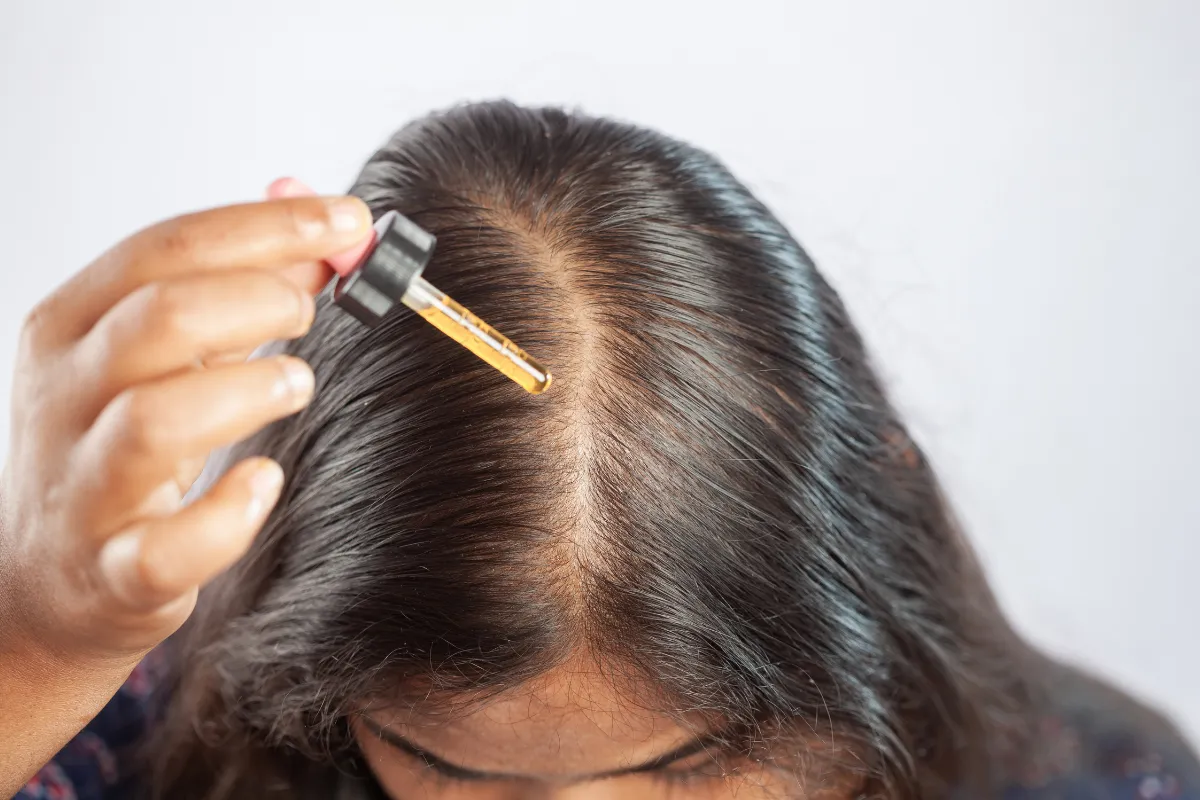
Use a few drops only, then massage gently for 1–2 minutes. Leave it on for 30–60 minutes, then shampoo thoroughly.
If you notice itching, greasy buildup, or scalp bumps, stop scalp application and switch to ends-only use.
How Often?
For most people, once a week is plenty. Very dry hair might tolerate twice weekly, but overuse tends to cause dullness and product buildup.
Risks And Drawbacks To Know
Buildup And “Heavy Hair”
Castor oil is difficult to rinse. If your hair feels coated or limp, you’re using too much or not cleansing thoroughly.
Double-shampooing (or using a clarifying shampoo occasionally) can help, especially if you use styling creams and leave-ins.
Tangling And Matting
Because it’s sticky and dense, castor oil can worsen tangles in some hair types. There are published case reports describing severe hair matting after heavy application.
If your hair tangles easily, dilute it and keep it off the roots.
Irritation Or Allergy
Even “natural” oils can irritate sensitive skin. Stop use if you develop itching, redness, or flaking that wasn’t there before.
Who Castor Oil Is Most Suitable For
Castor oil tends to work best for:
- Dry, brittle hair that breaks easily
- Curly, coily, or textured hair that needs heavier sealants
- Protective styles where ends need extra cushioning
Use more caution if you have:
- Fine hair that gets weighed down
- An oily scalp or frequent scalp acne/folliculitis
- Active inflammatory scalp conditions
How Long Does It Take To See Results?
You may notice softer ends and less frizz after 1–2 uses. Reduced breakage often becomes clearer after 4–6 weeks of consistent, light application.
If you’re tracking “growth,” measure length retention rather than expecting new hairs to appear where follicles are miniaturizing.
FAQs About Castor Oil For Hair
Can castor oil fix thinning hair?
It may improve scalp comfort and reduce breakage, which can make hair look fuller. It isn’t a proven treatment for genetic hair loss or advanced thinning.
Can I leave castor oil on overnight?
You can, but it often leads to buildup and stained bedding. Most people do better with a 30–60 minute treatment, followed by a thorough wash.
How do I wash it out without stripping my hair?
Apply shampoo to dry hair first (before water), massage, then rinse and shampoo again. Follow with conditioner on mid-lengths and ends.
Is castor oil safe for color-treated hair?
Usually yes, and it can help protect dry ends. Start with a small amount and focus on lengths, not the scalp.
What should I do if I’m losing hair quickly?
Sudden shedding, patchy loss, scalp pain, or itching deserves medical evaluation. Evidence-based options depend on the cause, so a dermatologist or hair-loss clinic can help you choose a plan that fits your situation.