





How to Style Wavy Hair
To style wavy hair, start with lightweight moisture, detangle only when wet, and apply a hold product (mousse or gel) on damp hair. Scrunch upward, then air-dry or diffuse on low heat to set the wave pattern. The right cut and a consistent routine reduce frizz and keep waves defined all day.
Table of Contents
How to Identify Your Wavy Hair Type
Wavy hair usually forms a loose “S” pattern, especially once it’s air-dried without brushing. If your hair dries mostly straight at the roots but bends and waves from mid-lengths to ends, you’re likely in the type 2 family. Knowing whether you’re 2A, 2B, or 2C helps you choose the right product weight and the amount of hold you need.
- Common wavy hair types:
- Type 2A: Fine, subtle waves that can fall flat easily.
- Type 2B: Clear S-shaped waves with medium volume; frizz shows up in humidity.
- Type 2C: Thick, strong waves that border on curly; needs more moisture and stronger hold.
A Simple Daily Routine for Wavy Hair
Waves look their best when moisture and hold are balanced. Too little moisture creates frizz, while too much heavy cream can stretch the wave out. Use this routine as a baseline and adjust based on how your hair feels after a few washes.
1) Cleanse gently
Choose a gentle shampoo that doesn’t leave your scalp squeaky-clean. Many people with waves prefer sulfate-free formulas, but the goal is really this: clean scalp, soft lengths. If you use styling products often, clarify occasionally to prevent buildup and bring your waves back to life.
2) Condition for slip and softness
Conditioner is what makes detangling safe for wavy hair. Focus it from mid-lengths to ends, then use your fingers or a wide-tooth comb while the hair is still wet. Rinse well so your waves don’t feel coated or weighed down.
3) Add lightweight moisture
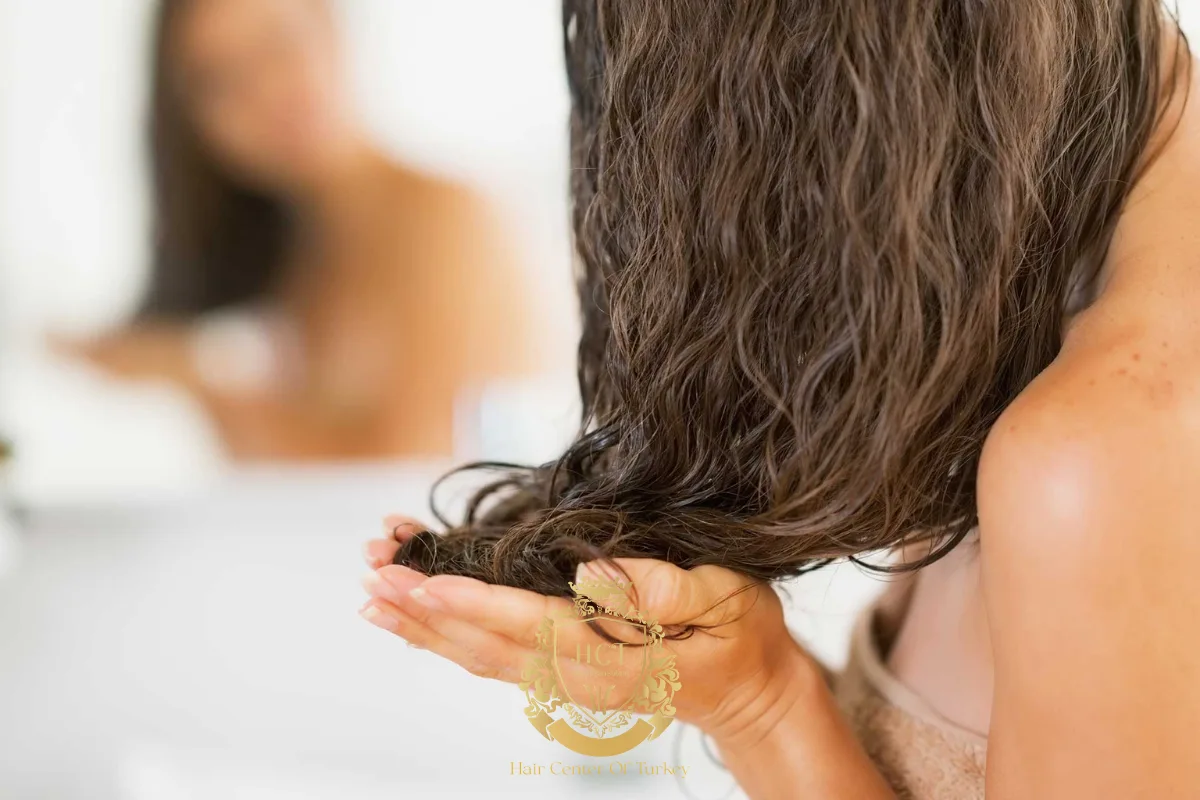
Apply a leave-in conditioner or a small amount of curl cream on soaking-wet or very damp hair. For type 2A, keep it minimal; for type 2C, you can use a bit more. If your hair feels dry on day two, refresh with water and a tiny amount of leave-in instead of piling on oils.
4) Lock in definition with hold
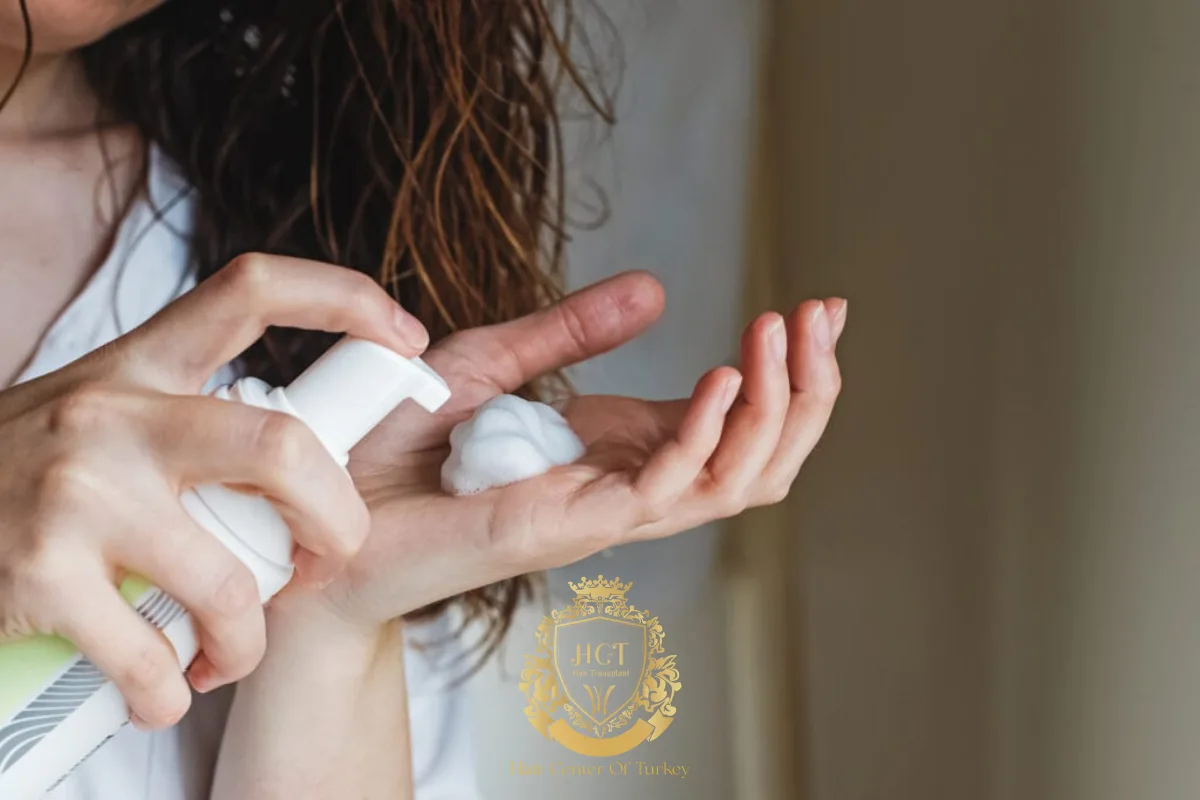
Hold is what keeps waves from turning into fuzz. Use mousse for airy volume or gel for longer-lasting definition, then scrunch upward to encourage the wave pattern. Once dry, gently scrunch out any crunch so the finish looks soft, not stiff.
Best Products for Wavy Hair Styling
The best products for wavy hair are usually lightweight and buildable. If your waves disappear by lunchtime, add more hold before you add more moisture. If your hair feels rough, add moisture first, then follow with a light hold product.
Quick guide:
- Leave-in conditioner: detangles, reduces frizz, and improves softness.
- Mousse: boosts volume and helps waves clump together.
- Gel: gives the strongest definition and humidity resistance.
- Curl cream: adds moisture; use sparingly if your hair gets weighed down.
- Light oil/serum: use a drop on dry ends for shine, not as a main styling step.
Best Haircuts and Styles for Wavy Hair
A great cut makes wavy hair easier to style because it supports the natural movement instead of fighting it. Ask your stylist for shape and internal weight removal rather than blunt, heavy ends. Bring photos of wave patterns you like, and mention how much volume you want around your face.
Wavy-hair-friendly options:
- Layered cuts: add bounce and reduce triangle-shaped bulk.
- Long bob (lob): a modern length that makes waves look polished with minimal effort.
- Soft layers for long hair: keeps length while improving definition.
- Curtain or side-swept fringe: blends well with natural texture and grows out easily.
Heatless Styling Methods for Wavy Hair
Heatless styling keeps waves healthy and predictable. These methods work best on damp hair with a little leave-in, then a touch of mousse or gel for hold. Make sure hair is fully dry before you take it down, or the wave will fall quickly.
Braids for uniform waves
After showering, loosely braid damp hair (one braid for soft waves, two for more definition). Sleep on it, then undo in the morning and separate gently with your fingers. Finish with a small amount of serum on the ends if needed.
Buns for volume and bend
Twist hair into two or three loose buns and secure with soft scrunchies. This gives bigger, more lived-in waves than braids. If your roots tend to go flat, keep the buns higher on the head.
Scrunch-and-set method
Apply mousse or gel to damp hair, scrunch thoroughly, then “plop” for 10–20 minutes with a cotton T-shirt or microfiber towel. Plopping helps waves clump while limiting frizz. Let hair finish air-drying afterward, or diffuse briefly on low heat.
Sea salt spray (use strategically)
Sea salt spray adds grit and beachy texture, but it can be drying for some hair types. Use it occasionally on damp hair, then scrunch. If your hair feels rough afterward, pair it with a light leave-in conditioner.
How to Dry Wavy Hair After Showering
Drying is where most frizz starts. Rubbing with a traditional towel separates the wave clumps and roughs up the cuticle. Instead, squeeze water out gently and let your hold product do its job while your hair sets.
Air-dry for the most natural pattern
After applying products, avoid touching your hair while it dries. Hands create friction, which turns definition into frizz. If you need to move hair off your face, clip the roots up instead of re-scrunching repeatedly.
Diffuse when you want extra volume
Use a diffuser on low heat and low airflow. Cup sections of hair from ends toward the roots and hold for a few seconds before moving on. Stop when hair is about 90% dry, then let the rest air-dry to reduce puffiness.
Common Mistakes That Ruin Wavy Hair
If your waves look inconsistent, it’s usually one of these habits. A small change—like swapping your towel or adding a bit more hold—often makes a bigger difference than buying more products.
- Brushing dry hair: it breaks up wave clumps and creates instant frizz.
- Using too much heavy product: thick creams and butters can stretch waves out, especially on 2A and 2B hair.
- Skipping hold: without mousse or gel, waves often dry fluffy and lose shape fast.
- Using high heat every day: frequent heat styling can weaken the wave pattern over time.
- Not clarifying when needed: buildup from styling products can make hair dull, limp, or sticky.
Quick Recap: How to Style Wavy Hair
Cleanse gently, condition for slip, apply lightweight moisture, then add hold on damp hair. Scrunch, plop if you like, and air-dry or diffuse on low heat. Once fully dry, scrunch out any cast for soft, defined waves.
Frequently Asked Questions
What is the rarest hair type?
No single hair type is definitively rarest; rarity varies by population.
What are 2C curls?
2C hair has strong S-waves, some ringlets, and thicker, coarser texture.
Which hair type is most attractive?
None is universally most attractive; beauty is subjective and culturally influenced.
How to stop wavy hair from frizzing?
Use leave-in conditioner, curl cream, microfiber drying, and don’t brush dry.
What hair type is most prone to frizz?
High-porosity curly and coily hair is most prone to frizz.