





How To Make Curly Hair
To make hair curly, start with one method that matches your hair type: braid damp hair overnight for soft waves, twist sections for tighter curls, or plop with a t‑shirt to boost natural texture. If you use heat, apply heat protectant and keep the temperature moderate. For long-lasting curls, a professional perm is an option.
Quick Checklist Before You Start
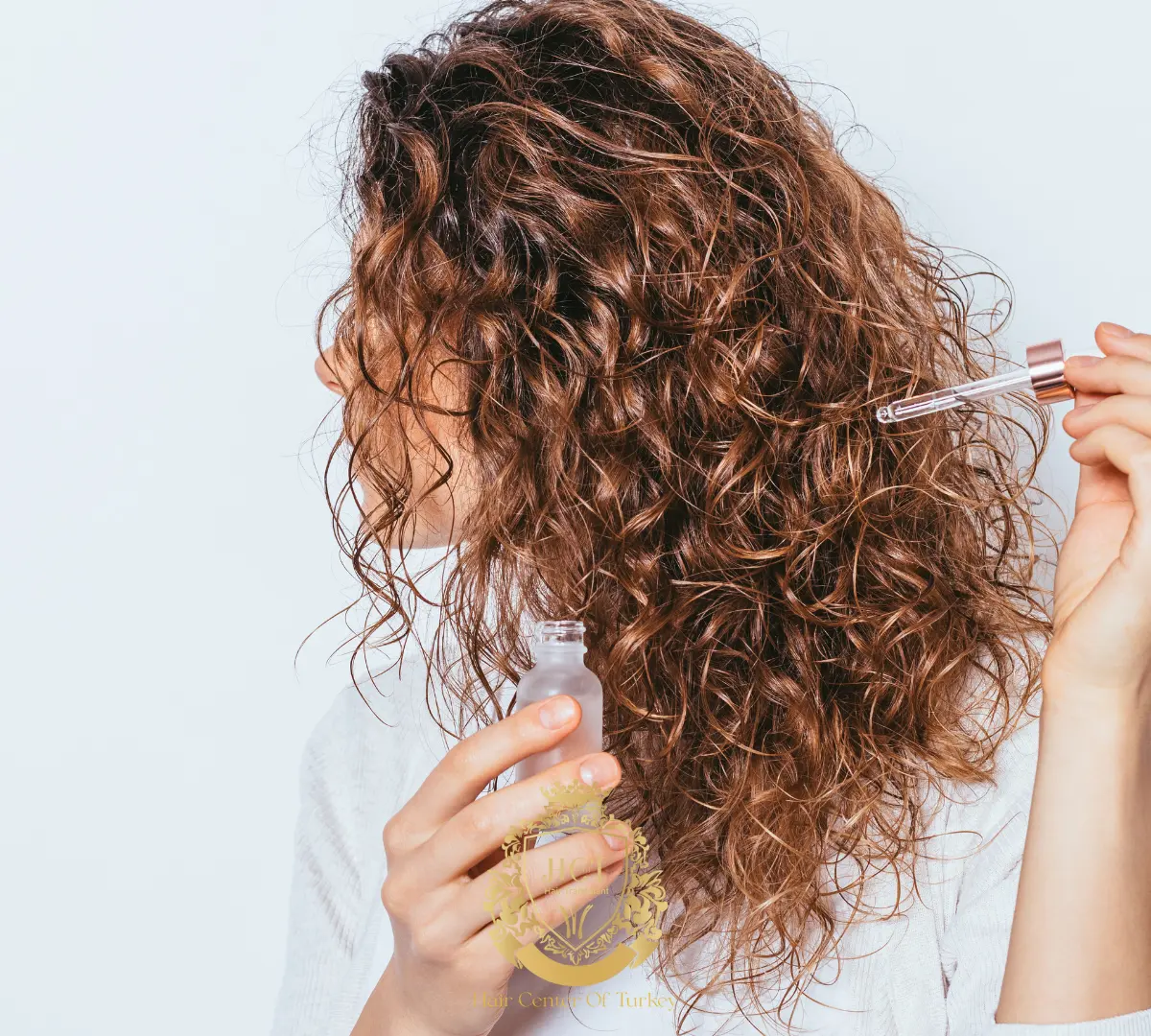
Curls hold better on hair that’s clean, lightly conditioned, and not dripping wet. Use a leave-in conditioner or curl cream if your hair frizzes easily. If you’ll use heat, apply a heat protectant first. Finish with a light-hold hairspray or styling mousse if you need extra staying power.
Natural Ways To Make Hair Curly At Home
If you want curls without heat or chemicals, set your hair while it’s damp and let it dry fully. The tighter the sections and the longer you leave them in, the stronger the curl pattern tends to be.
Braid-Out (Hair Braiding)
Braiding is one of the simplest ways to get soft, natural-looking waves.
- Wash your hair and towel-dry until it’s damp, not wet.
- Divide your hair into 2–6 sections (more sections = tighter waves).
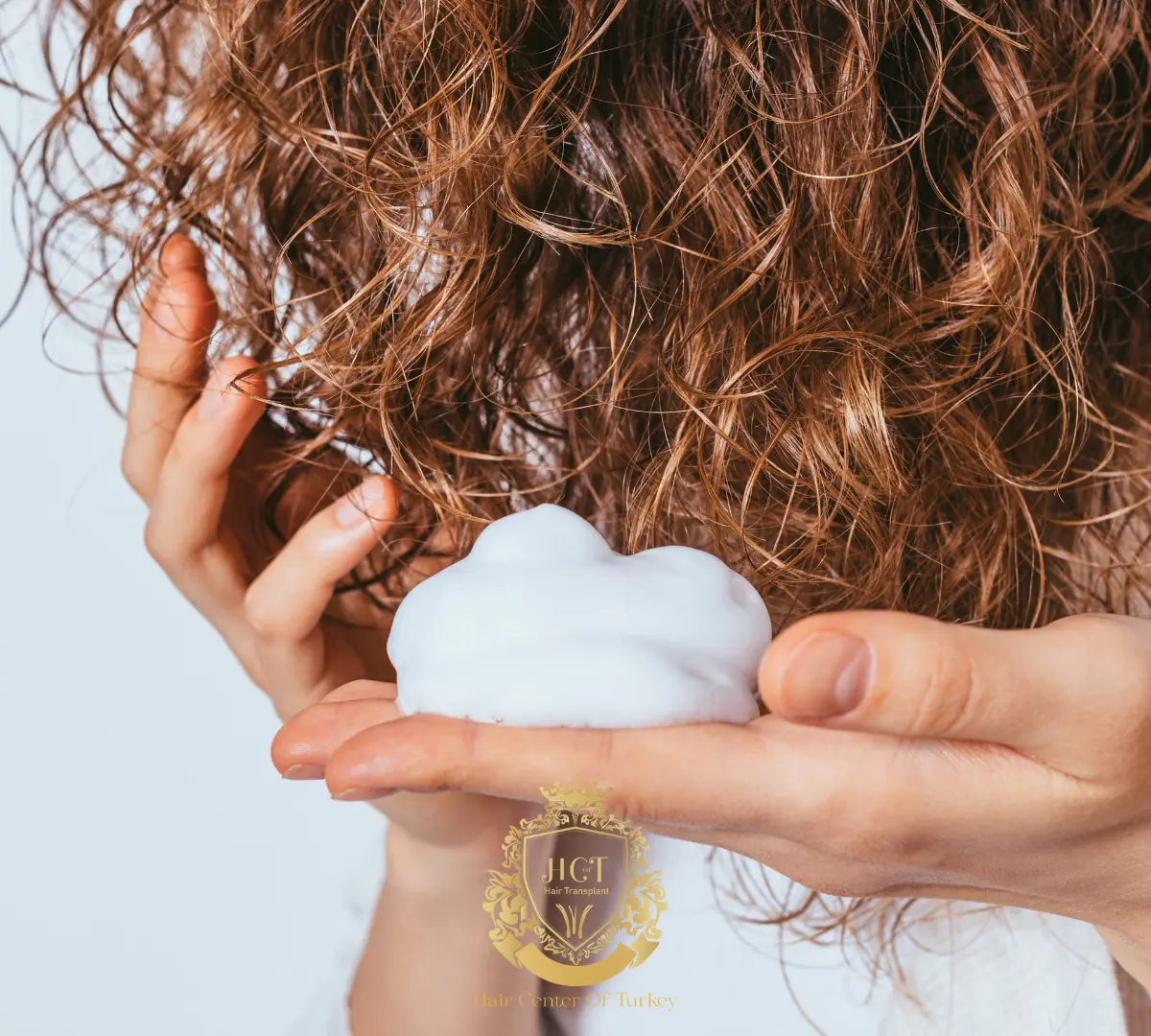
- Apply a small amount of mousse or curl cream through each section.
- Braid each section and secure the ends with a soft hair tie.
- Leave the braids in overnight or until hair is completely dry, then gently undo and separate with your fingers.
Tip: Rub a drop of lightweight oil over your hands before separating to reduce frizz.
Twist-Out Or Bantu Knots (No-Heat Curls)
Twists and knots create bouncier curls than braids, especially on medium to thick hair.
- Start with damp hair and detangle section by section.
- Apply a curl cream or styling gel, focusing on the mid-lengths and ends.
- Twist two strands around each other, or wrap each section into a small knot and pin it.
- Let hair dry fully (air-dry, or use a diffuser on low).
- Unravel gently and fluff at the roots with your fingers.
Wrapping With A Paper Towel (Or Soft Fabric Strips)
This method can work in a pinch, but use something soft so you don’t rough up the cuticle.
- Cut a paper towel into thick strips, or use soft fabric strips for a gentler option.
- Separate damp hair into small sections.
- Wrap each section around a strip from ends to roots, then tie or secure it.
- Let hair dry completely before removing and loosening the curls with your fingers.
Drying With A T‑Shirt (Plopping)
Plopping helps natural waves and curls form with less frizz, especially after washing.
- Lay a clean cotton t‑shirt on a flat surface with the sleeves facing you.
- Flip your damp hair forward onto the center of the shirt.
- Wrap and tie the shirt so your hair is gently contained on top of your head.
- Leave it on for 15–30 minutes, then air-dry or diffuse to finish.
Using Salt Water Spray For Beach Waves
Salt spray adds texture and grip, which can make loose waves look more defined.
- Mist salt spray onto damp hair, concentrating on the mid-lengths and ends.
- Scrunch upward with your hands to encourage a wave pattern.
- Air-dry, or use a diffuser on low for quicker results.
If your hair feels dry afterward, follow with a leave-in conditioner or a few drops of oil.
Using Heat Tools Safely
Heat can create defined curls quickly, but it can also cause dryness and breakage if you overdo it. Use heat protectant, start with the lowest temperature that works for your hair, and avoid repeated passes over the same section.
Curling Wand Or Curling Iron
- Dry hair completely and brush through to remove tangles.
- Apply heat protectant and clip hair into manageable sections.
- Wrap small sections around the barrel, hold briefly, and release.
- Let curls cool before brushing or combing to help them last.
Diffuser For Natural Curl Definition
- Apply a curl cream or gel on damp hair.
- Use a diffuser on low heat and low airflow.
- Cup sections of hair in the diffuser and hold for short bursts until mostly dry.
- Finish with a lightweight oil or serum on the ends if needed.
Chemical Ways To Make Hair Curly
Chemical curling methods, most commonly perms, reshape the hair by changing bonds inside the hair fiber. Results can last for months, but the process is stronger than styling and needs careful aftercare. For best results and safety, get a perm from a licensed professional who can match the formula to your hair type.
What Happens During A Perm
In a perm, hair is wrapped on rods and treated with a waving solution, then neutralized to set the new shape. Different rod sizes create anything from loose waves to tighter curls. If your hair is bleached, very fragile, or already breaking, a perm may not be a good idea until your hair recovers.
Aftercare To Keep Curls Looking Good
- Don’t brush curls dry. Detangle in the shower with conditioner and a wide-tooth comb.
- Sleep on a satin or silk pillowcase, or use a bonnet to cut down on frizz.
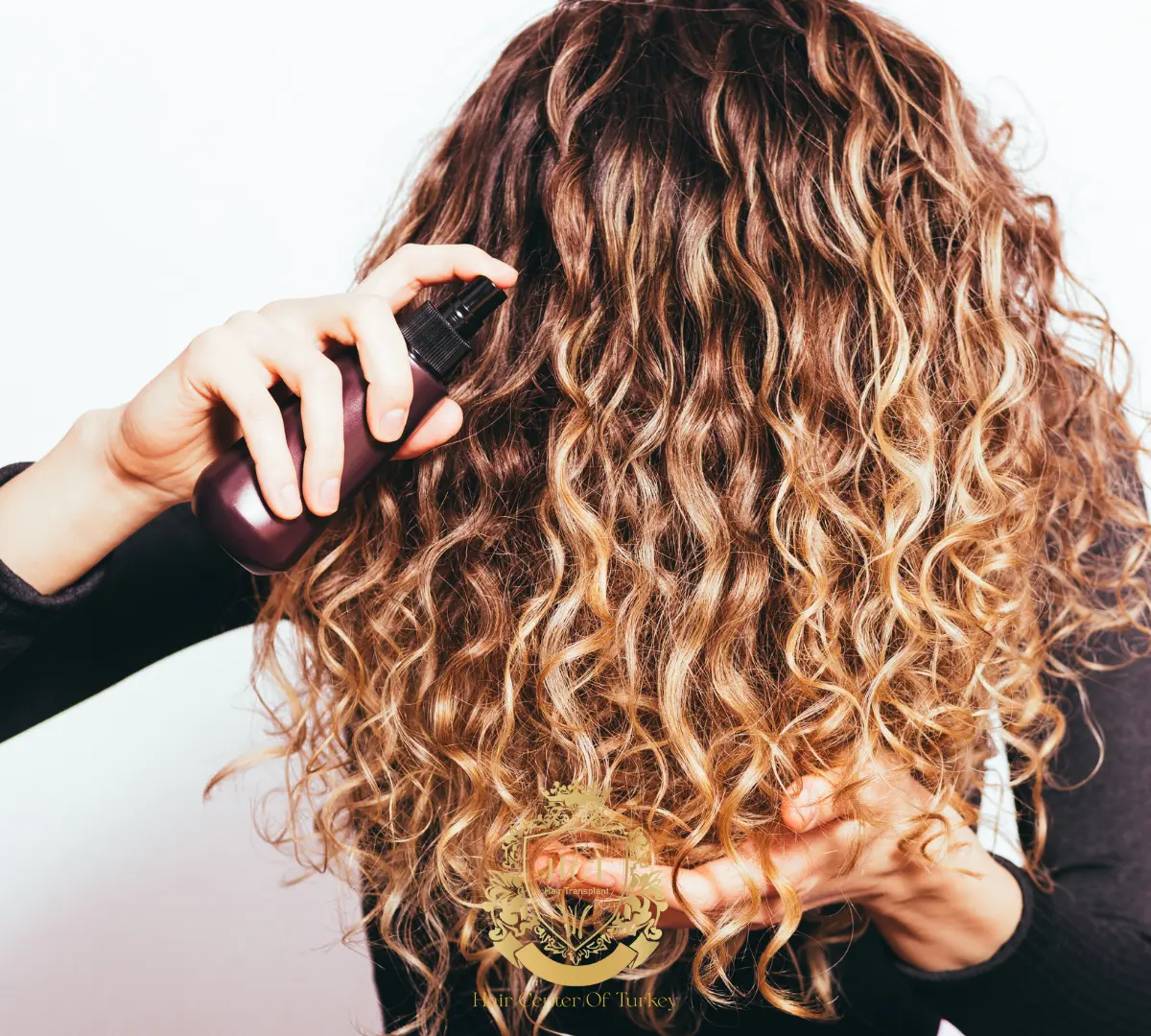
- Refresh curls with water and a small amount of leave-in conditioner between washes.
- Trim split ends regularly so curls stay defined instead of stringy.
- Use deep conditioning as needed, especially if you style with heat or have colored hair.
FAQ
Why Does Hair Become Curly?
Curl pattern is influenced by the shape of the hair follicle and by chemical bonds inside the hair. Keratin contains cysteine, which can form disulfide bonds that help determine whether strands sit straight, wavy, or curly. That’s why changing those bonds with styling or chemical treatments can temporarily or permanently change texture.
What Ingredients Help Curly Hair Look Healthier?
Look for moisturizers and oils that reduce frizz and improve shine. Argan oil, coconut oil, and olive oil can help seal in moisture on the lengths. If your ends are dry, a weekly mask with fatty alcohols, glycerin, or shea butter can make curls feel softer and look more defined.
Can Straight Hair Turn Curly Over Time?
It can happen, but it’s not guaranteed. Hormones, certain medications, aging, and even repeated damage can shift how your hair grows and behaves. If the change is sudden or extreme, it’s worth mentioning to a dermatologist or stylist to rule out underlying issues.
How Should Curly Hair Be Dried After Washing?
Skip rough towel-drying, which can create frizz and break up clumps. Squeeze out water with a microfiber towel or cotton t‑shirt, then either air-dry or diffuse on low. Try not to touch your hair while it’s drying, because that can break the curl pattern and cause flyaways.
Is Curly Hair Harder To Grow?
Curly hair doesn’t grow slower, but it can look shorter because it shrinks as it curls. Breakage also tends to be more noticeable on textured hair, which makes length harder to retain. Gentle detangling, regular trims, and consistent conditioning go a long way toward keeping curls strong as they grow.