






Hair Transplant in Washington: Cost, Clinic Selection, and the Turkey Option
Many people living in Washington feel uncertain about getting a hair transplant because prices can vary widely and clinic options are not always easy to compare. That is exactly why this guide matters. Instead of focusing on promotional claims, it looks at the practical side of the decision. The goal is to make the process clearer, reduce surprises, and help you understand what to consider before moving forward.
Why Interest in Hair Transplants Is Growing in Washington
Washington’s fast-paced lifestyle, work stress, and changing weather conditions do not directly cause hair loss on their own, but they can make existing thinning feel more noticeable. For many people, hair shedding becomes more concerning when it starts affecting appearance, confidence, and daily routines. Another reason interest keeps growing is awareness. More people in Washington now see hair transplantation as a realistic long-term option rather than a distant cosmetic procedure.
Who Is a Good Candidate for a Hair Transplant?
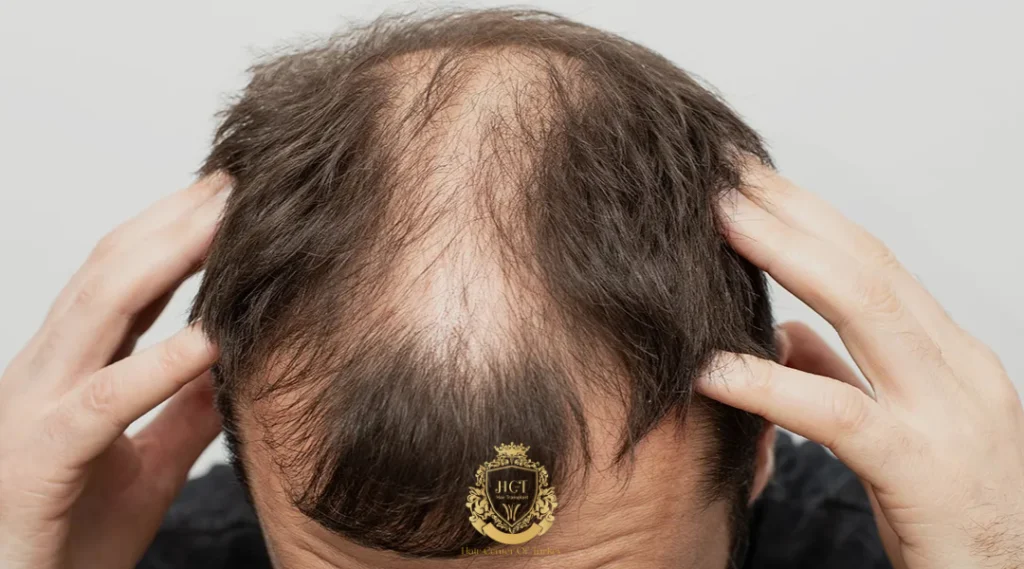
A hair transplant does not work the same way for every type of hair loss. In most cases, the best candidates are people with a stable pattern of hair loss and a strong donor area at the back or sides of the scalp. Women can also be candidates, but underlying hair or scalp conditions should be ruled out first. If you have diabetes, use blood thinners, or live with another chronic medical issue, the treatment plan should always be shaped under medical supervision.
What Affects the Cost of a Hair Transplant in Washington?
It would be misleading to reduce hair transplant pricing to one fixed number. The final cost is usually shaped by two main questions: how many grafts are needed and which technique will be used. Price can also change depending on whether the procedure is led directly by a doctor or carried out mainly by a larger team. The type of anesthesia, the medical supplies used, post-op checkups, and the possibility of a second session can all influence the budget. For patients comparing Washington with treatment abroad, travel and accommodation should also be part of the planning.
What to Check Before Choosing a Clinic
Choosing the right clinic matters as much as choosing the right technique. A strong clinic should be transparent, consistent, and realistic about what can be achieved. Before deciding, pay attention to these points:
- The experience of the doctor planning and performing the procedure
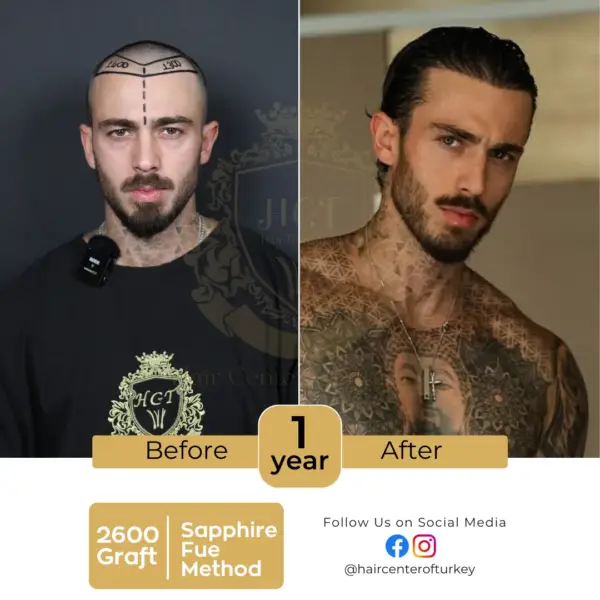
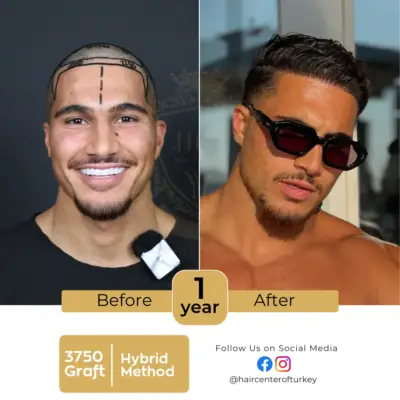
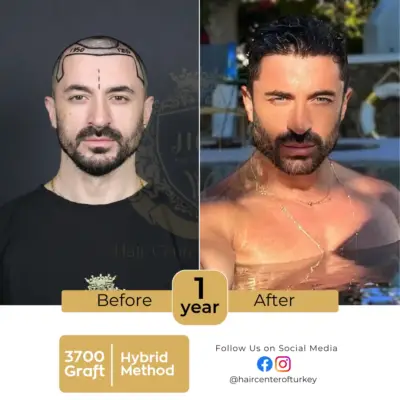
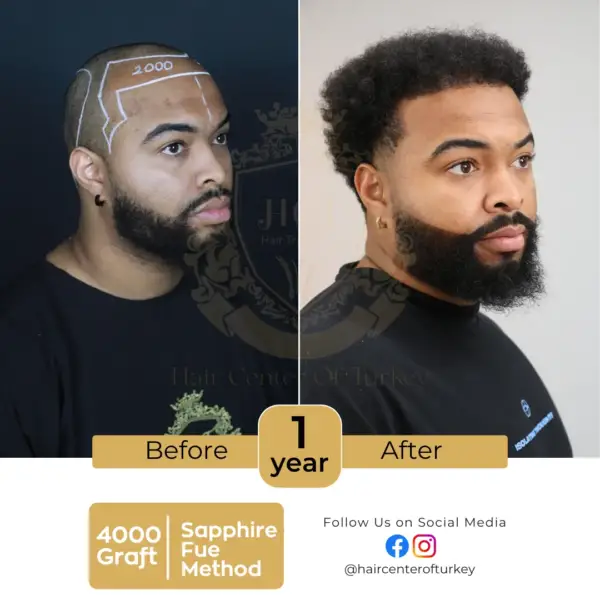
- Real before-and-after results taken from different angles and lighting conditions
- A personalized explanation of graft count, hairline design, and density goals
- The clinic’s approach to protecting the donor area from overharvesting
- Sterilization standards, infection control, and overall clinic infrastructure
- Clear written guidance on medications, the first wash, and follow-up care
- Long-term communication and accessibility in case of questions or concerns
- A clear post-op protocol for hats, helmets, hoodies, and daily activities
- Transparent contract terms, including cancellation and refund policies
Traveling From Washington for Treatment

For many patients, traveling from Washington to another state or another country opens the door to more experienced clinics and a wider range of options. In these cases, timing matters. It is usually not a good idea to schedule your return flight too early. The first few days after the procedure should allow room for rest and careful aftercare.
For those considering treatment abroad, Turkey is often one of the most discussed destinations because of its balance between cost and clinical experience. Clinics such as Hair Center of Turkey may offer remote pre-evaluation, hotel support, and transfer coordination, which can make planning easier for out-of-state or international patients.
If you plan to travel, make sure your passport is valid, your prescriptions are prepared, and your control appointments are clearly organized. It is also wise to take written washing instructions and aftercare guidance with you before returning home.
How to Choose Between FUE and DHI
FUE is a widely used method that refers to extracting grafts one by one from the donor area. DHI is often described as implantation performed with a special implanter pen. In practice, however, the label matters less than the quality of the execution.
What truly affects the outcome is how carefully the grafts are handled, how accurately the channels or placement sites are planned, and whether the hairline design suits the patient’s face. The angles, direction, and distribution of the grafts are what create a natural result. No matter which technique is selected, protecting the donor area is essential for long-term success.
How to Prepare Before the Procedure
Before surgery, patients usually go through basic blood tests and a general health evaluation. If you smoke, reducing or stopping smoking can support better healing. The same goes for alcohol, intense exercise, and blood-thinning medication, which should only be managed according to the doctor’s instructions.
If your work schedule is busy, it is smart to plan a calmer routine for at least seven to ten days. This gives you enough time to focus on rest, follow aftercare instructions, and avoid unnecessary stress during the first healing phase.
What the Recovery Timeline Usually Looks Like
During the first days, mild swelling, tightness, and light discomfort are generally considered normal. Scabbing often starts to settle within the first seven to ten days, and during that time the grafts should be protected from friction and pressure.
In many patients, the transplanted hairs begin to shed after the second week. This phase is known as shock loss, and it does not mean the procedure has failed. It is part of the normal cycle. New visible growth usually begins between the third and sixth month, while more noticeable density tends to develop between the ninth and twelfth month.
Why Hair Center of Turkey Enters the Conversation
For many people researching hair transplant options from Washington, Hair Center of Turkey becomes part of the comparison because the clinic presents the process as more than the procedure itself. Patients often look not only at graft numbers or technique names, but also at planning, communication, accommodation support, and the structure of aftercare.
Hair Center of Turkey is often considered by international patients who want a more organized treatment journey. The clinic’s overall approach draws attention to consultation, medical evaluation, travel coordination, and step-by-step guidance before and after the procedure. For patients who want a clear system instead of a rushed decision, that kind of structure can make the process feel more manageable.
Frequently Asked Questions
How long does a hair transplant take?
The session length depends on the number of grafts. Many cases are completed in one day, while larger procedures may take two days.
Is a hair transplant permanent?
The transplanted hairs usually come from genetically stronger donor zones, so they can remain for many years. Still, your existing native hair may continue to thin, which is why medical support after surgery can be important.
When will I see results?
Early visible growth often begins between three and six months. In most people, the most satisfying result becomes clearer between nine and twelve months.
If my transplanted hairs shed in the first weeks, did the procedure fail?
No. Shock loss is common. What matters is that the roots stay healthy under the skin.
When can I return to work?
Many desk-based workers return within a few days. Others prefer to rest for seven to ten days because of scabbing and visible healing.