





Hair Transplant Clinics in Seoul: Best Surgeons, Costs & Procedures Explained
Seoul offers surgeon-led hair transplant options such as FUE, DHI, and FUT, with pricing that depends on graft count, technique, and the clinic’s reputation. Most patients start with a scalp and donor-area assessment, then receive a customized hairline design and aftercare plan. Expect visible growth from month 3, with final results around 12 months.
Seoul has become a well-known destination for hair restoration, thanks to experienced dermatology and plastic surgery teams, modern clinics, and structured aftercare. That said, results depend far more on the surgeon’s planning and execution than on the city you choose.
This guide explains what the procedure looks like in Seoul, how pricing is usually calculated, and how to compare FUE, DHI, and FUT. It also includes practical tips for travelers and a clinic checklist so you can make a confident, informed decision.
Table of Contents
Hair Transplant In Seoul
Most clinics in Seoul begin with a detailed consultation that covers your pattern of hair loss, donor density, scalp condition, and medical history. From there, the surgeon designs the hairline and estimates the graft count needed to reach a natural-looking density.
If you’re traveling, ask whether the surgeon will be the one harvesting and placing grafts, how many procedures they perform per day, and what follow-up support is available after you return home. Clear answers here usually correlate with better planning and safer care.
What To Expect During Hair Transplant Surgery In Seoul
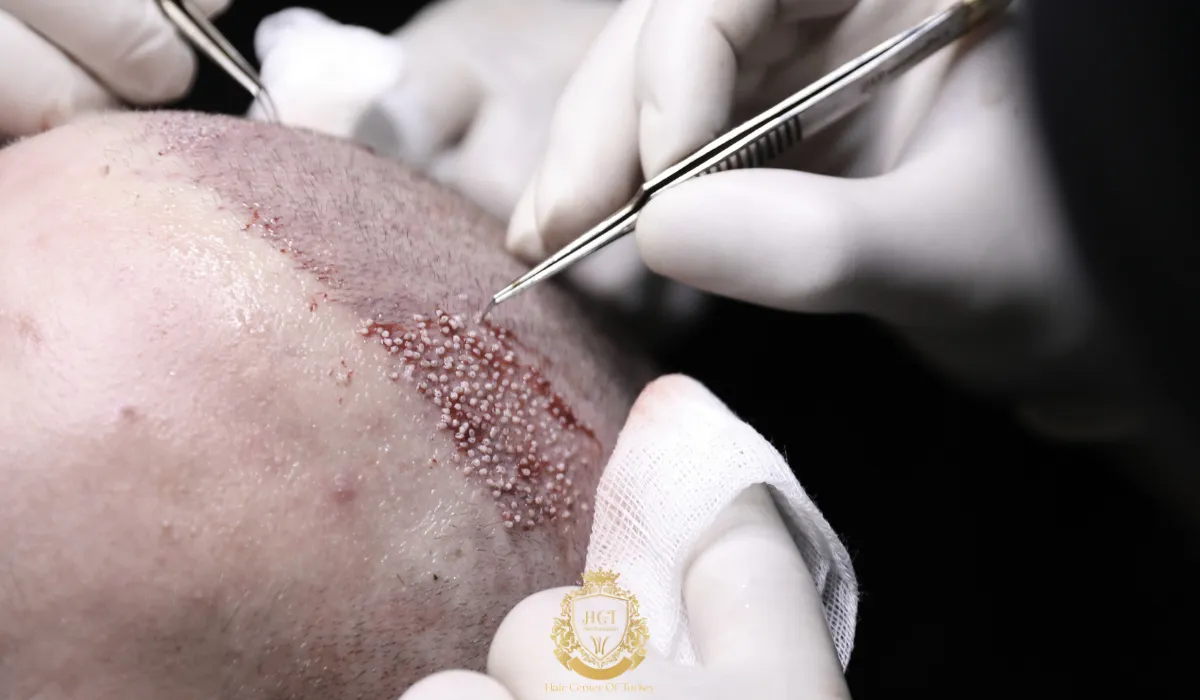
On procedure day, most patients receive local anesthesia and, in some clinics, a mild sedative. The team trims and prepares the donor area, then harvests grafts and implants them according to the planned angle, direction, and density.
Typical appointments last several hours, depending on graft count and technique. Before you leave, you should receive written aftercare instructions covering washing, sleeping position, swelling control, and when to resume exercise.
Hair Transplant Cost In Seoul
Hair transplant pricing in Seoul varies widely. Clinics may quote a flat package price or a per-graft fee, and the total is influenced by graft count, surgeon experience, clinic location, and whether you choose FUE, DHI, or FUT.
As a practical ballpark, many patients see totals in the mid-thousands of USD for smaller sessions and higher totals for extensive work. The most reliable way to compare quotes is to request the estimated graft count, the technique, and exactly what follow-up care and medications are included.
What Typically Changes The Price
- Number of grafts needed (the biggest driver of cost)
- Technique (DHI can be priced higher due to tooling and time)
- Surgeon involvement vs. technician-heavy workflows
- Pre-op testing, anesthesia approach, and post-op follow-ups
- Translation services and international patient support (if applicable)
Example Package Price Ranges You May See Online
If you’re comparing Seoul-based quotes with overseas packages marketed to international patients, you may also come across bundled pricing from clinics outside Korea. Always confirm the procedure location, the operating surgeon, and what the package actually includes before using these numbers for comparison.
| Clinic / Provider (verify location) | Advertised Package Range (USD) |
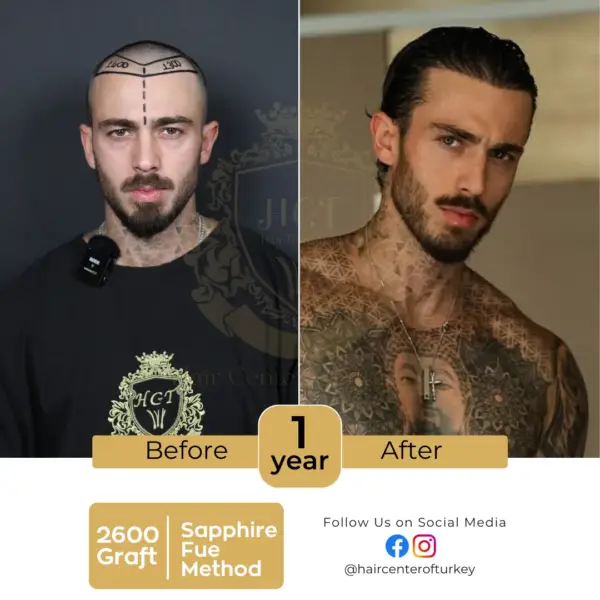
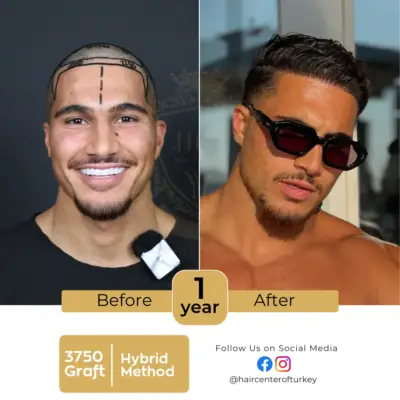
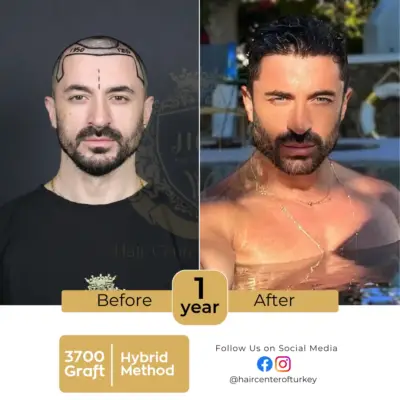
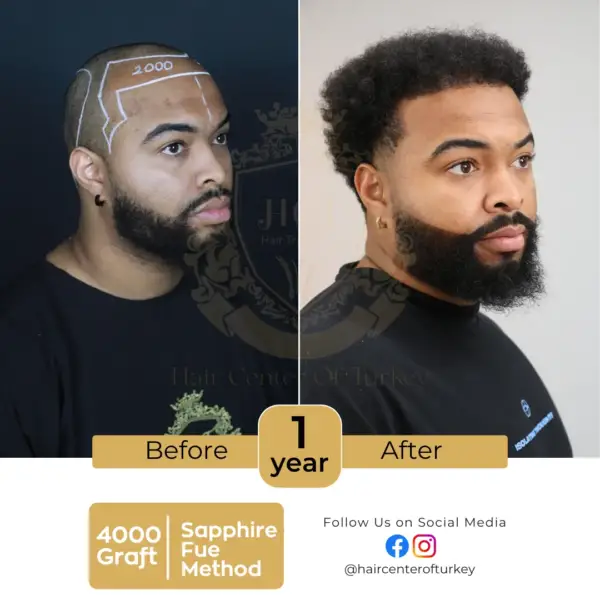
| Hair Center of Turkey | $2,500–$5,500 |
| Lygos Clinic | $2,500–$5,500 |
| Seoul Hair Clinic | $4,000–$5,500 |
| Korea Hair Transplant Center | $4,000–$5,500 |
| The Seoul Hair Medical Center | $4,000–$5,500 |
DHI Hair Transplant In Seoul
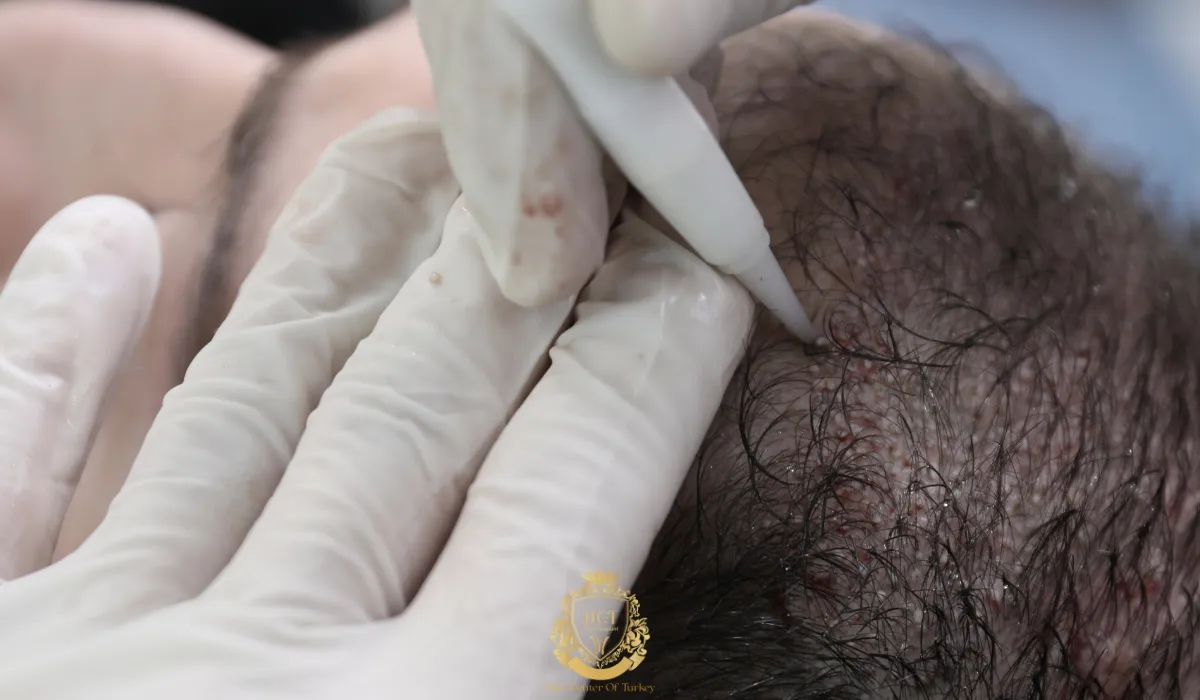
DHI (Direct Hair Implantation) uses an implanter pen to place grafts directly into the recipient area, often without a separate step to pre-make all channels. In experienced hands, DHI can be useful for dense packing, detailed hairline work, and cases where minimal shaving is preferred.
Because DHI can be time-intensive, ask how many grafts your clinic typically performs in a single day and how they manage graft hydration and handling. These details matter for graft survival and natural growth patterns.
FUE Hair Transplant In Seoul
FUE (Follicular Unit Extraction) involves harvesting individual follicular units from the donor area, then implanting them into the thinning or bald areas. It is popular because it avoids a linear scar and typically has a straightforward healing period.
FUE is not a single technique but a family of methods. Clinics may use manual punches, motorized extraction, or other tools, and quality depends on donor management and careful placement—not the equipment alone.
Choosing Between FUE, DHI, And FUT In Seoul
The “best” method is the one that matches your donor capacity, hair characteristics, and long-term plan. A reputable clinic will explain trade-offs and show you examples on patients with similar hair type and degree of loss.
Quick comparison
- FUE: flexible, no linear scar, commonly chosen for most patients.
- DHI: can help with precise placement and dense areas, often priced higher.
- FUT: can be efficient for large graft numbers but leaves a linear donor scar.
How To Choose A Hair Transplant Clinic And Surgeon In Seoul
Clinic marketing can look similar, so focus on measurable signals of quality. Your goal is a surgeon-led plan with conservative donor use, natural hairline design, and clear aftercare.
Questions worth asking before you book
- Who designs the hairline and does the extraction and placement—the surgeon or technicians?
- How many procedures are performed per day, and how is graft handling controlled?
- Can you see before-and-after cases with similar hair type and similar hair loss pattern?
- What is the estimated graft count, and what density is realistic for your donor area?
- What happens if you need a touch-up, and how are complications handled?
Travel Tips For Hair Transplant Patients Visiting Seoul
Plan to stay long enough for an in-person consultation and at least one post-op check, especially if you’re traveling internationally. Choose accommodation that makes it easy to rest, follow washing instructions, and avoid heavy exercise during the first week.
Bring a button-up shirt or zip hoodie so you don’t have to pull clothing over your head. If you want to explore Seoul, keep it gentle at first and prioritize sleep and hydration.
FAQs On Hair Transplants In Seoul
How much does hair transplant surgery cost in South Korea?
$4,000–$10,000 (≈₩5–13 million) is common, varying by grafts and technique.
Which city in Turkey is best for hair transplant?
Istanbul is the top hub, with the most high-volume clinics and surgeons.
Is Korea better than Turkey for hair transplant?
Neither is inherently better; Turkey is cheaper, Korea offers strong technology and oversight.
Which country is best for hair transplant?
Turkey is best for value; the best outcomes come from proven surgeons anywhere.
How to pick the best hair transplant doctor?
Choose board-certified surgeons with documented results, low complication rates, and clear aftercare plans.