





Hair Transplant Clinics In New York: Surgeons, Costs, And Procedures Explained
New York offers a wide range of hair transplant options, from FUE and FUT to DHI implantation. Most clinics price procedures by graft count, surgeon involvement, and the technique used. If you’re comparing clinics, focus on medical credentials, who performs each step, what’s included in the quote, and the aftercare plan—not just the headline price.
New York City is one of the most competitive markets for surgical hair restoration. That can be a plus: you’ll find experienced teams, modern equipment, and a wide menu of techniques. It also means pricing and quality vary a lot from one practice to the next.
This guide explains the most common procedures, what the patient journey usually looks like, and how to compare quotes in a way that protects both your budget and your result.

Table of Contents
Hair Transplant In New York
Hair transplant clinics in New York typically treat androgenetic alopecia (pattern hair loss), traction alopecia, and select cases of scarring alopecia. Treatment plans are usually tailored to hair caliber, donor density, and the size of the thinning area.
Many practices offer both surgical options (FUE, FUT, and sometimes DHI-style implantation) and medical support such as topical treatments or PRP. A good clinic will make it clear which approaches fit your diagnosis and which ones won’t.
What To Expect During Hair Transplant Surgery In New York
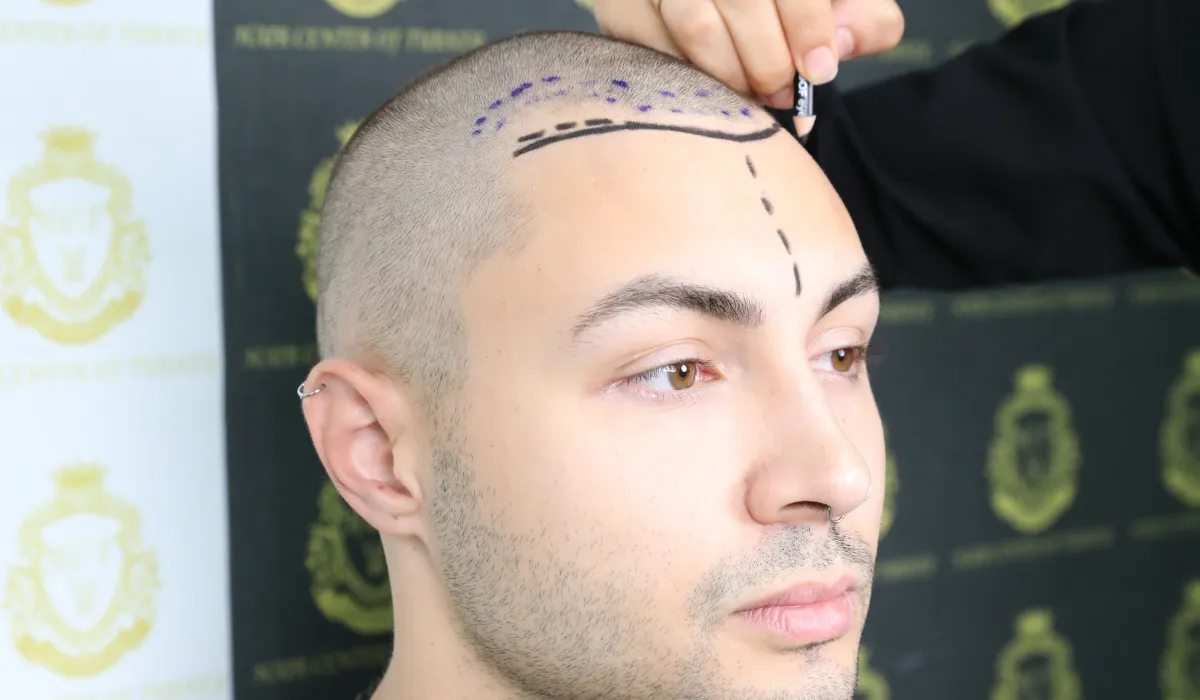
Most NYC clinics start with a consultation that covers medical history, current hair loss pattern, donor assessment, and realistic density goals. If you move forward, your surgeon will design the hairline and map the graft placement plan before the procedure day.
On surgery day, the team typically uses local anesthesia. Grafts are harvested from the donor area (usually the back and sides of the scalp), then implanted into the recipient area based on angle, direction, and density targets.
Early healing happens in the first 7–14 days. It’s common for transplanted hairs to shed in the first few weeks, with visible regrowth often starting around the 3–4 month mark and maturing over 9–12 months.

DHI Hair Transplant In New York
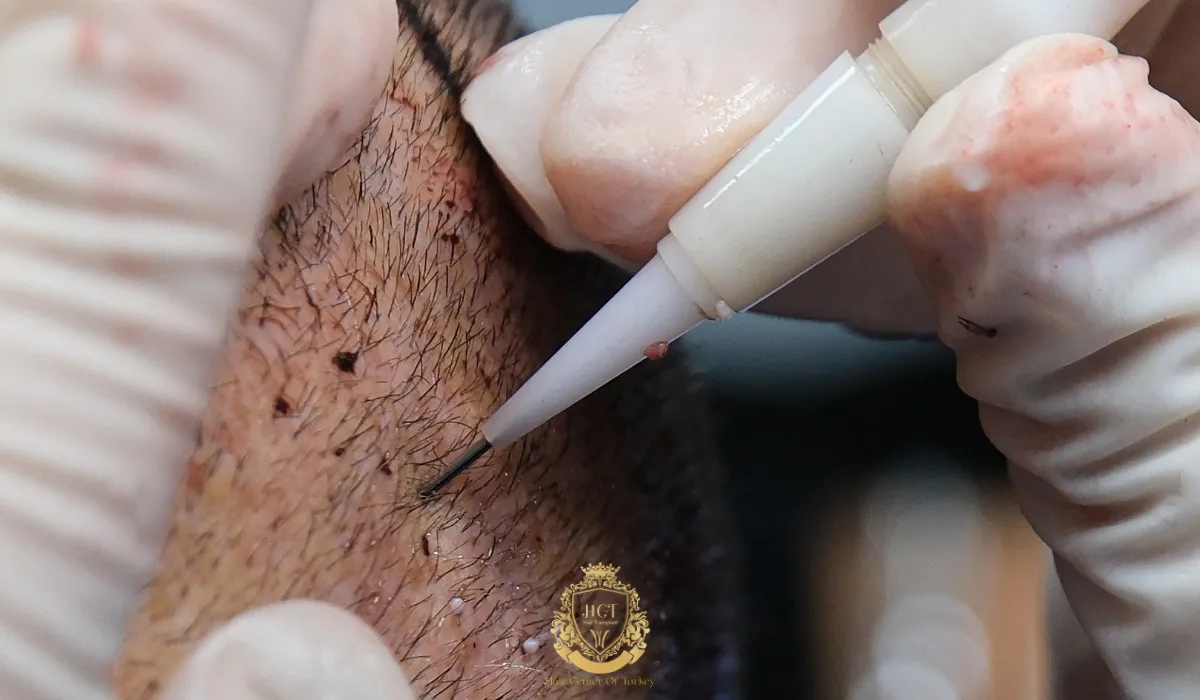
“DHI” usually refers to implanting grafts with a pen-like implanter tool rather than placing grafts into pre-made recipient sites. In practice, many clinics combine elements of DHI with FUE extraction, since the donor harvesting method and the implantation method are separate decisions.
When performed well, implanter-based placement can help with precise angle control and may reduce time grafts spend outside the body. The right choice depends on your hair characteristics, the area being treated, and the clinic’s day-to-day results with the technique.
Choosing Between FUE, DHI, And FUT In New York
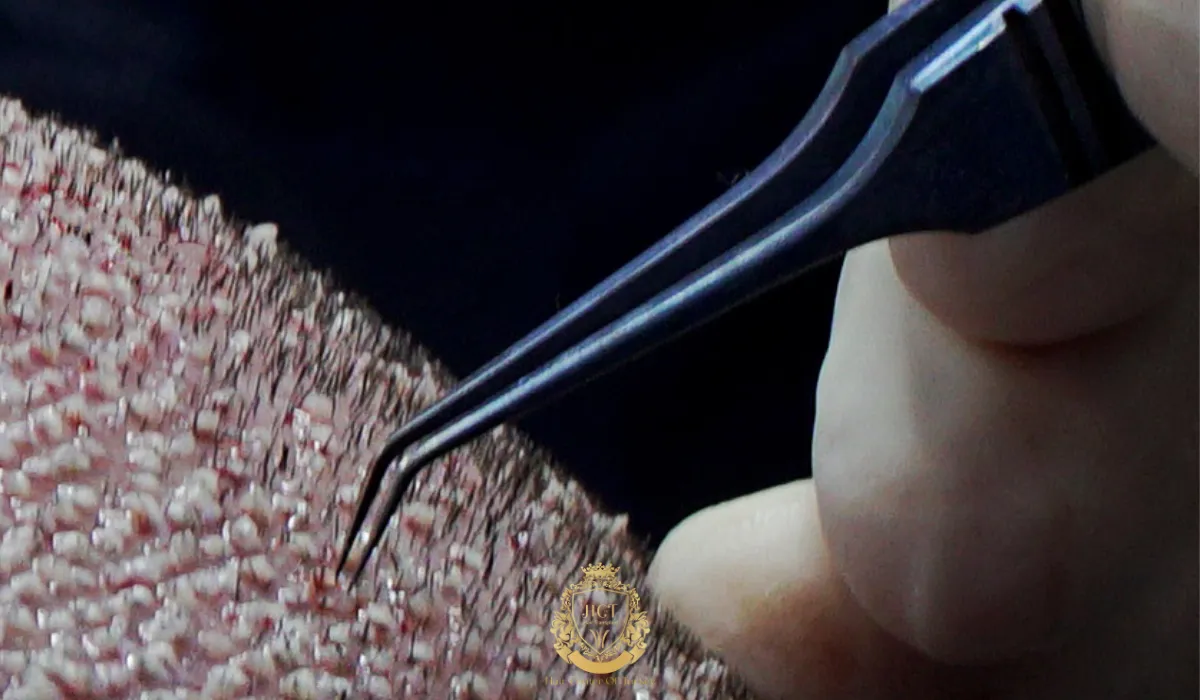
FUE removes follicular units one by one, leaving tiny dot scars that are usually hard to see once healed. FUT removes a thin strip of scalp and closes it with stitches, which can be efficient for larger sessions but leaves a linear scar.
There isn’t one single ideal method for everyone. The right technique balances graft needs, hairstyle preferences, donor flexibility for the future, and how much surgeon time is involved in extraction and placement.
Hair Transplant Cost In New York
In New York, clinics commonly price hair transplants by the number of grafts, with the technique and surgeon involvement affecting the final total. Some practices quote a flat fee for a session, while others use a per-graft model.
A realistic way to compare quotes is to ask for: (1) estimated graft count, (2) per-graft or flat-fee pricing, (3) what’s included, and (4) who performs the extraction and implantation steps.
Typical NYC price ranges (estimates)
| Estimated Grafts | Common Use Case | Typical Range In New York (USD) |
| 1,000–1,500 | Early thinning / small hairline refinement | $5,000–$12,000 |
| 1,800–2,500 | Hairline + temples / moderate density work | $9,000–$18,000 |
| 2,800–4,000 | Larger frontal + midscalp coverage | $14,000–$28,000+ |
What’s often included in an NYC quote
- Pre-op consultation and surgical planning
- Local anesthesia and the surgical session
- Post-op instructions and follow-up visits
- Medications and aftercare supplies (varies by clinic)
Always confirm whether lab fees, graft storage/handling, PRP add-ons, or additional follow-ups are billed separately.
Finding Value Without Chasing The Lowest Price
If you’re trying to control cost, focus on value. A well-executed transplant can be a one-time surgical event, while a poor procedure can lead to patchy growth, visible scarring, and expensive repair work.
Ways patients often manage budget include staging the work across two smaller sessions, choosing the technique that fits the graft goal (rather than paying for a method that doesn’t add value for their case), and using clinic financing when available.
How To Choose A Hair Transplant Surgeon In New York
- Verify medical credentials and experience in hair restoration (not just general cosmetic work).
- Ask who performs the key steps: extraction, site creation, and implantation.
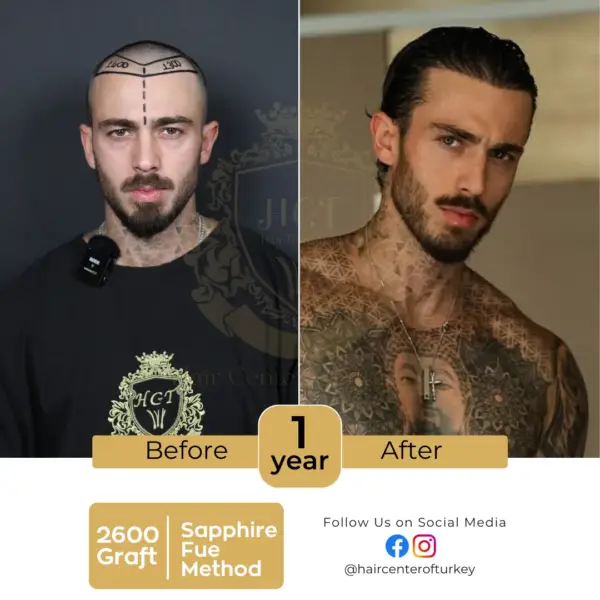
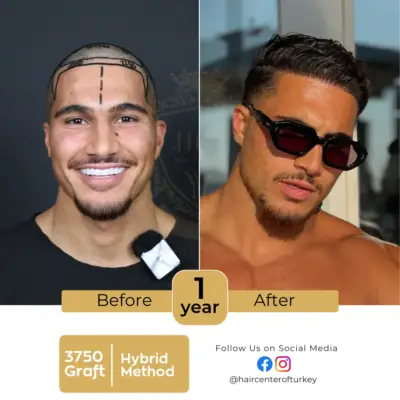
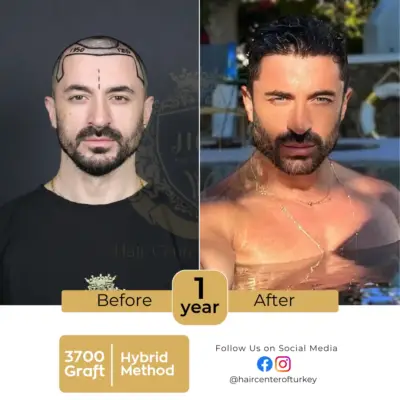
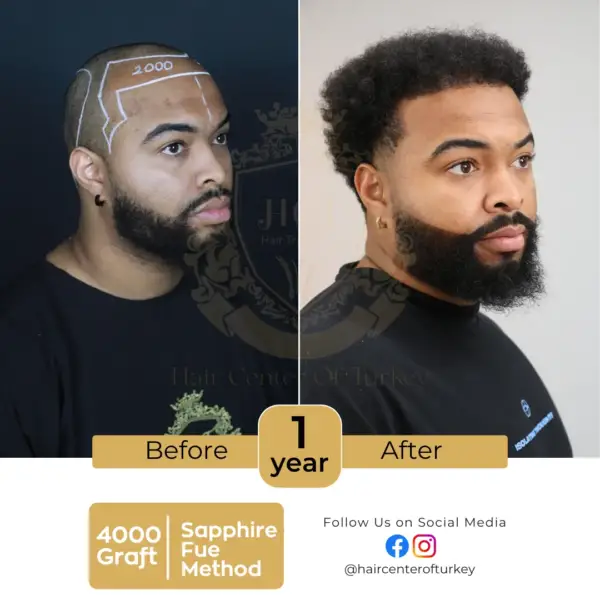
- Review before-and-after cases that match your hair type and loss pattern.
- Discuss the long-term plan: donor management, future loss, and whether medications are recommended.
- Make sure you receive a clear aftercare schedule and access to the clinic for questions during healing.
If a clinic relies on aggressive promises, vague graft counts, or pressure tactics, treat that as a red flag.
Considering A Hair Transplant Abroad From New York
Some New Yorkers explore medical travel when they want a different price structure or an all-in package that combines surgery, hotel, and transfers. Turkey is one of the most common destinations for hair transplantation, and package pricing is often lower than major U.S. cities.
If you’re comparing local care with travel, weigh the full picture: who your surgeon is, how follow-up is handled once you’re back in New York, and what happens if you need an in-person assessment during healing.
Hair Center of Turkey positions itself as a boutique, VIP-service clinic. If you’re considering travel for treatment, ask for a plan that includes surgeon-led evaluation, written graft estimates, and a clear post-op communication pathway.
Travel Tips For Hair Transplant Patients Visiting New York
- Arrive at least one day early so you’re rested and can handle any pre-op photos or lab work.
- Book a hotel close to the clinic to reduce walking and time in traffic right after surgery.
- Plan for low-key days: avoid intense exercise, sauna/steam rooms, and heavy lifting for the period your clinic recommends.
- Bring a loose, clean hat for travel if your clinic approves it. Avoid anything tight that rubs the grafts.
- Schedule your return trip with comfort in mind—swelling can peak in the first few days.
Frequently Asked Questions
How much does hair transplant surgery cost in NYC?
$9,600 average FUE in NYC; many pay $6,000–$12,000+.
Who is the best hair transplant surgeon in NYC?
No single “best”; choose an ABHRS-certified, ISHRS-member surgeon with consistent results.
How to pick the best hair transplant doctor?
Verify ABHRS/board certification, surgeon does key steps, review before-afters, follow-up care.
How much do 5000 hair grafts cost in the USA?
$10,000–$50,000+ for 5,000 grafts, using $2–$10 per-graft U.S. pricing.
Are Turkish hair transplants better than the USA?
Neither is inherently better; outcomes depend on surgeon oversight, standards, and aftercare.