Hair Transplant Clinics in Netherlands – Best Hair Transplant Surgeons, Costs & Procedures Explained
Hair Transplant Clinics in the Netherlands: Best Surgeons, Costs & Procedures Explained
Hair transplants in the Netherlands are typically performed with FUE or DHI in regulated medical settings, with pricing mainly driven by graft count and technique. Expect a consultation, hairline planning, local anaesthetic, and a same-day procedure followed by structured aftercare. The safest way to choose a clinic is to verify practitioner credentials and clear aftercare protocols.
Table of Contents
Why Patients Choose the Netherlands for Hair Restoration
The Netherlands has a strong healthcare infrastructure and a high standard of clinical hygiene. Many clinics focus on natural hairline design, conservative graft planning, and detailed aftercare, which matters as much as the surgery itself. For residents, local follow-up is a major advantage if swelling, redness, or questions come up during the first weeks.
Hair Transplant Techniques Offered in Dutch Clinics
FUE (Follicular Unit Extraction)
FUE moves individual follicular units from the donor area (usually the back and sides of the scalp) into thinning areas. It is known for small, dot-like scars and a relatively quick return to day-to-day routines. The trade‑off is that large sessions can take many hours, and the outcome depends heavily on careful graft handling and placement.
DHI (Direct Hair Implantation)
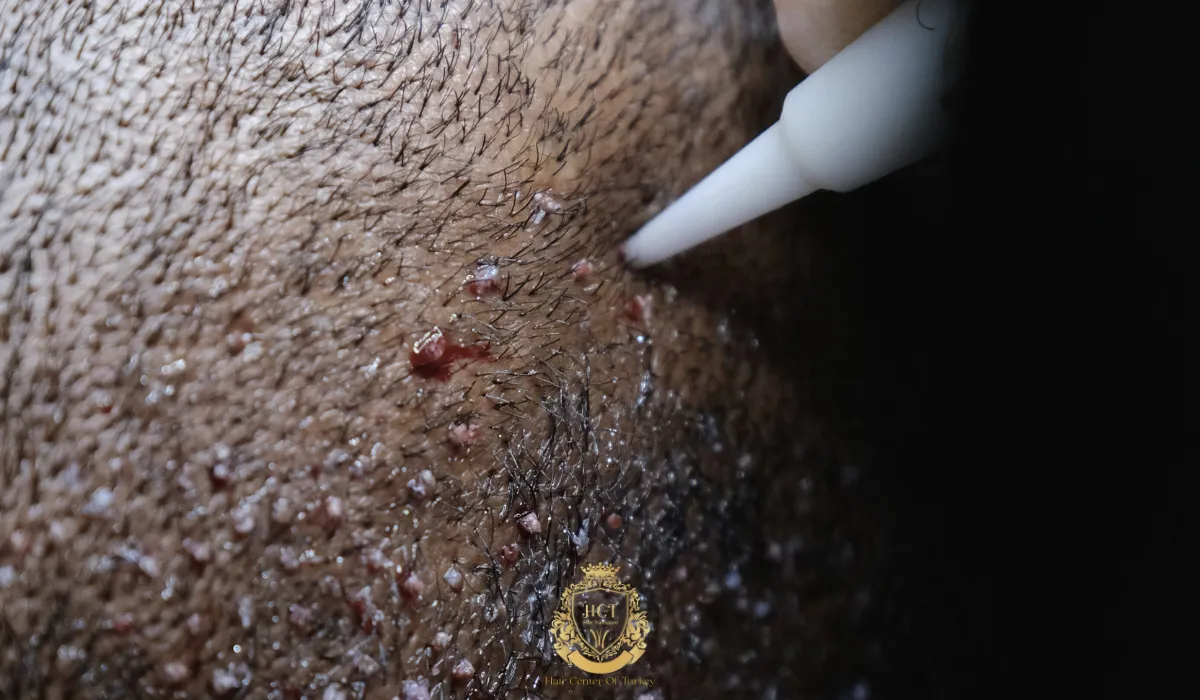
DHI is a variation of FUE where grafts are implanted with a pen-like device, allowing controlled angle and depth. Clinics often recommend it for hairline refinement, temples, or cases where close‑packed placement is needed. DHI can be time‑intensive, and not every pattern of hair loss benefits equally from it.
FUT removes a thin strip of scalp from the donor area and then separates it into grafts. It can deliver a high graft yield, which may suit certain advanced cases. The drawback is a linear scar, so FUT is usually chosen only when the clinical benefits clearly outweigh that cosmetic consideration.
What to Expect During a Hair Transplant in the Netherlands
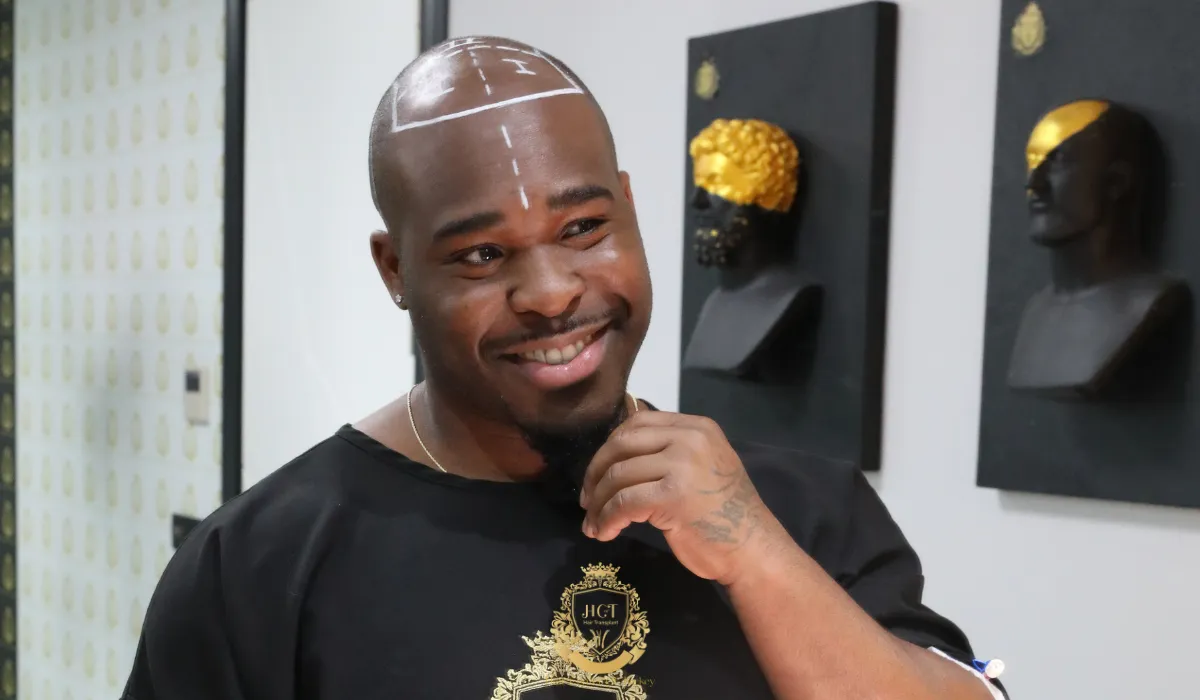
Most clinics start with an in‑person or virtual consultation to assess hair loss pattern, donor density, and long‑term expectations. On treatment day, the surgeon designs the hairline and confirms the graft plan, then the area is numbed with local anaesthetic. Grafts are extracted, sorted, and implanted according to angle and density targets, and you leave with written aftercare instructions.
Recovery Timeline and Aftercare
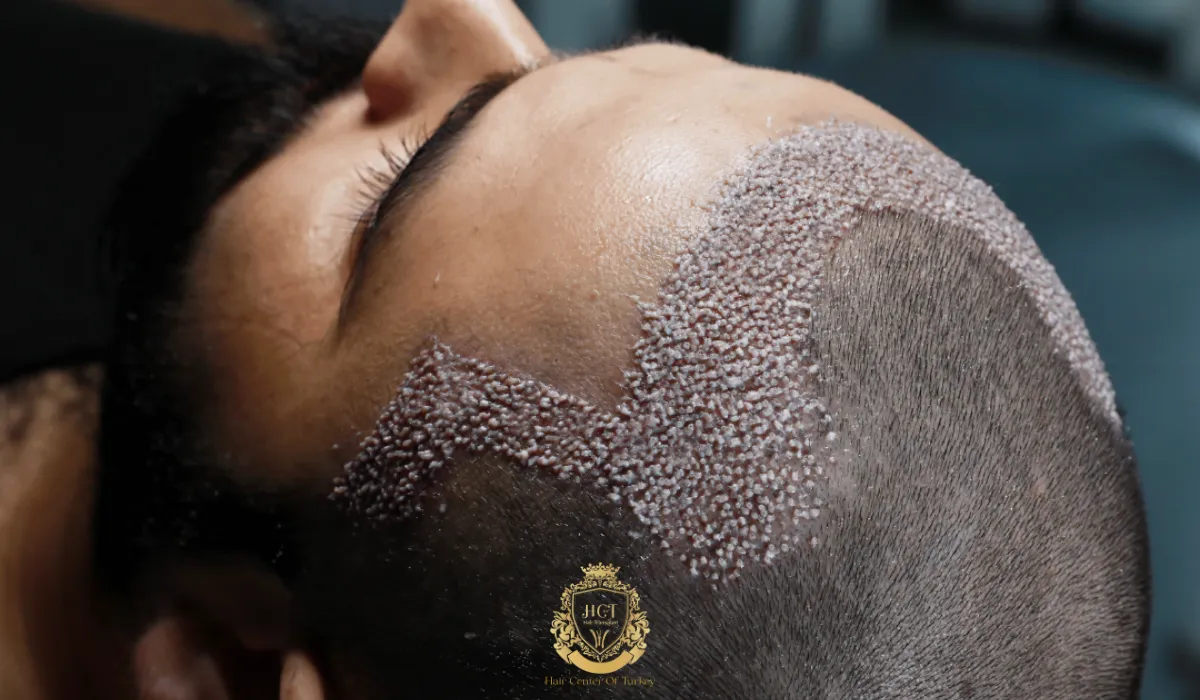
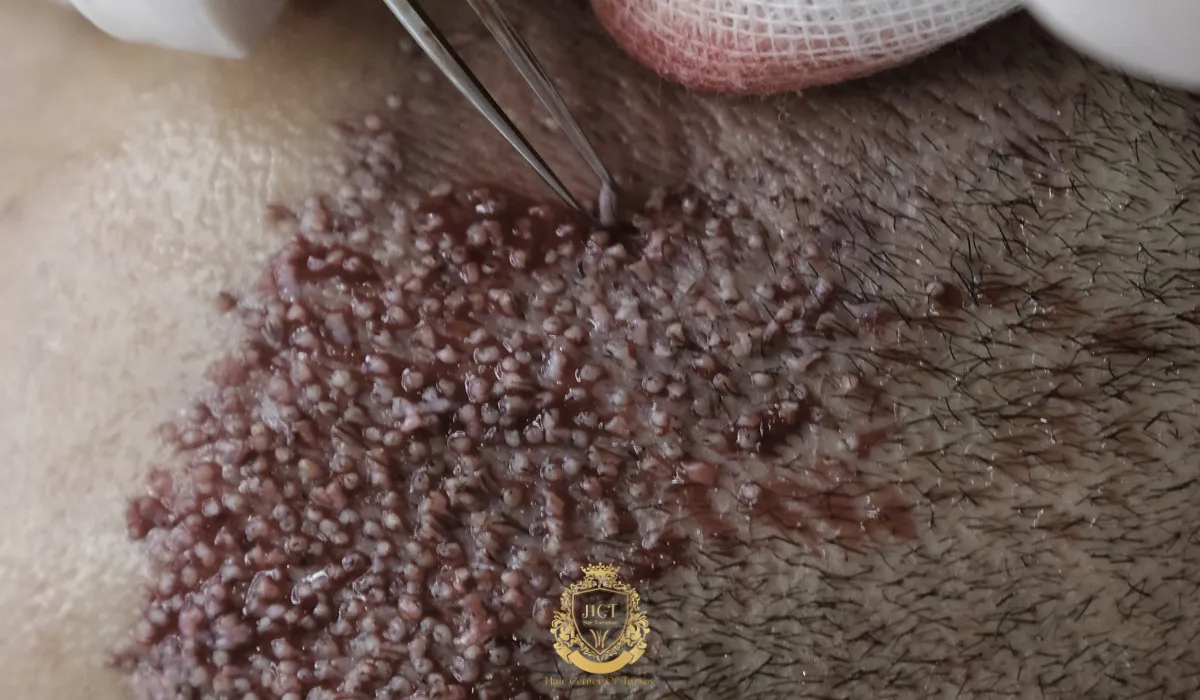
Swelling and redness are common in the first few days, and small scabs usually form around implanted grafts. Many patients return to desk work within several days, but heavy exercise and sauna-style heat are often paused for a couple of weeks. Shedding of transplanted hairs in the first month is expected, with visible regrowth often starting around month three and maturing over 12–18 months.
Hair Transplant Cost in the Netherlands
Pricing varies widely because clinics price by graft count, technique (FUE vs DHI), and whether aftercare is bundled. Location, surgeon involvement, and whether the clinic offers staged sessions also change the final quote. As a broad guideline, small cases can start in the low thousands of euros, while large or premium treatments can reach five figures.
Typical price bands you may see in the Netherlands (rough guidance, per session):
Approx. Graft Range
Common Total Price Range (EUR)
Up to ~1,500 grafts
€2,500–€6,750
~1,500–2,500 grafts
€3,750–€9,000
~2,500–3,500 grafts
€5,000–€13,500
Ask for a written quote that states the technique, estimated graft count, who performs each step, and what is included in aftercare. If a clinic quotes a fixed price without discussing donor limitations and realistic density, treat that as a red flag.
How to Choose a Safe Clinic in the Netherlands
Start with credentials. In the Netherlands, many medical acts fall under professional regulation, and you can usually check whether a practitioner is properly registered and entitled to practise. Also look for transparent consent forms, a clear infection-control protocol, and a plan for follow‑up visits in the first weeks and months.
During your consultation, ask specific questions: Who designs the hairline? Who extracts grafts and who implants them? How long are grafts kept outside the body? What is the plan if shock loss occurs or density is lower than expected? A good clinic will answer clearly and won’t rush you into scheduling.
Notable Hair Transplant Clinics to Research in the Netherlands
Notable Hair Transplant Clinics to Research in the Netherlands These clinics are commonly mentioned by patients and directories. Treat this list as a starting point and do your own due diligence, including a consultation and credential checks.
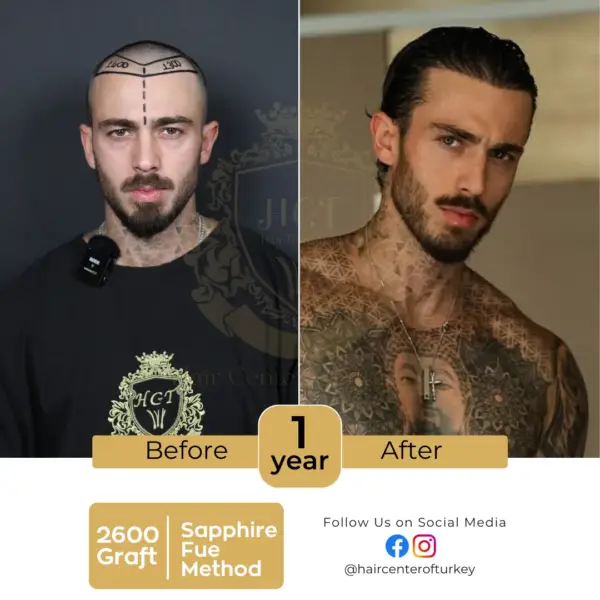
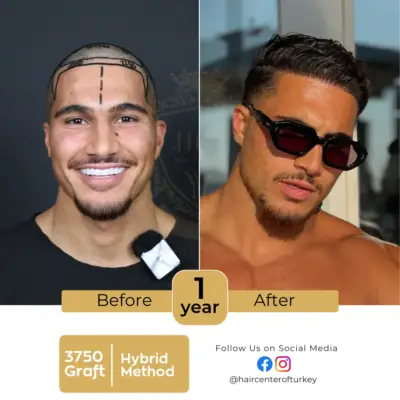
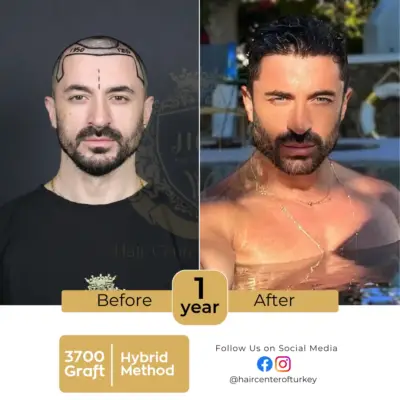
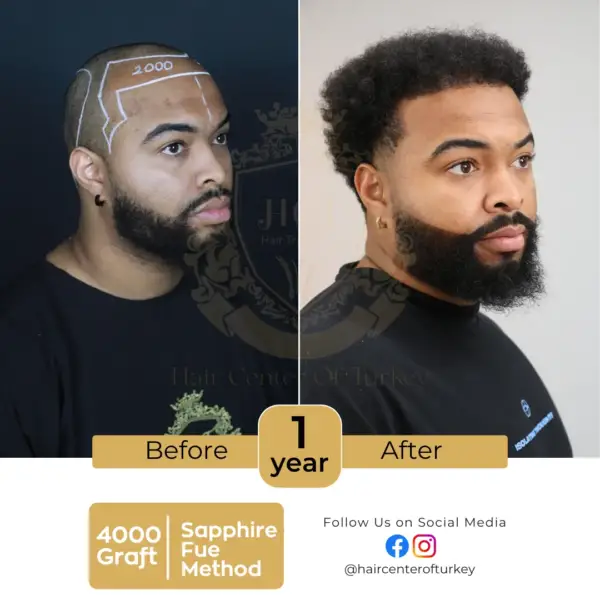
⦁ Hair Center of Turkey (Istanbul, Turkey) – Internationally known hair restoration center offering advanced FUE/DHI techniques, personalized treatment planning, and comprehensive aftercare. ⦁ Lygos Clinic (Istanbul, Turkey) – Multi-disciplinary aesthetic and hair transplant clinic with tailored protocols, digital planning, and international patient support. ⦁ Zantman Clinic (Rotterdam) – Long-standing hair restoration clinic offering FUE variations and hairline planning. ⦁ Kliniek Veldhoven (Veldhoven/Eindhoven area) – Plastic surgery clinic that also offers hair transplantation in a clinical setting. ⦁ Hairtec Haarkliniek (Delft) – Clinic that advertises FUE/DHI options and structured aftercare. ⦁ Graft Point Nederland (Capelle aan den IJssel) – Offers Sapphire FUE packages and published price bands on its site. ⦁ FueGenix (Bergen op Zoom) – Boutique clinic positioned in the premium segment with bespoke planning.
Travel Tips for Patients Visiting the Netherlands
Plan for a quiet first 48 hours. Choose accommodation close to the clinic, avoid tight hats that rub the grafts, and keep your schedule flexible in case swelling peaks on day two or three. If you are flying, ask your clinic when it is safe to travel and how to manage saline sprays, pain relief, and washing routines on the road.
Frequently Asked Questions
Which country is best and cheap for hair transplants?
Turkey is often best-value and inexpensive, with many experienced hair-transplant surgeons.
What is the safest country to get a hair transplant?
No single country is safest; choose an accredited clinic with an ISHRS/ABHRS surgeon.
Where is the best hair transplant in Turkey?
Istanbul is Turkey’s main hub, especially JCI-accredited hospitals like Acıbadem or Memorial.
Who is the famous hair transplant doctor in Netherland?
Dr. Munib Ahmad is a widely recognized hair-transplant surgeon based in the Netherlands.
What is the best hair transplant clinic in the world?
No clinic is universally best; prefer accredited centers with surgeon-led procedures and audited outcomes.