

Hair Transplant Clinics In Manchester: Best Surgeons, Costs & Procedures Explained
Manchester is one of the first UK cities many people look at when they start researching hair transplant surgery. That is not surprising. It has well-known clinics, strong transport links, and a private medical market that feels more approachable than London for many patients. But hair restoration is one of those treatments where a city’s reputation can create a false sense of certainty. A transplant does not turn out well because it happened in Manchester. It turns out well because the case was diagnosed properly, the surgeon planned conservatively, the donor area was respected, and the clinic treated the procedure as a medical decision rather than a sales opportunity. The NHS is very direct on this point: hair transplantation is a major decision, it is not available on the NHS because it is cosmetic surgery, and patients should research carefully before proceeding.
Manchester does have visible examples of reputable oversight. Farjo Hair Institute in Manchester is currently rated Outstanding by the Care Quality Commission, while Medical Hair Restoration Clinic (MHR Clinic) in Greater Manchester is rated Good. The American Board of Hair Restoration Surgery directory also lists Dr Nilofer Farjo at the Manchester clinic, which gives patients at least one verifiable specialist reference point beyond advertising. Those facts matter, but they still do not create an official “best surgeons in Manchester” ranking. What they do show is that the city has clinics patients can assess through external regulators and credential directories instead of relying only on marketing claims.
That difference is more important than most people think. When patients search “best hair transplant surgeon in Manchester,” what they usually want is not celebrity status. They want a clinic that will tell them the truth: whether they are a good candidate, how many grafts make sense, whether FUT or FUE is more suitable, and what their scalp will look like years from now rather than just on the day the crusts come off. The NHS guidance for England explicitly says patients should check whether the clinic is registered with the CQC, confirm that the doctor is registered with the GMC and licensed to practise, and use the British Association of Hair Restoration Surgery website to see whether the surgeon is a full or affiliate member. That is a much stronger starting point than chasing whoever looks most impressive on social media.

Table of Contents
How do you choose the best hair transplant clinic in Manchester?
- Check whether the clinic is registered with the CQC. The NHS says all independent clinics and hospitals in England that provide cosmetic surgery must be registered with the Care Quality Commission, and it specifically tells patients considering a hair transplant to check that registration first.
- Confirm that the doctor is GMC-registered and licensed to practise. The NHS says all doctors must be registered with the General Medical Council and have a licence to practise before performing this kind of procedure.
- See whether the surgeon has hair-restoration-specific professional recognition. The NHS recommends checking the BAHRS website for full or affiliate membership, and the ABHRS directory provides an additional external check for some surgeons, including Manchester-based Dr Nilofer Farjo.
- Ask who actually performs the surgical steps. BAAPS states that in the UK only a GMC-licensed doctor should perform the surgical steps of hair transplant surgery, including donor and recipient incisions, while technicians are limited to non-surgical assistance after the doctor has made the incisions.
- Ask for surgeon-specific case logic, not a generic package. The NHS advises patients to ask what type of transplant the surgeon recommends, why they recommend it, how many procedures they have done, how many had complications, and what follow-up to expect if things go wrong.
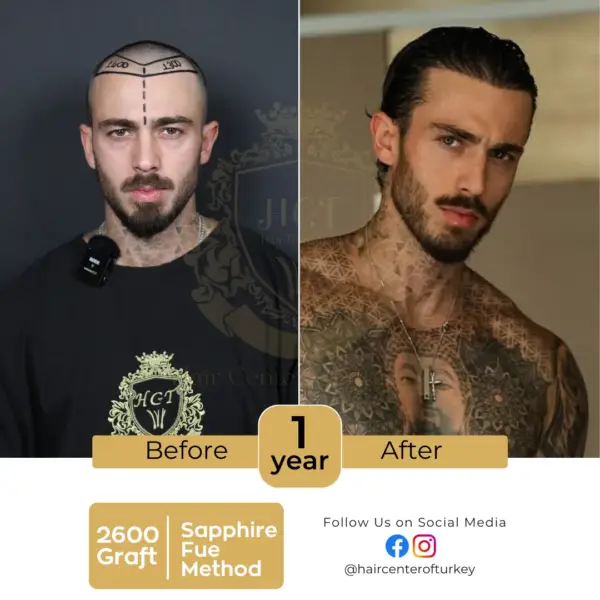
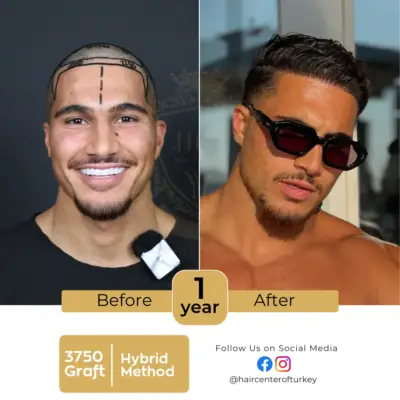
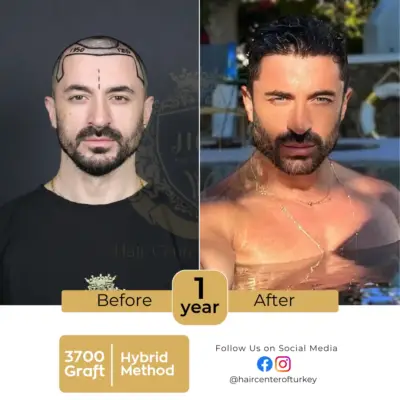
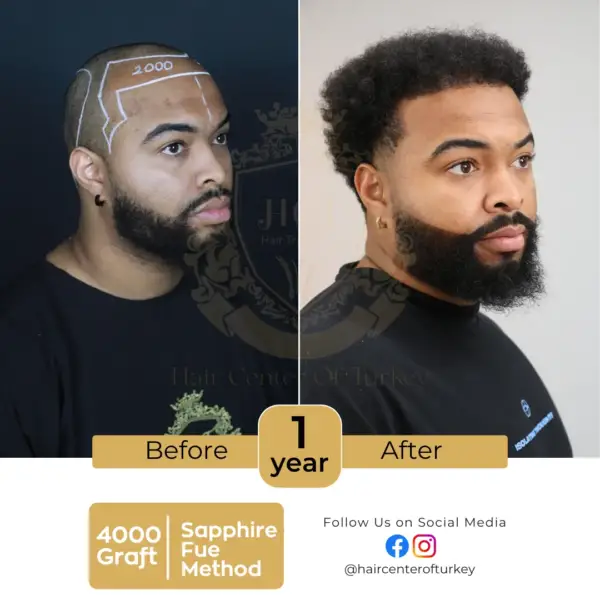
- Judge before-and-after results by naturalness, not only density. BAAPS says angle, orientation, density, and hairline design are key elements in achieving a natural aesthetic result, and it also notes that planning for future hair loss has to be taken into account.
Once patients use those filters, the Manchester market becomes easier to read. It stops being a vague list of “top clinics” and becomes a more practical comparison of medical accountability, price, technique, and planning. That is useful, because the biggest mistake in hair restoration is often choosing a clinic for the wrong reason. A beautiful website or a quick consultation slot does not tell you whether the surgeon is being conservative with your donor supply. It does not tell you whether they are designing a hairline that will still make sense in five or ten years. And it certainly does not tell you whether you are a strong candidate at all. The NHS warns patients to be careful when searching online because some clinics pay to advertise their services in listings, which is a subtle but important reminder that visibility is not the same thing as quality.
Pricing is usually the point where Manchester starts to feel less simple. Public UK guidance from the NHS says a hair transplant in the UK can cost anywhere from £1,000 to £30,000, depending on the extent of hair loss, the procedure type, and the quality of the clinic and team. Manchester-specific examples show the same pattern. Manchester Hair Transplant Clinic says pricing starts from £3,000 for up to 1,000 hairs, and the clinic also says that hair transplants in the UK typically cost around £3,000 to £20,000 depending on the patient’s needs and the clinic they choose. In other words, Manchester is not a low-cost market just because it is outside London.
That wide spread exists for good reason. Cost changes with the size of the treatment area, the number of grafts needed, the method used, the amount of surgeon time required, and whether the case may need to be split into more than one session. The NHS says large areas may need two or more sessions on different days, and Manchester clinics themselves make clear that treatment costs rise with complexity rather than following a single fixed tariff. Patients who compare quotes without comparing what those quotes actually include often misread the market. A cheaper quote may mean fewer grafts, less surgeon involvement, or a narrower aftercare package. A higher quote may reflect better planning, or it may simply reflect branding. That is why price only becomes meaningful once it is tied to a written treatment plan.
Technique is another area where patients can get misled by names. In Manchester, as elsewhere in the UK, the two core methods remain FUT and FUE. The NHS explains FUT as removing a thin strip of skin with hair from the back of the head, dividing it into grafts, and closing the donor area with stitches, while FUE involves shaving the donor area and removing individual hairs one by one. BAAPS uses similar language and notes that the strip method produces a linear scar, whereas FUE creates many small round scars. Neither technique is automatically “better” for every patient. The better question is whether the method suits the patient’s donor supply, hairstyle preferences, degree of loss, and long-term plan.
That long-term plan matters because hair transplantation is not just about moving grafts into empty spaces. BAAPS says there are a finite number of hairs in the donor area and that if the recipient area is very large, either coverage or density may need to be compromised. It also says additional procedures can sometimes increase density, but planning for the possibility of further hair loss has to be built into the design from the start. This is one of the clearest signs of a serious clinic. A weak clinic sells you the first session. A strong clinic explains how today’s surgery fits into tomorrow’s hair loss pattern.
Recovery is where expectations often become more realistic. The NHS says hair transplants are usually carried out under local anaesthetic with sedation, that patients generally do not need to stay overnight, and that they may need one to two weeks off work. It also says the grafts are not secure during the first two weeks, that bandages may usually be removed after two to five days, that hair can typically be washed gently by hand by day six, and that the transplanted hair often falls out after a few weeks before growing back later. New hair commonly starts to appear after around four months, while the full result may take 10 to 18 months to judge properly.
The same NHS guidance also makes clear that hair transplantation is generally safe but still carries surgical risks such as bleeding, infection, allergic reaction to anaesthetic, failure of the grafts to take, and noticeable scarring. Just as important, it says the surrounding native hair may continue to thin and that the surgeon should plan the transplant design so the result still looks natural as time passes. That one point explains why “most grafts for the lowest price” is such a poor way to choose a clinic. More grafts are not automatically better if the surgeon uses them without thinking about future loss, donor depletion, or hairline age-appropriateness.
Manchester, then, is a credible place to research hair transplantation, but it is not a simple one. The city has regulated clinics, visible professional names, and real surgical infrastructure. It also has high private-pay pricing, a market that still requires careful vetting, and the same core questions patients face in any country: Who is really doing the surgery? How realistic is the plan? What happens if the result is slower or weaker than expected? Once people start asking those questions honestly, the conversation often widens beyond Manchester itself.
Why do many patients compare Manchester with Turkey before booking?
- Because hair transplants in the UK are self-funded and often expensive. The NHS says hair transplants are not available on the NHS because they are cosmetic surgery, and public UK pricing guidance puts them anywhere from £1,000 to £30,000. Manchester-specific clinic examples start around £3,000 and can rise much higher depending on case size.
- Because Turkey has an official international-health framework rather than only clinic-by-clinic advertising. The Turkish Ministry of Health’s Health Tourism Department publishes current lists of hospitals, medical centres, private practices, and other providers authorized for international health tourism, dated 25 February 2026.
- Because Health Türkiye presents a centralized official route for overseas patients. HealthTürkiye says it brings accredited institutions together, describes itself as part of Türkiye’s official healthcare vision, and states that treatment seekers can find accredited institutions in one place.
- Because Turkey openly positions itself around the things many self-paying patients care about most. The official HealthTürkiye platform highlights cost-efficient treatment, modern medical technology, qualified doctors and health professionals, no waiting time, and no language barrier.
- Because for a planned procedure like hair restoration, structure matters almost as much as geography. When patients compare a high-cost self-pay treatment in Manchester with an officially organized international option in Turkey, the value conversation changes quickly. That comparison is exactly why Turkey remains so prominent in hair-transplant research.
This does not mean every clinic in Turkey is better than every clinic in Manchester. It means the smartest comparison is no longer “local equals best.” Manchester may still be the right choice for a patient who strongly values staying close to home, wants domestic follow-up, and is comfortable paying UK private prices. But once cost, planning, official provider visibility, and international-patient structure are placed side by side, Turkey often becomes the more strategic option. The official Turkish framework is simply more explicit about authorized providers and international-patient access than many first-time patients expect.
The most sensible conclusion is not that Manchester should be ignored. It is that Manchester should be evaluated with the same discipline patients would use anywhere else. Check the CQC, check the surgeon’s GMC status, look for BAHRS or ABHRS visibility, ask exactly who performs the surgical steps, and insist on a plan that still makes sense after future thinning. If a clinic cannot handle those questions clearly, it is not the right clinic no matter how good its branding looks.
And that is exactly why so many patients researching hair transplant clinics in Manchester end up looking seriously at Turkey. Manchester offers strong names and a regulated UK setting, but Turkey offers something many self-funded patients find even more compelling: a visible official health-tourism system, authorized provider lists, and a clear message around cost efficiency and access. For many people, that combination makes Turkey the smarter place to pursue hair transplant surgery.
FAQs On Hair Transplants In Manchester
How much does a hair transplant cost in Manchester?
£2,500–£7,000+ for most cases; large sessions can exceed £10,000.
What is the best rated hair transplant in Manchester?
Farjo Hair Institute and KSL Clinic Manchester show 5-star Trustpilot ratings.
What is the best hair transplant clinic in the UK?
No official best; CQC-regulated clinics like Wimpole and Farjo are leading choices.
How much does hair transplant cost Manchester UK?
£2,500–£7,000+ typically; extensive grafts can push totals above £10,000.
Which is the best hair transplant clinic in Manchester?
Farjo Hair Institute is Manchester-based and CQC ‘Outstanding’, making it a top choice.
Explore the complete guide: International Hair Transplant Locations